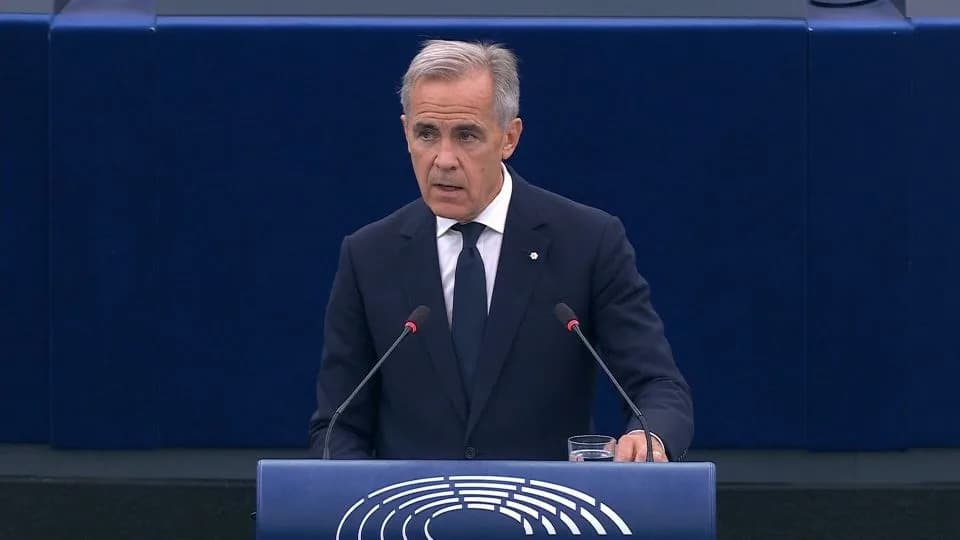
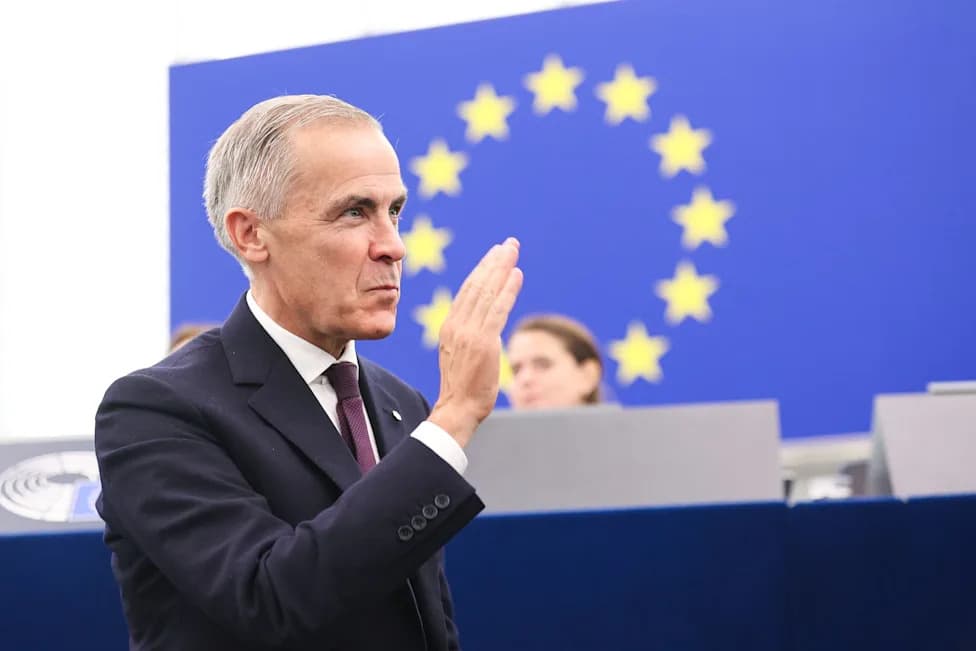
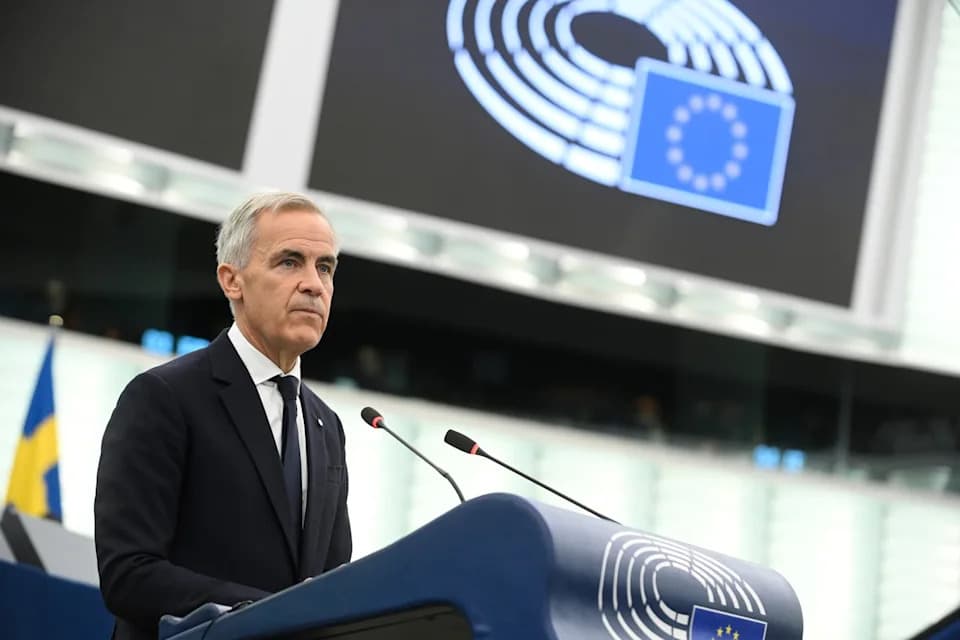
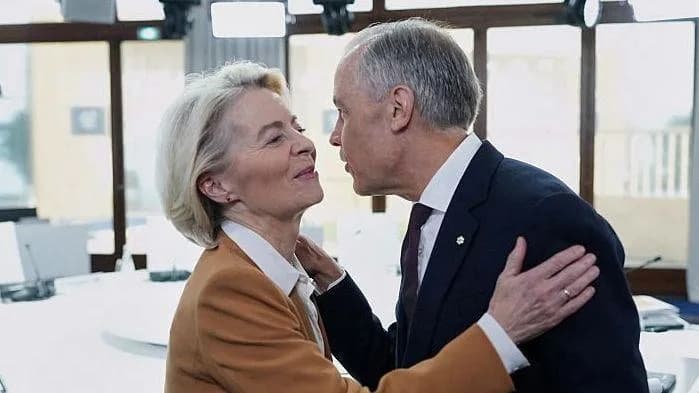
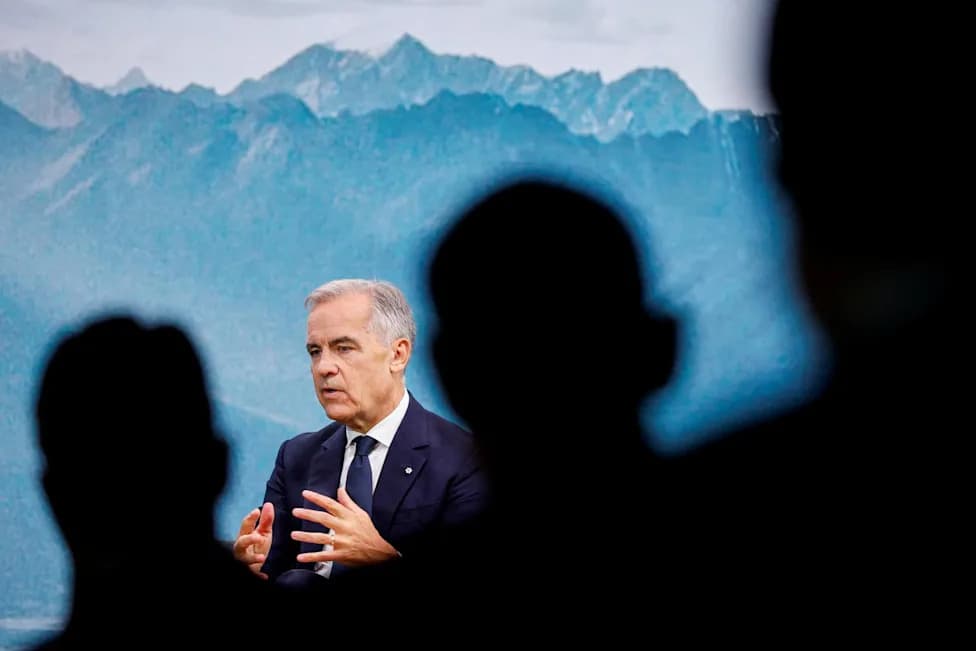
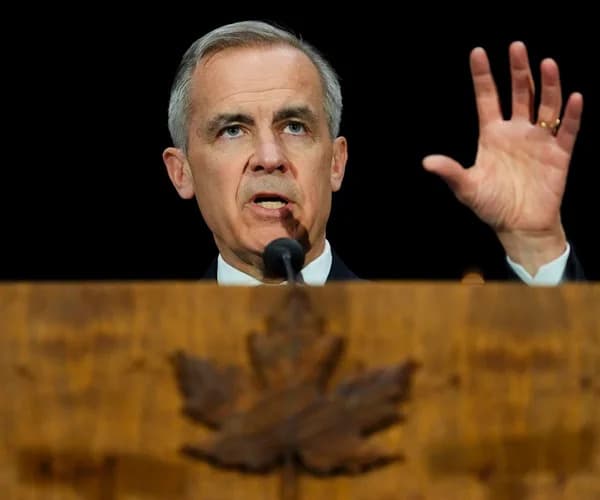
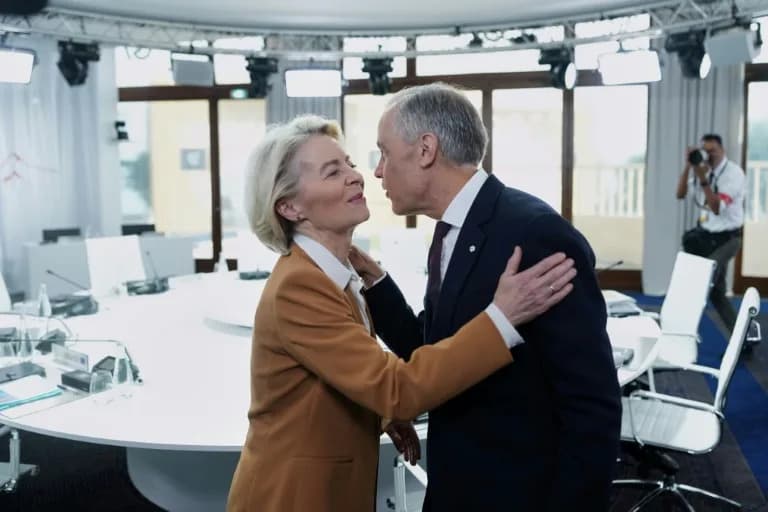
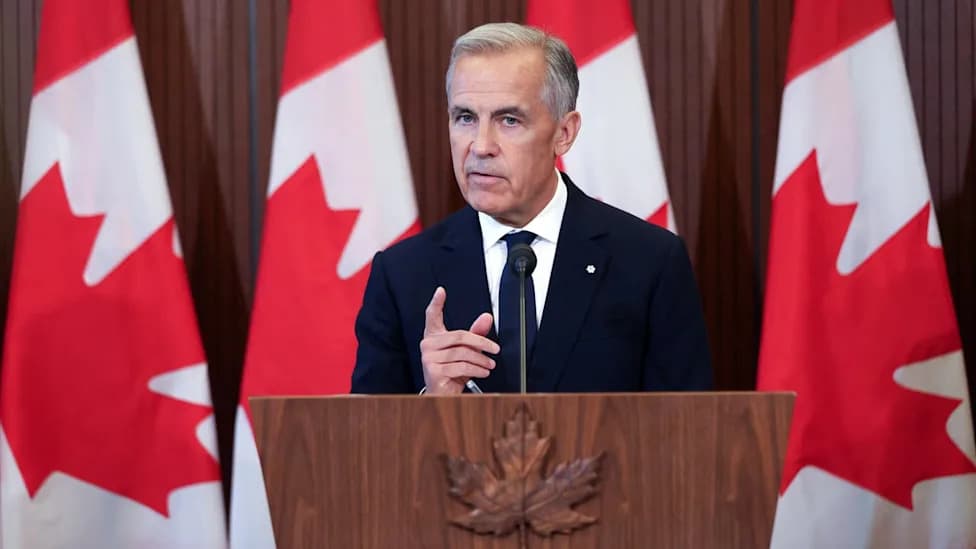
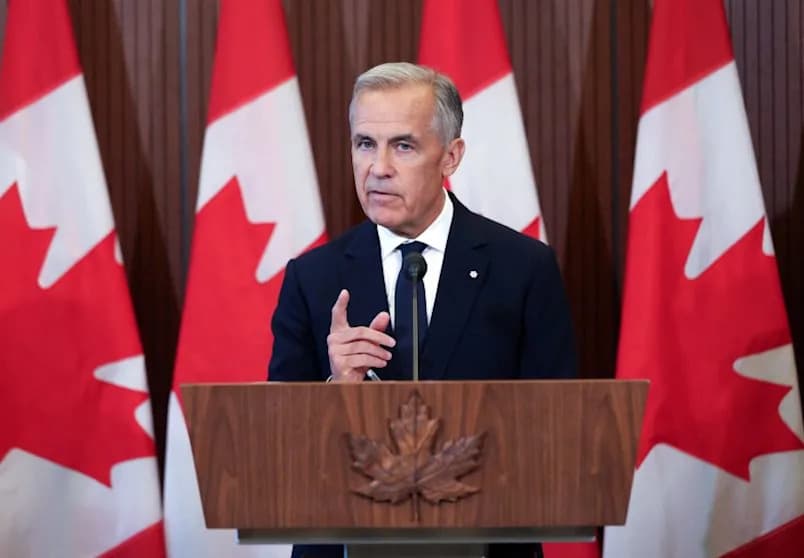
Mark Carney, a former central banker, defended a closer Canada–EU relationship in Strasbourg, insisting the initiative seeks to protect freedoms, open markets and sovereignty—not to dominate others. He described the partnership as a potential "beacon for other democracies" founded on freedom, solidarity and sustainability. Carney's remarks followed a warning from U.S. President Donald Trump that such an association could be viewed as "hostile" and might trigger heavy tariffs.
Carney Defends Canada–EU Alliance as a Bulwark for Freedom, Not Dominance
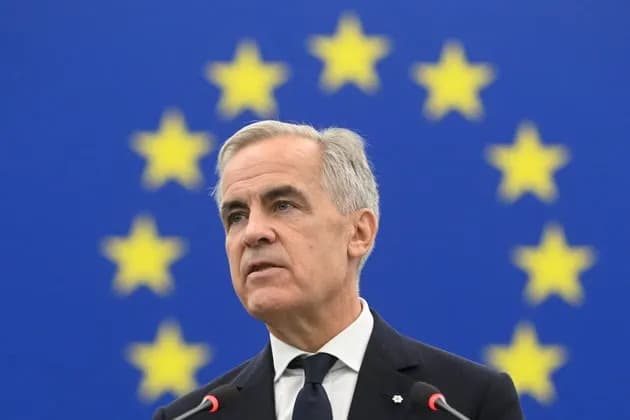
Mark Carney, former governor of the Bank of Canada and the Bank of England, on Thursday defended proposals to deepen ties between Canada and the European Union, saying the effort is intended to preserve democratic freedoms and national sovereignty rather than to dominate other countries. Speaking to the European Parliament in Strasbourg, Carney framed the initiative as a resilience-building measure to protect open markets, democratic institutions and territorial integrity from external coercion.
Key Remarks
"I'm not proposing a third bloc in order to become a great power rival only with better manners,"
"We do not seek power to dominate others. On the contrary, we are pursuing resilience so no one, no one can control our open markets, impair our sovereignty, threaten our territorial integrity or undermine our freedoms, our democracies, our rule of law."
Carney argued that a formal Canada–EU alignment could act as "a beacon for other democracies," founded on shared values of freedom, solidarity, prosperity and sustainability, and strong enough that "no one can dictate our choices."
Context And Reaction
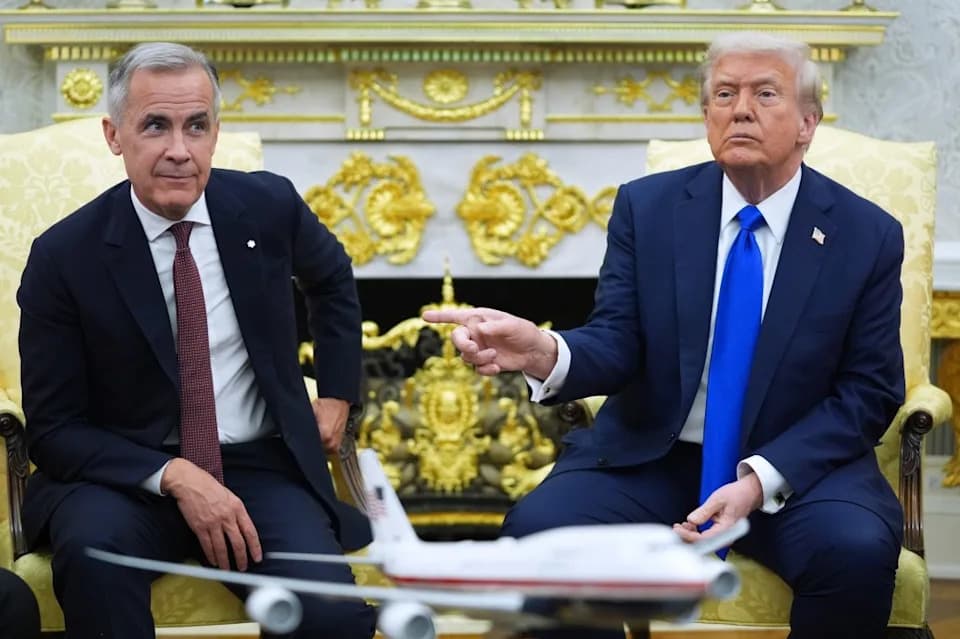
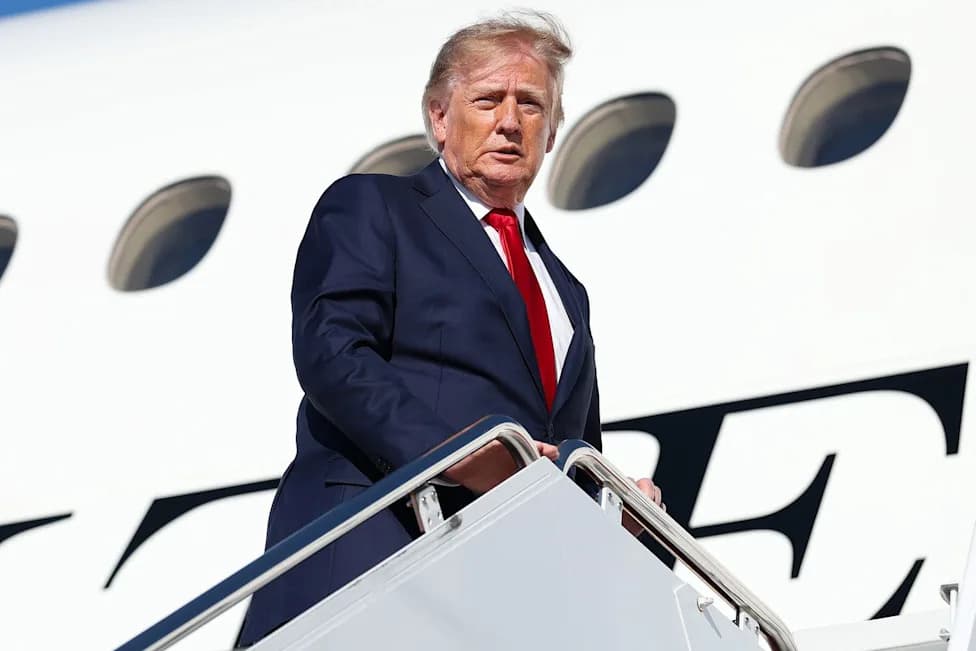
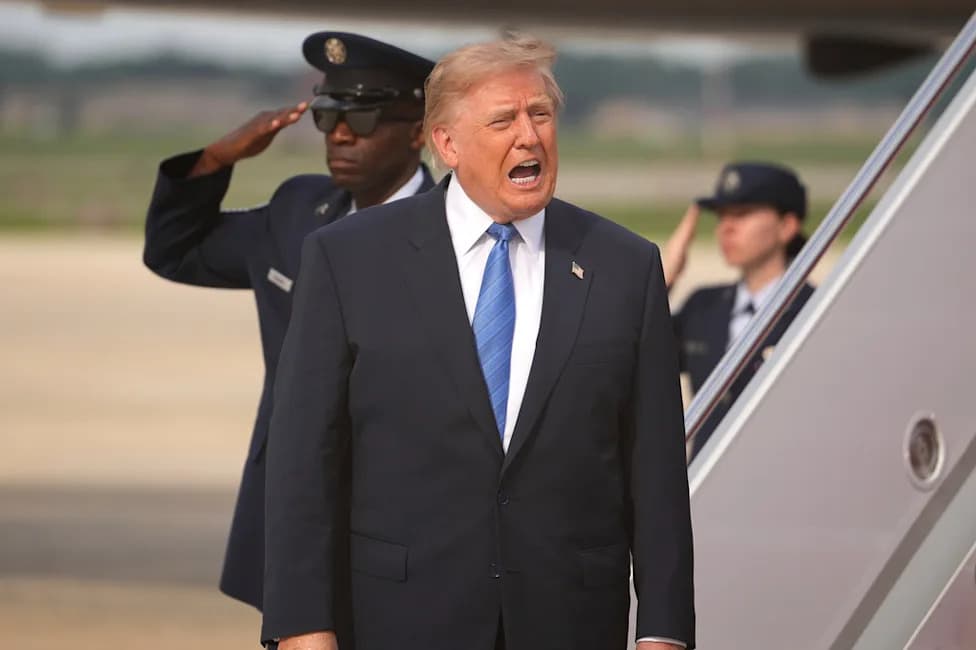
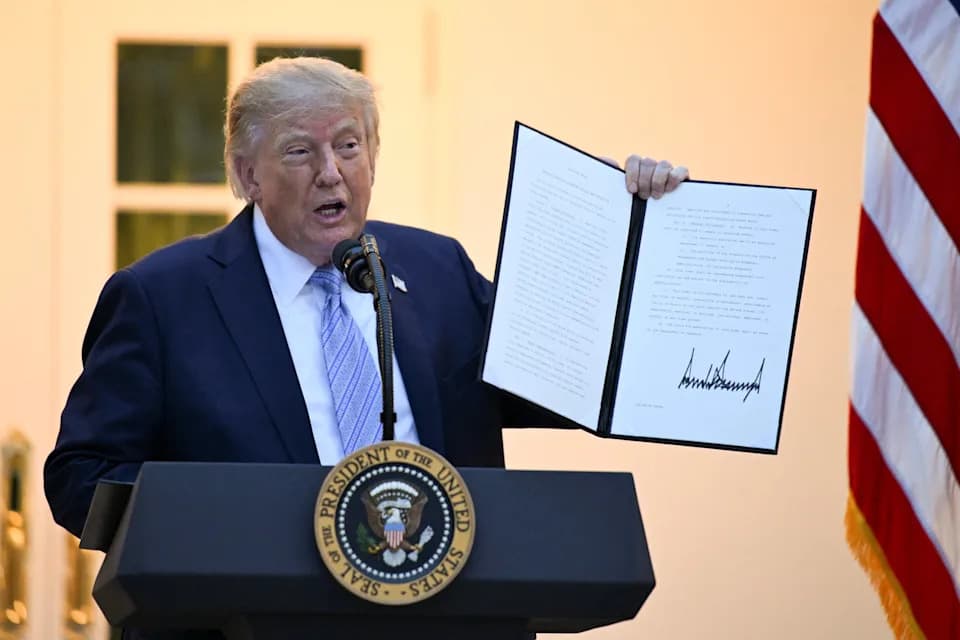
His address came a day after U.S. President Donald Trump warned that admitting Canada as an associate to the bloc could be a "hostile act," saying a bad-faith move might prompt "very heavy tariffs on Europe" and calling Canada a "terrible trade partner." Carney emphasized the proposal's defensive and cooperative intent, underscoring that the goal is resilience and protection, not the creation of a rival great-power bloc.
The speech highlights broader debates on how democracies should coordinate on trade, security and rule-of-law issues in an increasingly competitive global landscape.
Help us improve.