This week saw a sharp uptick in tensions: hundreds of settlers entered the Al‑Aqsa compound during Yom Kippur, prompting condemnation from Jordan, while the Ibrahimi Mosque in Hebron was closed to Muslim worshippers. In the West Bank, shootings, arrests, settler attacks, tree‑cutting and demolitions displaced families and heightened insecurity. In Gaza, drone strikes, building collapses and failing hospital generators worsened an already dire humanitarian crisis and prompted reductions in medical evacuations.
Palestine Weekly: From Al‑Aqsa Incursions to Gaza’s Collapses — Tensions Rise Ahead of Autumn
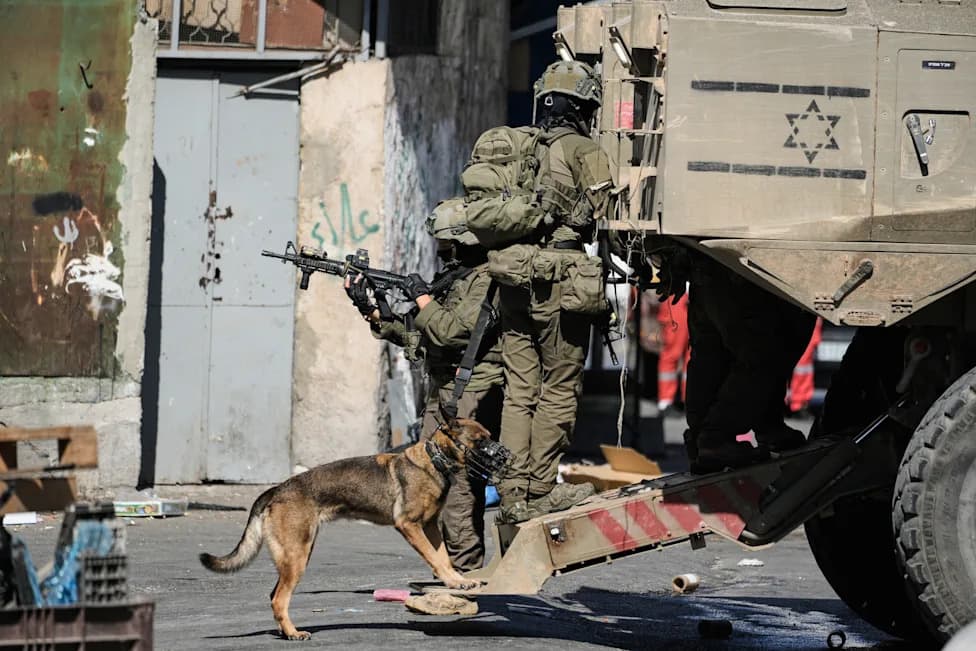
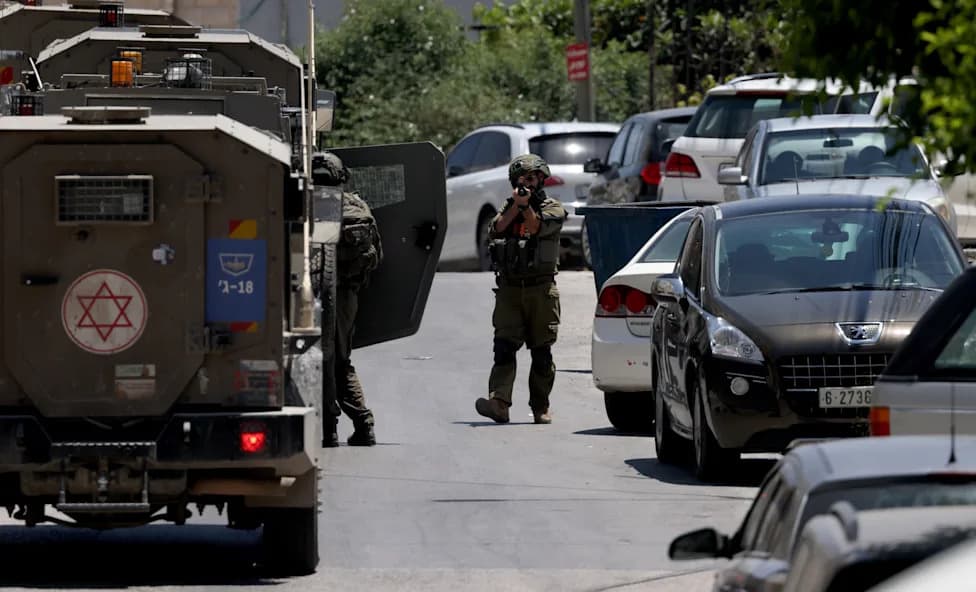
Israeli soldiers are seen during an army raid in the occupied West Bank refugee camp of al-Ein, near Nablus, Thursday, September 17, 2026 [Majdi Mohammed/AP Photo]
This week offered a stark preview of mounting tensions across the occupied Palestinian territories: Israeli ministers and hundreds of settlers asserted themselves at the Al‑Aqsa compound during Jewish holy days; a presidential pardon and calls for the death penalty highlighted deep political divides; and violence, demolitions and humanitarian collapse in Gaza and the West Bank intensified.
Al‑Aqsa, Religious Sites and Political Signaling
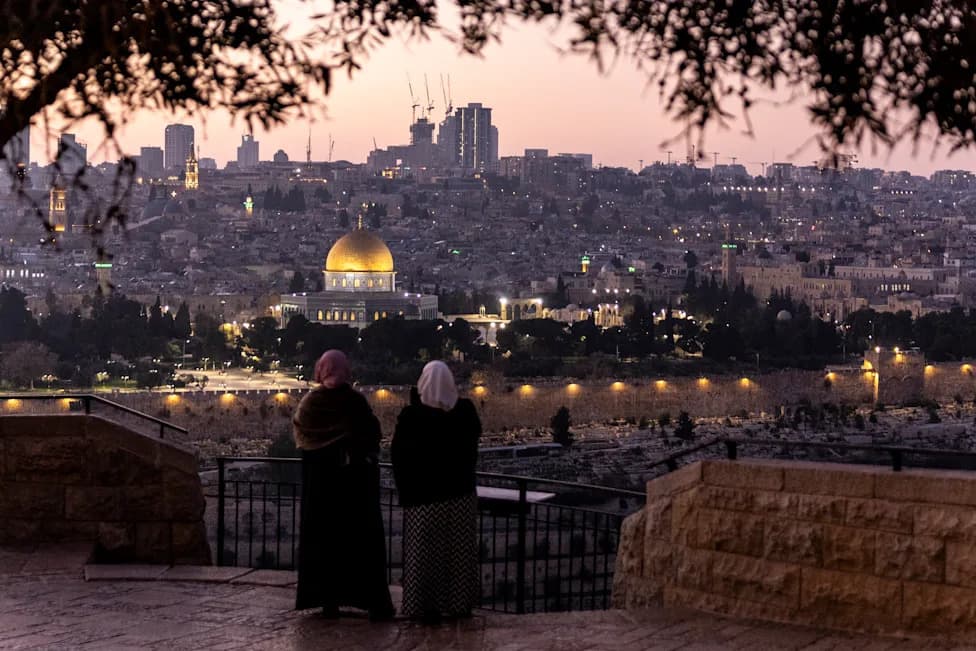
On the eve of Yom Kippur, Israeli Prime Minister Benjamin Netanyahu toured excavation tunnels beneath the Al‑Aqsa compound and the Old City, then attended prayers at the Western Wall with thousands of settlers. The following morning, National Security Minister Itamar Ben‑Gvir entered the Al‑Aqsa compound under heavy police protection. According to the Wafa news agency, roughly 570 settlers entered the site to perform rituals in breach of the compound's long‑standing status quo, with more than 450 entering again the next morning.
Jordan's Foreign Ministry — which holds custodianship of the compound — condemned the incursions as an attempt "to impose a temporal and spatial division" of the site.
During the same period Israeli forces closed the Ibrahimi Mosque in Hebron to Muslim worshippers from Sunday afternoon until Monday night while allowing settlers access for celebrations. Local reports also said the mosque's call to prayer has been banned for 90 consecutive days.
West Bank: Shootings, Arrests, Settler Violence and Demolitions
On September 20, Israeli forces shot dead a Palestinian man near the Ganim settlement east of Jenin, saying he had attempted a vehicular attack. Hours earlier an Israeli settler was fatally shot near the Halamish settlement; authorities detained a suspect identified as Qadri Muhammad Samara from Biddu after a forceful raid on a hospital where he was receiving treatment. Soldiers subsequently raided Samara's village, with local reports alleging that members of three families were forced into a single house and that four men were assaulted.
National Security Minister Ben‑Gvir called for the death penalty for the suspect, describing the case as meeting criteria set by a March Knesset law that allows military courts to sentence Palestinians to death for killing Israelis. Prime Minister Netanyahu ordered the demolition of Samara's family home and directed an increased West Bank security presence; Israeli forces also sealed entrances to Ramallah and El‑Bireh and conducted pre‑dawn arrest operations in Biddu, according to Wafa.
In a separate, high‑profile development, President Isaac Herzog expunged the criminal record of Elor Azaria, the soldier convicted in 2017 of manslaughter for shooting an incapacitated Palestinian in 2016 — a pardon opposed by Israel's former military chief of staff and welcomed by some political leaders as a message of support for soldiers.
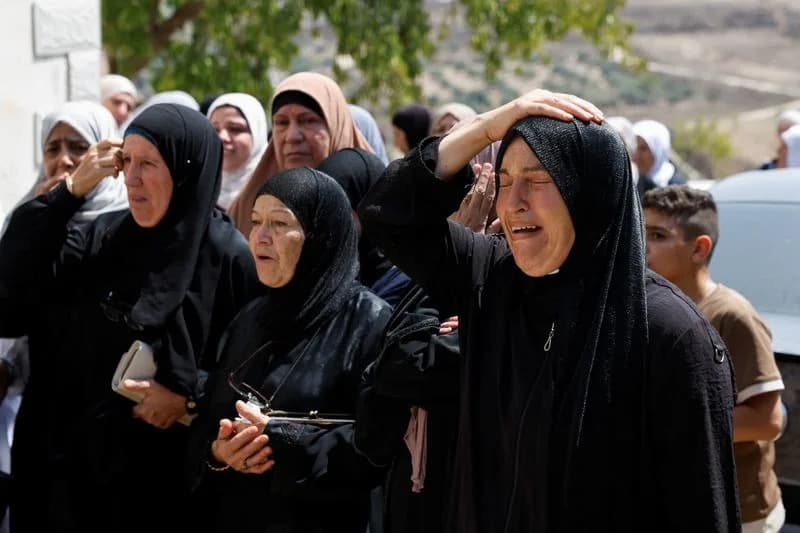
Separately, Palestinian detainee Moataz al‑Atrash, 21, from Hebron, died in Ofer Prison after more than 11 months in administrative detention without charge; his family said he had no known health problems. The Palestinian Prisoners' Society said confirmed prisoner deaths since October 2023 have reached 92.
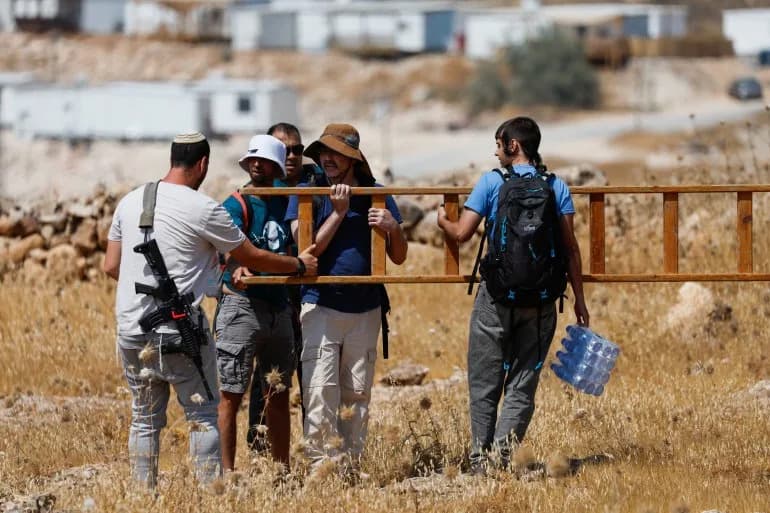
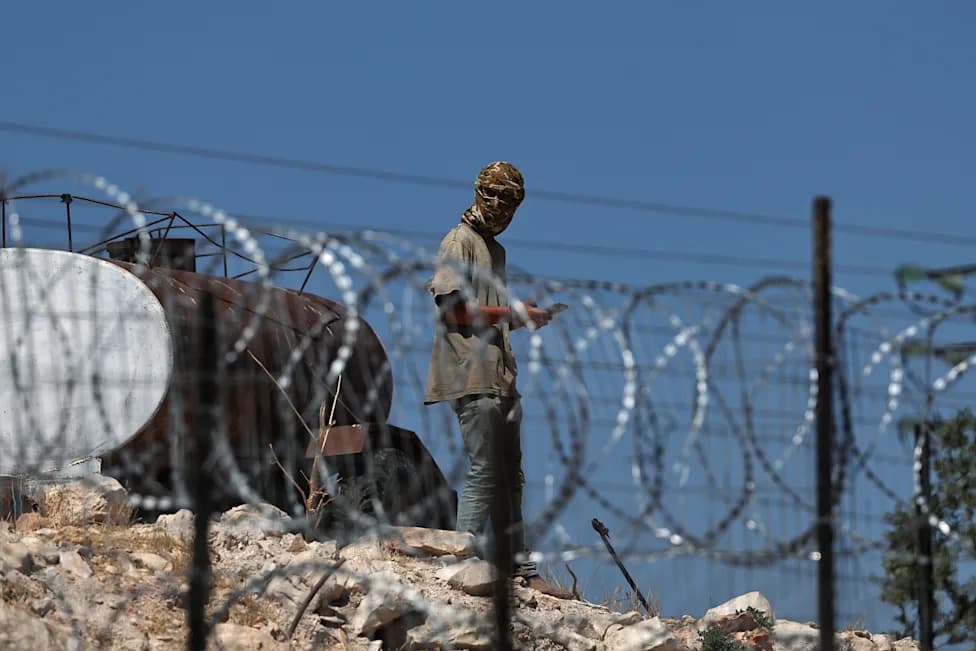
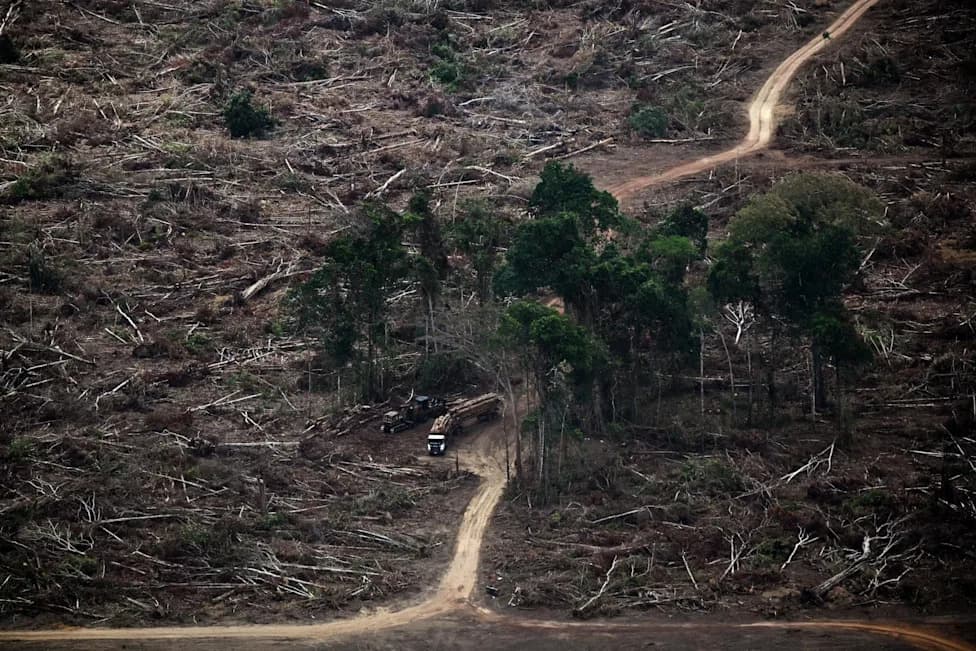
Settler violence and harassment continued across the West Bank, according to field reports. Incidents concentrated in villages such as Burqa (near Ramallah), where settlers attacked residents on September 19 and returned the following day to occupy an agricultural structure — potentially establishing a new outpost. With the olive harvest approaching, settlers were reported to have cut olive trees in Yabad, Nilin and Khirbet Firasin near Jenin, and grazed sheep through olive groves in Masafer Yatta, south of Hebron.
Demolitions and displacement persisted: local reports said Israeli forces razed a community structure in Deir Ballut, west of Salfit, and demolished a two‑storey home in Masafer Yatta that housed eight people (most of them children); settlers prevented the displaced family from erecting a replacement tent. In Tulkarem, occupation forces posted notices seizing land around the Banat Yacoub shrine and other sites under the pretext of archaeological preservation, although the shrine is registered to the Islamic Waqf, Wafa reported.
Gaza: Strikes, Building Collapses and Humanitarian Collapse
Deadly strikes continued in Gaza alongside systemic infrastructure failure. An Israeli drone strike on September 19 killed the eldest son of Gaza's Health Ministry director‑general moments after he stepped out of his displacement tent. That same day, a drone strike on a civilian vehicle in Gaza City's Sheikh Radwan market killed one person and wounded four; rescuers reported the vehicle burned for about half an hour, leaving the body badly burned.
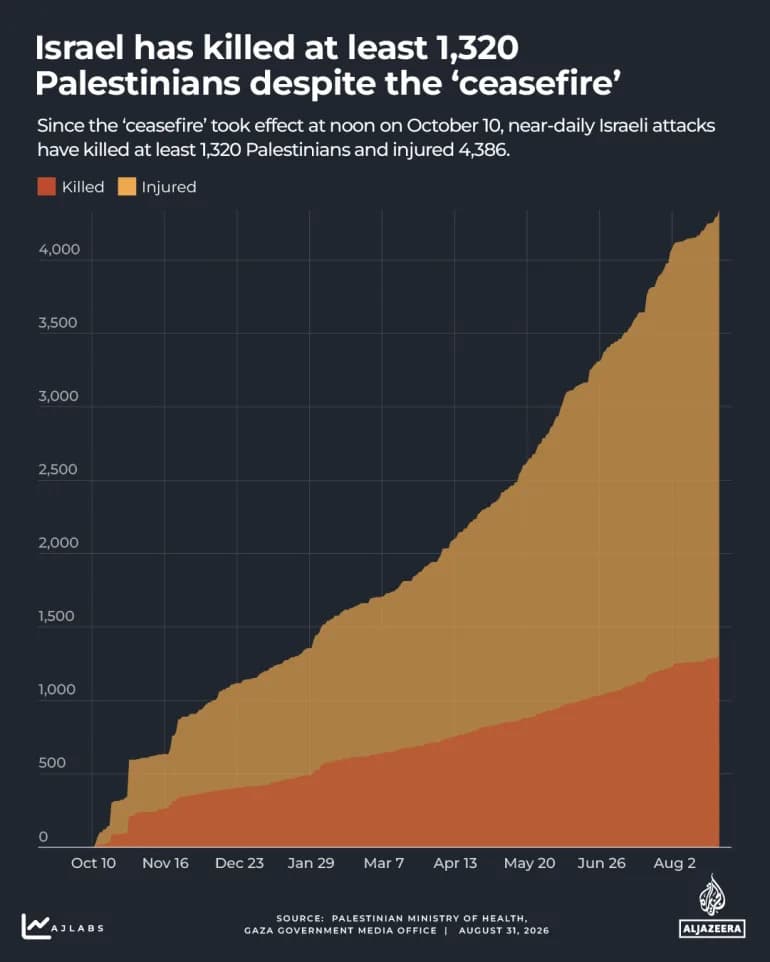
Activists in Gaza reported what they described as a double‑tap strike in which a 15‑year‑old rushed to help a wounded paramedic and was killed. Gaza‑based groups and health authorities have reported roughly one child death per day since an October 2025 ceasefire took effect, while broader casualty figures remain catastrophic: by September 21, 2026, Gaza's Ministry of Health reported 1,394 killed and 4,839 wounded since the 2025 ceasefire, and a cumulative 73,914 killed since October 2023, with thousands still believed buried beneath rubble.
Following several strike‑related failures, a six‑storey building in Gaza City's al‑Sinaa district — already damaged by earlier strikes — collapsed onto residents and displacement tents on September 16, killing 21 people (12 children). Rescue teams, working with limited equipment, searched for nearly 100 people reported under rubble. A second building collapsed in al‑Sabra two days later. Gaza's Ministry of Public Works warned that more than 2,000 damaged buildings across the territory remain at risk of similar collapse.
Health System Strain and Blocked Evacuations
Gaza's health system continues to deteriorate: medical sources cited by Wafa said 70% of hospital generators are out of service for lack of fuel and spare parts, and al‑Ahli Arab Hospital's main generator has failed, taking the only functioning CT scanner in northern Gaza offline. On September 17, Israeli authorities reduced the number of patients and family members allowed to travel to Egypt for treatment from 136 to 61. Gaza's Health Ministry said it accepted only the most critical cases and sent the rest back in protest, calling the decision a "flagrant violation of the right to medical treatment."
What This Means
The convergence of religious‑site incursions, heightened settler violence, punitive state actions and deepening humanitarian collapse in Gaza suggests a likely escalation of tensions going into the autumn. Political gestures — including high‑profile pardons and calls for capital punishment — have amplified polarization. Humanitarian indicators point to an urgent need for protections, unimpeded medical access and measures to prevent further civilian harm.
Help us improve.