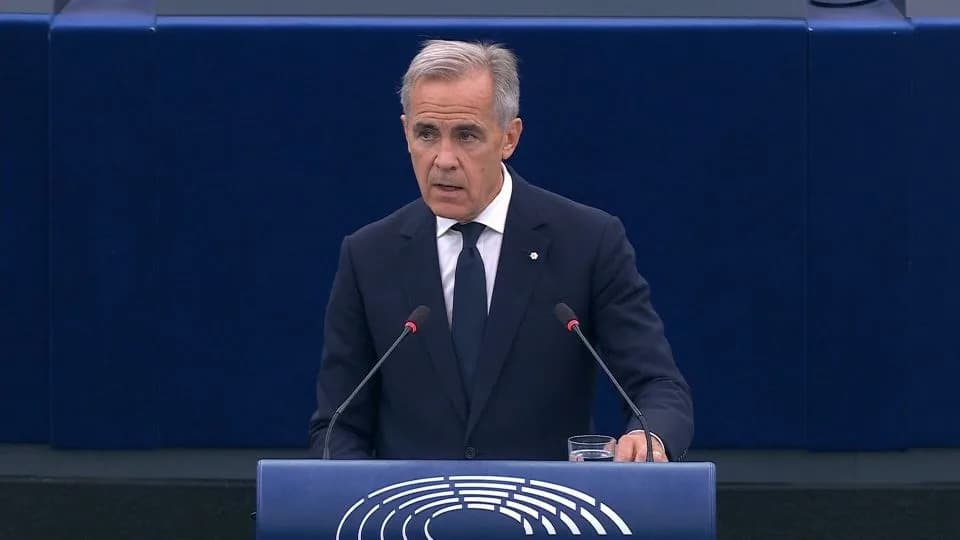
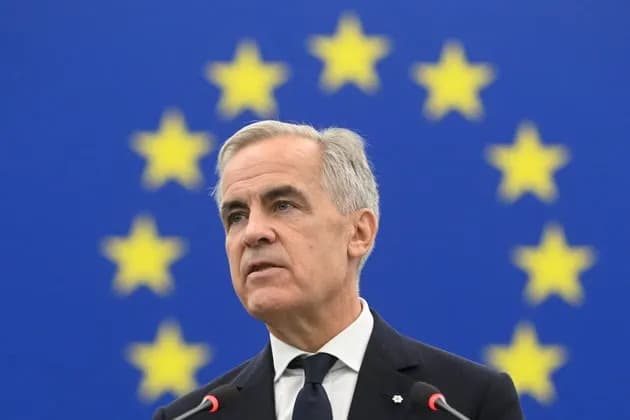
Mark Carney, speaking to the European Parliament, backed deeper strategic ties between Canada and the EU following Ursula von der Leyen’s suggestion of a new "associate membership." He emphasized substance over labels and highlighted cooperation on critical minerals, defence industry capacity, AI and compute, energy security, space and payments. Carney also urged Canadian access to Erasmus and Horizon programmes. The proposal drew a tariff warning from President Trump, which the European Commission called "not against anyone."
Mark Carney Proposes Deeper Canada‑EU Partnership on Defence, Energy and AI
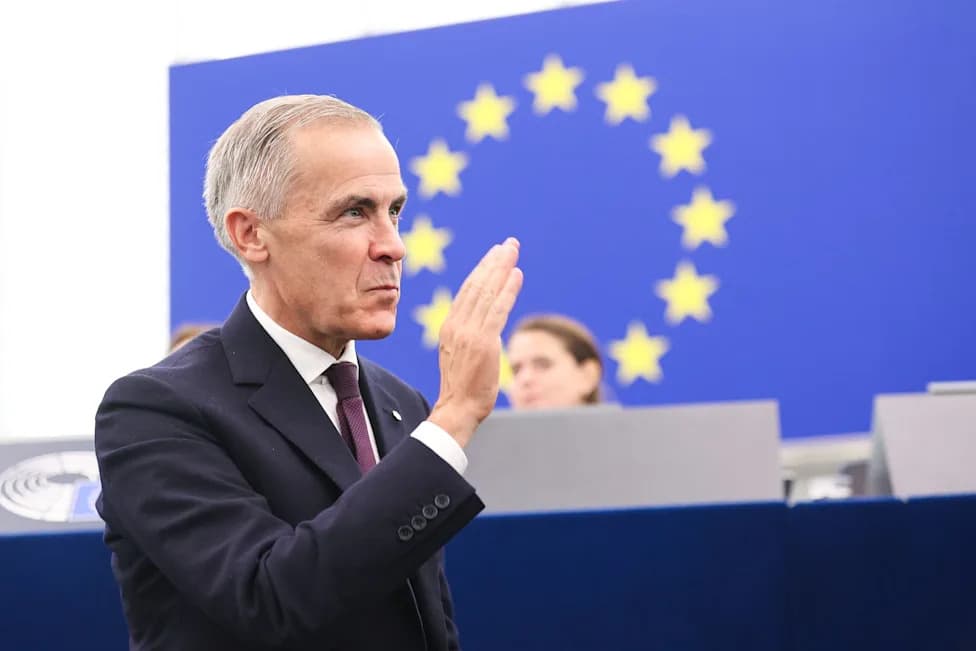
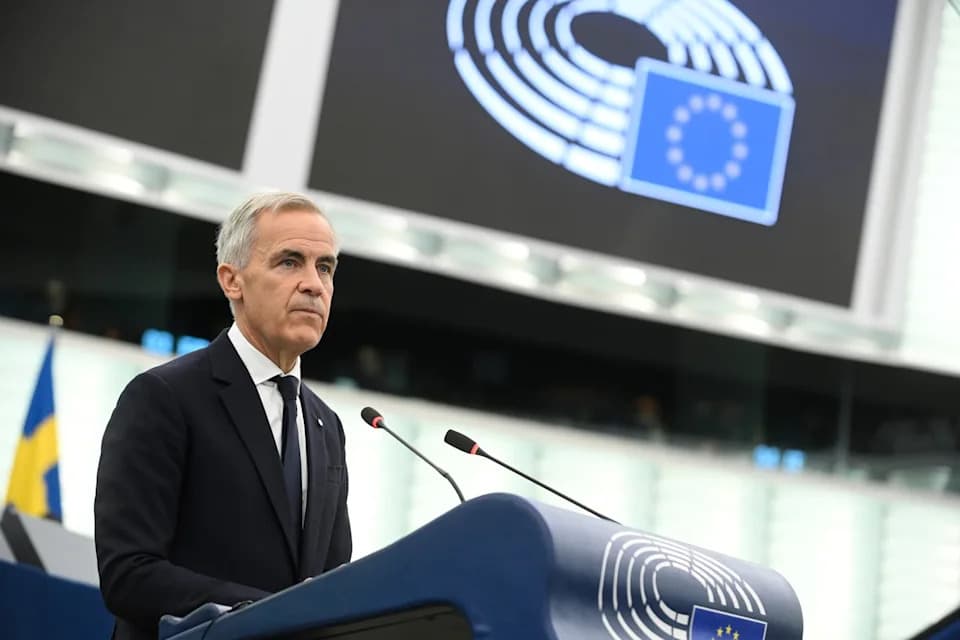
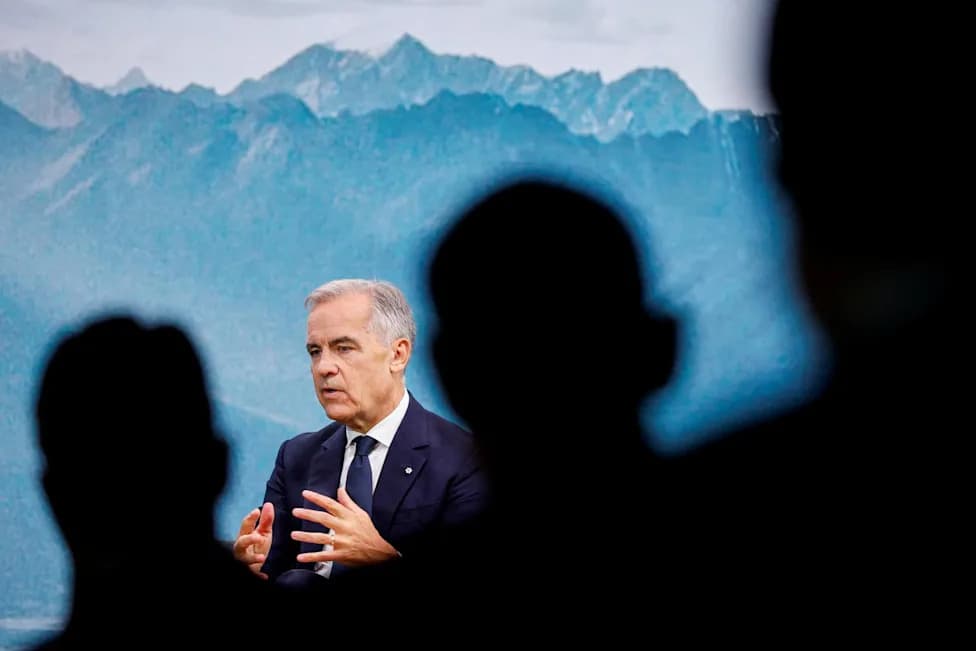
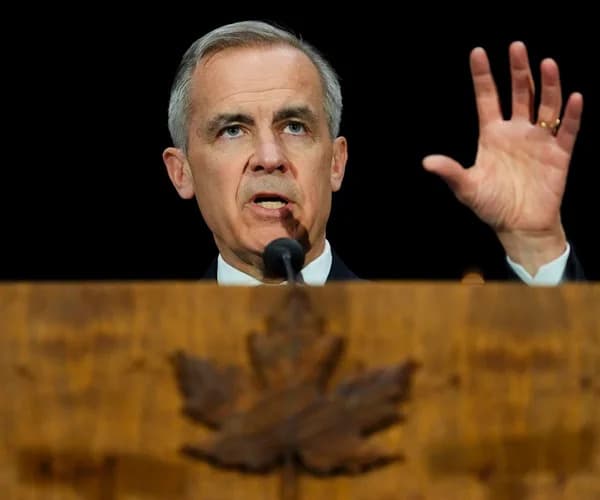
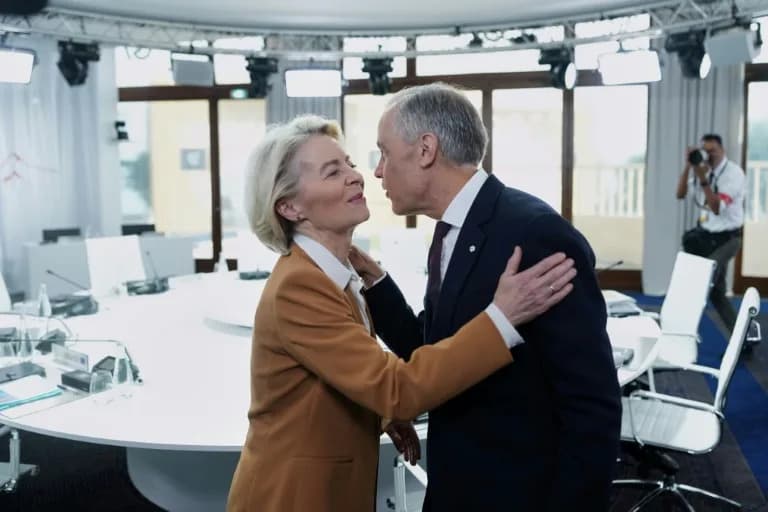
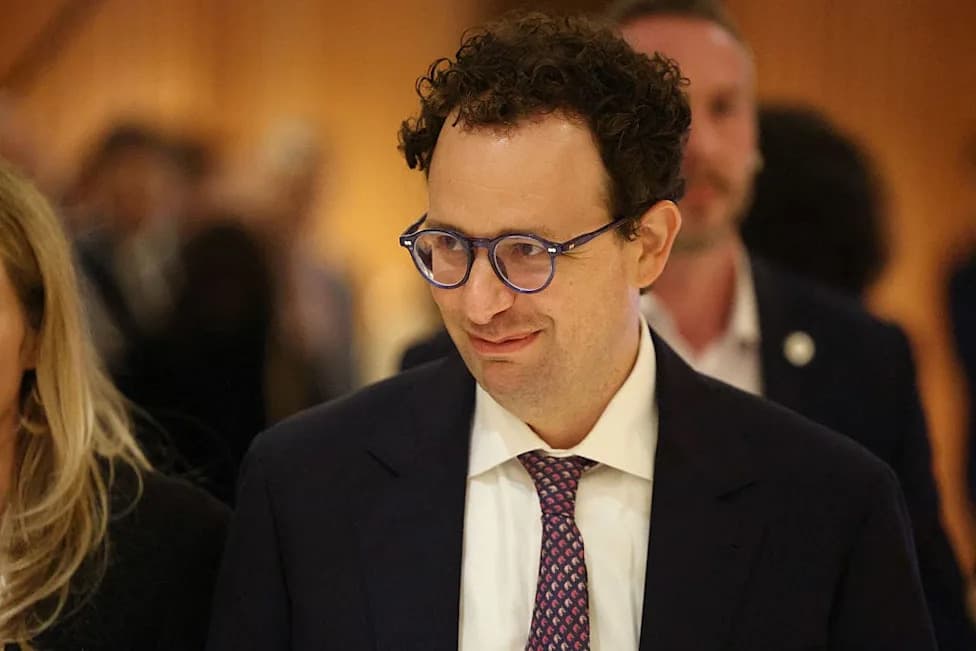
Canadian Prime Minister Mark Carney attends a plenary session at the European Parliament. European Parliament President Roberta Metsola invited Carney to address the European Parliament, making him the first foreign head of government ever invited to do so and attend the State of the European Union address. (is associated with: «Carney urges deeper Canada-EU cooperation on defence, energy and AI») Fred Marvaux/EU Parliament/dpa
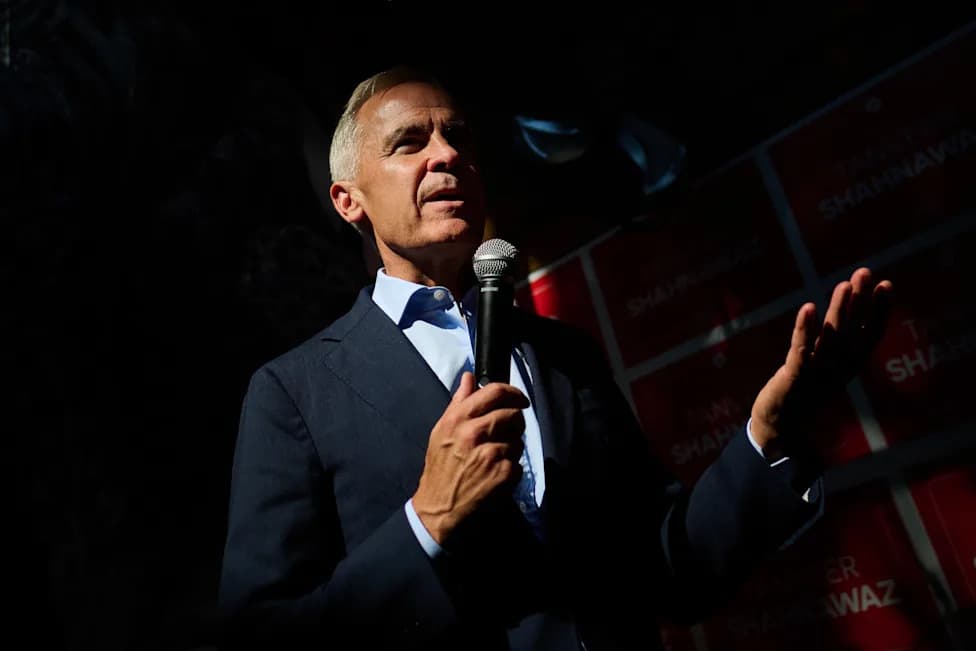
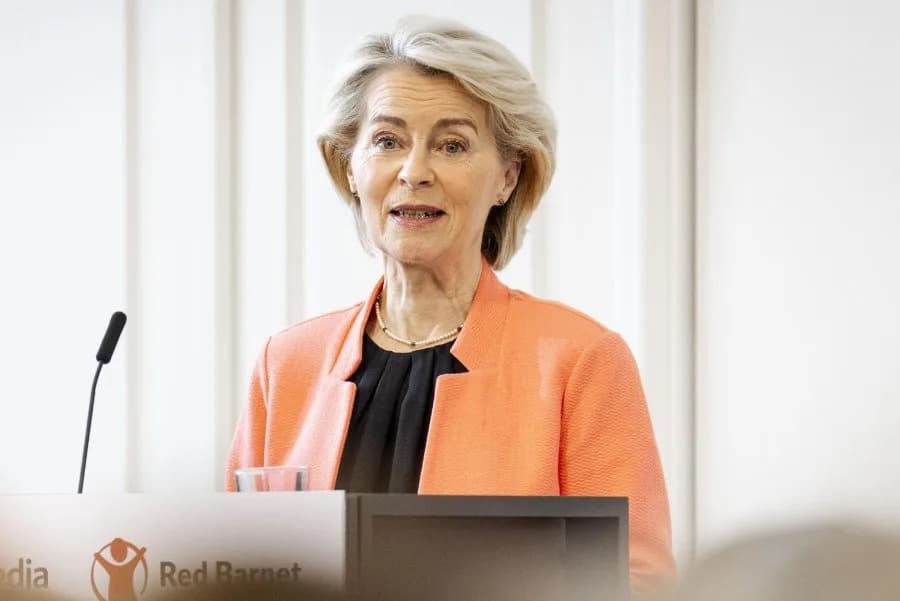
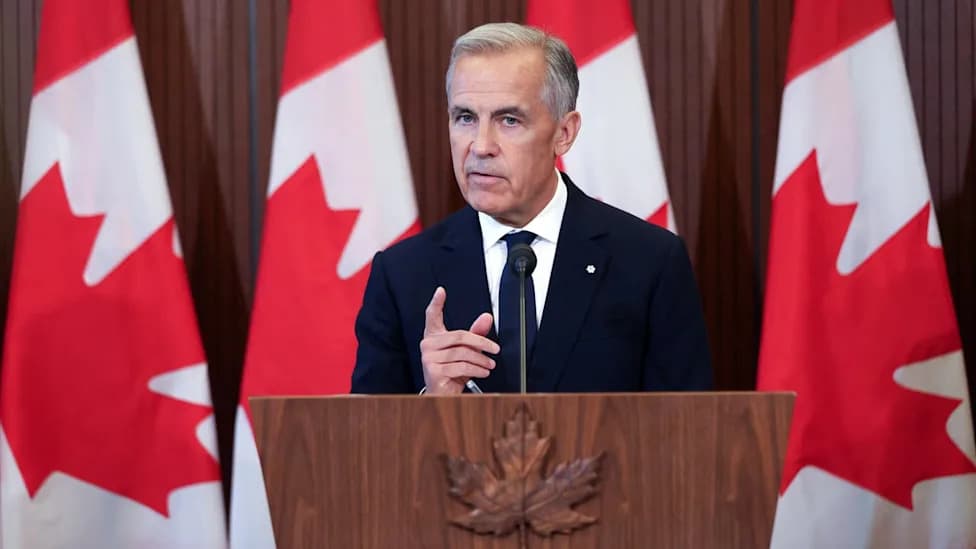
Mark Carney, the former central banker and senior Canadian official, outlined plans for a closer Canada‑EU partnership in a speech to the European Parliament in Strasbourg, speaking a day after European Commission President Ursula von der Leyen proposed exploring a new form of "associate membership" for Canada.
Carney welcomed von der Leyen’s proposal while stressing that the label matters less than the substance of the relationship. "Canada welcomes this ambition," he told MEPs, earning applause from the chamber.
An Alliance For The Future
Describing the idea as "an alliance for the future," Carney said the partnership should be defined collaboratively and grounded in shared values. He urged deep cooperation to strengthen strategic autonomy across a wide range of capabilities, explicitly naming critical minerals, defence industrial capacity, artificial intelligence and compute, energy security, space and payments infrastructure.
Carney also said an enhanced relationship should give Canada access to the EU’s student exchange programme Erasmus and its research funding framework Horizon, measures he argued would deepen people‑to‑people ties and scientific collaboration.
Reactions From Washington And Brussels
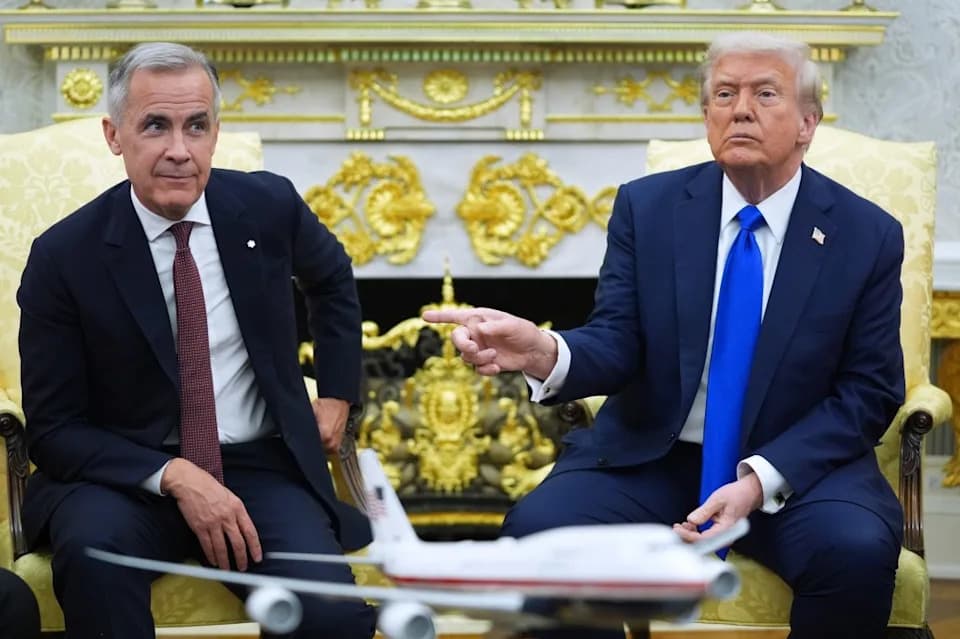
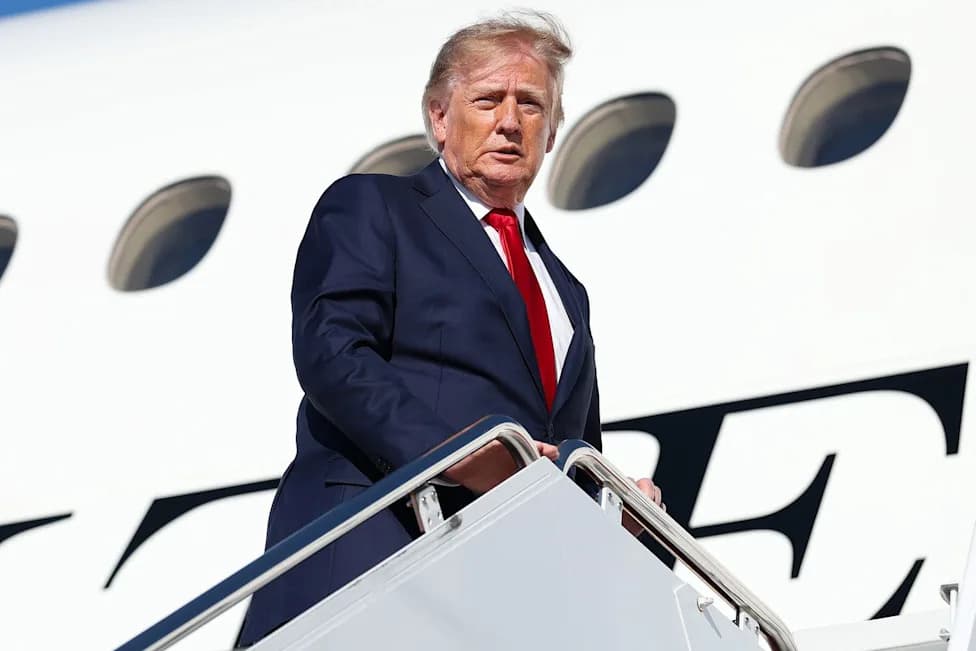
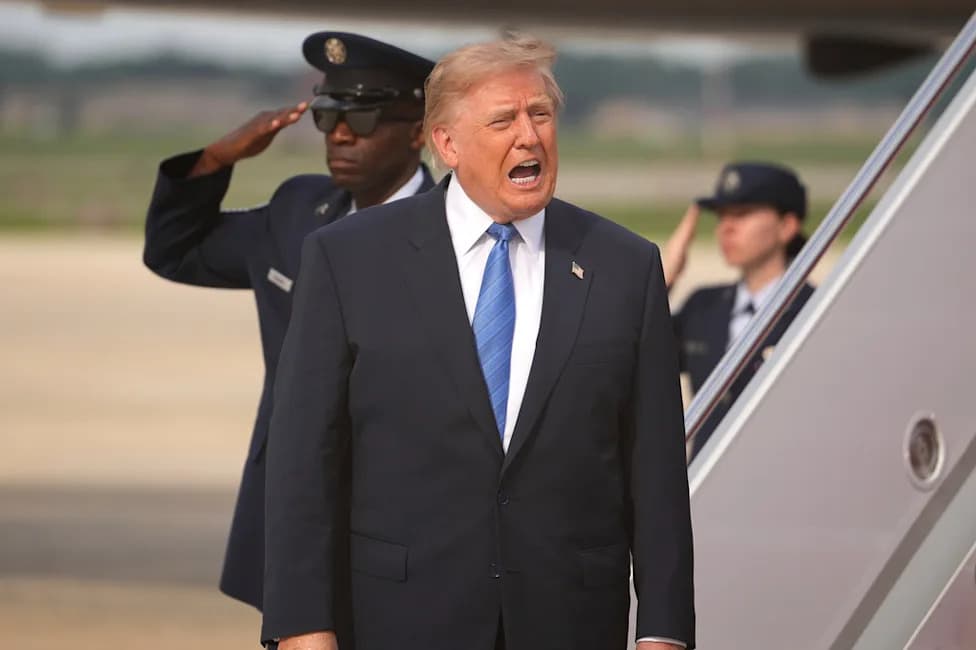
The proposal prompted an immediate reaction from Washington. On Wednesday, U.S. President Donald Trump warned he could impose further tariffs on the European Union if Brussels allowed Canada to take on an associate status, calling such a move potentially a "hostile act."
The European Commission pushed back, saying the proposed closer ties with Canada were intended to strengthen mutual resilience and were "not against anyone." A Commission spokesman said the initiative was about building common strength rather than targeting third parties.
Not A Rival Bloc
Carney was careful to reject the idea that this was meant to create a competing power bloc. "We are not proposing a third bloc in order to become a great‑power rival only with better manners," he said, adding that the aim was resilience: to prevent any actor from dominating open markets, undermining sovereignty, threatening territorial integrity, or eroding democratic freedoms and the rule of law.
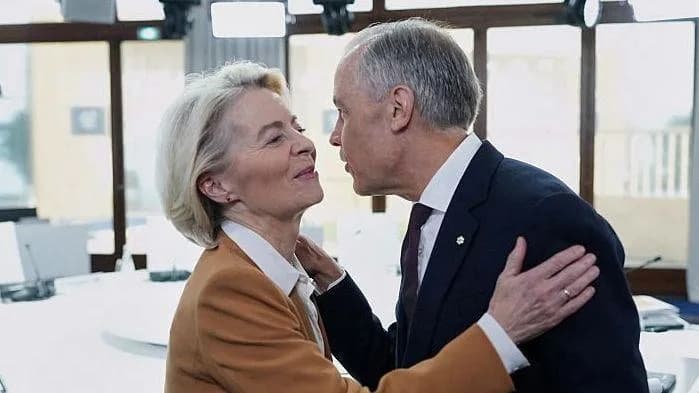
The proposed "associate" status does not currently exist in EU law, von der Leyen acknowledged, but she and Carney signalled they were ready to explore a tailored arrangement covering industrial and strategic cooperation.
Carney framed the push as part of a broader effort to diversify and deepen Canada’s international partnerships. He has sought stronger ties with the EU — Canada’s second‑largest trading partner — against the backdrop of strained relations with the United States, Ottawa’s largest economic partner, under the Trump administration.
Help us improve.