The latest planetary health assessment finds seven of nine "planetary boundaries" are breached at record levels, driven by pollution, habitat loss and greenhouse gas emissions. Natural buffers such as forests and oceans are weakening and could reach tipping points, including a possible Amazon shift to savannah. Released at the start of Climate Week in New York by scientists associated with the Potsdam Institute, the report urges accelerated global action to restore a safe operating space for humanity.
Seven of Nine Planetary Boundaries Breached at Record Levels, Scientists Warn
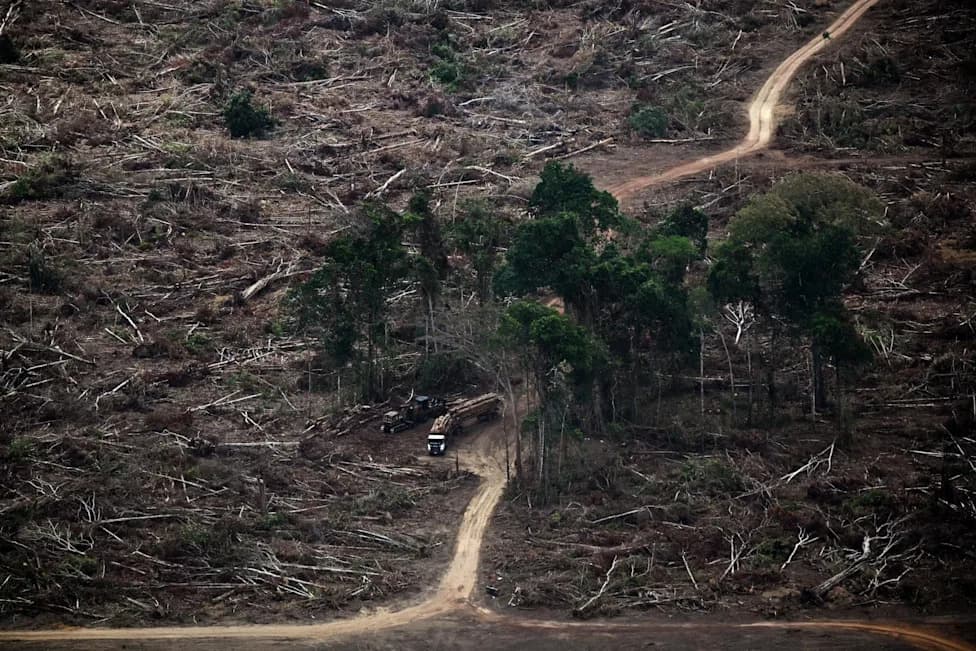
Trucks carry wood from a deforested area in Para state, Brazil, during the Cop30 UN climate change conference in November 2025,.Photograph: Mauro Pimentel/AFP/Getty Images
Scientists say the Earth’s life-support systems have deteriorated to their worst-recorded conditions, driven by unchecked pollution, habitat destruction and rising greenhouse gas emissions. A coalition of roughly 60 researchers reporting through the Potsdam Institute for Climate Impact Research finds seven of nine defined "planetary boundaries" are now crossed at their highest recorded levels.
Key Findings
The review — a regular global "planetary health check" first established in 2009 — identifies seven boundaries in the danger zone:
- Climate Change
- Biosphere Integrity (Biodiversity Loss)
- Land-System Change
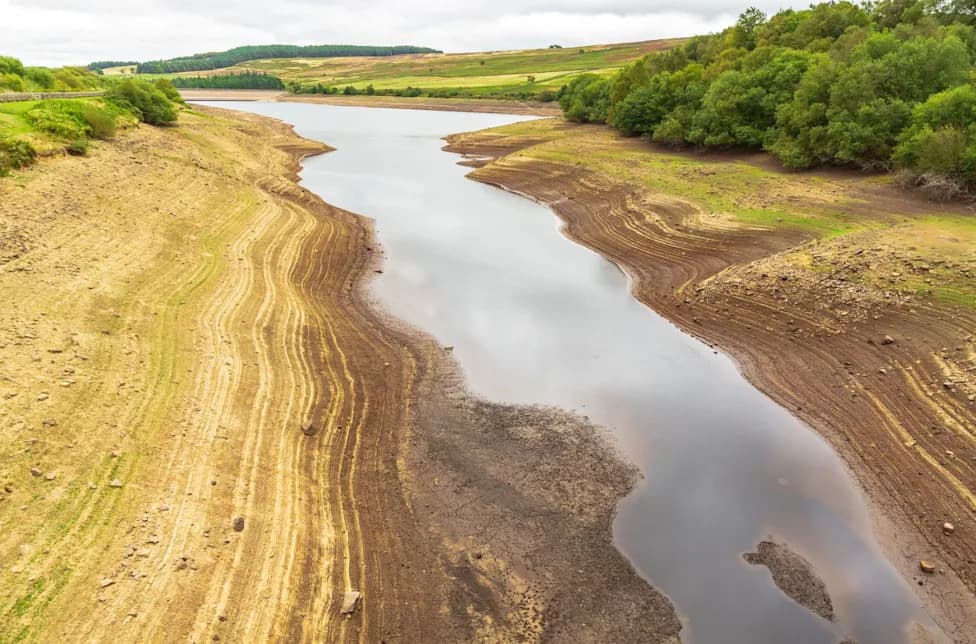
- Freshwater Change
- Disruption of Biogeochemical Flows (Nitrogen and Phosphorus)
- Introduction of Novel Entities (Plastics, Synthetic Chemicals)
- Ocean Acidification (first recorded as breached last year)
Only two areas — stratospheric ozone depletion and atmospheric aerosol loading — show improvement over the past decade, although aerosols remain a regional health and pollution concern.
Why It Matters
These planetary boundaries are thresholds that help define a safe operating space for human societies. Crossing them increases the risk of large-scale, persistent and potentially irreversible environmental changes that threaten food, water and health security worldwide. The report cautions that natural carbon sinks such as forests and oceans are weakening and may not be able to buffer accelerating climate impacts as they have in the past.
'The diagnosis is unambiguous — pressure is rising across every planetary boundary already outside the safe operating space,' said Boris Sakschewski, the report's lead author. 'The risk of large-scale, persistent and potentially irreversible change is increasing, while our margin for error in tackling these problems is shrinking.'
The authors highlight the Amazon as a stark example: continued deforestation and drying could push the rainforest past a tipping point toward savannah, with serious global consequences for climate stability, food and water security, and human health.
Real-World Signals
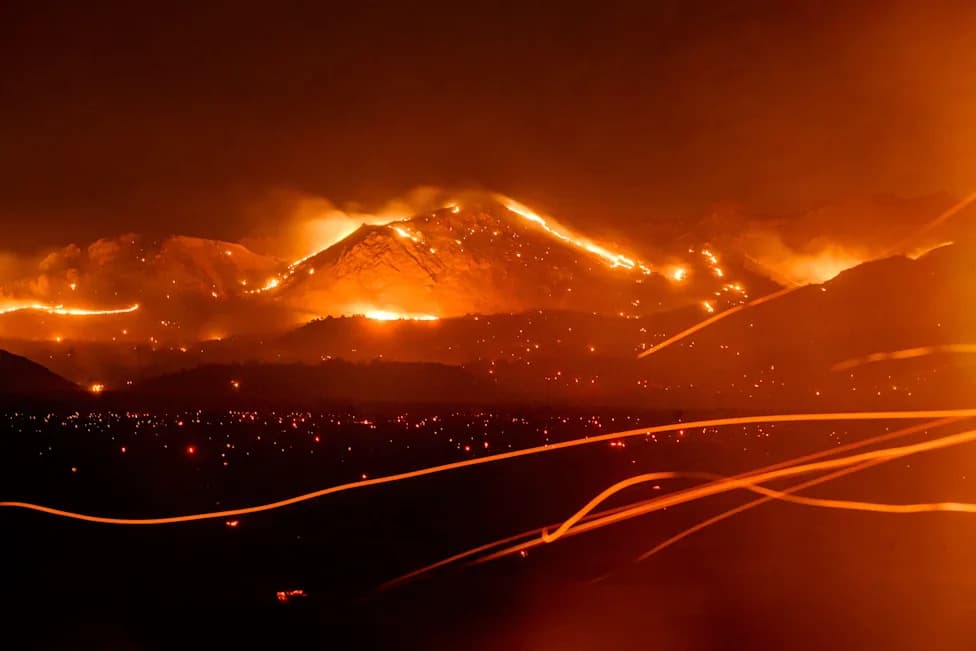
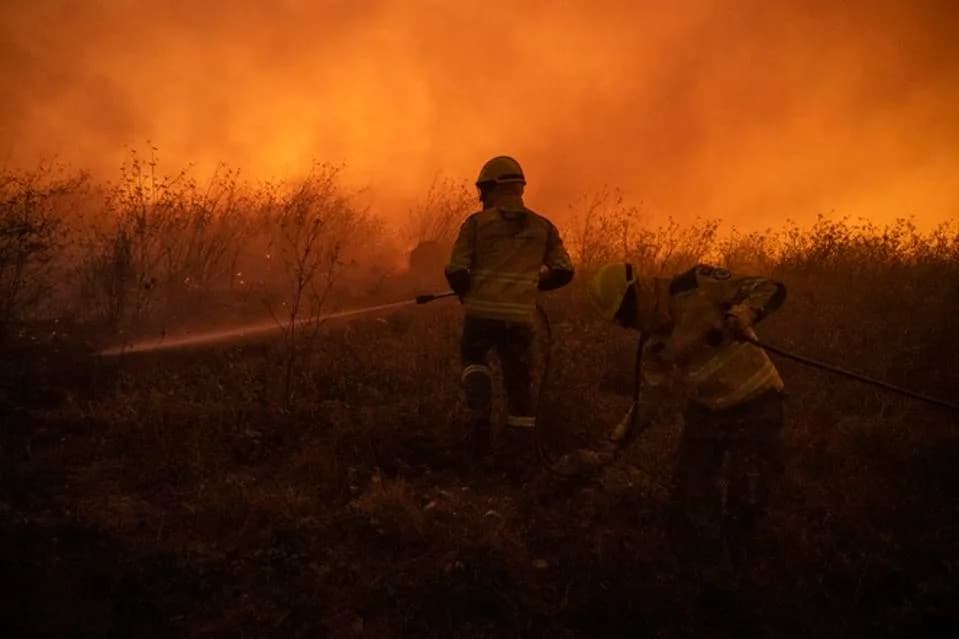
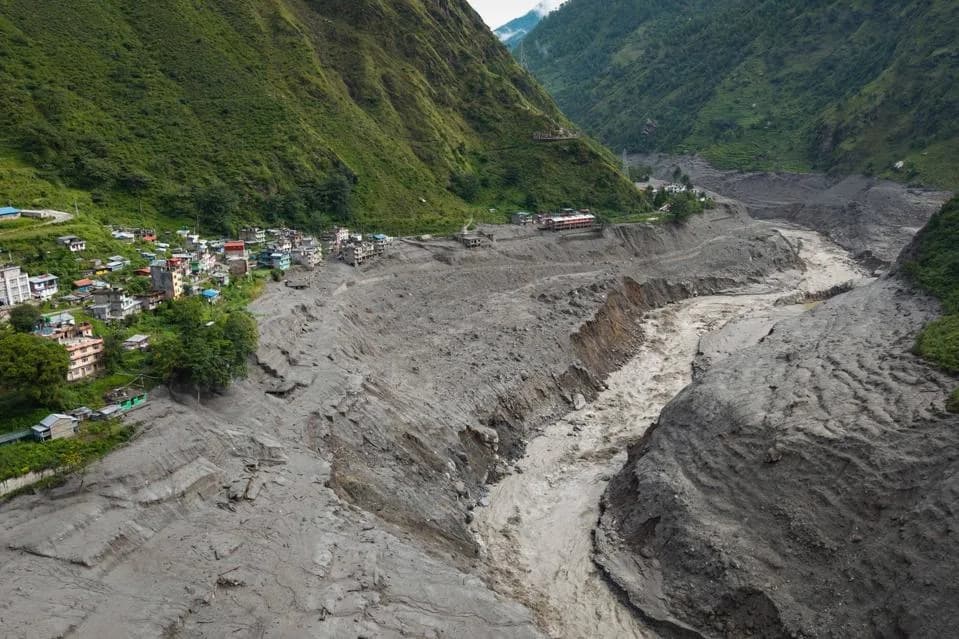
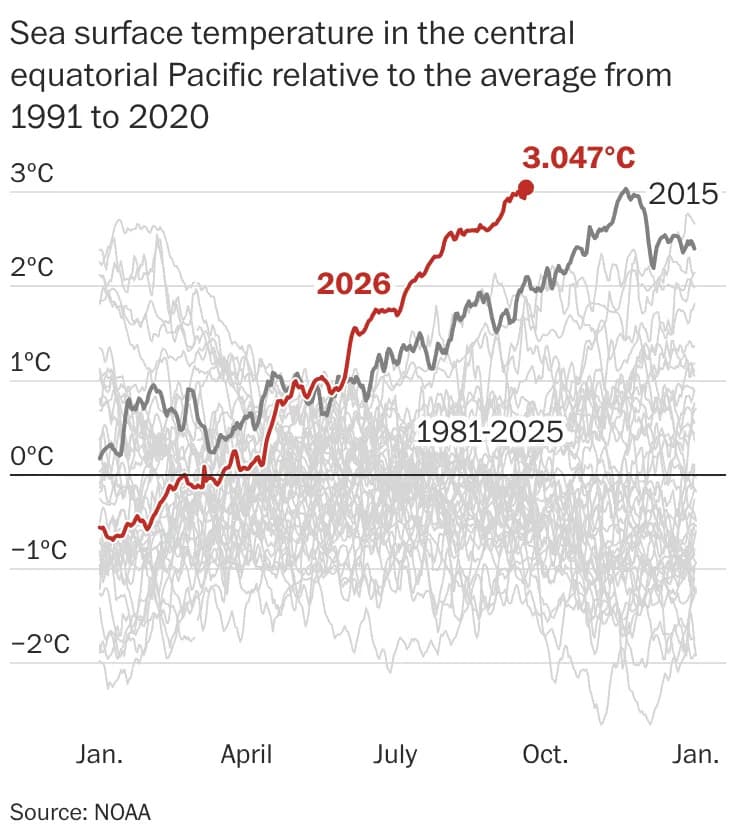
The assessment follows a year of extreme events scientists link to these systemic pressures: catastrophic floods in Pakistan; record heatwaves and wildfires across Europe; the hottest summer on record in the United States; a devastating flood on the Tibet-Nepal border; and new ocean temperature records as seas absorb excess heat.
'These are not separate emergencies; the planet is telling us, in every region at once, that it is out of balance,' said Hindou Oumarou Ibrahim, chair of Planetary Guardians.
Political Moment and Response
The report was released at the start of Climate Week in New York, which convenes policymakers, business leaders and campaigners ahead of the UN General Assembly. Members of the Planetary Guardians — including Mary Robinson, Juan Manuel Santos and Sylvia Earle — attended the launch to amplify the findings.
Co-author Johan Rockström emphasized that solutions exist: accelerating action to bring conditions back within the safe operating space is both feasible and essential to protect lives, livelihoods and shared prosperity.
What Needs To Happen
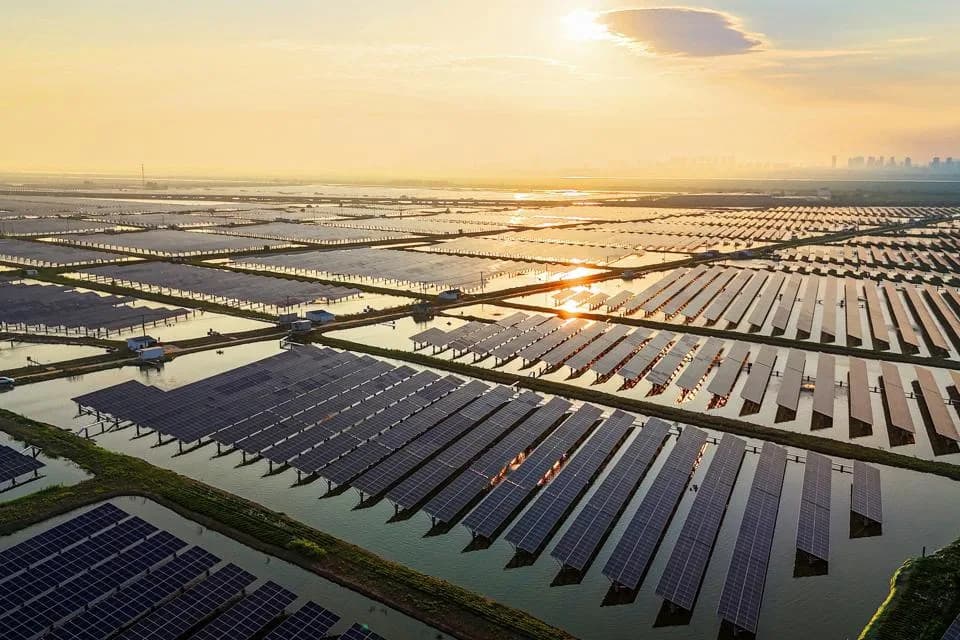
- Rapid, deep cuts in greenhouse gas emissions and a swift transition from fossil fuels.
- Protection and restoration of forests, wetlands and oceans that store carbon and support biodiversity.
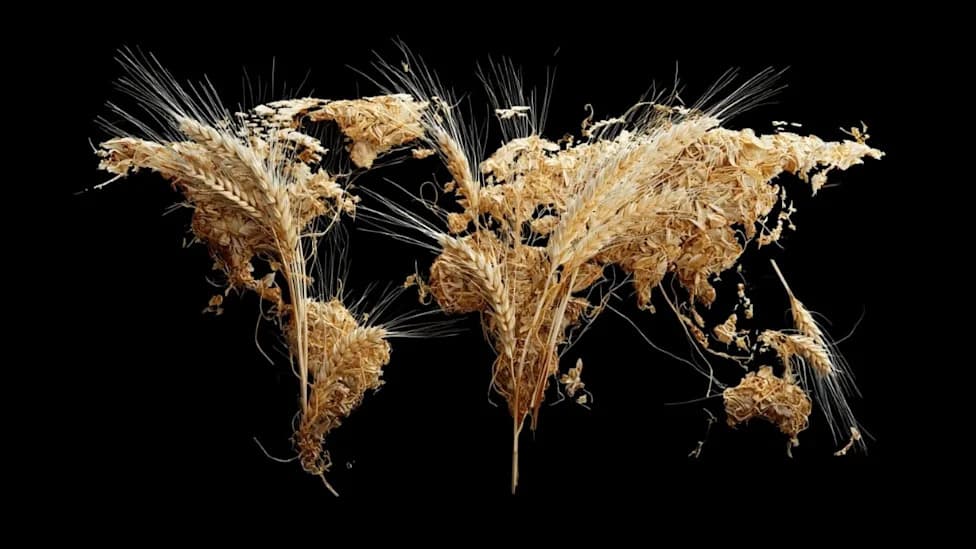
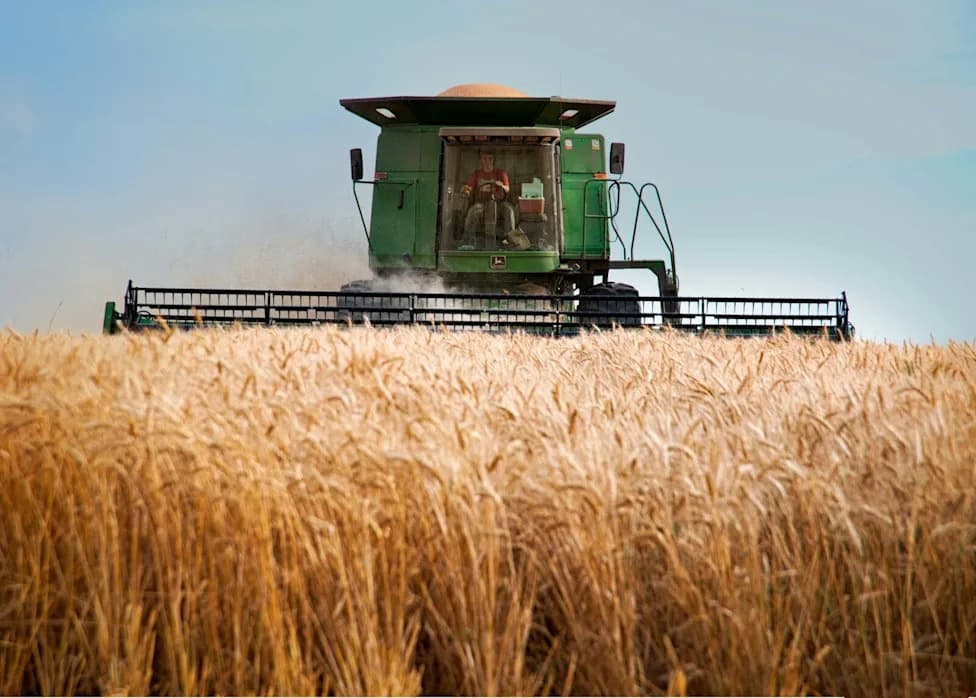
- Reduction of plastic and chemical pollution and tighter management of nitrogen and phosphorus flows in agriculture.
- Investment in resilient water systems and policies that safeguard vulnerable communities.
The report underscores that while the window to avoid the most dangerous outcomes is closing, the knowledge and tools to act are available — but they must be deployed urgently and at scale.
Help us improve.