Canada is moving to deepen economic and security ties with the European Union to reduce reliance on an increasingly hostile United States. This week the Canadian leader will attend the "State of the European Union" address in Strasbourg and speak to the European Parliament, then host an EU‑Canada summit in Montreal next month to pursue a stronger partnership. Officials stress cooperation on defence procurement, climate and digital trade, but legal, geographic and trade realities make full EU membership unlikely.
Canada Pushes for Unprecedented EU Partnership to Reduce Dependence on a Hostile U.S.

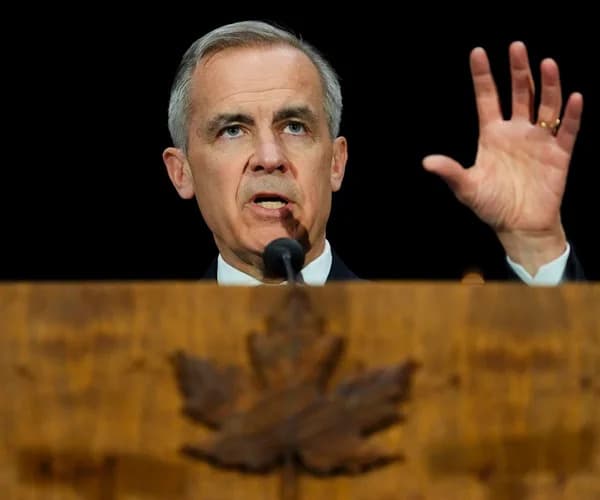
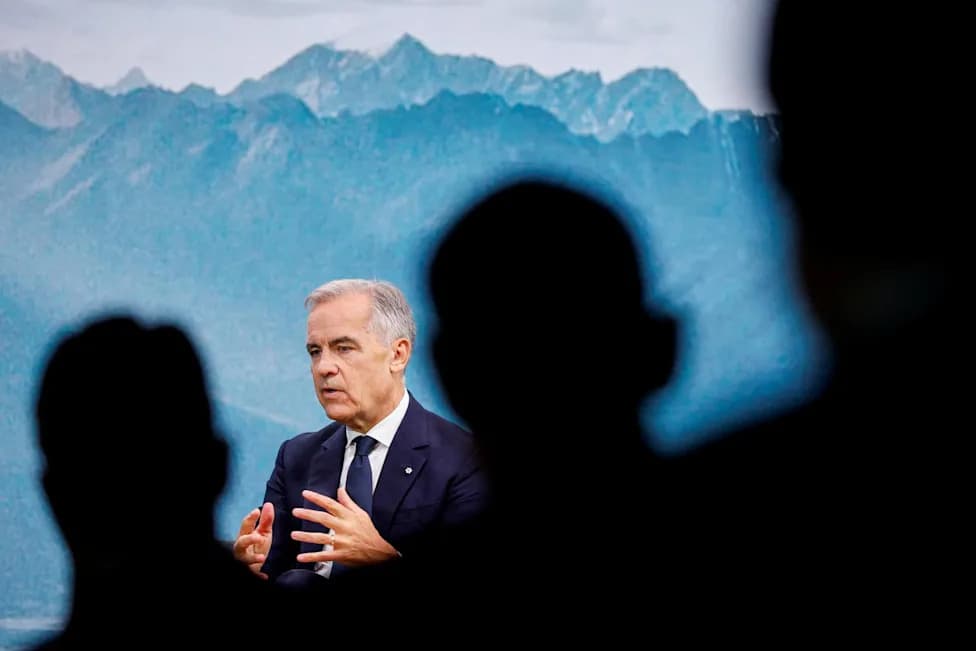
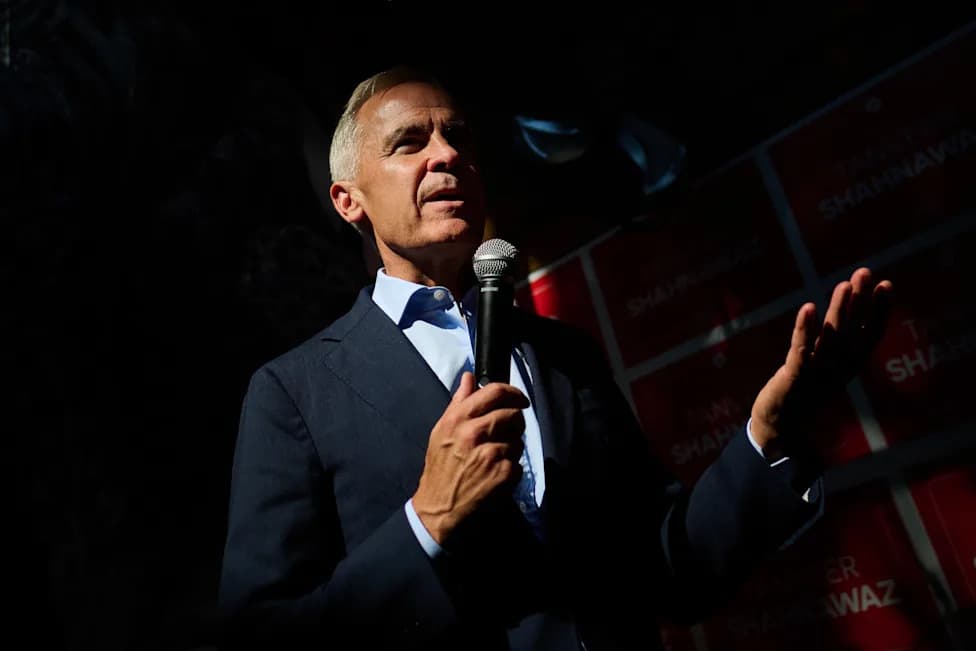
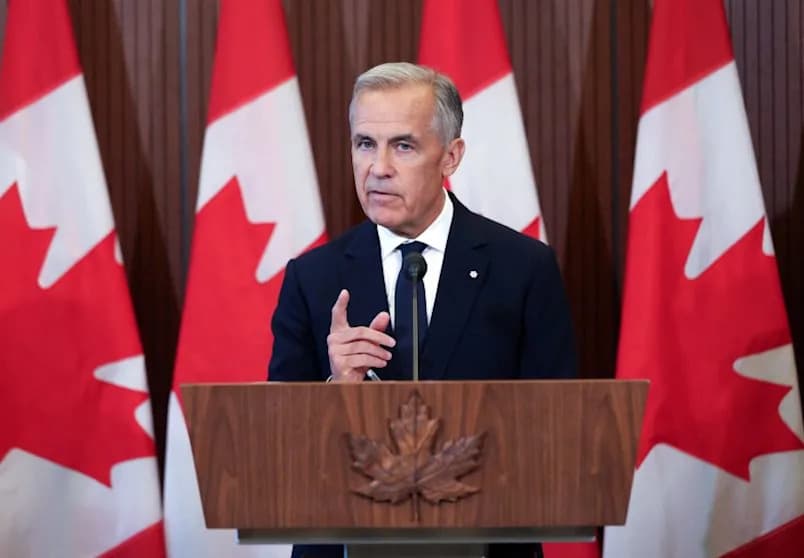
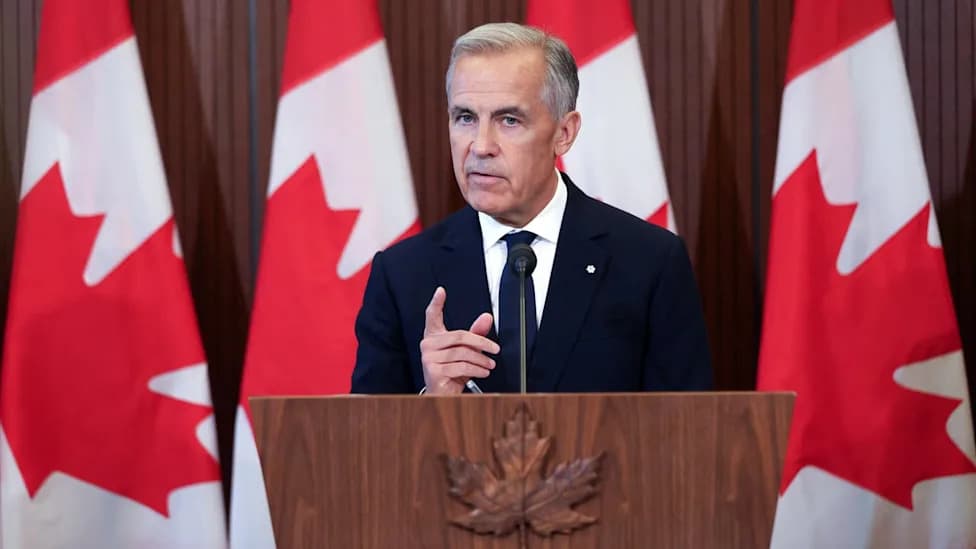
Canada's Prime Minister Mark Carney will be the first head of government to attend the State of European Union address, to be delivered next week by by European Commission President Ursula von der Leyen (Thibault Camus)
Note: The original article named Mark Carney as Canada’s prime minister. That appears to be a factual error. This revised article avoids repeating that misattribution and focuses on the diplomatic developments described.
Canada is pursuing a closer, unusually ambitious relationship with the European Union as it seeks to reduce economic and strategic dependence on a United States it describes as increasingly hostile. This week, Canada's leader travels to Strasbourg to participate in the "State of the European Union" address and will deliver remarks to the European Parliament, before stopping in Liverpool for talks with senior British officials.
Deepening Ties With the EU
Officials say the visit is symbolic of a larger push to broaden Canada’s international partnerships. Tobias Cremer, a German member of the European Parliament who sponsored a March resolution urging deeper EU-Canada cooperation, described the trip as "a tremendous symbol," noting that Canada can supply resources—such as energy, rare earths and raw minerals—that Europe currently lacks.
Canada has been particularly affected by the trade friction with the United States, owing to its close economic integration with its southern neighbour. Ottawa is therefore urgently seeking to diversify its trade and security relationships with like-minded partners.
Concrete Steps Toward Cooperation
Recent moves have already brought Canada closer to EU institutions: Canada became the first non-EU country to join the bloc’s defence procurement programme, and cultural and diplomatic exchanges have expanded. An EU-Canada summit scheduled next month in Montreal is expected to open discussions on forging "a much stronger and deeper economic and security partnership."
Spanish MEP Javier Moreno Sanchez, who leads the parliamentary delegation for relations with Canada, highlighted strong alignment on climate policy and artificial intelligence, and confirmed that negotiators are working on a digital trade agreement intended to build on the Comprehensive Economic and Trade Agreement (CETA). Sanchez noted that small and medium-sized enterprises have yet to fully exploit CETA’s benefits.
Full EU Membership Remains Unlikely
Public interest in closer ties is notable: an April poll found 57 percent of Canadians supported EU membership. But legal and geographic hurdles make full accession improbable. Article 49 of the EU treaty allows a "European state" that upholds core democratic values to apply for membership, but the treaty does not define "European state," and past cases—such as Morocco in 1987—have been denied on geographical grounds.
Ignacio Garcia Bercero, an analyst at the Brussels think tank Bruegel, described full Canadian membership as unrealistic. MEPs point out that very close relationships short of membership—similar to arrangements with Iceland or Switzerland—are feasible and may be the practical route forward.
Practical Limits and Strategic Benefits
Practical trade realities will limit how much Europe can replace the United States as Canada’s primary market: in July, roughly 70 percent of Canadian exports went to the U.S., compared with about 5 percent to the EU. Transport costs also make transatlantic trade more expensive than trade across land borders.
Still, European lawmakers and Canadian officials say the closer and more structured the cooperation, the better it will be for both sides—strengthening supply chains, diversifying energy and mineral sources, and coordinating on climate, technology and defence.
Bottom Line: While formal EU accession for Canada appears unlikely, Ottawa and Brussels are negotiating an unprecedented strategic and economic partnership that could reshape transatlantic ties and reduce Canada’s exposure to U.S. trade pressures.
Help us improve.