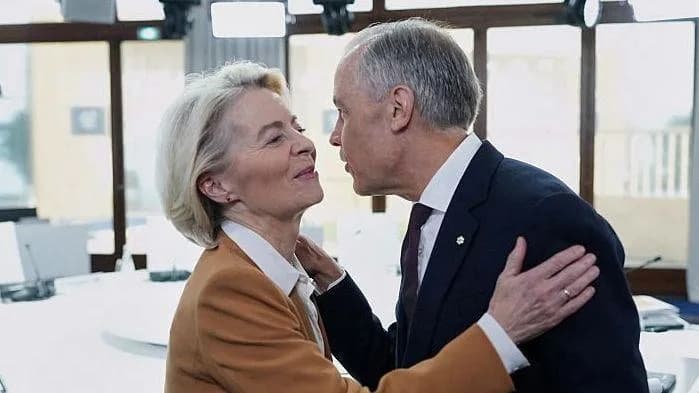
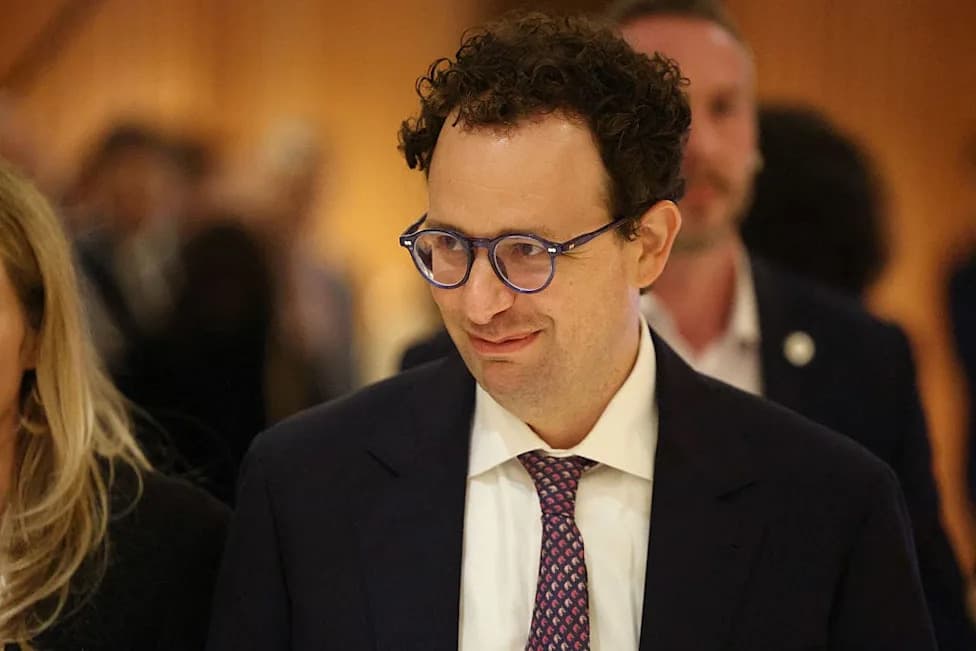
European Commission President Ursula von der Leyen proposed that Canada become the EU's first "associate member," advocating a deeper political and economic partnership beyond the 2016 CETA trade deal. Speaking in Strasbourg with Canadian Prime Minister Justin Trudeau present, she framed the move as driven by shared values on AI, climate policy and democratic cooperation. Practical steps under discussion reportedly include Ottawa's participation in Erasmus+ and access to Horizon Europe funding, along with mutual recognition of professional qualifications.
EU Proposes Canada As First "Associate Member" — Von der Leyen Calls For an "Alliance for the Future"
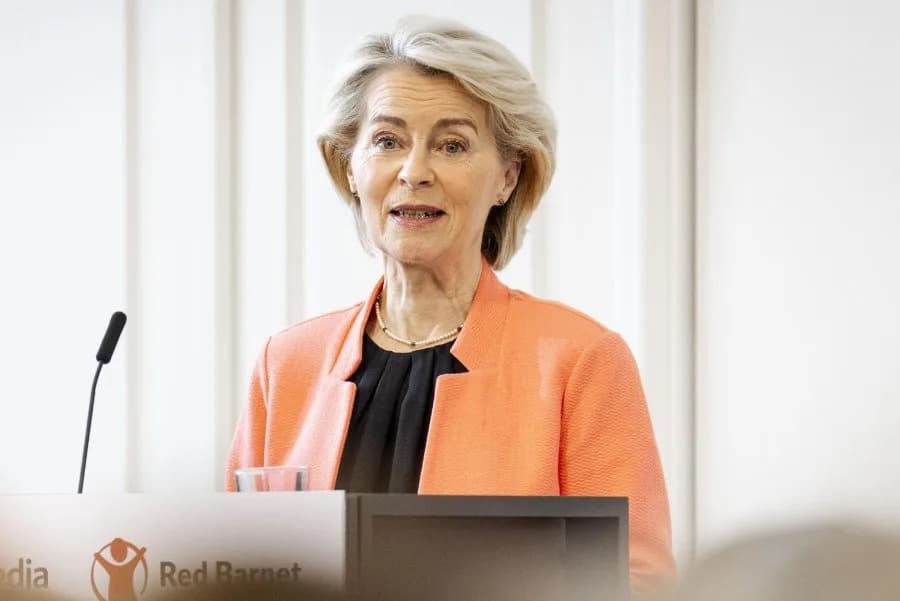
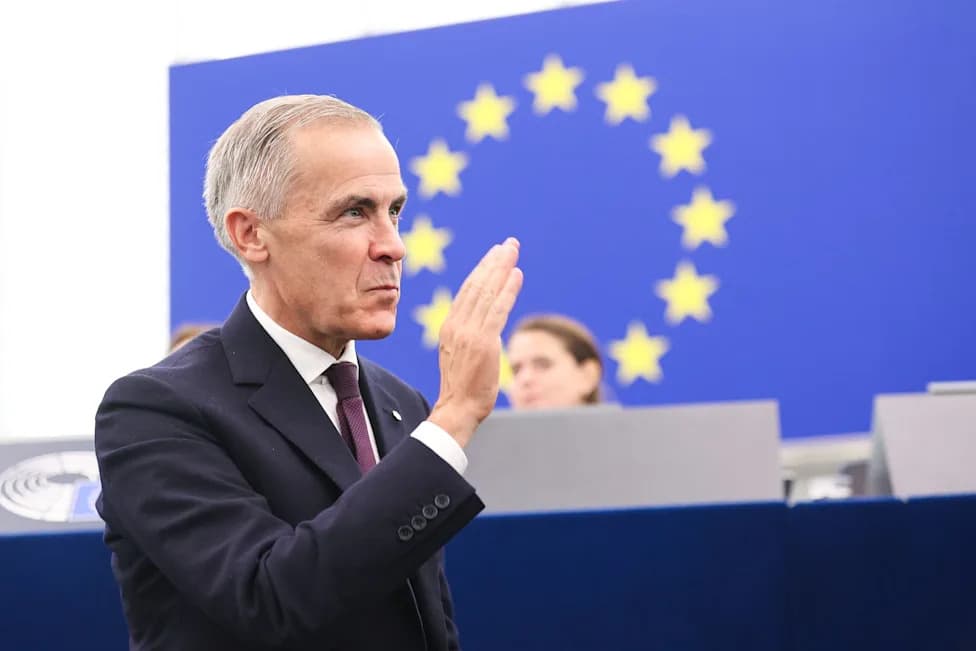
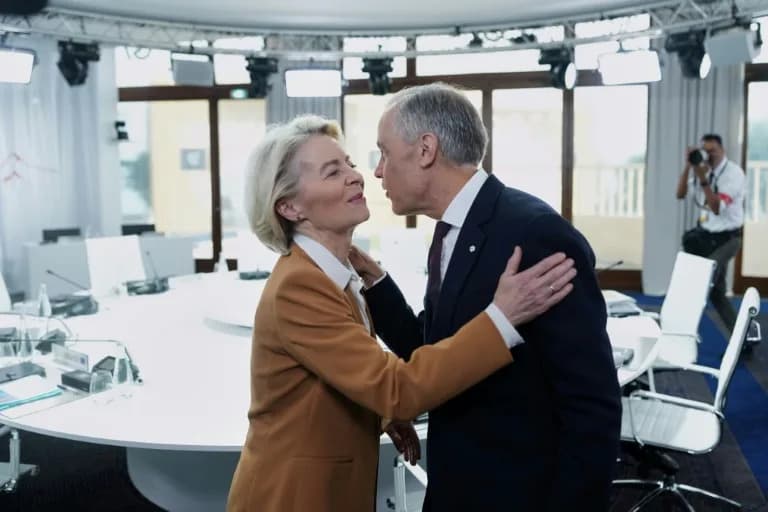
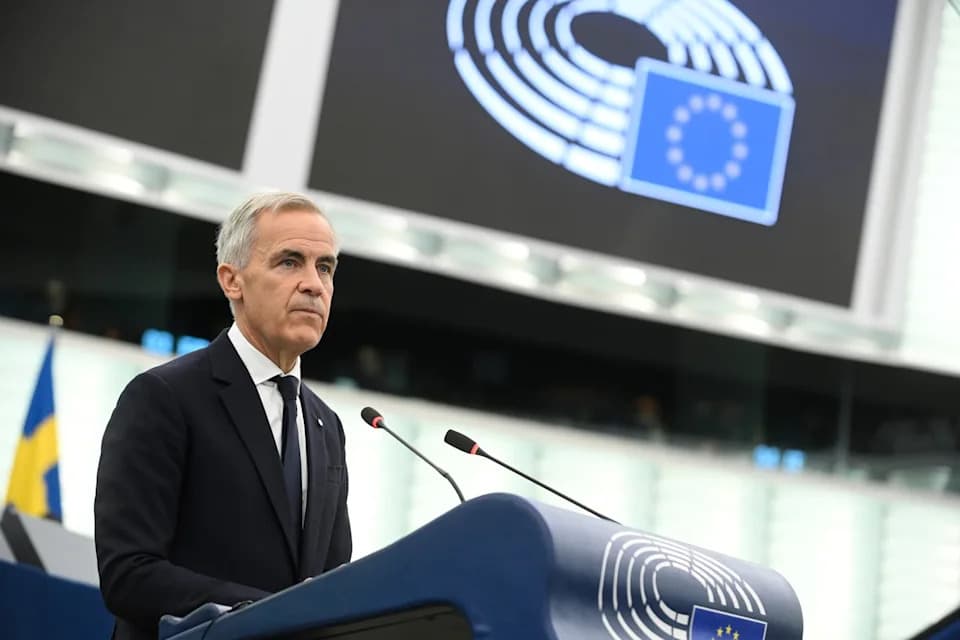
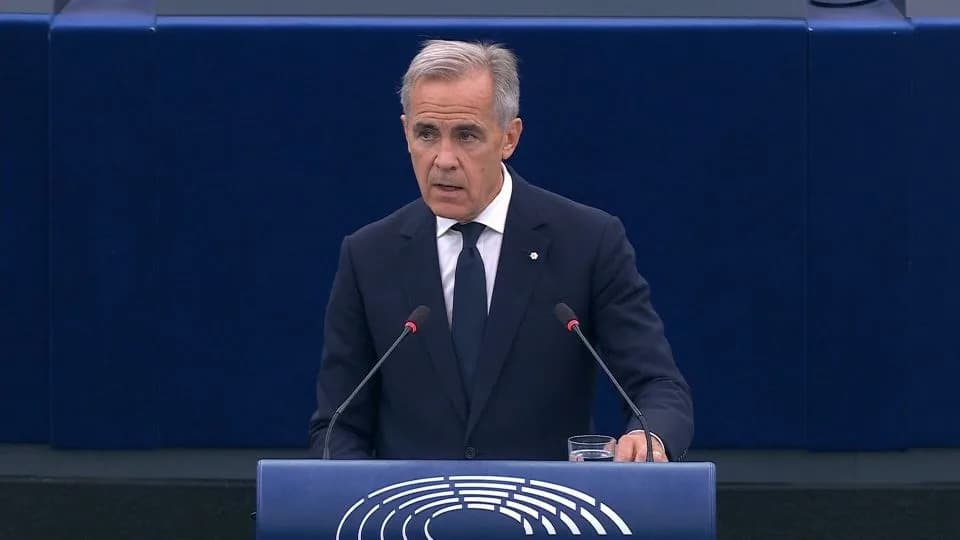
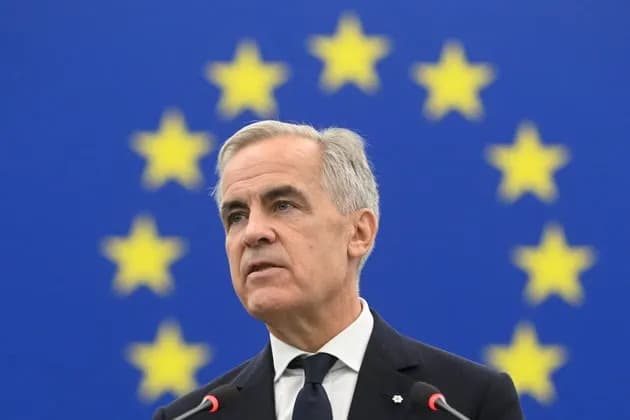
European Commission President Ursula von der Leyen extended the offer of "associate membership" of the European Union to Canada on Wednesday in a landmark speech to lawmakers in the Euopean Parliament in Strasbourg, France. File photo by Ida Marie Odgaard/EPA
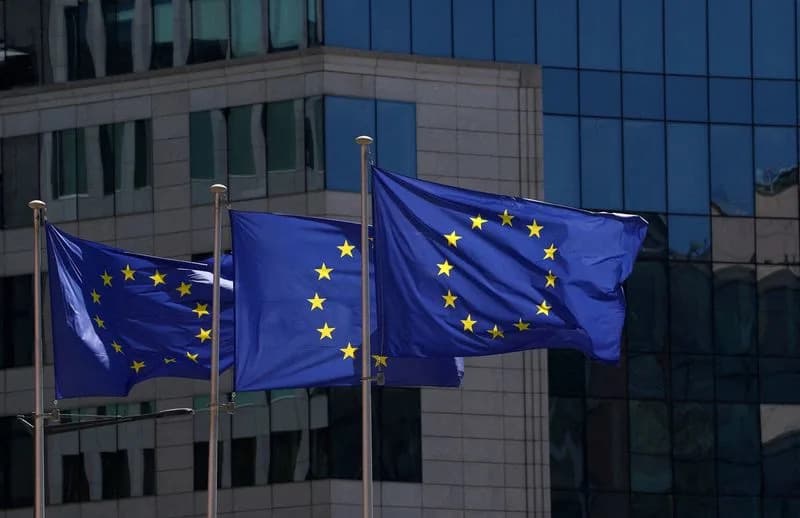
Sept. 16 (UPI) — European Commission President Ursula von der Leyen told lawmakers from the European Union's 27 member states that she wants Canada to become the bloc's first "associate member," proposing a closer political and economic partnership that could, in time, open the door to a new form of membership.
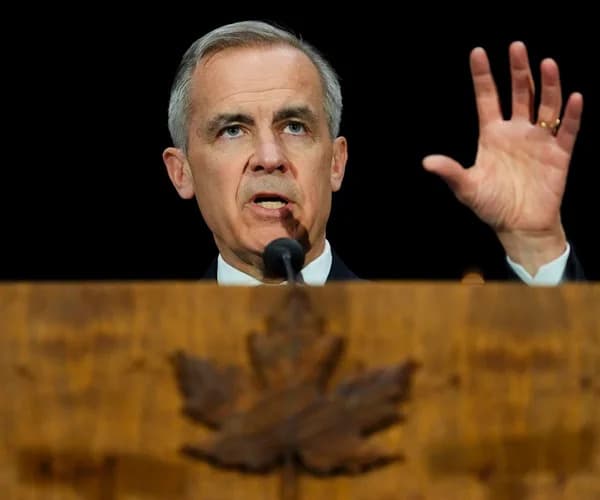
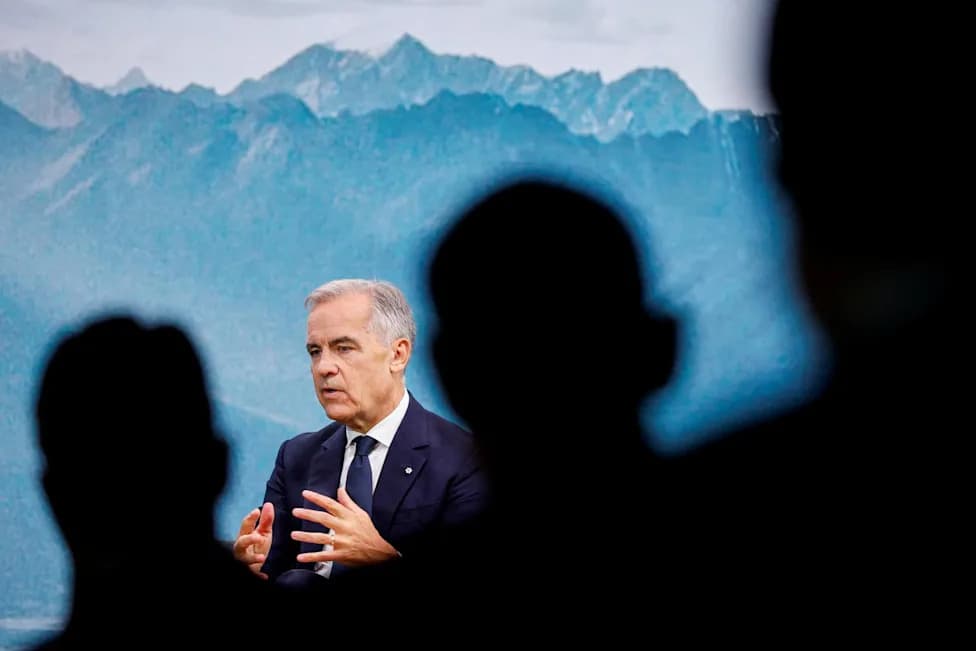
Speaking in Strasbourg during her annual keynote address to the European Parliament, von der Leyen described the initiative as pragmatic and mutually beneficial — driven by shared values rather than narrow economic rivalry. The speech was attended by Canadian Prime Minister Justin Trudeau.
Building a Strategic Partnership
Von der Leyen said the proposed partnership would focus on key industries and areas of commerce where the EU and Canada already align, including digital policy and artificial intelligence, climate action, and broader international cooperation. "This is not a partnership against anyone else, but for our common strength," she said, arguing that partnerships respond to fractures in the rules-based international order.
"We share one ocean, one set of values, one way of seeing the world. And we will now build our shared future as well," von der Leyen said. "Europe and Canada believe in democracy. That power does not belong to the strongest, the richest, or the loudest — but to all of us."
Context And Details
Von der Leyen outlined few operational specifics, but pledged to move beyond the Comprehensive Economic and Trade Agreement (CETA) signed in 2016 toward what she called an "Alliance for the Future." Several existing models for partial participation in EU structures were cited as possible reference points, including the European Economic Area (EEA), the European Free Trade Association (EFTA), and bilateral arrangements comparable to Switzerland's close—but sovereign—relationship with the EU.
Her remarks came amid heightened trade tensions between Canada and the United States. The speech did not dwell on that dispute, but observers noted the broader geopolitical backdrop in which EU–Canada ties are being strengthened.
Practical Measures Under Discussion
Media reports — including Euronews — said negotiations are reportedly underway to include Canada in the EU's Erasmus+ exchange program, which has a multi-year budget in the tens of billions and supports education, training and youth mobility. Discussions are also said to cover participation in Horizon Europe research funding and reciprocal recognition of professional and vocational qualifications.
If pursued, the proposal would mark an unusual step in the EU's external relations: offering a deep, formalized partnership to a like-minded partner across the Atlantic that stops short of full EU accession but integrates cooperation across strategic sectors.
Help us improve.