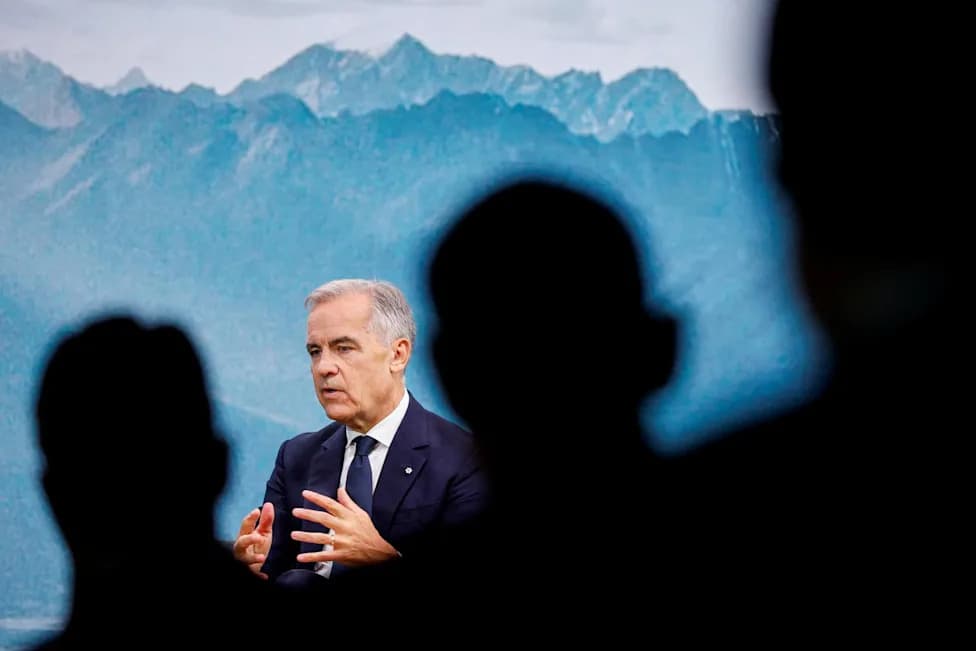
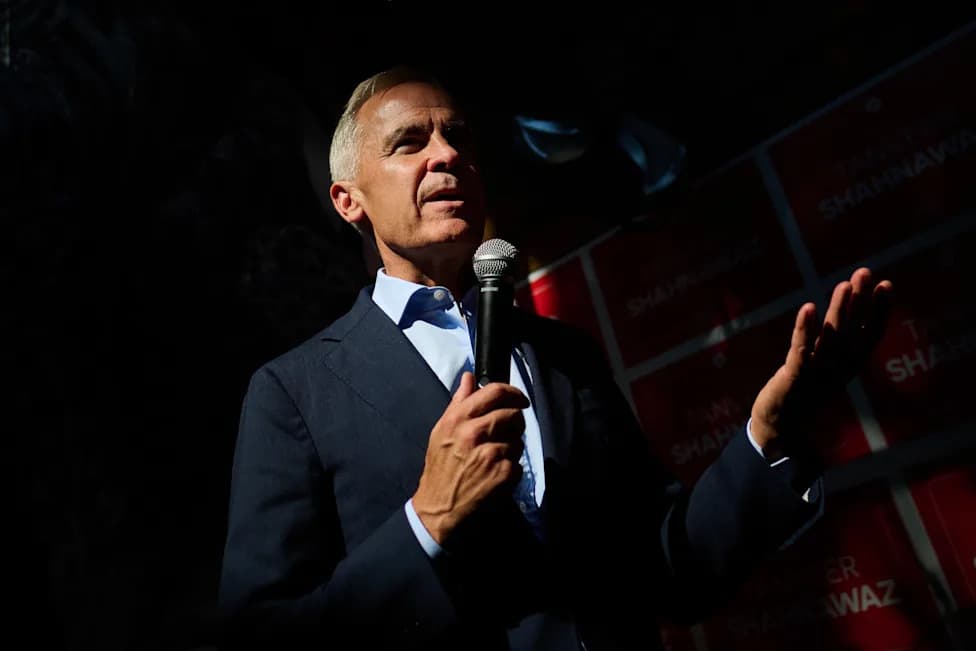
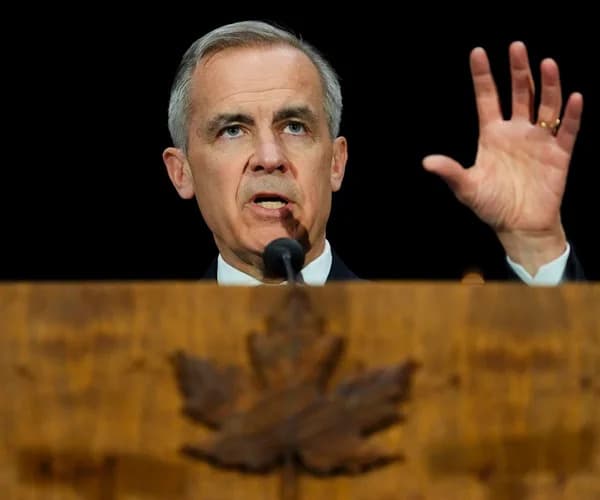
Mark Carney is actively pursuing closer ties between Canada and the EU in response to escalating trade tensions with the US. Discussions focus on cooperation in tech, energy (notably LNG), critical minerals and defence procurement, and there is talk of a bespoke association agreement. Public support in Canada for stronger EU ties is high, but complete economic decoupling from the US is impractical given the scale of bilateral trade. An EU–Canada summit is set for next month, followed by technical working groups.
Carney Courts the EU: How Trump-Era Trade Tensions Are Pushing Canada Toward Brussels

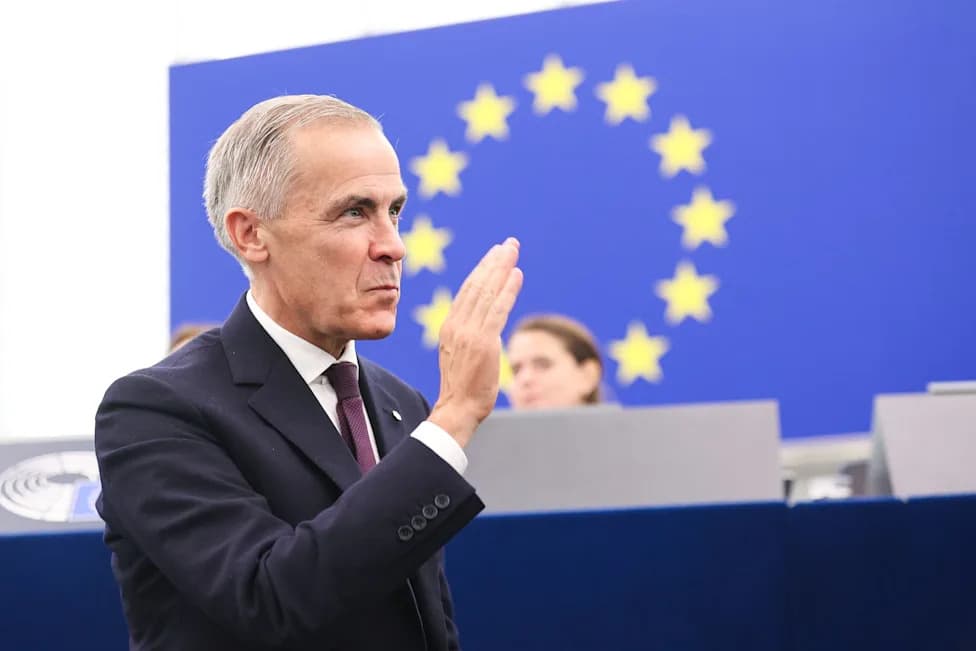
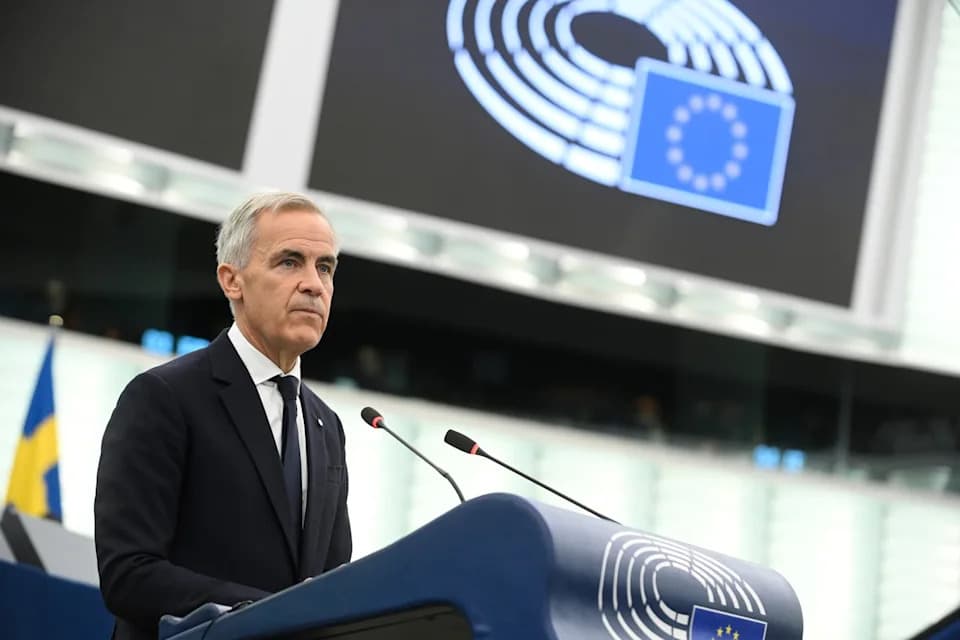
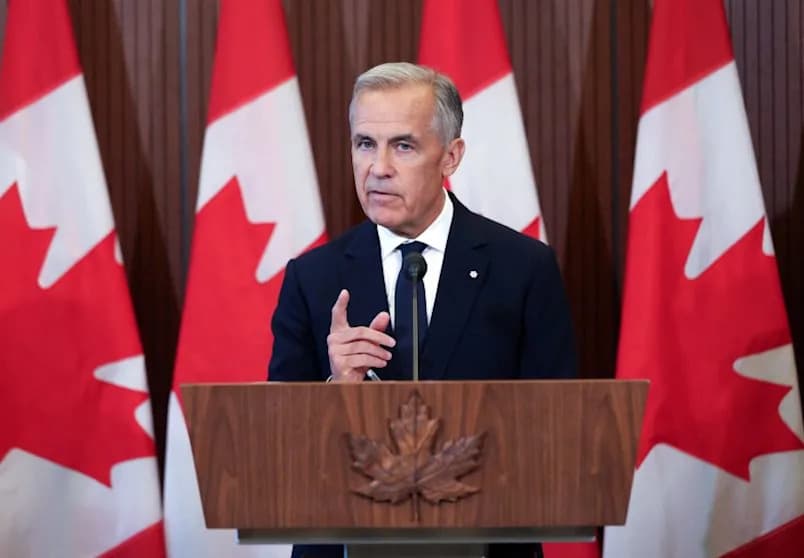
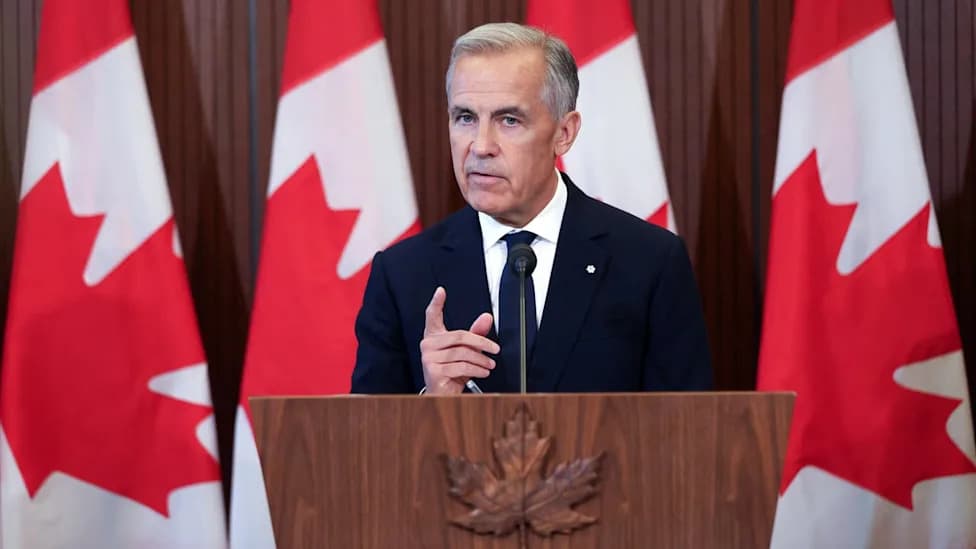
Carney is a guest of von der Leyen in Strasbourg this week [Getty Images]
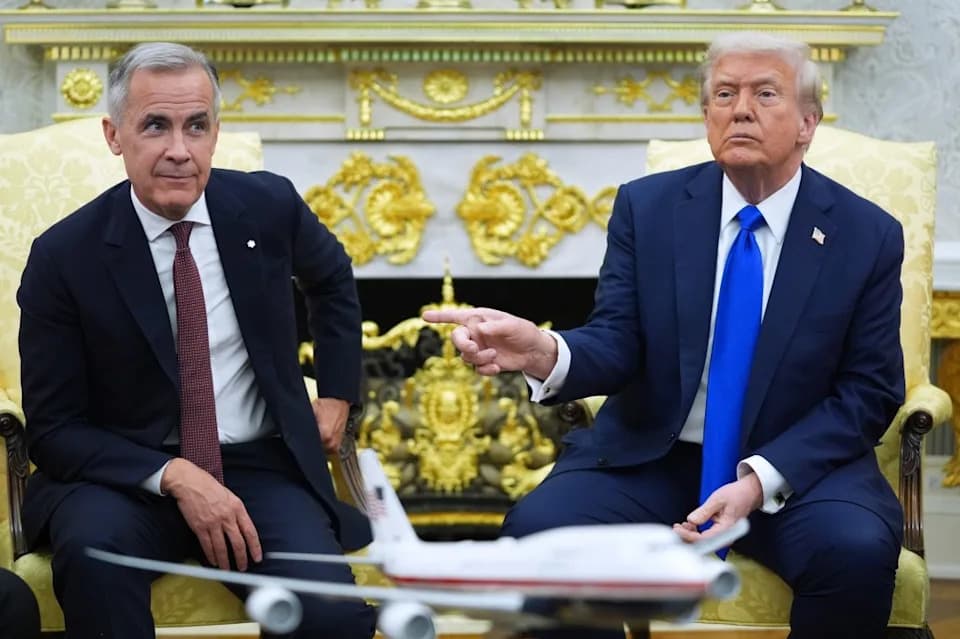
Finland's president Alexander Stubb joked this summer: "Wouldn't it be lovely if Canada was the 28th state of the European Union rather than the 51st state of the United States?" The quip captured a larger trend: Ottawa is visibly deepening ties with the EU, driven in large part by friction with Washington under Donald Trump.
Why the Pivot Now?
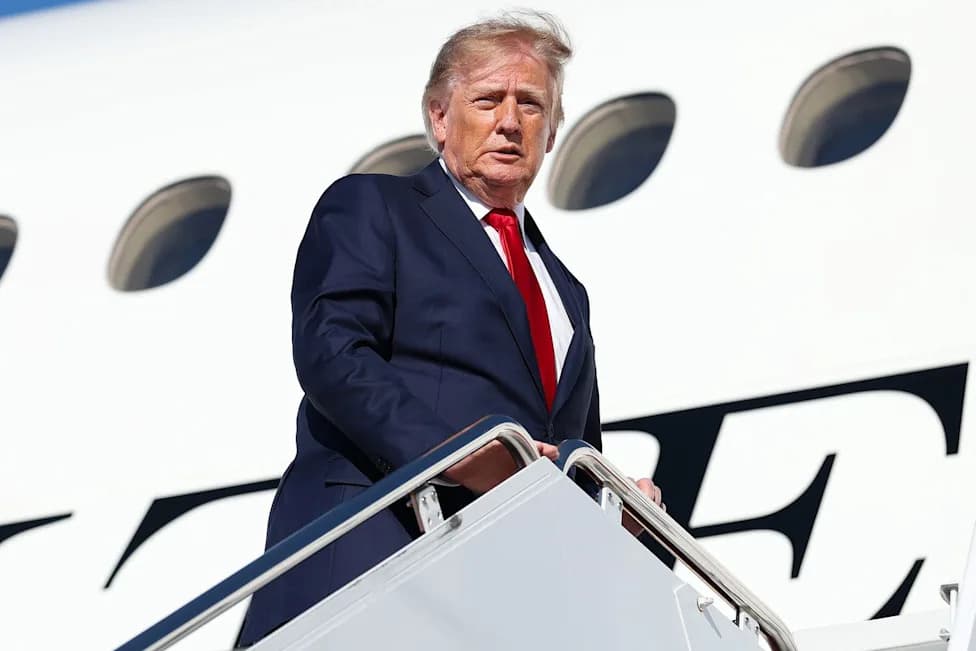
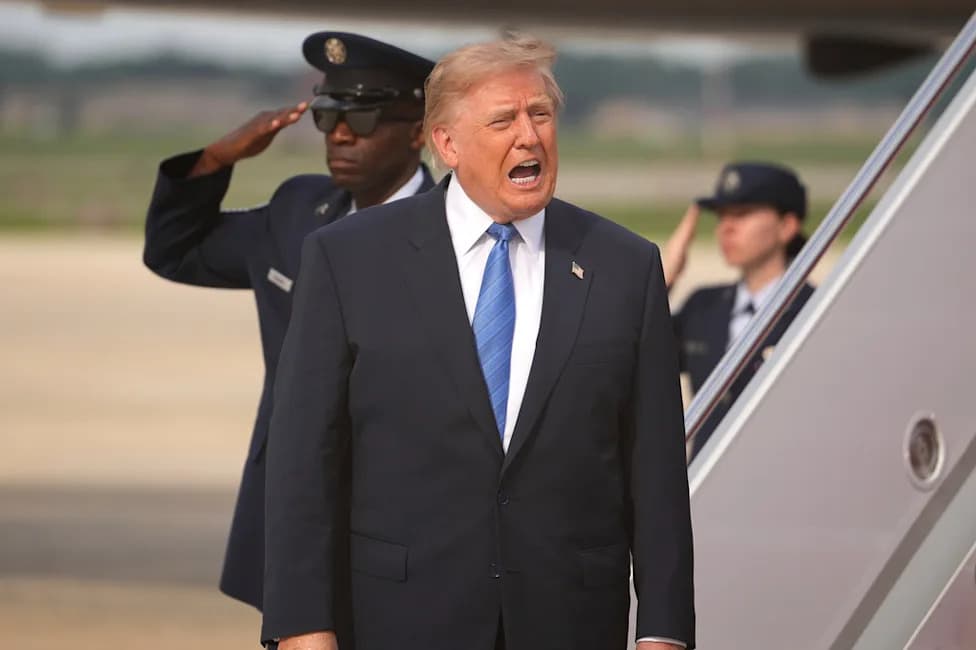
The US president's tariff actions and public provocations — including a widely shared map of North America overlaid with the US flag that included Canada and Greenland — have heightened anxieties in both Europe and Canada. Trade talks between Washington and Ottawa recently collapsed, and Canada has responded by imposing retaliatory tariffs on US goods. In this context, Canadian Prime Minister Mark Carney has publicly said Canada is seeking a "unique alliance" with the European Union.
Concrete Steps and Invitations
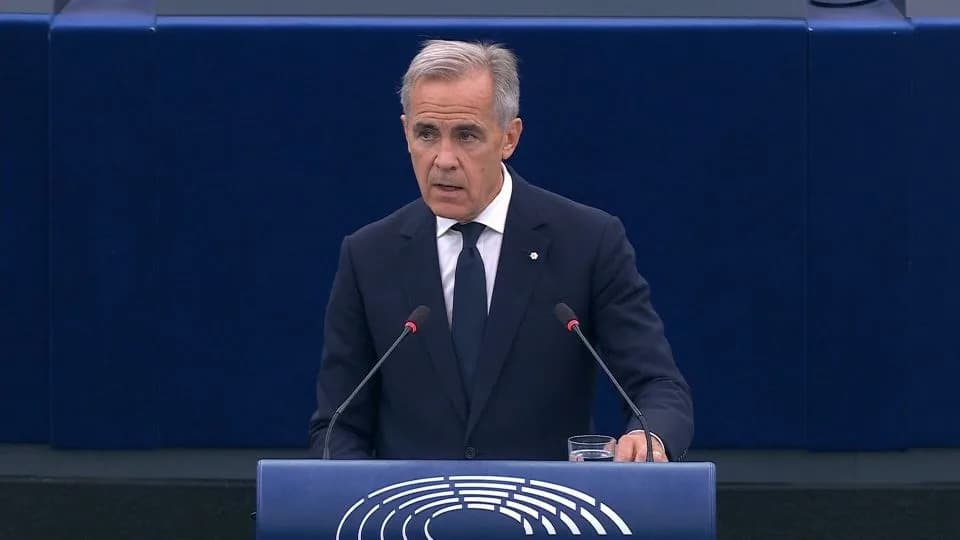
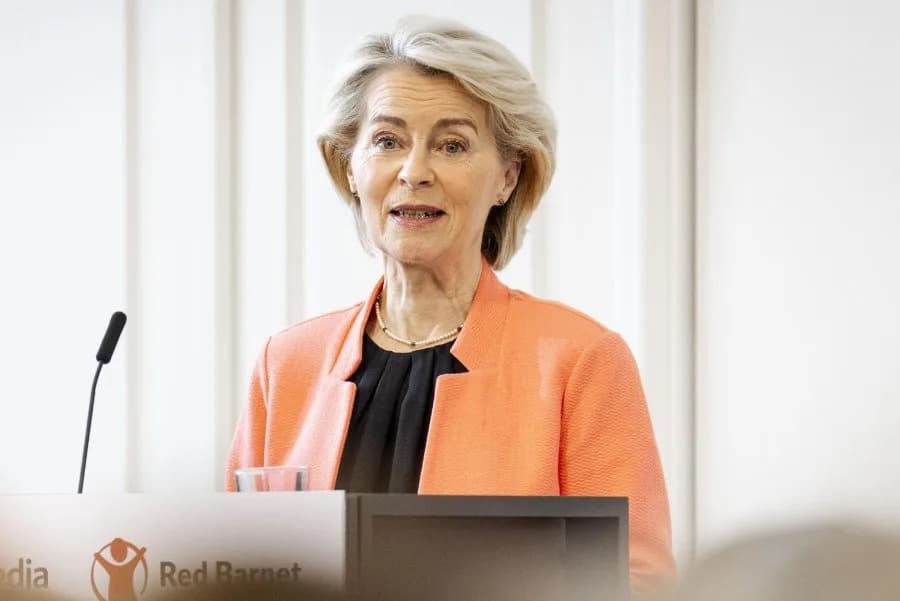
Carney was invited as a special guest to the European Commission president's State of the Union address in Strasbourg and will address the European Parliament shortly afterward. Earlier this year Canada joined the EU's Security Action for Europe (SAFE) defence fund — a step the UK did not take — and Brussels officials are quietly discussing a tailored "special association" to deepen cooperation.
Priority Areas Under Discussion
- Digital and Technology: Building alternatives to current US- and China-dominated tech supply chains and standards.
- Energy: Canada’s liquefied natural gas (LNG) is increasingly sought after as Europe diversifies away from Russian supplies.
- Critical Minerals: Canada’s resources are valuable for EU clean-energy and tech supply chains.
- Trade and Defence Procurement: Ottawa has recently chosen European suppliers for major purchases — signaling willingness to buy European rather than American goods after punitive tariffs.
Public Backing and Limits
Public sentiment in Canada supports closer ties: an April Nanos poll found more than four in five Canadians favor strengthening relations with the EU, and nearly three in five would back joining the bloc (though formal accession faces practical and legal hurdles under Article 49 of the EU treaty).
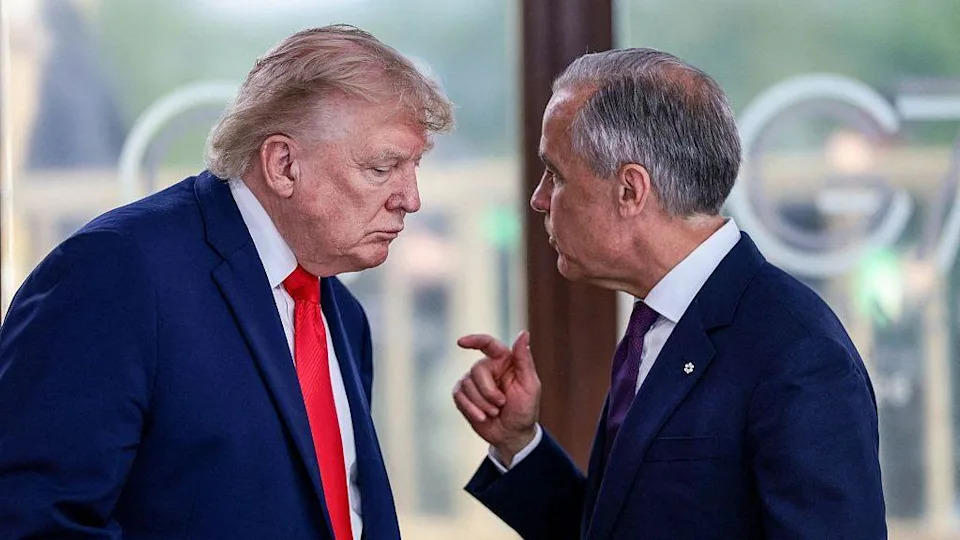
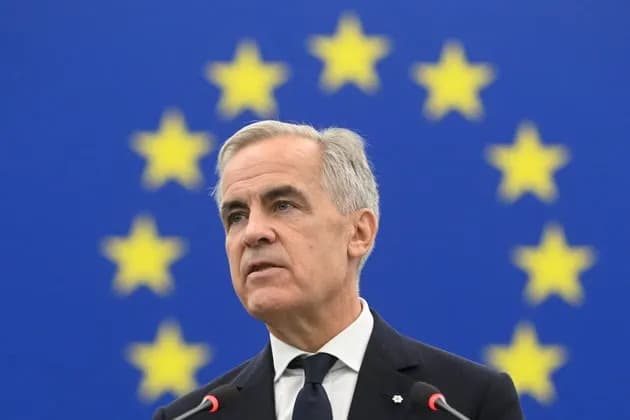
[Getty Images]
Nonetheless, full decoupling from the US is unrealistic. The US remains the EU’s largest trading partner overall, and Canada’s economic relationship with the US is the world’s largest bilateral trading relationship — nearly US$900bn last year versus roughly $130bn in EU–Canada trade. The Comprehensive Economic and Trade Agreement (CETA) already eliminated 99% of tariffs on Canadian goods to the EU, providing a foundation for deeper ties.
Politics, Prudence and the Road Ahead
European leaders have mostly stayed publicly cautious, even while holding private talks with Carney. Many fear openly antagonizing the US ahead of a busy calendar of national elections across the EU. Under EU rules, trade negotiations are handled by the European Commission, which is why the Commission and European Parliament invited Carney to Strasbourg.
An EU–Canada summit is scheduled for next month. If political leaders agree, technical working groups will follow to hammer out legal and sectoral details. Officials describe the push as part of a broader "Trump effect" — a desire to diversify strategic partnerships and defend a rules-based global trading order.
Next stops: After Strasbourg, Carney is due in Liverpool for talks with UK Prime Minister Andy Burnham, where discussions will cover UK–Canada ties and potential approaches to engaging Brussels.
"We need to forge a new rules-based future in trade and beyond. With or without Washington," diplomats say is the message Ottawa and Brussels plan to advance.
Help us improve.