Spain is confronting multiple climate-driven threats: record wildfires, prolonged heatwaves, intensified droughts and catastrophic floods. A late-July wildfire in the Gredos mountains burned about 80,000 hectares and contributed to a national total near 300,000 hectares — roughly half of the EU's affected land this year. Scientists link these extremes to human-driven warming, and officials warn of growing economic damage to agriculture and tourism, even as some argue a managed green transition could create new jobs and resilience.
Spain Battles Climate Change: Wildfires, Heatwaves, Drought and Devastating Floods
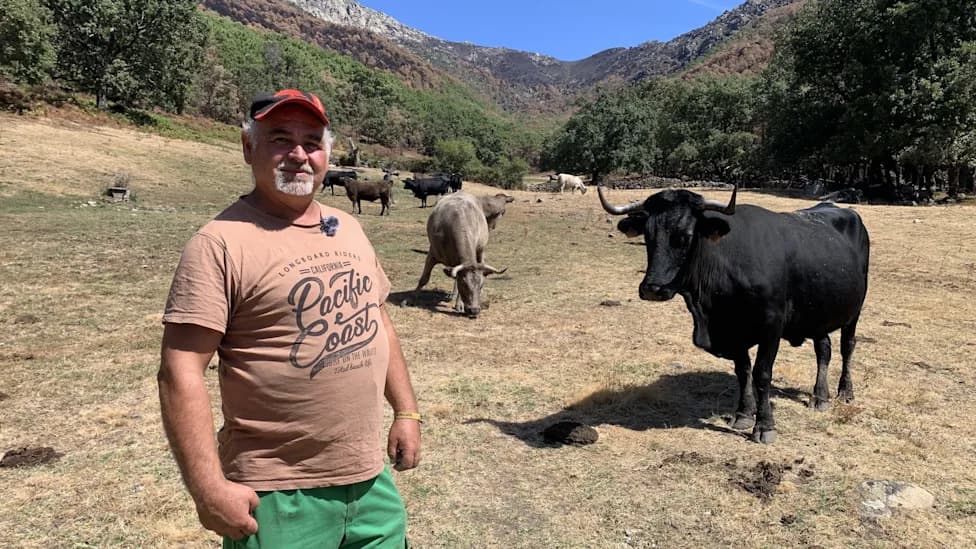
Farmer Juan Ángel Izquierdo says it is hard not to worry about wildfires [BBC]
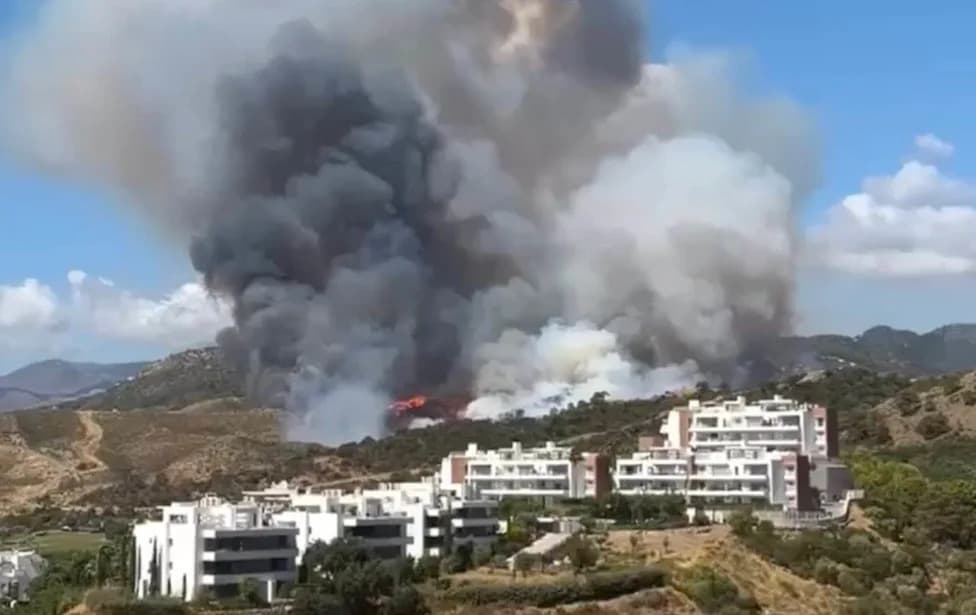
In a small green pasture in the Gredos mountains west of Madrid, a couple of dozen of Juan Ángel Izquierdo's cattle graze quietly, the only sound the soft clinking of bells around their necks. The scene would be peaceful if it were not ringed by blackened pine and oak — the scar of a recent, devastating wildfire that merged with two others in late July.
Wildfires and Local Loss
That late-July blaze consumed roughly 80,000 hectares (about 200,000 acres), making it the largest single wildfire Spain has recorded. Izquierdo, whose family have farmed the area for 200 years, says the fire destroyed more than two-thirds of his grazing land, killed 12 of his 85 cows and forced the euthanasia of another eight because of injuries. All of his winter haystores were also lost.
"For us farmers, summers are becoming increasingly worrying because they are hotter," Izquierdo says. "It rains less, the wet season ends earlier and autumn arrives much later."
National Scale And Scientific Links
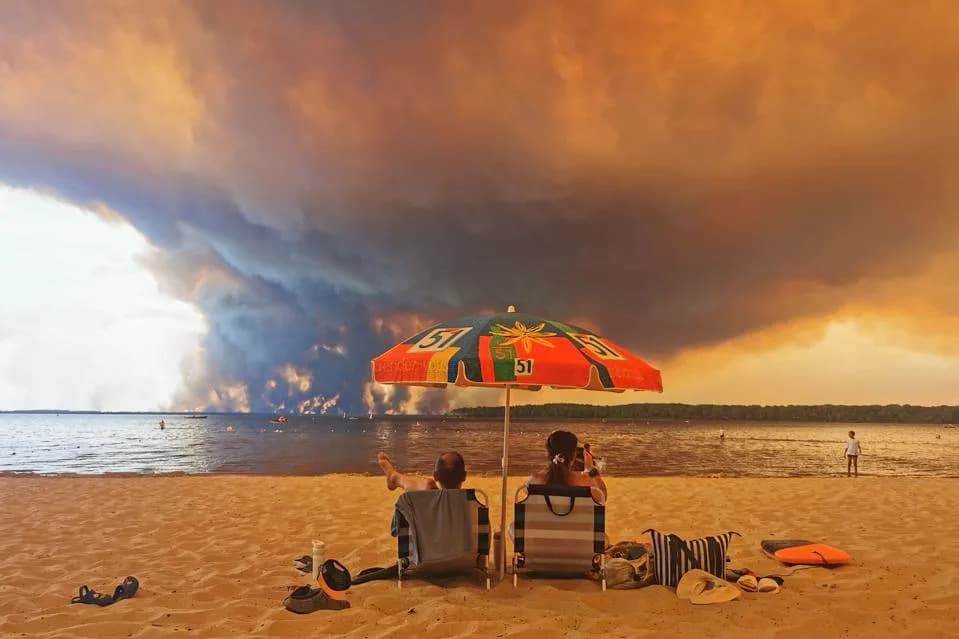
According to the European Forest Fire Information System (EFFIS), about 300,000 hectares have burned in Spain this year — roughly half the total area affected across the entire European Union. World Weather Attribution, an international research organisation, concluded that the extreme conditions that drove record fires in Spain and Portugal in 2025 were about 40 times more likely because of human-caused warming. Ernesto Rodríguez Camino, president of the Spanish Meteorology Association, linked the greater frequency and intensity of such blazes to higher greenhouse gas concentrations driven largely by fossil-fuel use.
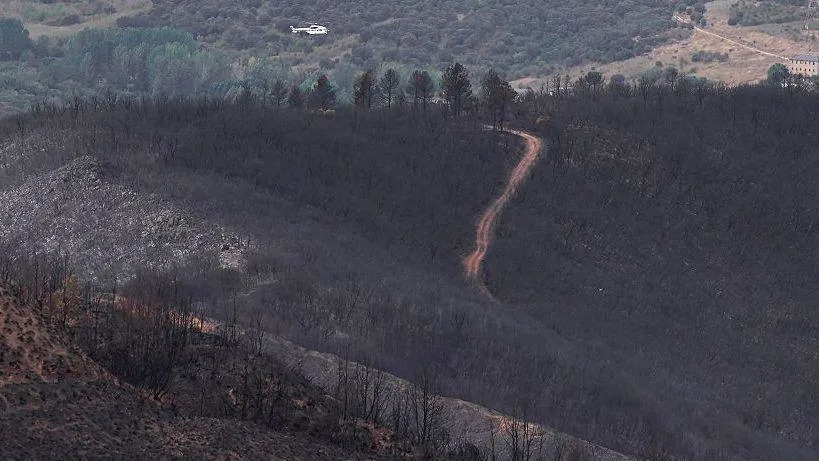
Research found that extreme heat and resulting fires in Spain were now 40 times more likely [Getty Images]
Economic Impact: Agriculture And Compensation
Farming insurance association Agroseguro estimated some 16,000 hectares of crops had been destroyed by mid-August, a significant blow to Spain's agri-food sector, which contributes roughly 9% of GDP. Local authorities in Castilla y León — the region most affected by the Gredos blaze — have offered compensation ranging from €5,500 to €25,000 per farmer depending on damage, but many producers, including Izquierdo, say that will cover less than half of their losses.
Tourism Under Strain
Spain's long-standing tourism advantage — sun-drenched coasts, the Balearic and Canary Islands — remains strong, with nearly 100 million foreign visitors expected this year. Yet extreme heat is already changing behaviour: researchers at Madrid's Rey Juan Carlos University found that overnight stays drop during heatwaves and arrivals decline from some major source markets. Tourism accounts for about 13% of Spain's GDP, and industry sources say heatwaves are shifting peak travel into spring and autumn and encouraging domestic "coolcations" in Northern Spain.
In historic inland cities such as Toledo, which saw repeated days above 40°C this summer, tour operators are changing itineraries, adding shade and water breaks and moving more activity to cooler hours.
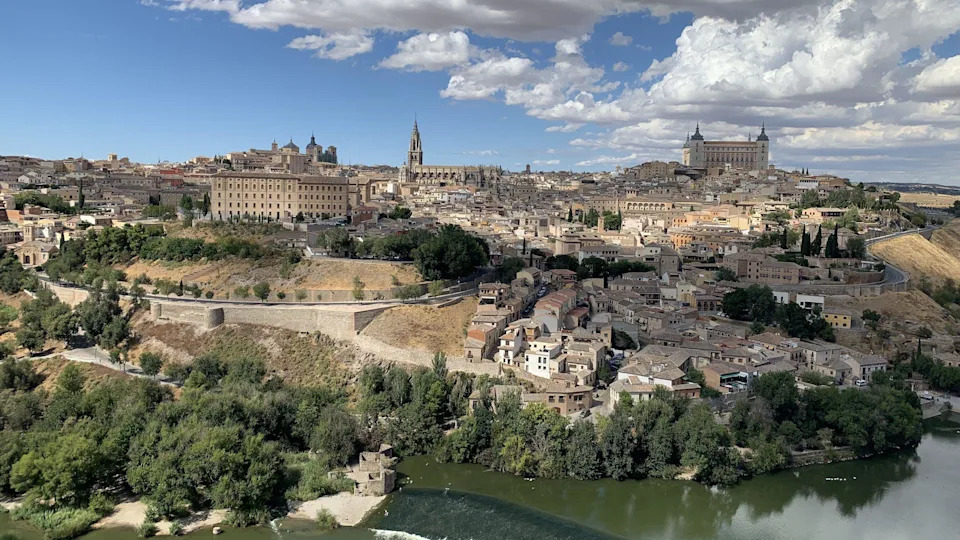
The city of Toledo, near Madrid, saw temperatures soar above 40C on numerous days this summer [BBC]
Drought And Floods
Drought has intensified in parts of Spain. In 2024, after several years of low rainfall, Catalonia imposed strict water-use restrictions, cutting industrial consumption and limiting water for crops. Conversely, sudden and violent flooding proved catastrophic in October 2024 when flash floods in the east, centred on the Valencia region, killed 237 people. Climatoc-Lab described the floods as evidence of how global warming is altering the hydrological cycle; the Valencia Chamber of Commerce estimated direct damages near €4.5bn.
Vulnerability And Opportunity
Spain's location, climate and topography make it particularly vulnerable as global temperatures rise; Germanwatch ranked Spain 20th in its 2024 climate-risk index. Policymakers and experts warn that climate impacts can slow growth if left unchecked. At the same time, some economists argue that a managed green transition could create new, higher-productivity jobs and offset some economic damage — provided adaptation and mitigation are prioritized.
What Comes Next: Authorities face a dual challenge: scale up prevention and adaptation to reduce losses from fires, droughts and floods, while accelerating the shift to lower-carbon energy and resilient infrastructure to limit future risks.
Help us improve.