The Merck–Moderna personalized mRNA melanoma vaccine is manufactured for each patient by sequencing tumor and blood DNA, selecting the top ~34 neoantigen targets, and assembling them into a single mRNA product packaged in a lipid nanoparticle. Moderna produces patient-specific doses in an automated Marlborough, Mass., facility and aims to parallelize many bespoke batches. Given production lead times, the vaccine is added to Merck's Keytruda after surgery to prevent relapse; earlier trials show a durable benefit in melanoma, though the approach faces biological limits in 'cold' tumors and economic challenges for n-of-1 manufacturing.
How Merck and Moderna Make a Personalized mRNA Melanoma Vaccine for Each Patient
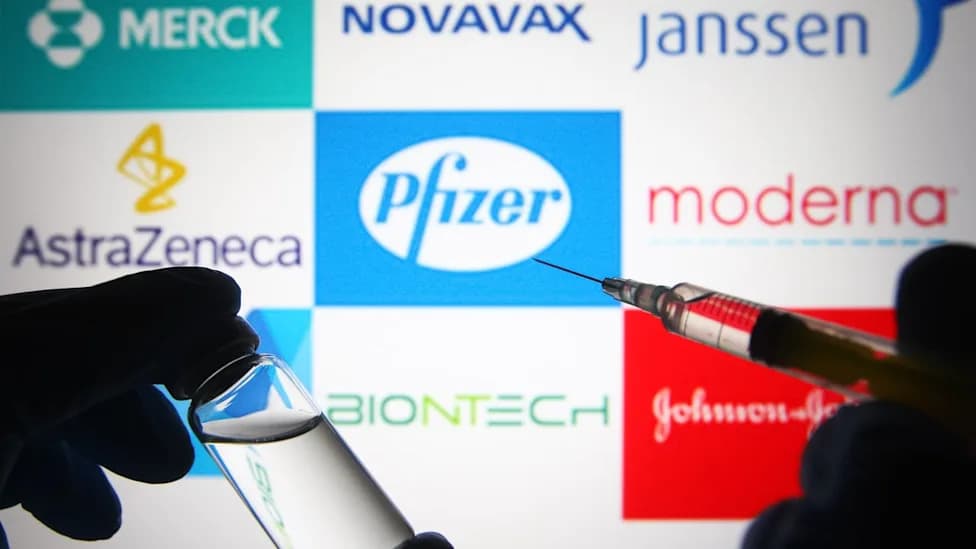
Merck and Moderna's cancer vaccine works. Making it affordable is the next test hero image
When Merck and Moderna announced in August that their melanoma therapy succeeded in a large Phase 3 trial, they marked a major milestone: the first made-to-order cancer vaccine shown to reduce recurrence. In that study, each of the 1,137 patients received a vaccine uniquely constructed from mutations identified in their own tumor, and the combination with Merck's immunotherapy prolonged cancer-free survival compared with standard treatment.
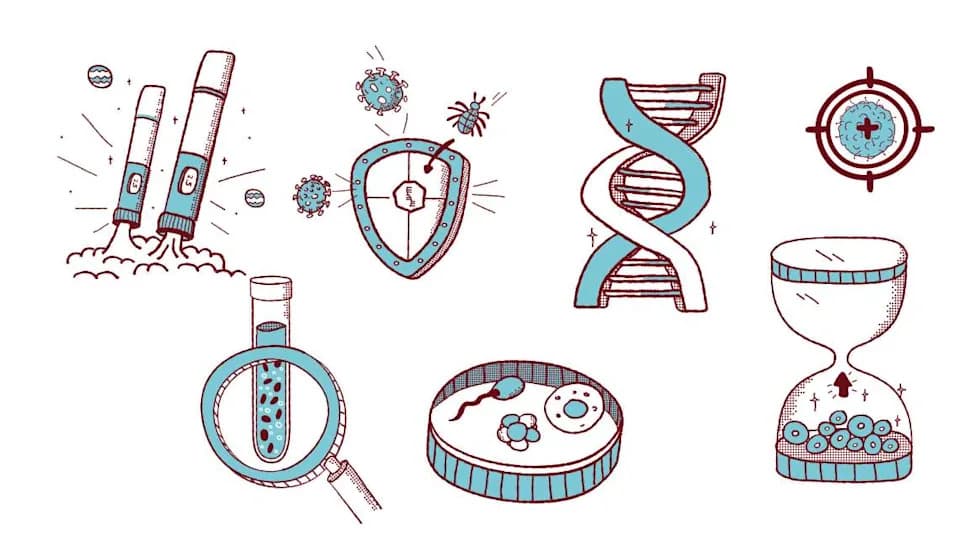
From Surgery to Sequence: The production pipeline begins in the operating theatre and pathology lab. After a surgeon removes the tumor, technicians collect a tissue sample and a blood sample. Next-generation sequencing is run on both samples so scientists can subtract the patient's inherited (germline) DNA and isolate tumor-specific mutations. Those mutations encode proteins the immune system has never encountered and that could serve as targets.
Picking the Best Targets: Tumors can carry thousands of mutations, most of which will not provoke an immune response. Moderna's prediction tools score each mutation by how likely it is to be recognized by the patient's immune system and narrow the list to the roughly 34 neoantigen candidates most likely to elicit a T-cell attack.
Assembly and Delivery: The selected sequences are concatenated into a single strand of synthetic mRNA and encapsulated in a lipid nanoparticle that protects the fragile molecule and delivers it into cells. The finished vaccine is therefore personalized to one individual — a construct made 'to order' and returned to that patient for administration.
Factory-Of-One Production: Moderna runs this per-patient assembly line at a purpose-built, automated facility in Marlborough, Massachusetts. Instead of a single large batch, the plant is designed to run many parallel, tracked production lines so multiple different patient-specific vaccines can be manufactured simultaneously while preventing cross-contamination.
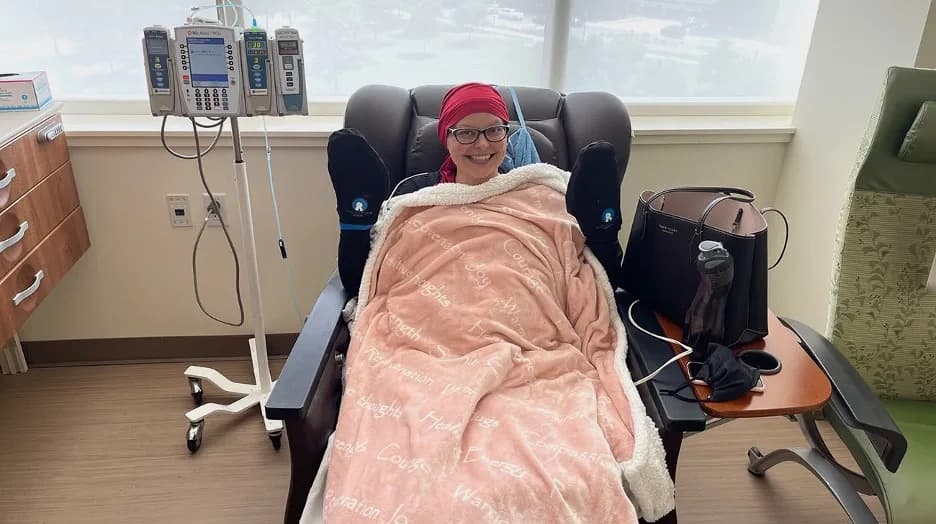
Timing And Clinical Use: Even with automation the process currently takes weeks to months; the field aims for six to eight weeks from biopsy to first dose but that timeline is not yet universally achieved. Because of this lag, clinicians give the vaccine after surgery to prevent relapse rather than to treat rapidly growing tumors. Patients typically begin on Keytruda (pembrolizumab) while Moderna manufactures the vaccine; once ready the vaccine is added to the Keytruda regimen and administered every three weeks for up to nine doses. The vaccine instructs T cells which tumor-specific mutations to target, while Keytruda helps keep those T cells active.
Evidence And Limits: An earlier, smaller trial that has now tracked patients for five years reported a durable benefit: the combination of vaccine plus Keytruda reduced the risk of recurrence or death by 49% compared with Keytruda alone. That durable signal supported the subsequent Phase 3 success in melanoma.
However, personalization is not guaranteed to work for every cancer. Shortly after the melanoma Phase 3 announcement, BioNTech and Genentech stopped a personalized-vaccine trial in colorectal cancer after an independent monitoring board found fewer survivors in the vaccine arm. Colorectal tumors are often immunologically 'cold' — they carry fewer actionable neoantigens — making them harder to target with this approach. Melanoma, by contrast, is typically a 'hot' tumor with a high mutational load and many potential neoantigens.
Economic And Logistics Challenges: The 'n-of-1' manufacturing model flips conventional drug production on its head. The central question is economic: can bespoke runs be produced cheaply enough to be widely accessible? Merck and Moderna are betting that automated parallel processing and shared production lines will spread fixed costs and bring per-patient prices down, but affordability and scale remain open challenges.
Implications: The Merck–Moderna program demonstrates that personalized cancer vaccines can be clinically effective for cancers with abundant neoantigens and that industrial-scale automation can make individualized biologics feasible. Yet scientific limits (tumor type and neoantigen load), timeline constraints, and cost barriers will determine how broadly this model can be adopted.
Help us improve.