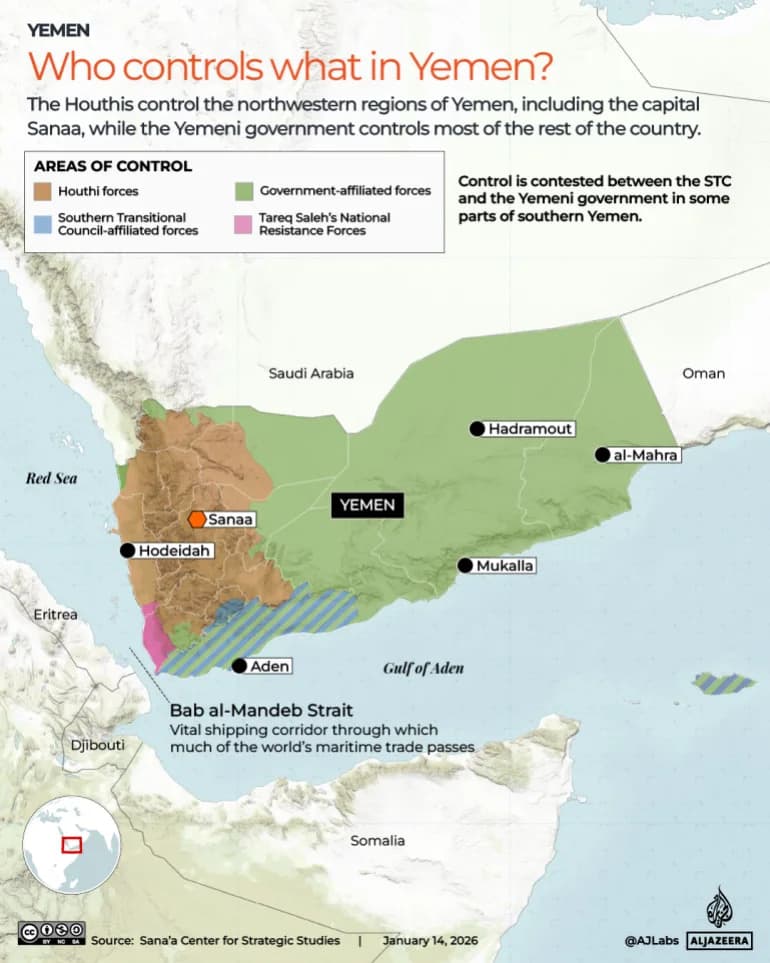
The battle for the Kahboub Mountains — strategic heights overlooking the Bab al‑Mandeb strait — has intensified, with the Houthis pressing to consolidate control of Yemen’s Red Sea coast. Officials say at least 674 people have been killed and over 158,000 displaced this month. Reports say the U.S. prepared air strikes that were called off at the last minute, while both sides claim battlefield gains. Humanitarian agencies warn the fighting is worsening food insecurity for millions.
Houthis Push for Kahboub Heights Over Bab al‑Mandeb as 158,000+ Flee
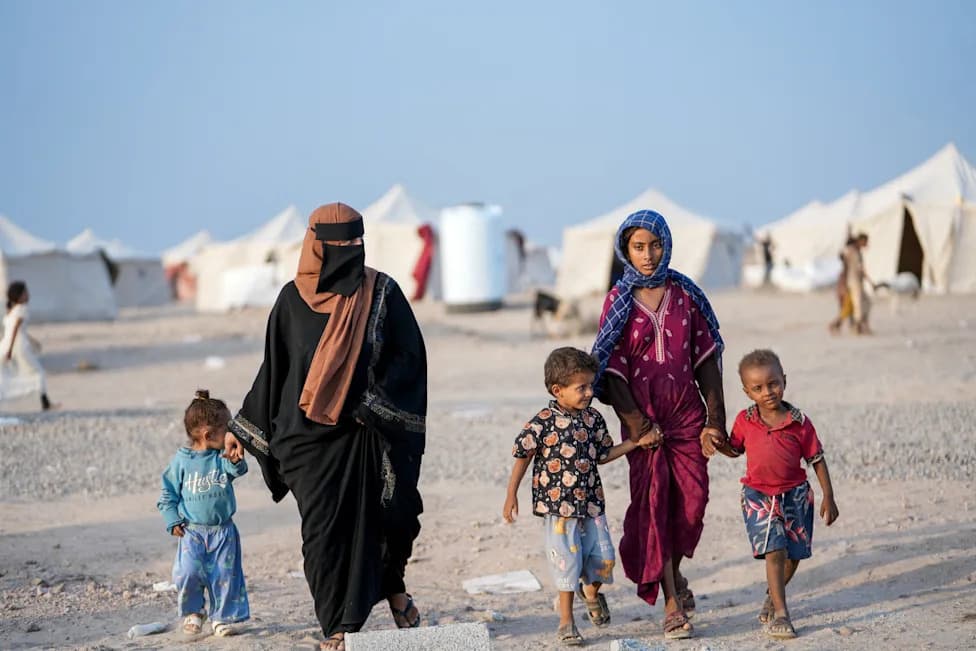
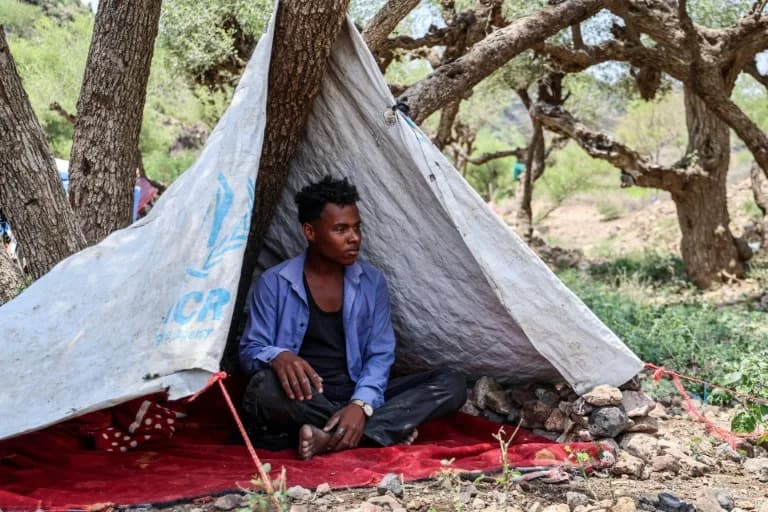
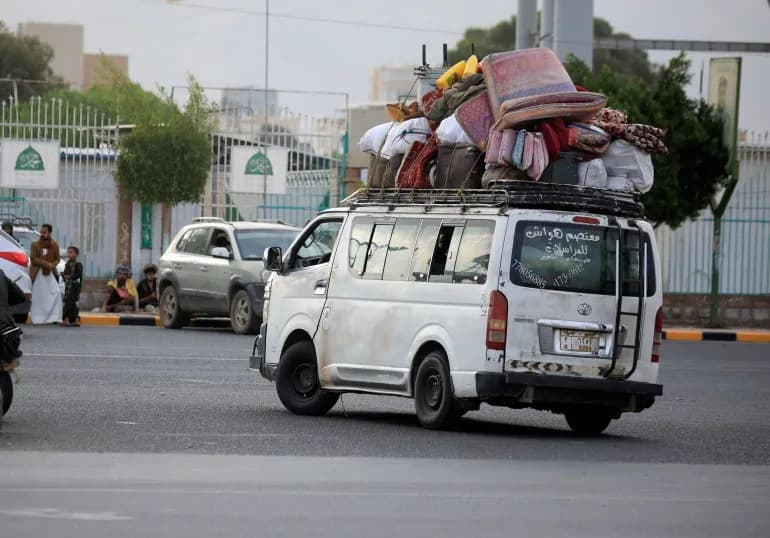
Women and children, who fled fighting between the Houthis and government forces in Red Sea coastline areas, walk at a camp for internally displaced people near Aden [Reuters]
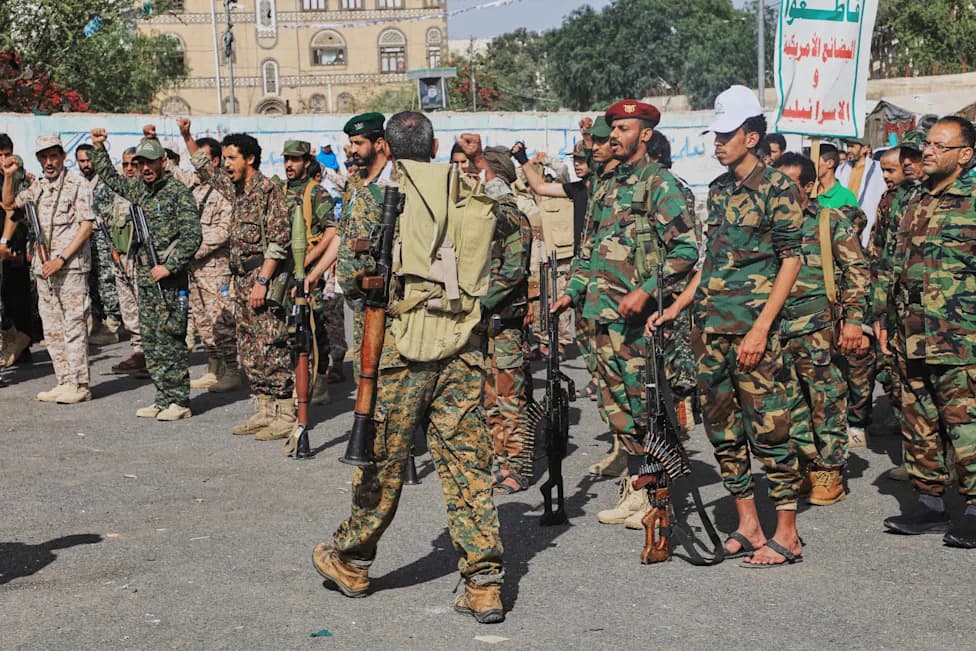
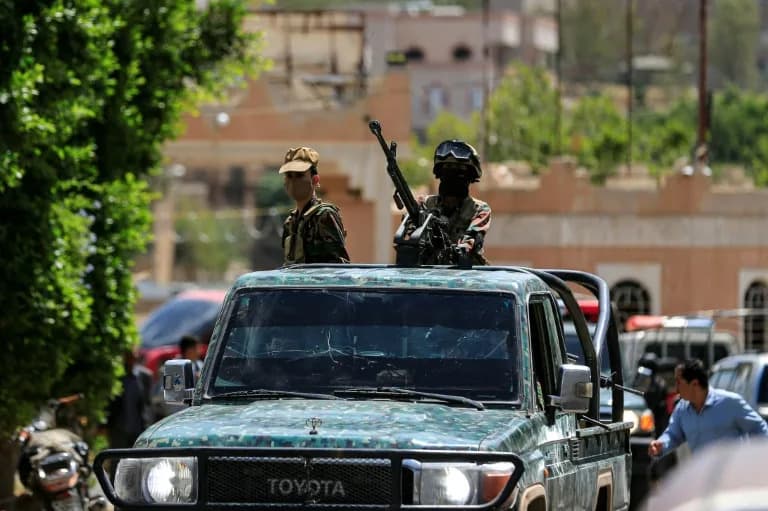
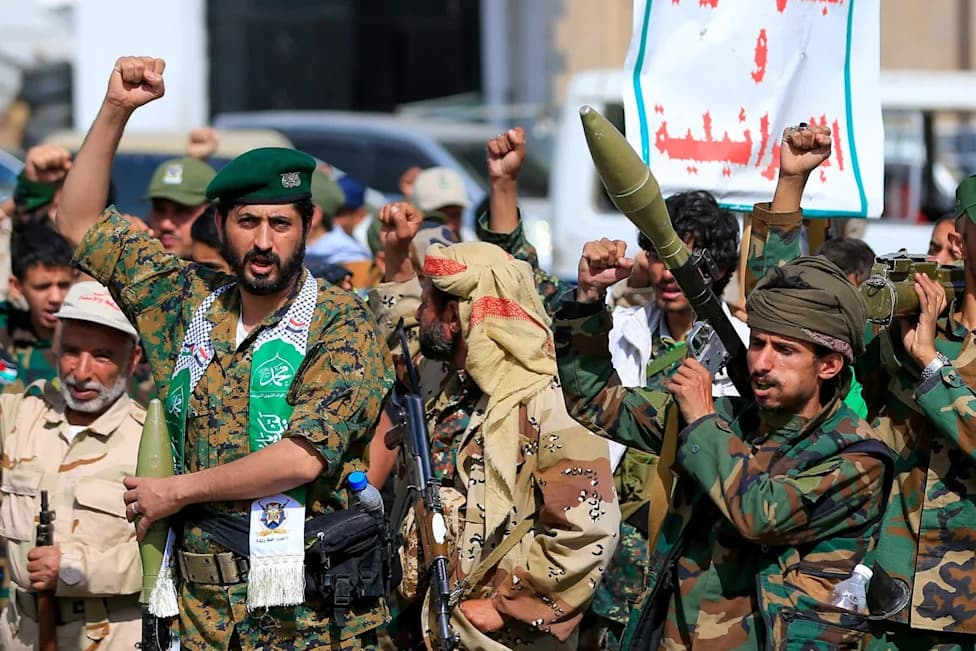
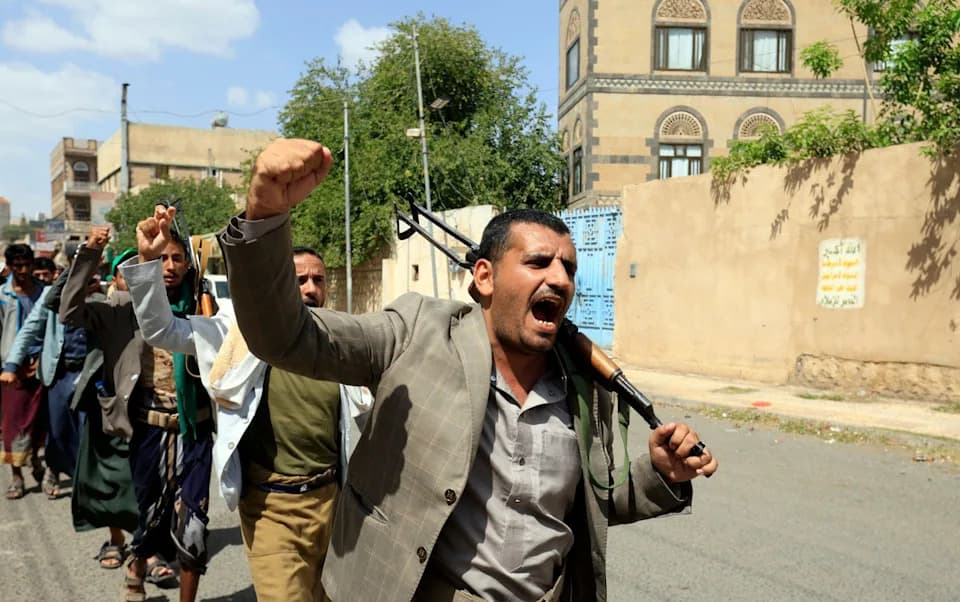
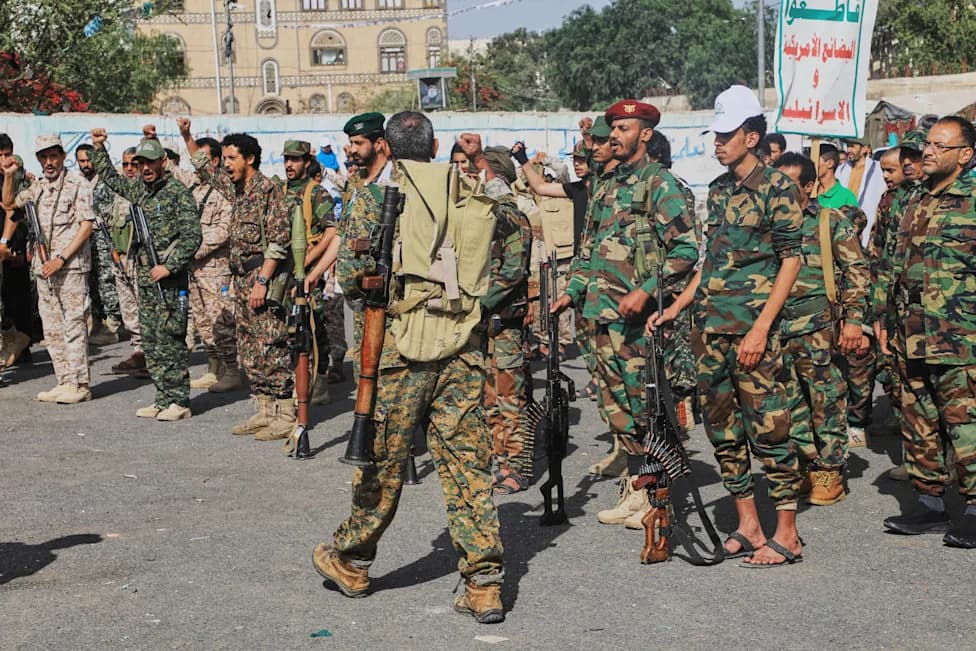
Fierce fighting has resumed in Yemen as Houthi rebels and Saudi-backed government forces clash for control of the Kahboub Mountains — strategic heights that overlook the Bab al‑Mandeb strait and nearby Mayyun Island. The renewed hostilities have intensified a humanitarian crisis: officials report at least 674 people killed and more than 158,000 displaced this month.
Latest Developments
Al Jazeera reporters and local witnesses say the Houthis, after seizing parts of Yemen's Red Sea coast this month, including the port of Mocha and Mayyun Island, are attempting to seize the Kahboub range in Taiz and Lahj provinces. Controlling these peaks would give the group oversight of shipping lanes and enable them to cut the coast from government-held southern areas.
Strategic Stakes
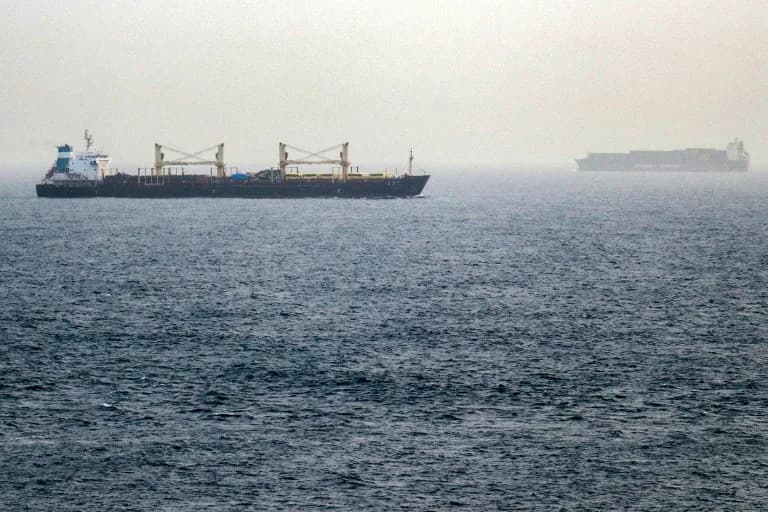
Kahboub’s vantage points command views over the Bab al‑Mandeb strait, a key chokepoint for global trade and energy shipments. Analysts say control of the mountains would significantly strengthen Houthi leverage over maritime access and supply routes along Yemen’s Red Sea coastline.
International and Military Responses
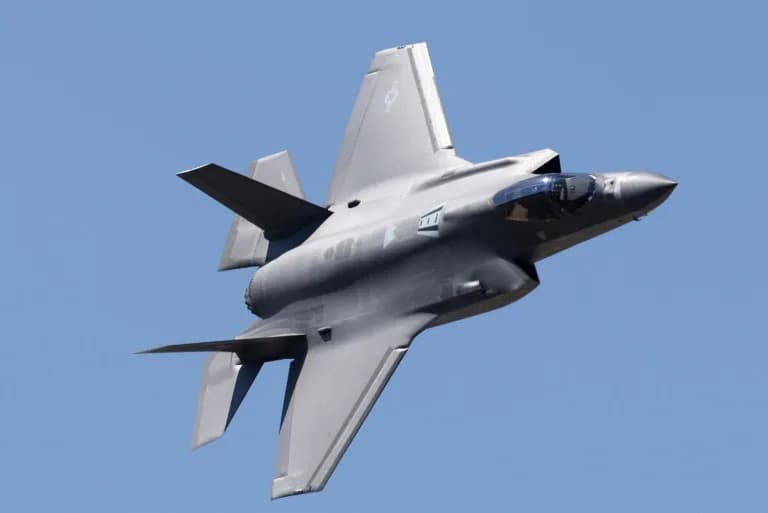
Media reports, including The New York Times, said U.S. forces had been prepared to carry out air strikes against Houthi targets but that then-President Donald Trump called off the operation at the last minute. Saudi officials reportedly pressed for U.S. support; Washington has reportedly so far declined direct military involvement.
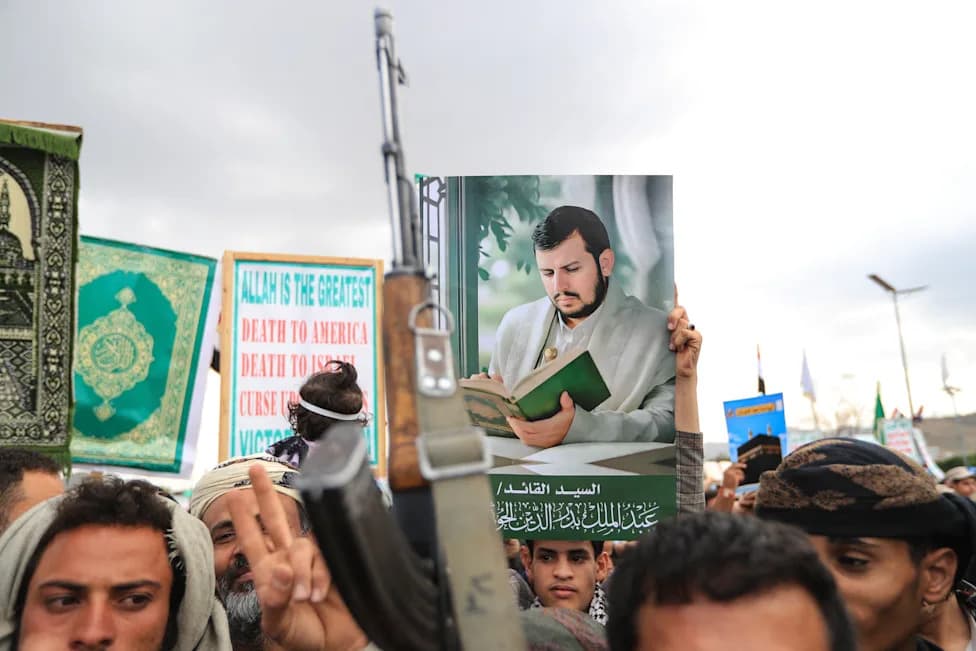
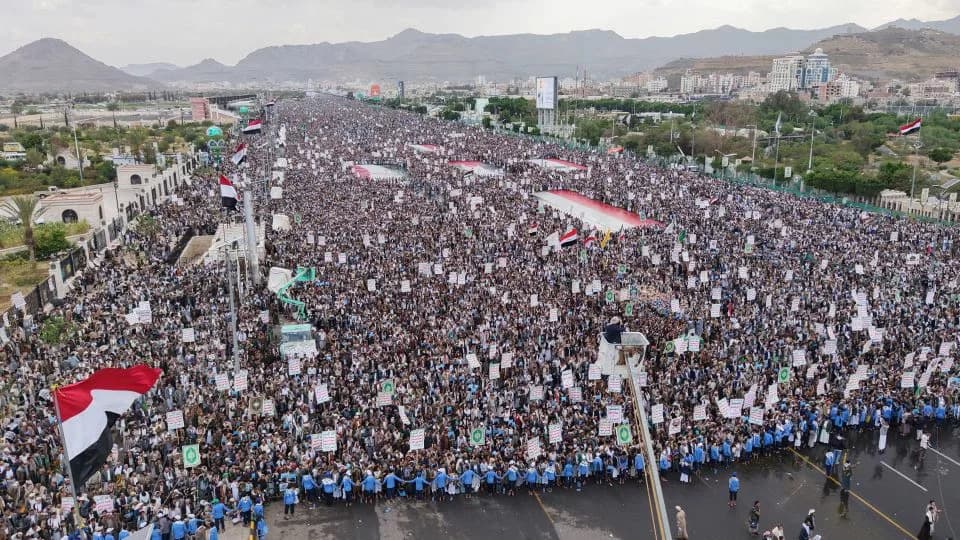
“Whoever sympathises with the oppressor … bears all consequences morally, legally, humanely,” Houthi leader Abdel‑Malik al‑Houthi said in a recorded address, warning the United States against escalation.
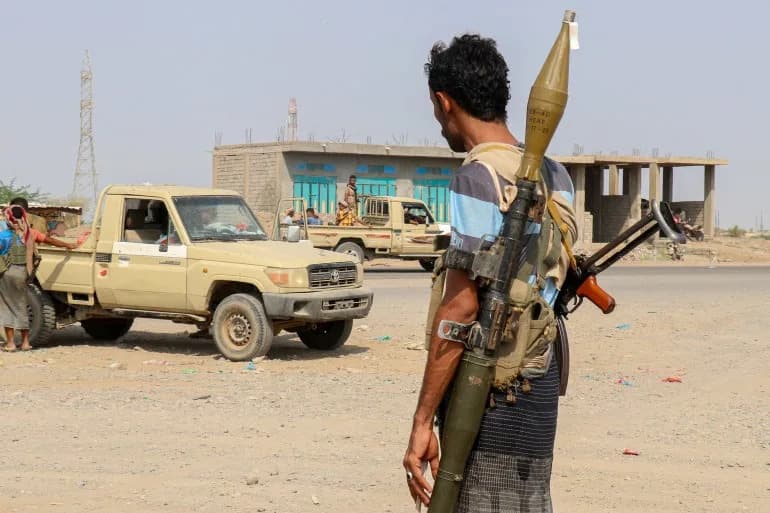
Yemeni government sources say they have struck Houthi fighters and supply lines near Bab al‑Mandeb and in al‑Bayda, and that they shot down a Houthi drone in southwestern Taiz. Major‑General Abdulaziz al‑Majidi reported government forces and allied tribal fighters pushed back Houthi units on Taiz’s outskirts; independent verification of battlefield claims is limited.
Airstrikes and Civilian Harm
The Houthis reported at least 157 Saudi air raids across provinces including al‑Jawf, Taiz, Saada and Marib during one recent day, and Houthi‑affiliated Al Masirah TV reported a separate strike in Mocha that killed six civilians, including two children. There was no immediate comment from Saudi authorities.
Humanitarian Impact
The World Health Organization said 674 people have been killed and nearly 3,000 injured since August 6, with 164 deaths and 516 injuries recorded between September 13 and 18 alone. Yemen’s Executive Unit for the Management of Displaced Persons Camps reported more than 158,000 people displaced this month — roughly 23,550 families across eight governorates including Aden, Hodeidah and Taiz.
Food insecurity is worsening: more than 18 million Yemenis — about half the population — face acute food shortages. Carl Skau, acting executive director of the World Food Programme, warned that tens of thousands are arriving at overstretched camps "with nothing," and noted that Yemen imports roughly 90% of its food, making port and airport disruptions particularly devastating.
Diplomacy
The United Nations cautioned that continuing combat risks further catastrophe for Yemen. UN Secretary‑General António Guterres’ spokesperson said the UN special envoy for Yemen, Hans Grundberg, remains in contact with all parties to the conflict as diplomatic efforts continue.
What To Watch
Observers will be watching whether control of the Kahboub heights shifts the operational balance in the south, whether outside powers escalate their military involvement, and how humanitarian access and aid deliveries hold up as displacement and food insecurity grow.
Help us improve.