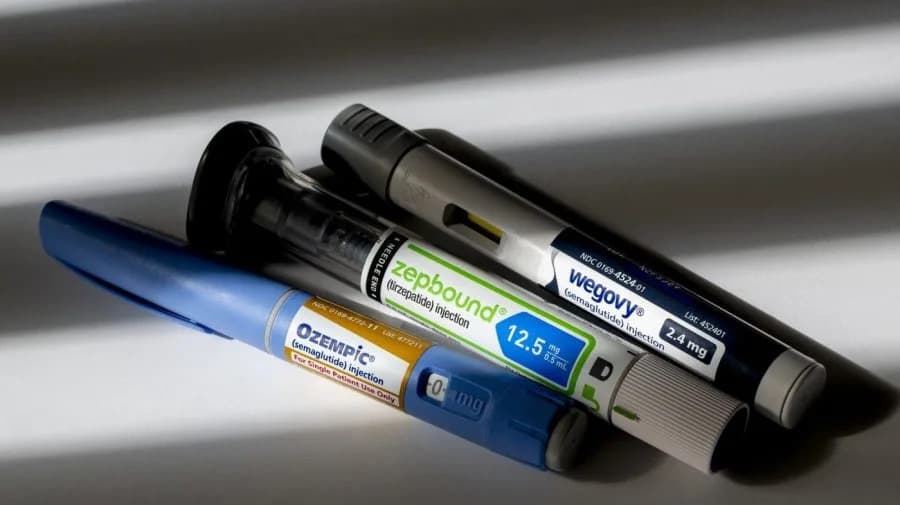
Dozens of patients have sued makers of GLP-1 drugs—including Wegovy, Ozempic and Zepbound—alleging links to NAION, a rare cause of sudden vision loss. Recent observational studies of semaglutide and tirzepatide in more than 159,000 people with type 2 diabetes found 35 NAION cases versus 19 in comparison groups and 93 other optic nerve disorders. Researchers call the association modest, emphasize study limitations, and urge more research; clinicians and patients should weigh risks and benefits and monitor vision closely.
Patients Sue GLP-1 Makers After Studies Link Popular Weight-Loss Drugs To Rare Sudden Vision Loss
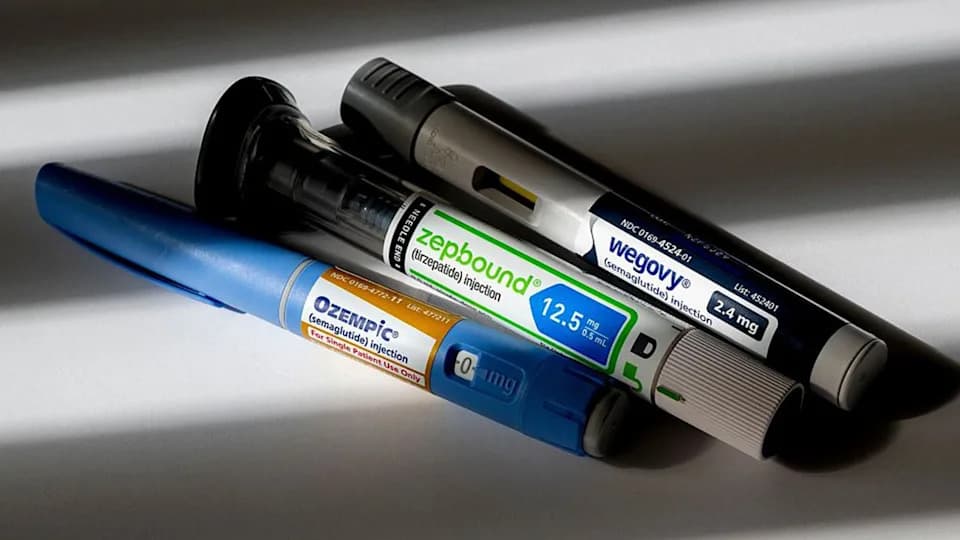
FILE - Photo illustration of a group of weight loss injection pen medications. (Photo by: Michael Siluk/UCG/Universal Images Group via Getty Images)
Patients have filed civil lawsuits against makers of GLP-1 medications, alleging a connection between these drugs and sudden vision loss from a rare optic nerve condition. The legal action and new research have prompted calls for more study and for clinicians and patients to weigh benefits and risks carefully.
Legal Claims
Dozens of plaintiffs have joined a suit naming Novo Nordisk, the maker of Wegovy and Ozempic, alleging some users developed non-arteritic anterior ischemic optic neuropathy (NAION), a disorder that can cause sudden and sometimes permanent vision loss, according to reporting in The Wall Street Journal. Separate complaints have been filed against Eli Lilly over Zepbound, with plaintiffs saying warnings about vision risks were inadequate; those cases remain pending.
What The Research Shows
NAION is a rare condition in which reduced blood flow to the optic nerve produces abrupt vision impairment. Recent observational analyses examined how the GLP-1 receptor agonists semaglutide and tirzepatide—the active ingredients in drugs such as Ozempic, Wegovy, Mounjaro and Zepbound—affected eye health in Americans with type 2 diabetes over roughly a two-year follow-up.
Key Findings
- Among more than 159,000 people with type 2 diabetes included in the studies, 35 developed NAION compared with 19 in the matched comparison groups.
- Researchers also detected an increase in other optic nerve disorders, documented in 93 patients.
- Investigators described the association as modest, and authors emphasized limitations of the data.
Context And Limitations
These analyses are observational and cannot prove causation. Potential confounders—such as underlying vascular risk factors common in people with diabetes—may influence results. Some studies also noted a modestly higher risk of diabetic retinopathy among GLP-1 users but found fewer sight-threatening retinopathy complications overall. Authors, independent experts and the American Academy of Ophthalmology (AAO) have urged cautious interpretation and further research to clarify risks and mechanisms.
Guidance For Patients And Clinicians
For now, professional guidance emphasizes shared decision-making. Clinicians should discuss potential benefits (weight loss, improved glycemic control, cardiovascular benefits for some patients) and potential risks, monitor patients’ eye health, and advise anyone experiencing sudden visual changes to seek immediate ophthalmic evaluation. The AAO’s 2025 news release called for additional studies and heightened surveillance of optic nerve outcomes in people taking GLP-1 therapies.
What’s Next
Legal cases remain active and evolving, and researchers have called for larger, longer and more detailed studies to determine whether the observed signals reflect a true drug effect. Meanwhile, patients prescribed GLP-1 drugs should not stop medication without consulting their clinician but should be informed about known risks and report any new vision symptoms promptly.
Sources: Reporting from The Wall Street Journal, New Nation, Fox News, and a 2025 news release from the American Academy of Ophthalmology.
Help us improve.