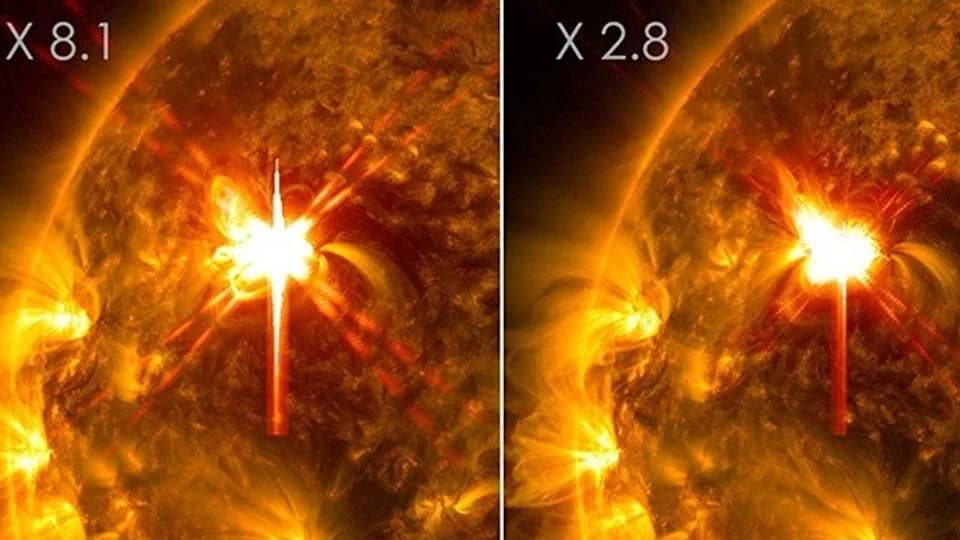
The Sun's active Region 4366 has produced dozens of flares this week, including major X‑class eruptions such as X8.1, X4.2 and X1.5. NASA's SDO captured intense extreme‑ultraviolet flashes from the X4.2 event. NOAA's SWPC reports the region has emitted 21 C‑class, 38 M‑class and six X‑class flares since Jan. 30, and forecasters expect continued activity that could trigger geomagnetic storms and stronger auroras.
Active Sunspot Region 4366 Produces Multiple Powerful X‑Class Flares — X8.1, X4.2 and X1.5
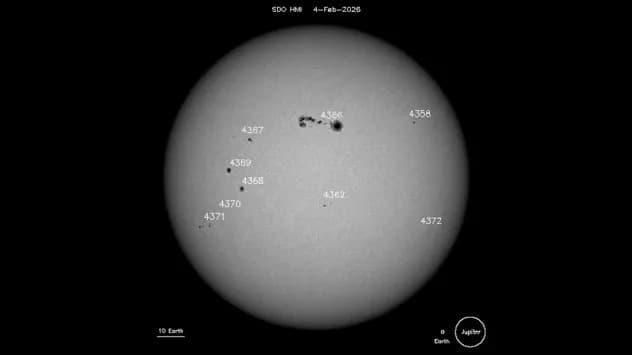
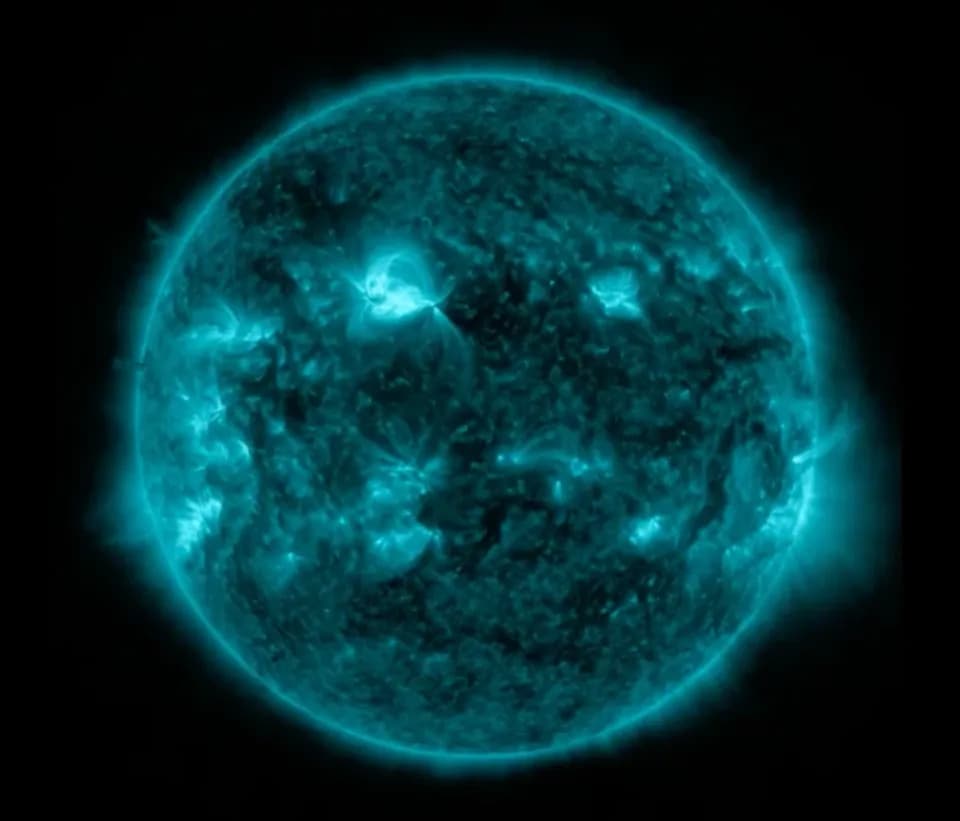
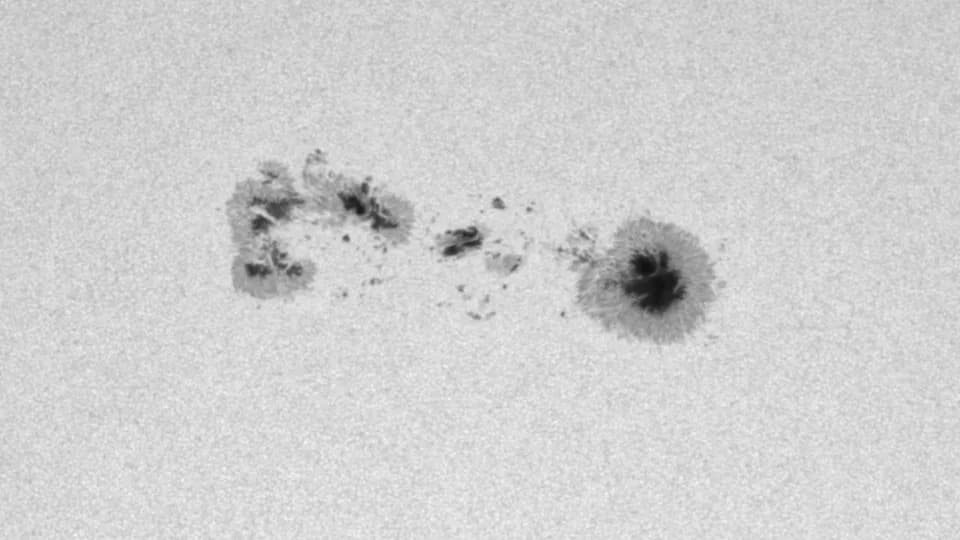
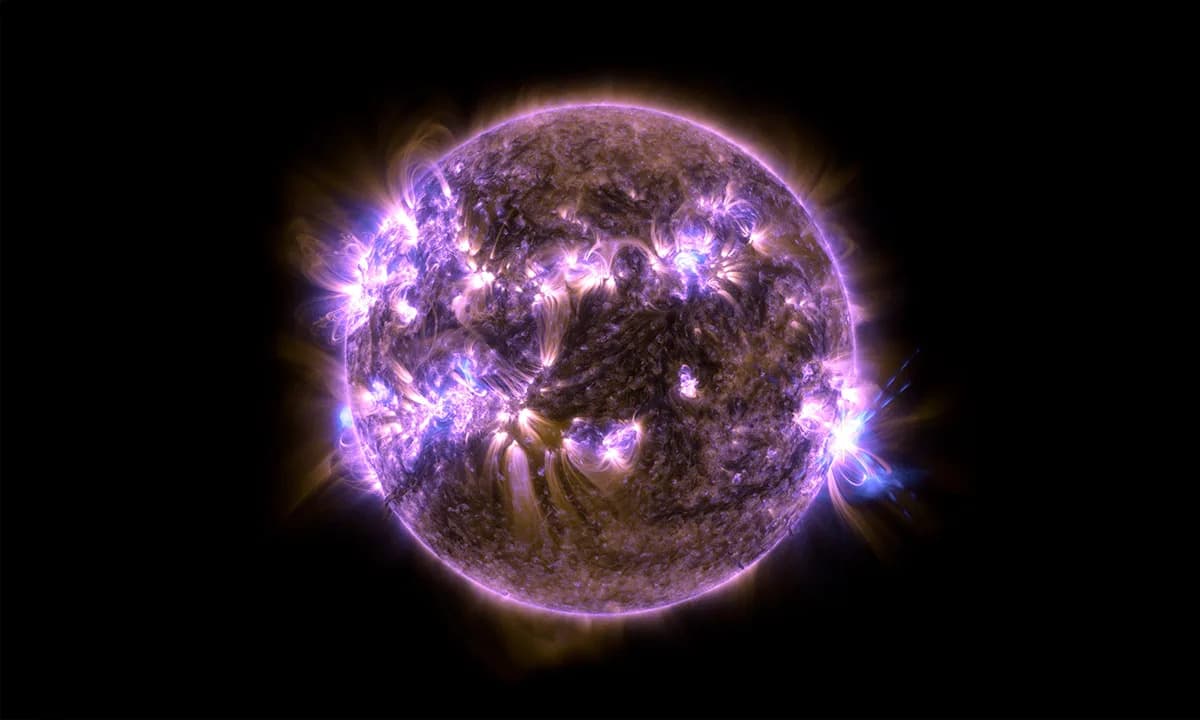
Region 4366 seen on the surface of the sun via NASA's Solar Dynamics Observatory (SDO) spacecraft on Feb. 4, 2026. This region is producing dozens of solar flares. (Image: NASA SDO)
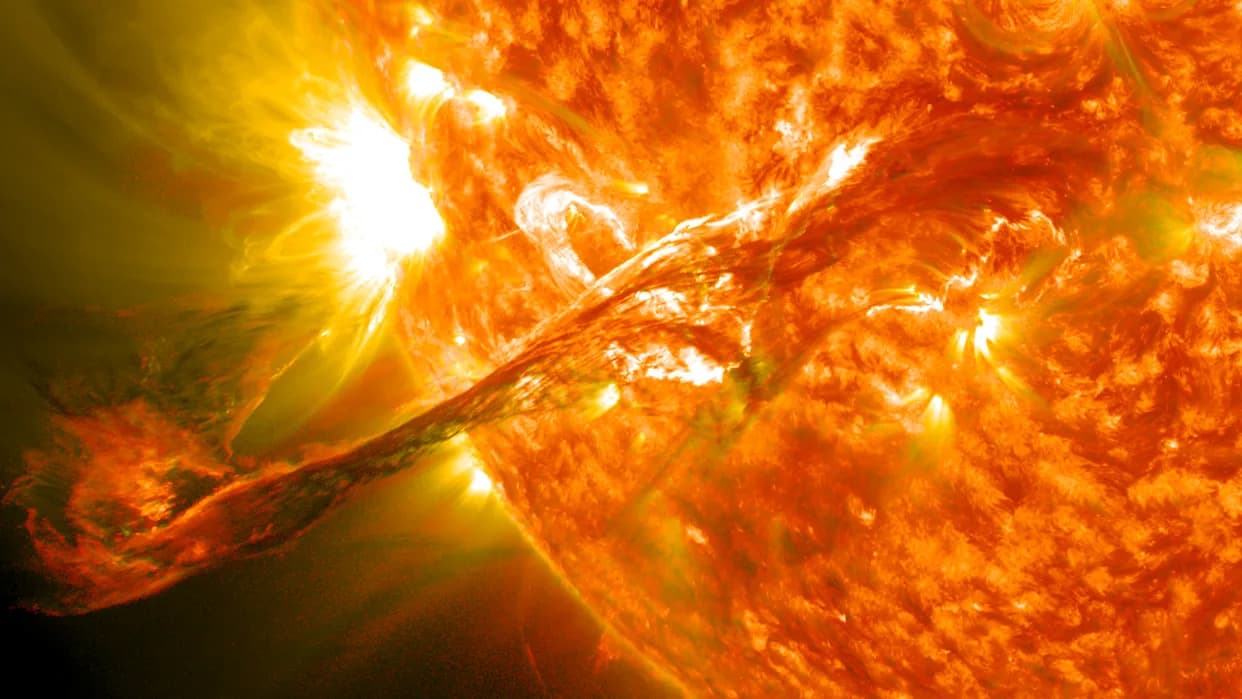
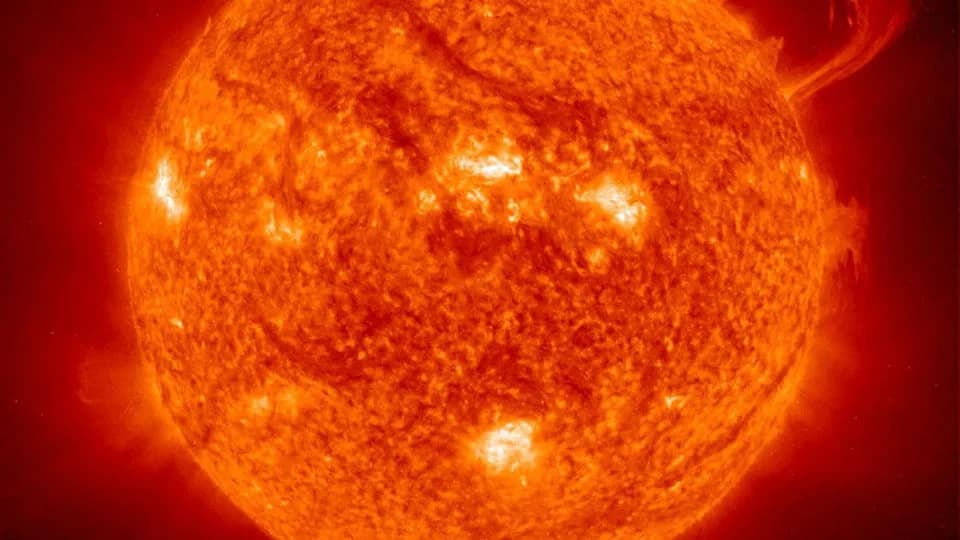
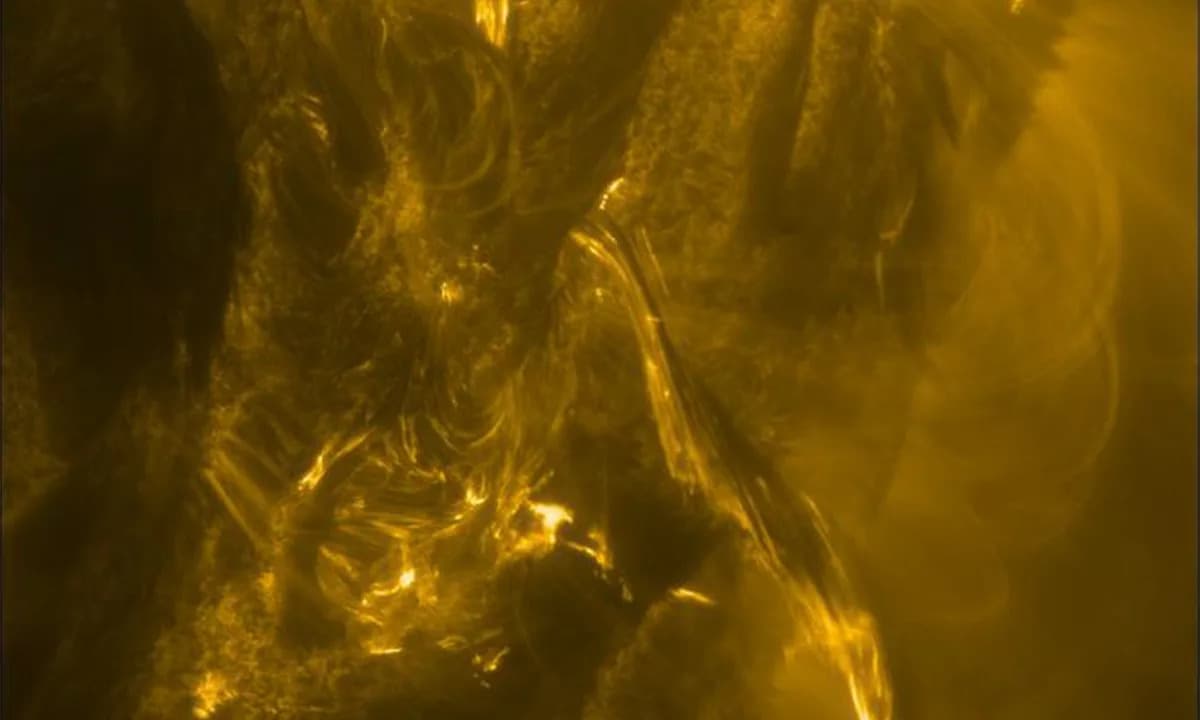
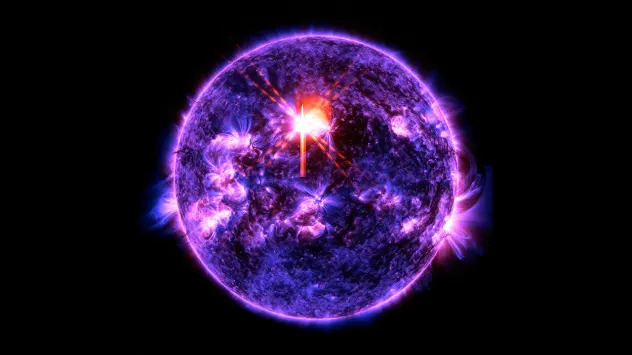
A newly active sunspot region, labeled Region 4366, has erupted repeatedly this week, producing dozens of solar flares including several intense X‑class events. NASA's Solar Dynamics Observatory (SDO) captured vivid extreme‑ultraviolet imagery of the most recent bursts, offering a dramatic look at the Sun's increasing activity.
AccuWeather.com
Strong Flares and Recent Activity
On Wednesday, Region 4366 emitted an X4.2 flare just hours after an X1.5 event. Earlier the same week the region produced one of the strongest flares of the year, an X8.1 eruption. In SDO imagery, the X4.2 flash appears as a bright, high‑energy burst of extreme‑ultraviolet light highlighting superheated solar material in vivid colors.
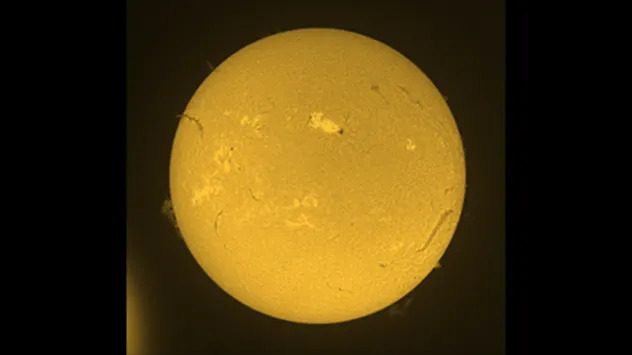
An H-alpha image from Slooh's northern hemisphere observatory at the Institute of Astrophysics of the Canary Islands taken on Feb. 4, 2026. (Image credit: Slooh)
Flare Counts Since Emergence
According to NOAA's Space Weather Prediction Center (SWPC), since Region 4366 emerged on Jan. 30 it has produced 21 C‑class flares, 38 M‑class flares and six X‑class flares. Forecasters say the area is likely to remain active in the coming days.
“The sun is putting on quite a show right now,” said Dr. Emma Cain Louden, PhD, astrophysicist and president of Slooh. “This H‑alpha image from Slooh's northern‑hemisphere observatory at the Institute of Astrophysics of the Canary Islands (IAC) reveals filaments, prominences and active regions — all signs we're approaching solar maximum. When these features erupt, they can send charged particles toward Earth, potentially affecting satellites and creating auroras.”
CME And Earth Impacts
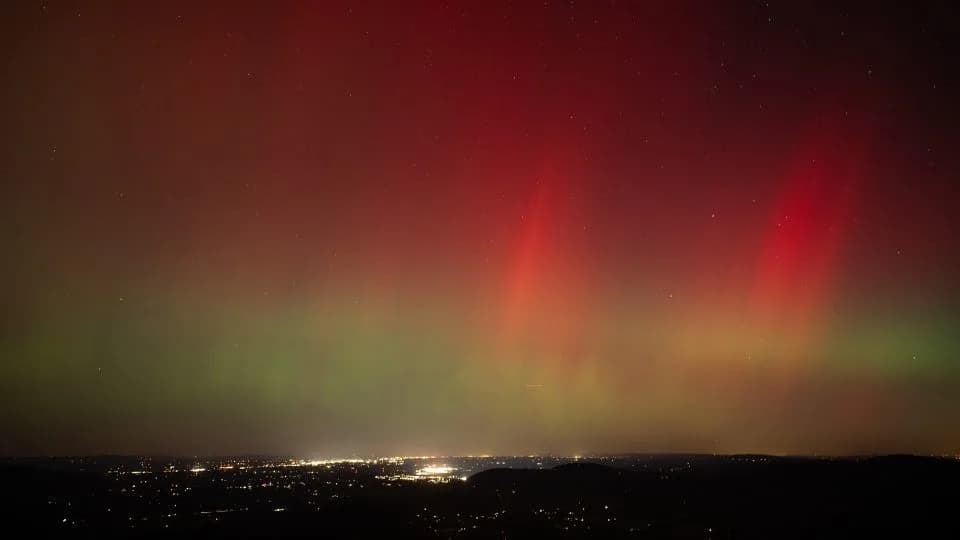
Cain Louden noted that a flare from the region on Feb. 1 launched a coronal mass ejection (CME) that reached Earth's near‑space environment on Feb. 4, producing geomagnetic effects. SWPC warns that any further CMEs from Region 4366 could trigger additional geomagnetic storms and lead to enhanced auroral displays at higher latitudes.
What To Watch For: Scientists will continue monitoring Region 4366 for more flares and CMEs. Operators of satellites and power grids pay close attention to SWPC alerts during active solar episodes, and skywatchers in polar regions may see intensified northern and southern lights if geomagnetic activity increases.
Help us improve.