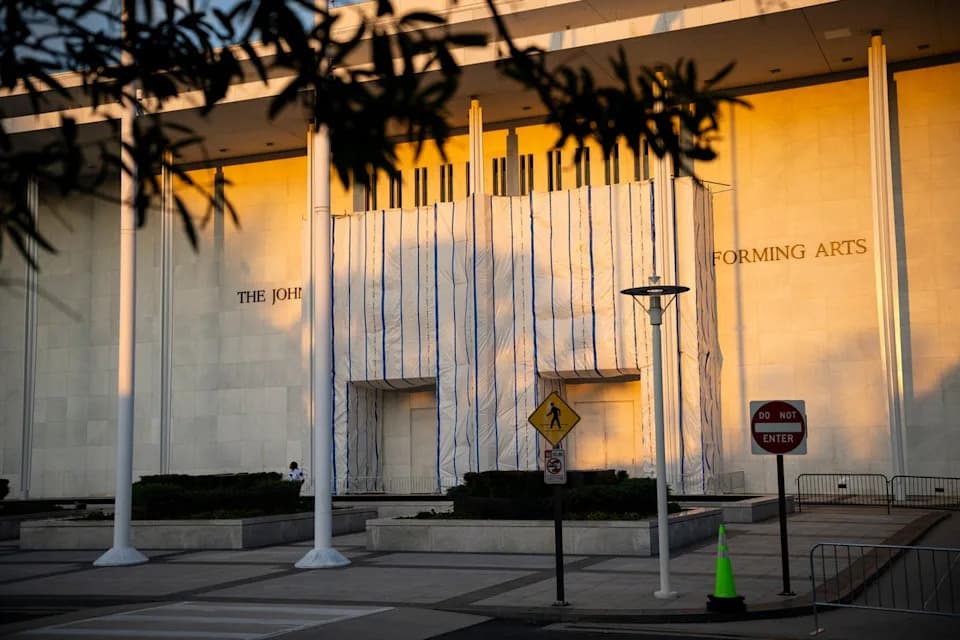
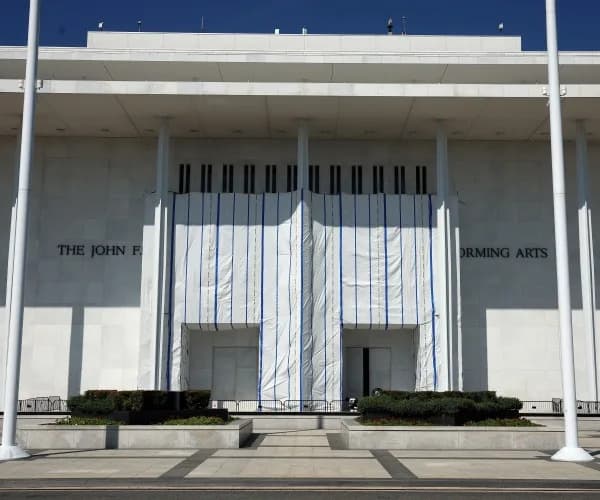
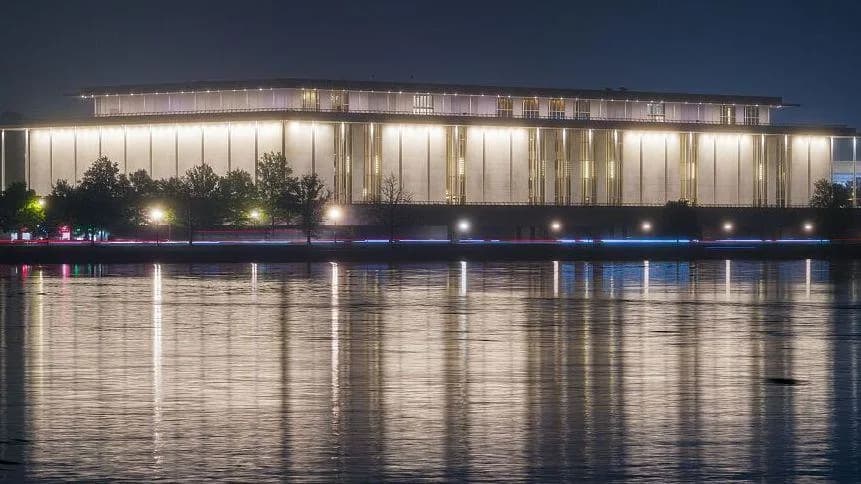
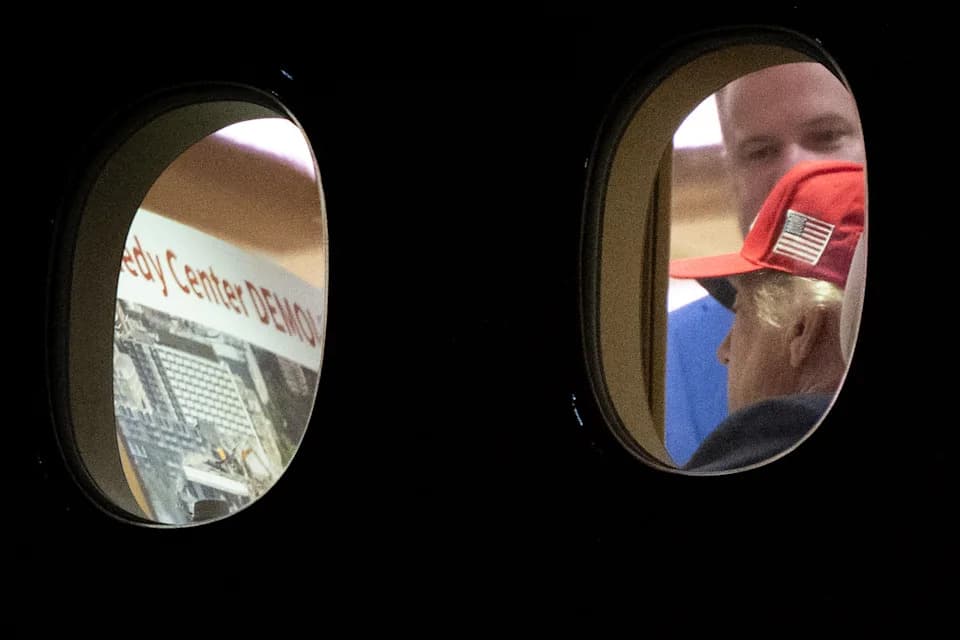
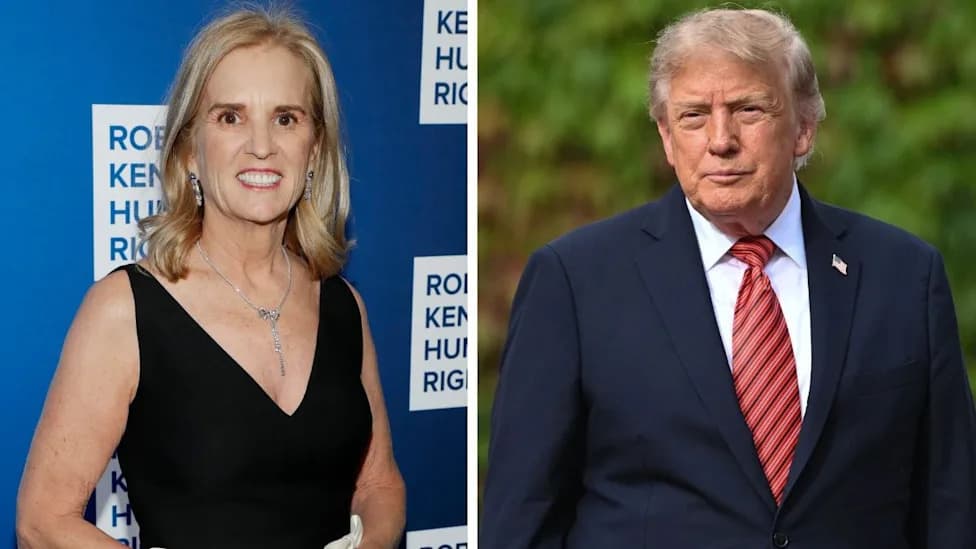
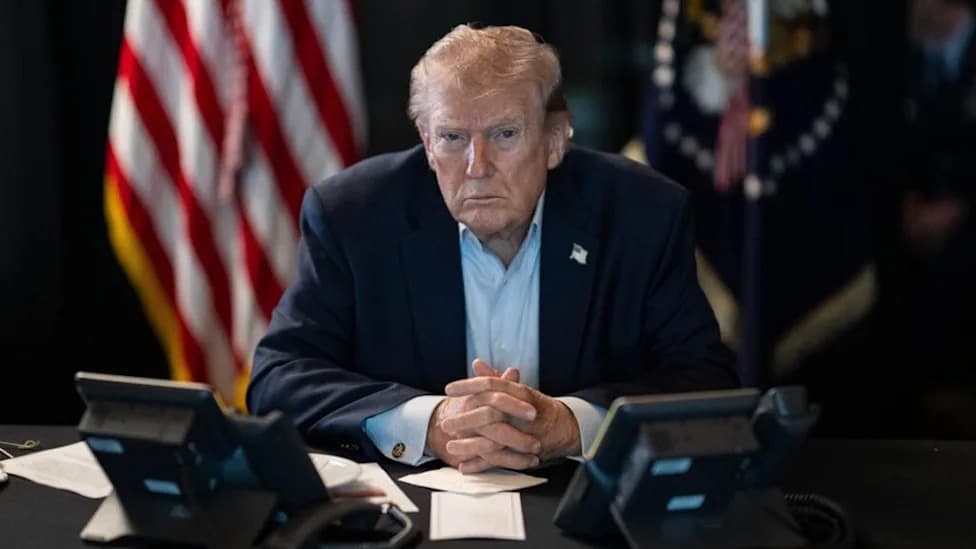
The Kennedy Center will close after July 4 for "renovations," but critics view the move as part of a broader attempt by the president to exert political control over cultural institutions. After installing loyalists and seeking to attach his name to the building, the administration faces mass artist withdrawals and accusations of cultural capture. The shutdown — especially its timing — is being read as a symbolic threat to the independence of public culture and a warning to museums, theaters and artists nationwide.
Closing the Kennedy Center: Why This Shutdown Is More Dangerous Than It Looks
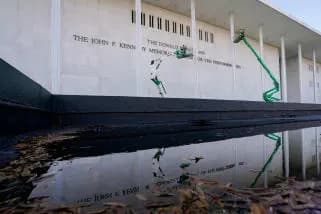
Shutting down the Kennedy Center is even more serious than it looks
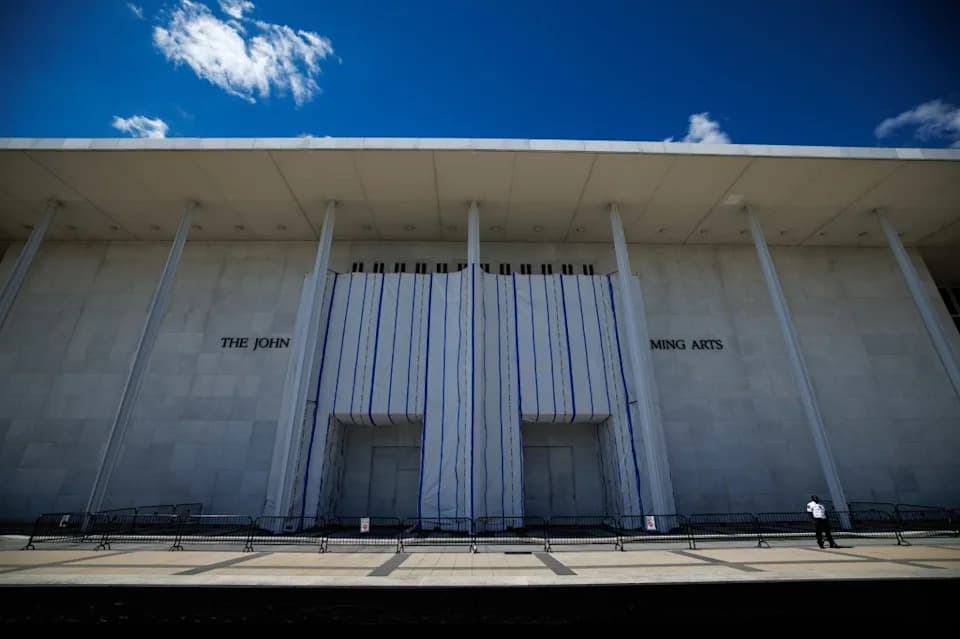
Earlier this week the Trump administration announced that the John F. Kennedy Center for the Performing Arts in Washington, D.C., will close after July 4 for what officials describe as “renovations.” On its face, that sounds like a routine maintenance decision. Viewed in context — following recent moves to reshape leadership at the center and amid a wider pattern of presidential interventions in cultural life — the closure reads as something more consequential.
What Happened
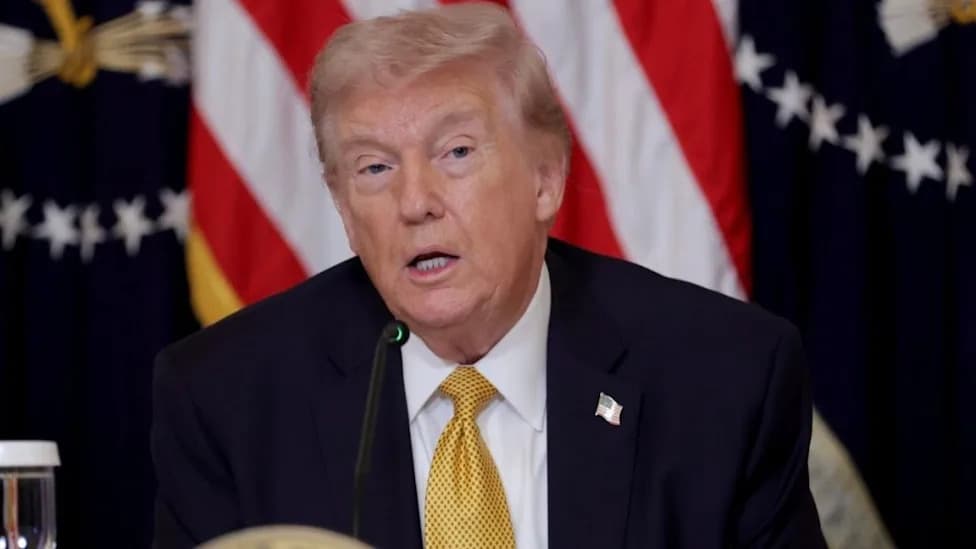
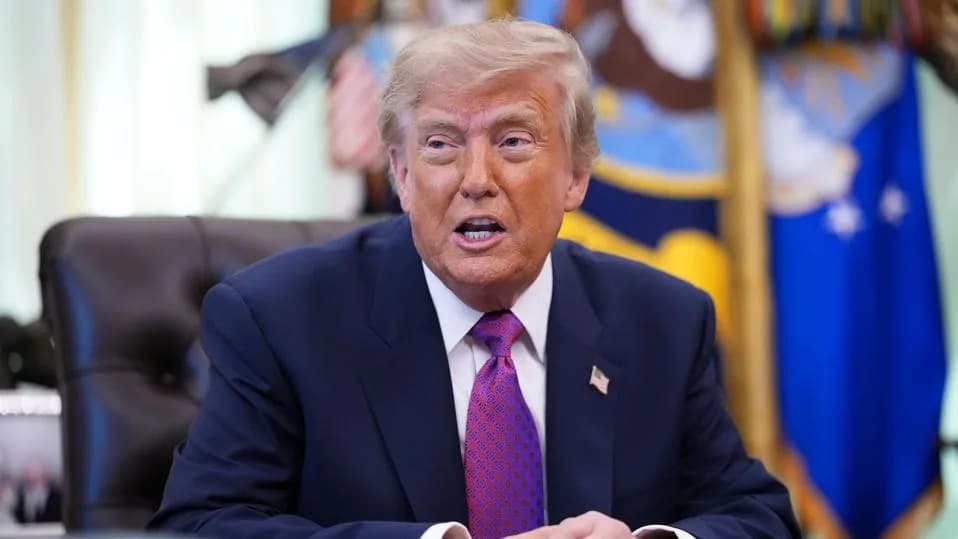
The administration says the shutdown is temporary and tied to refurbishment work. Critics point to a string of prior decisions: the president’s effort to sit on the Kennedy Center board, public pushes to affix his name to the institution (a step that, in practice, normally requires congressional approval), and the appointment of political loyalists to key posts. Large numbers of artists have canceled appearances in protest, saying they do not want to be associated with what they view as a politically co-opted venue.
Why It Matters
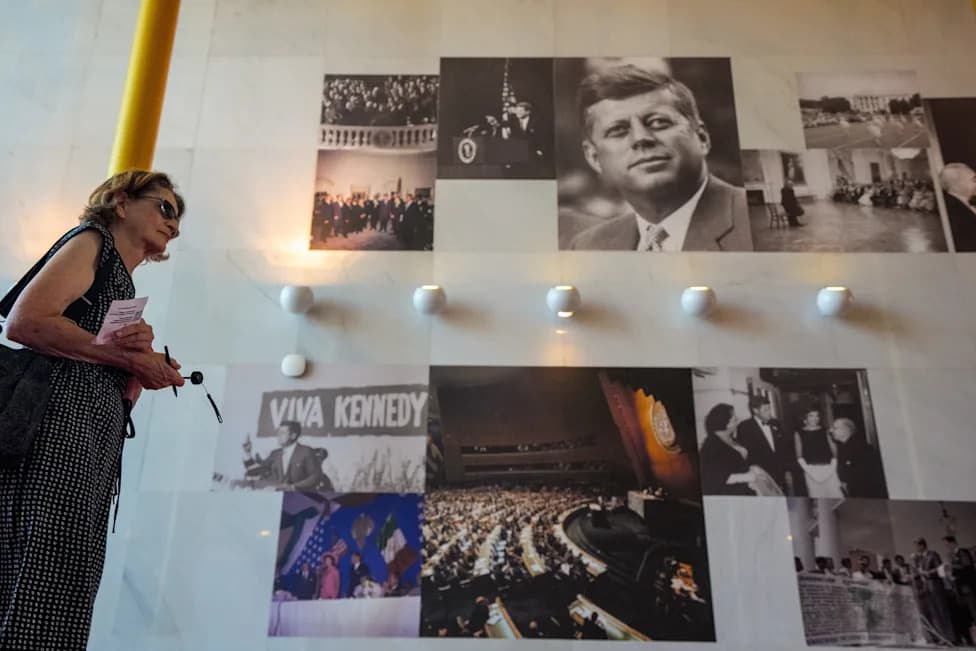
For more than fifty years the Kennedy Center has been presented as a national stage intentionally insulated from partisan politics. That separation matters because cultural institutions derive credibility from independence: artists and audiences trust that honors, platforms and programs are awarded on merit rather than political loyalty. When a seat at a national stage depends on political conformity, the character of public culture changes.
“Culture cannot be policed by loyalty tests,” as one critic put it — and the consequences go beyond aesthetics. Control of symbolic institutions is often a step in broader attempts to secure legitimacy and silence dissent.
International Comparisons
Analysts compare the pattern to examples abroad where leaders have centralized cultural authority to reinforce political power. In Turkey and Hungary, officials have reorganized cultural bodies and funding to elevate friendly voices and marginalize critics — a tactic that can normalize exclusion and narrow public debate.
What To Watch
The Kennedy Center’s closure is a warning sign to museums, theaters and cultural organizations nationwide: cooperation may now come with conditions, and refusal can prompt retaliation. The decision to time the shutdown right after Independence Day has been read by some as symbolic — a day associated with national freedom coinciding with a restriction on cultural freedom.
This episode does not, by itself, end democratic life. But democratic erosion is typically incremental: institutions are pressured and weakened one by one while the rest of the public focuses elsewhere. If cultural independence is to be defended, institutions, artists and audiences will need to act before the pattern becomes normalized.
Credits: For more commentary, see programming from MS NOW including The Weeknight with Michael Steele, Alicia Menendez and Symone Sanders-Townsend.
Help us improve.