NASA released an International Space Station timelapse showing vivid green aurora ribbons and an orange atmospheric glow along Earth’s limb. Auroras form when charged solar particles strike atmospheric gases — oxygen yields green/red, nitrogen yields blue/purple. A strong solar flare on Feb. 3 and recent eruptions raise the chance of enhanced geomagnetic storms, which can both broaden auroral visibility and affect power grids. Continued solar activity could make the Northern Lights visible at lower latitudes in the coming days.
NASA Timelapse Captures Vivid Green Auroras Rippling Over Earth — Solar Storms Could Expand the Display
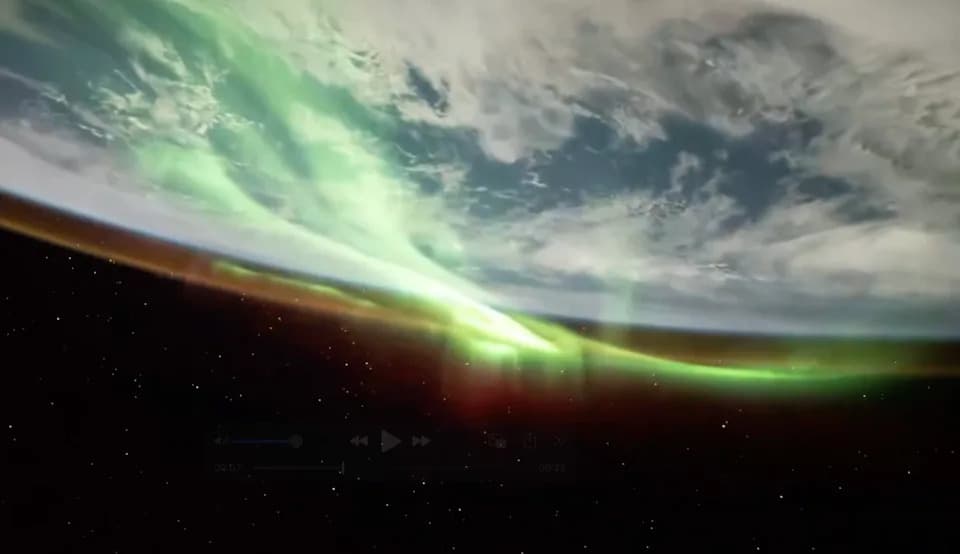
Striking green aurora ribbons illuminate Earth from International Space Station
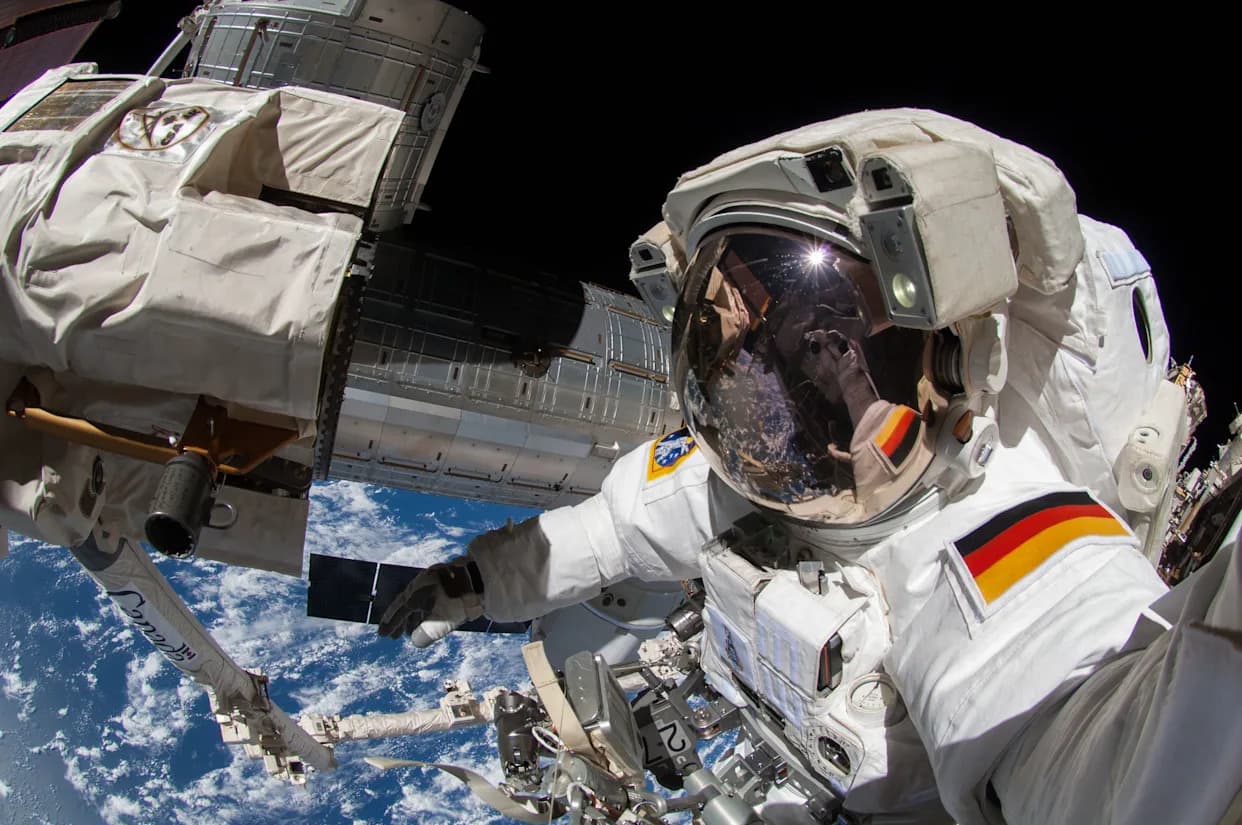
Footage released by NASA shows vivid green ribbons of aurora sweeping across Earth, captured in a timelapse shot from the International Space Station. The sequence highlights shimmering curtains of light above the planet and a thin orange glow outlining the atmospheric limb.
What the video shows: The timelapse provides a rare orbital perspective of auroral curtains that ground-based observers cannot fully appreciate — a dynamic view of charged particles interacting with Earth’s upper atmosphere while the thin orange horizon marks the atmospheric edge.
How Auroras Form
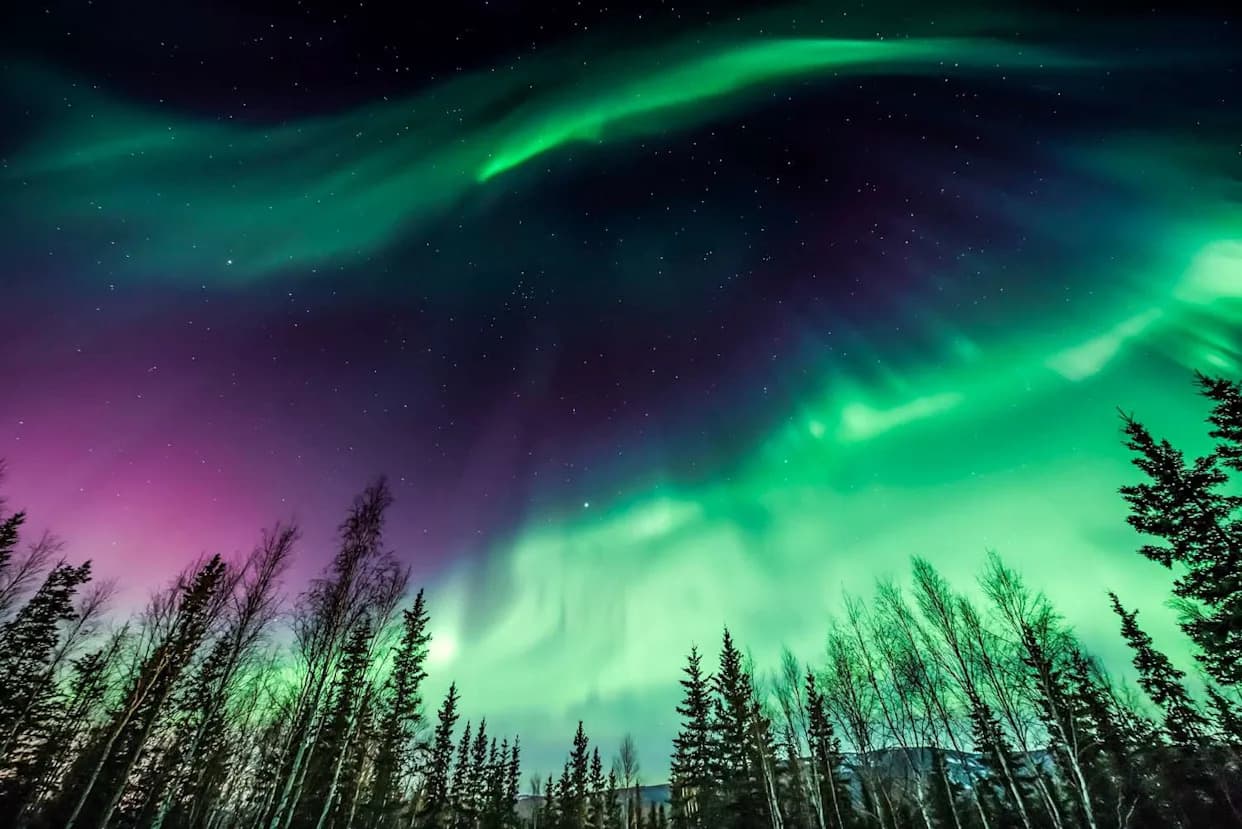
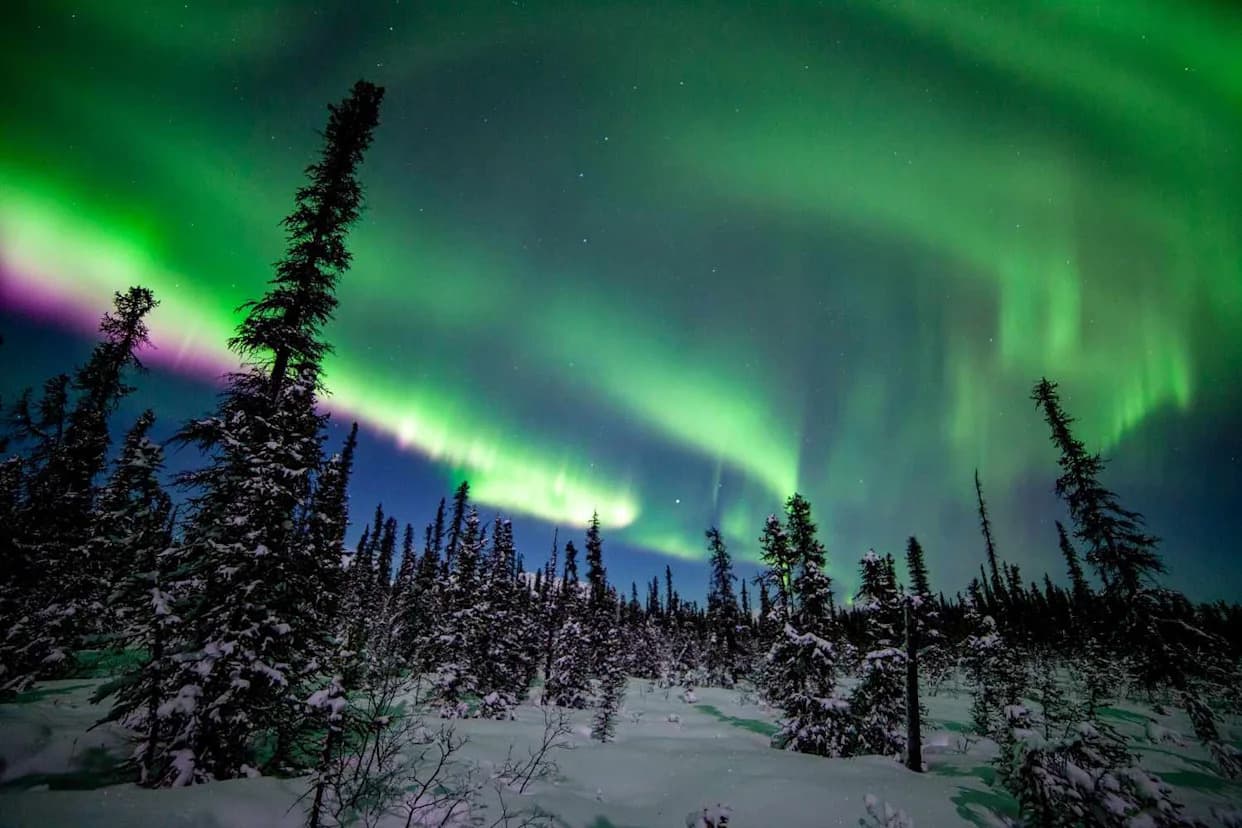
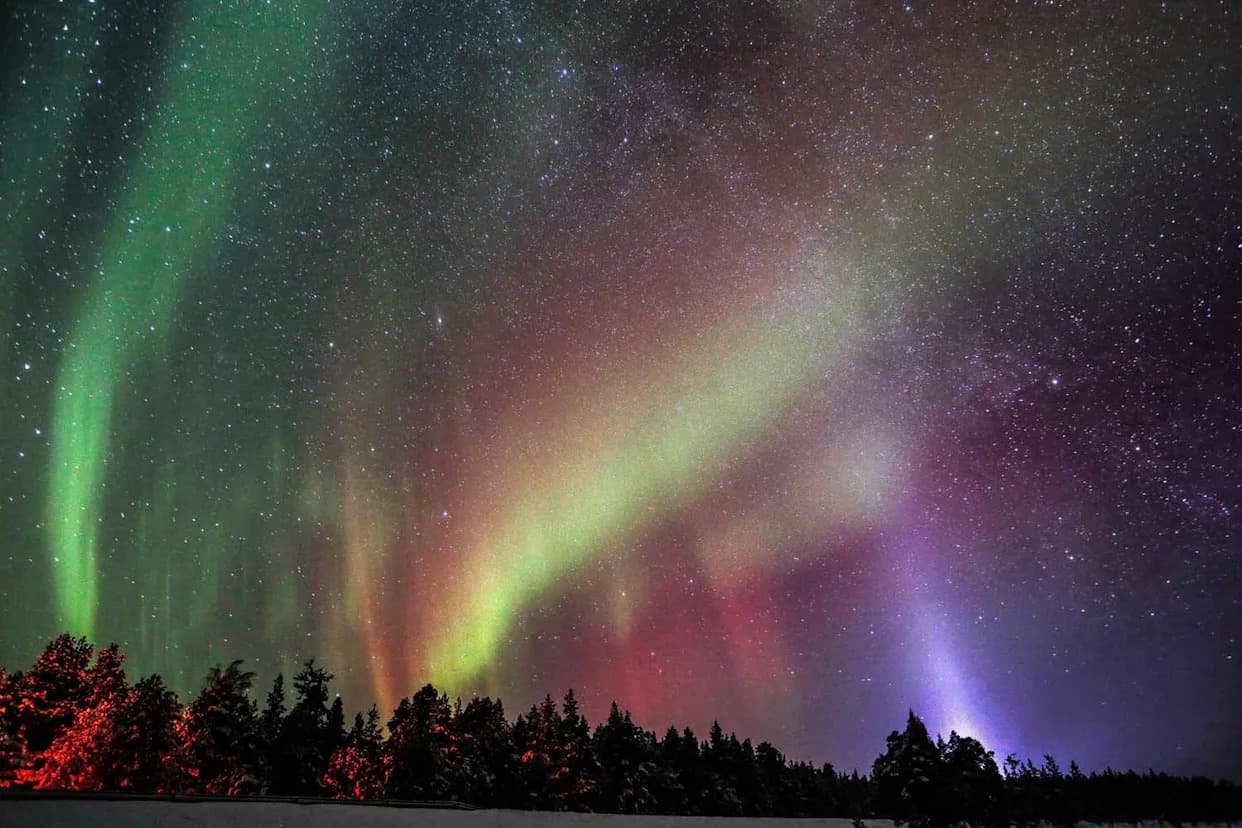
NASA explains that auroras occur when charged particles from the Sun collide with gases in Earth's atmosphere, guided by the planet’s magnetic field. Different gases emit different colors: oxygen produces green and red light, while nitrogen contributes blue and purple hues.
"Oxygen produces green and red light, while nitrogen contributes blues and purples — a luminous reminder that Earth is constantly interacting with space weather far beyond what we can see from the ground," NASA said.
Solar Activity and Potential Impacts
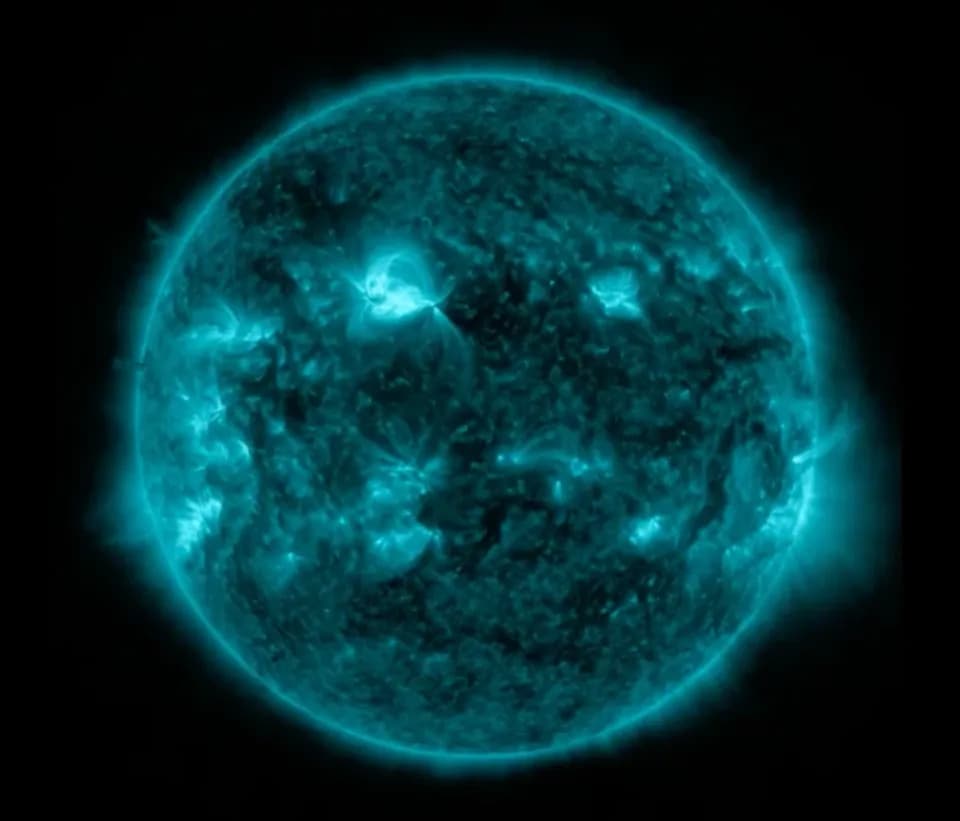
On Tuesday, Feb. 3, the Sun unleashed a strong solar flare following several eruptions in recent days. When solar flares are accompanied by coronal mass ejections (CMEs), they can send energetic particles and magnetic material toward Earth. NOAA and NASA warn that these arrivals can drive geomagnetic storms, which may both brighten and expand auroral displays and, in stronger cases, cause power-grid fluctuations and other technological impacts.
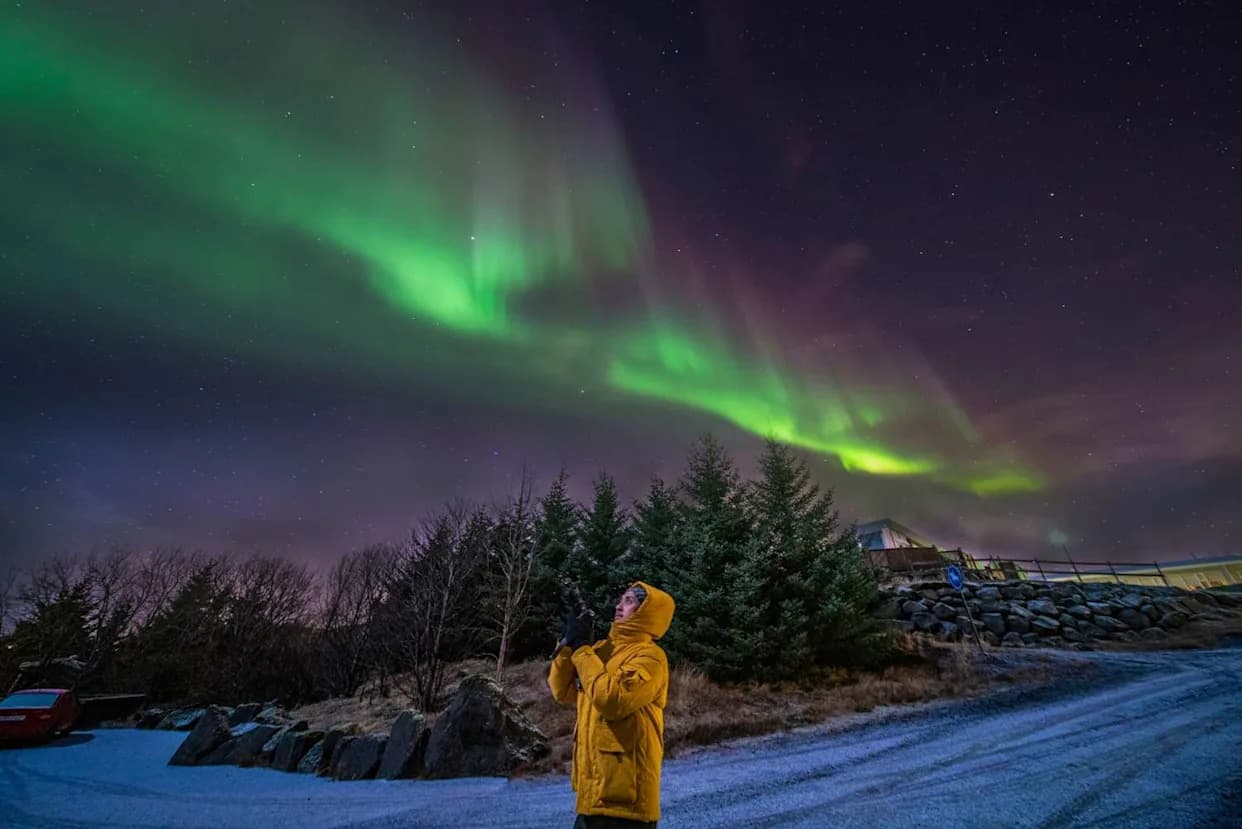
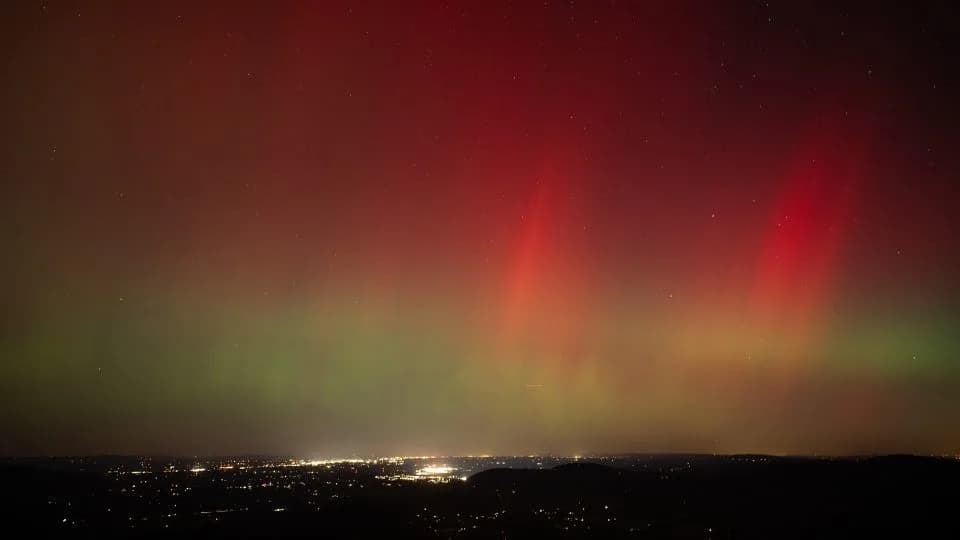
In late January, a strong geomagnetic storm already allowed millions across many U.S. states to see the Northern Lights — an event uncommon at those latitudes. Experts say continued solar activity could make auroras visible at lower latitudes in the coming days.
How to Watch
To catch a display, check real-time aurora forecasts (Kp index and NOAA alerts) and local clear-sky conditions. Even when skies near you look quiet, satellite timelapses like this one reveal the global dance of space weather from orbit.
The timelapse was recorded aboard the International Space Station and published by NASA.
Help us improve.