Sunspot 4366 produced 27 flares over Feb. 1–2, including at least 23 M-class and four X-class events, capped by an X8.1 flare — the strongest single flare since October 2024. NOAA's SWPC warns a coronal mass ejection associated with the event will pass near Earth on Feb. 5; a glancing impact is possible and could produce bright auroras at lower latitudes. Partial radio blackouts were reported in the South Pacific, and elevated space weather is expected to remain a concern through the solar maximum into 2026.
Sunspot 4366 Erupts: 27 Flares in 24 Hours Including X8.1 — Strongest Since 2024
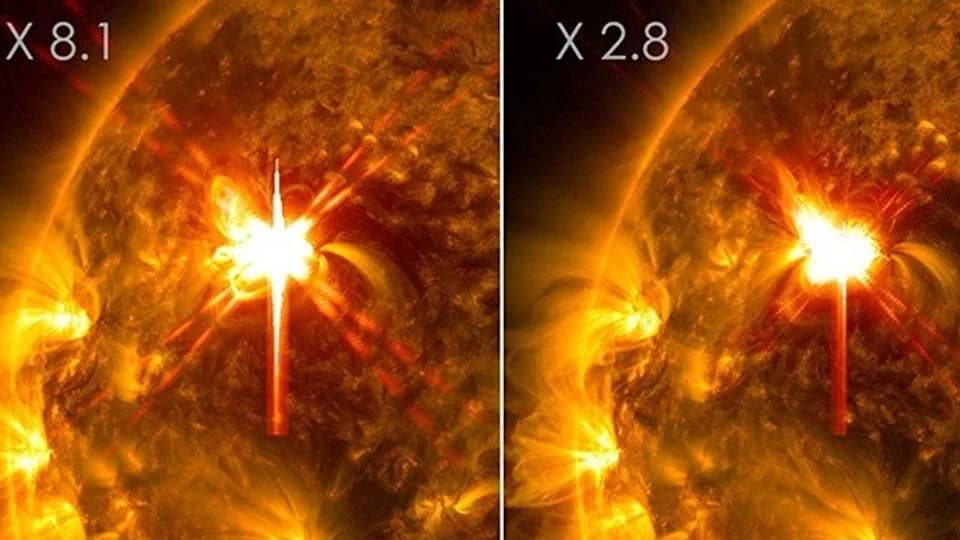
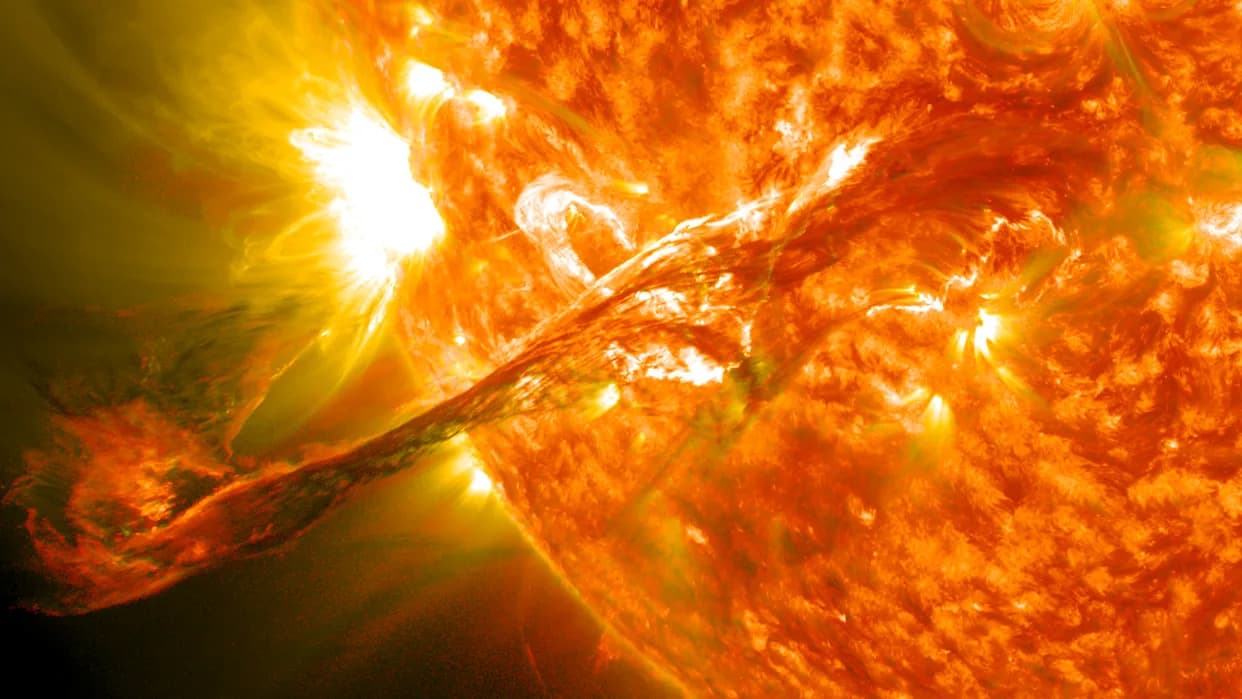
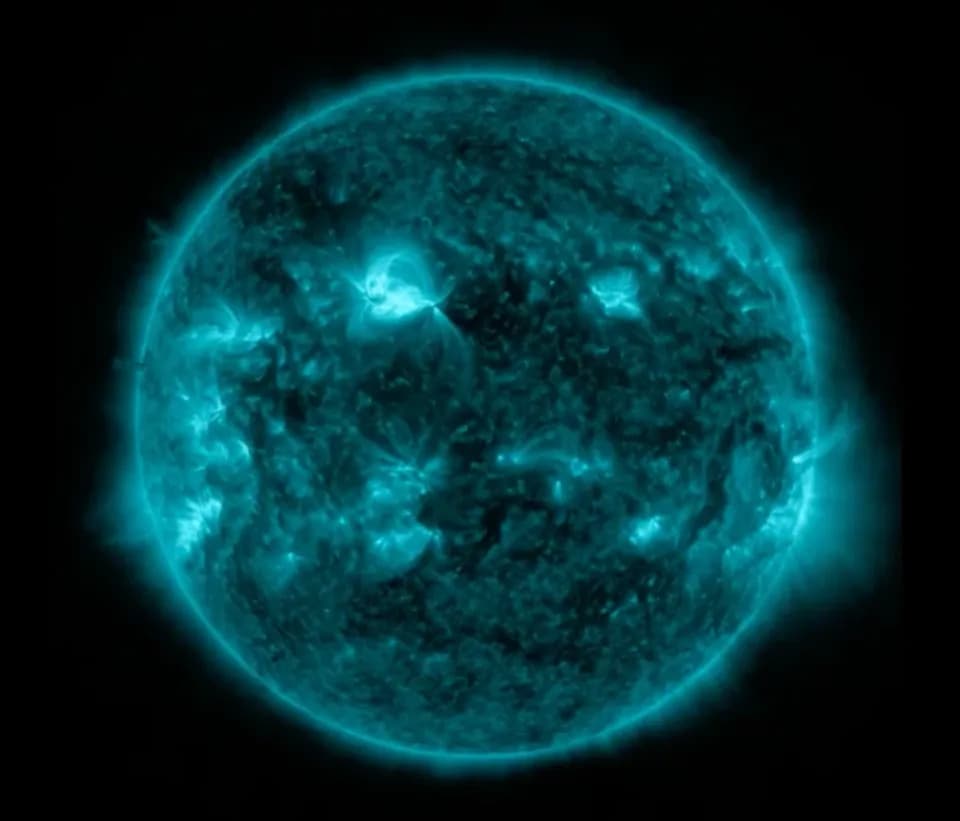
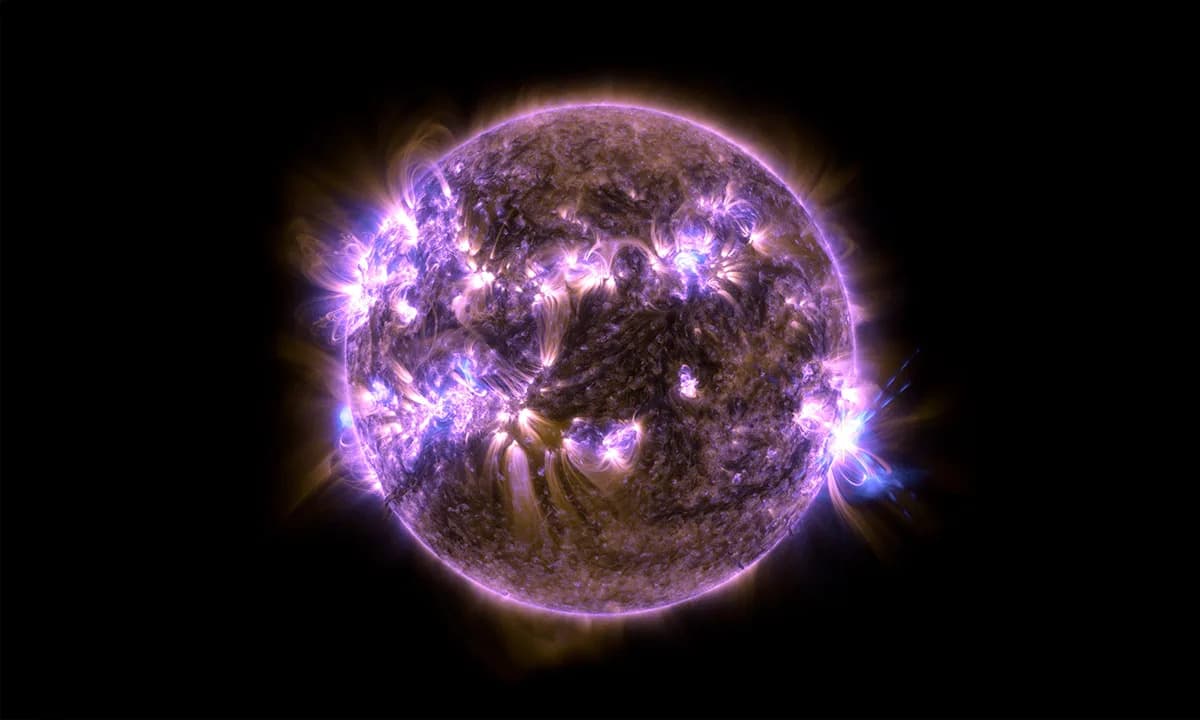
Four X-class solar flares erupted from the sun on Feb. 1-2. NASA's Solar Dynamics Observatory captures these images of the outbursts. | Credit: NASA/SDO
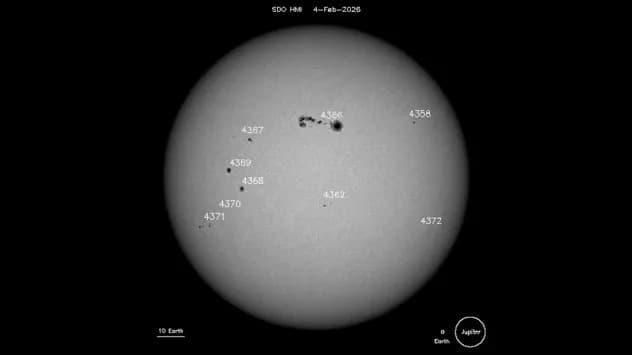
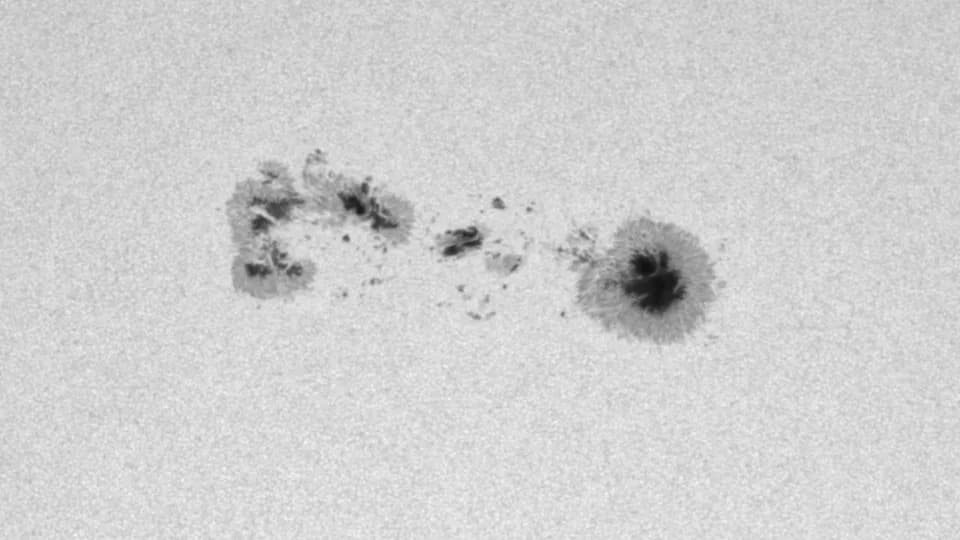
A large sunspot now facing Earth, designated region 4366, produced an intense burst of activity over Feb. 1–2, erupting with 27 solar flares in a 24-hour span — including at least 23 M-class flares and four X-class flares. The event peaked with a powerful X8.1 flare at about 6:57 p.m. EST, the strongest single flare observed since October 2024.
What Happened
Region 4366 appeared suddenly and expanded rapidly to roughly half the size of the sunspot associated with the 1859 Carrington Event. That fast growth left the region highly unstable. Between Sunday and Monday, the Sun unleashed a barrage of flares, and the X8.1 event launched a coronal mass ejection (CME) toward Earth's vicinity.
Forecast And Possible Effects
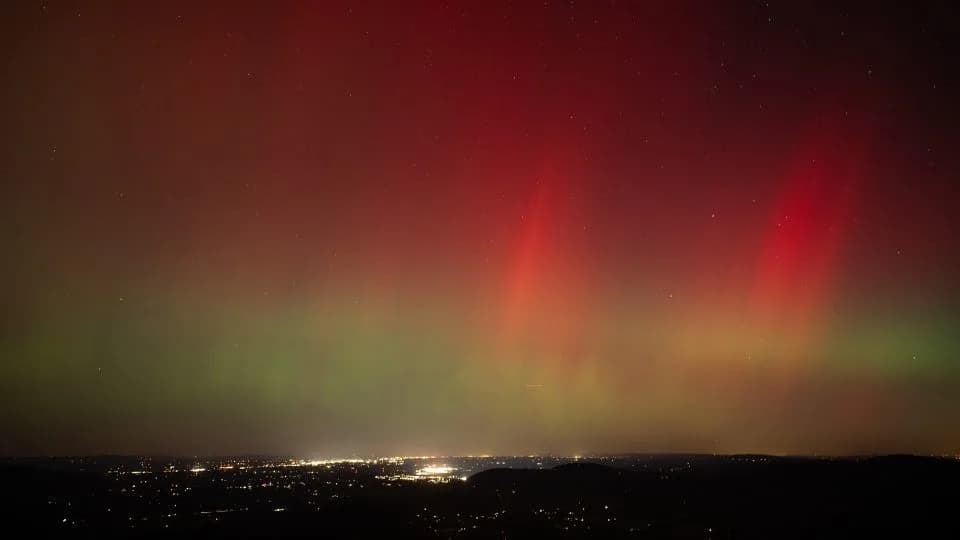
The National Oceanic and Atmospheric Administration's Space Weather Prediction Center (SWPC) issued an alert saying elevated geomagnetic activity is possible on Feb. 5 as the CME passes by. The SWPC currently predicts the CME will largely miss Earth, though a glancing blow remains possible. If Earth is clipped, charged particles could funnel toward the magnetic poles and produce bright auroras at lower latitudes than usual.
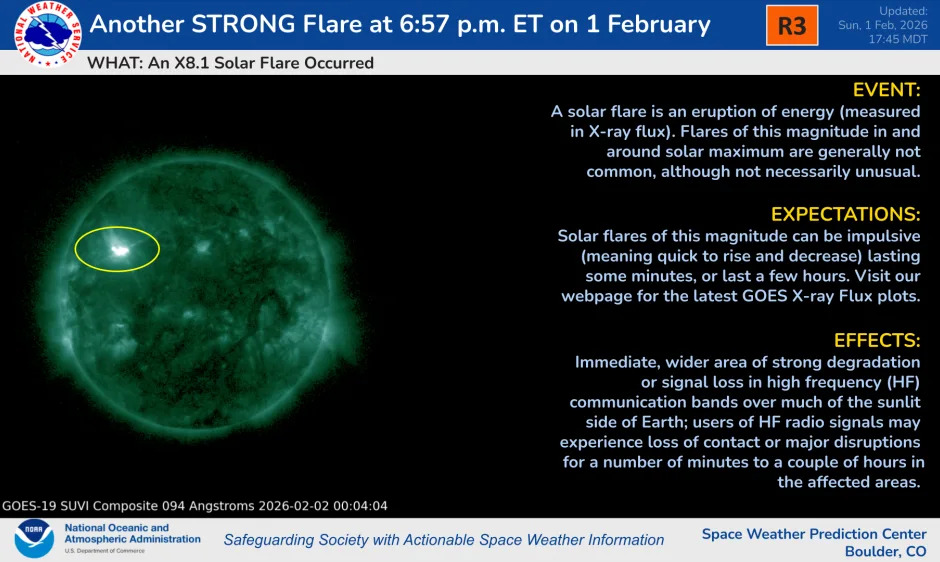
NOAA released this alert following the flare's eruption. | Credit: NOAA
Spaceweather.com reported that the X8.1 flare caused partial radio blackouts in the South Pacific. Intense solar radiation and CMEs can also disrupt high-frequency radio communications, degrade GPS accuracy, and damage satellites or spacecraft electronics.
Context: Solar Cycle And Recent Activity
Sunspots are dark, magnetically active regions in the Sun’s lower atmosphere. When magnetic field lines near sunspots become twisted and reconnect, they can trigger solar flares and CMEs. Solar activity follows an approximately 11-year cycle and typically peaks at solar maximum, when flare frequency and intensity rise.
NASA confirmed in 2024 that the current solar maximum is underway and warned that elevated space weather could persist through 2026. A notable example from May 2024 saw a large CME push auroras as far south as Florida. The sunspot responsible for that storm persisted for more than three months and emitted nearly 1,000 flares over its lifetime.
What To Watch For
- Auroras: If Earth receives a glancing CME impact, auroras could appear at lower-than-usual latitudes — keep an eye on SWPC and local space-weather alerts.
- Communications: High-frequency radio and shortwave services may experience outages or degradation during strong flares.
- Satellites and Navigation: Operators should monitor for increased radiation and charged-particle impacts that can affect satellite electronics and GPS performance.
Bottom line: Region 4366 has already produced one of the strongest flares in recent months and remains unstable. Forecasts currently favor a near miss for the associated CME, but space-weather watches and advisories from NOAA/SWPC should be followed for updates.
Help us improve.