Key points: The Sun has produced an S4-level solar radiation storm — the strongest in over 20 years — driven by an X-class flare and a coronal mass ejection. SWPC has warned NASA, airlines, the FAA, FEMA, NERC and satellite operators to prepare. While astronauts, polar flights and satellites face elevated risk, major widespread public technology outages are not expected. Auroras may be visible across much of the northern U.S., and camera sensors can often reveal displays that appear faint to the eye.
Sun Fires Largest Solar Radiation Storm In Over 20 Years — S4 Event Could Spark Widespread Auroras And Affect Satellites
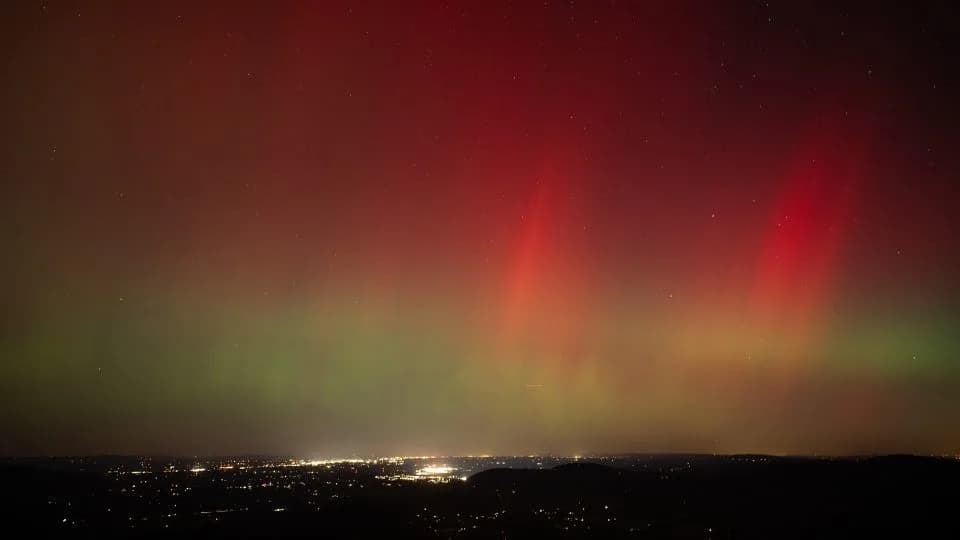
Aurora borealis, or northern lights, produced by a solar geomagnetic storm are seen from Shenandoah National Park in Rileyville, Virginia, in October 2024. - Saul Loeb/AFP/Getty Images/File
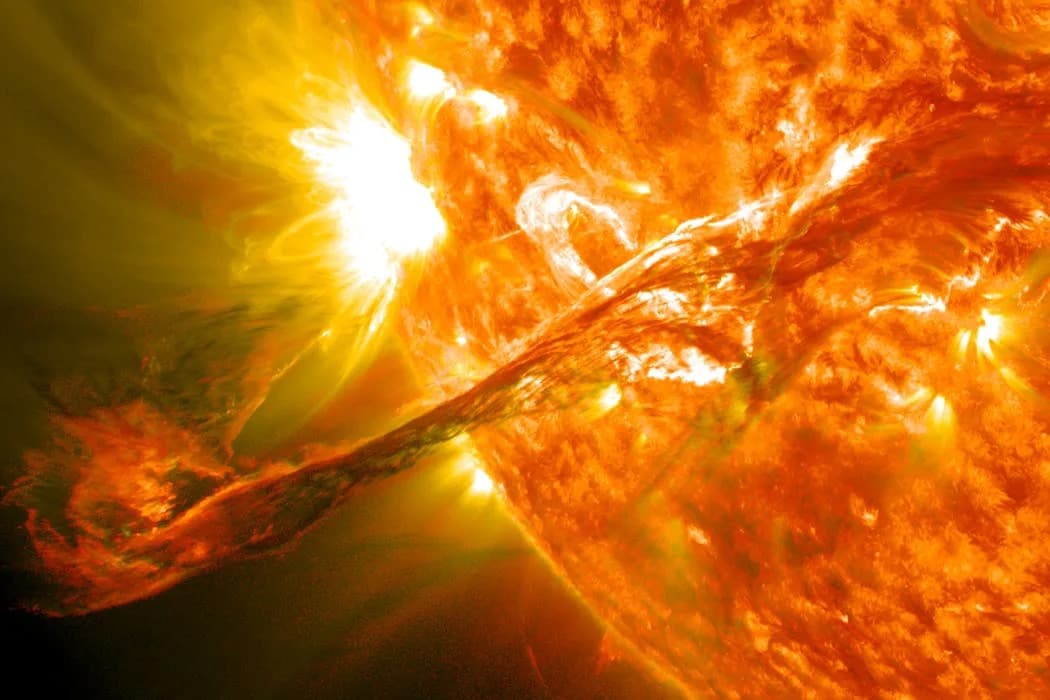
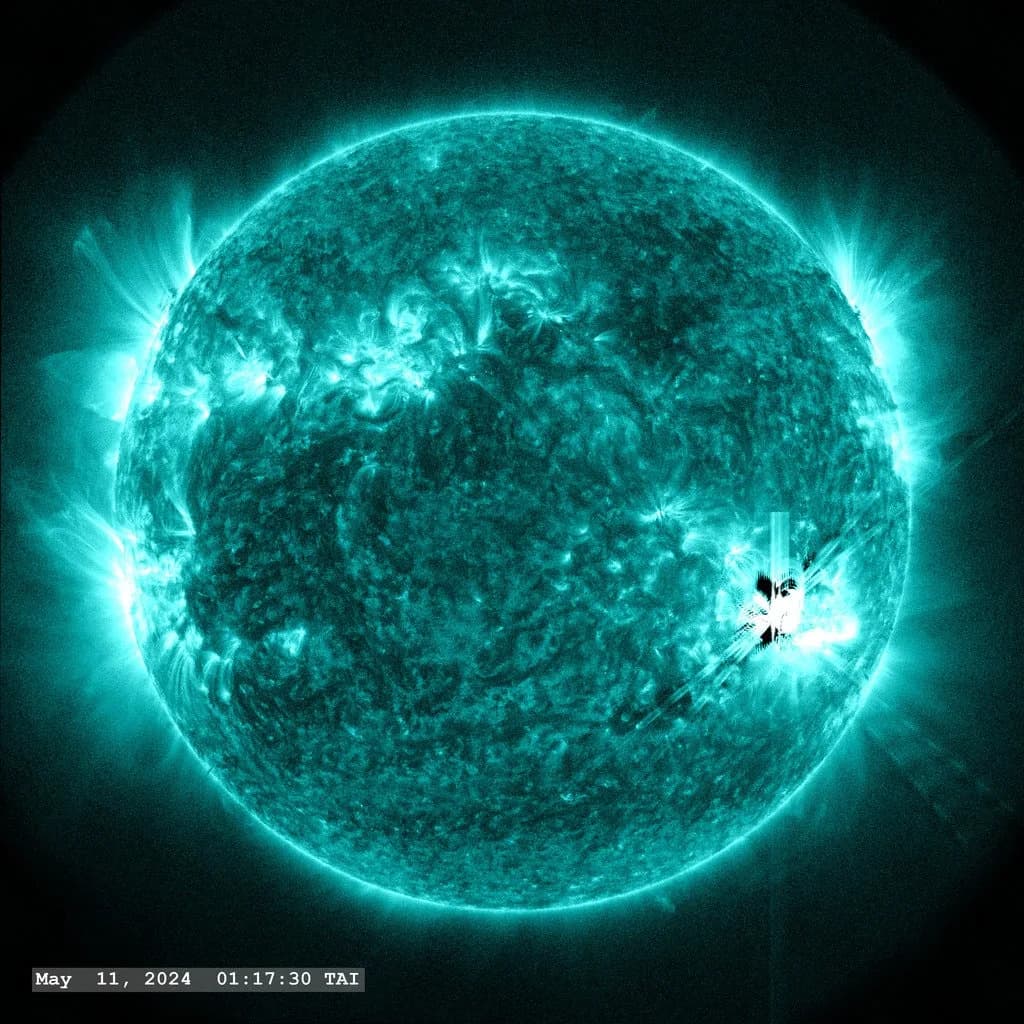
Powerful solar activity launched from the Sun is headed toward Earth and has produced an S4-level solar radiation storm — the most severe category in more than two decades, according to the National Weather Service’s Space Weather Prediction Center (SWPC).
What Happened
SWPC posted on X (formerly Twitter) that “An S4 severe solar radiation storm is now in progress - this is the largest solar radiation storm in over 20 years.” The last S4-level event was in October 2003, when the so-called Halloween storms caused power outages in Sweden and damaged transformers in South Africa.
Why This Matters
The storm was triggered by an X-class solar flare and a coronal mass ejection (CME) that launched from the Sun. Solar radiation storms send fast-moving charged particles toward Earth; when those particles interact with our magnetic field and atmosphere they can produce both intense auroras and disruptions to satellites, GPS signals and aviation systems — especially on polar routes.
Reported And Potential Impacts
- Astronauts: Increased radiation risk for crew in low-Earth orbit (for example, on the International Space Station); crews can shelter in better-shielded station modules if needed.
- Satellites: Higher risk of temporary disruptions to communications, navigation, and satellite operations. Operators may place satellites into safe modes or adjust orbits as precautions.
- Aviation: Polar flights may face increased radiation exposure and possible rerouting or operational changes.
- Power Grids: Strong geomagnetic activity can induce currents in transmission systems; operators have been warned to monitor and mitigate risks.
“We’ve been making all these phone calls to ensure that we are keeping all the critical technological infrastructure operators in the know of what’s happening,” said SWPC forecaster Shawn Dahl.
SWPC has alerted airlines, NASA, the Federal Aviation Administration (FAA), the Federal Emergency Management Agency (FEMA), the North American Electric Reliability Corporation (NERC) and other operators to prepare. A related severe geomagnetic storm was reported to have reached Earth at 2:20 p.m. ET on Monday, which can further affect power systems and satellites.
Auroras: Where And When To Look
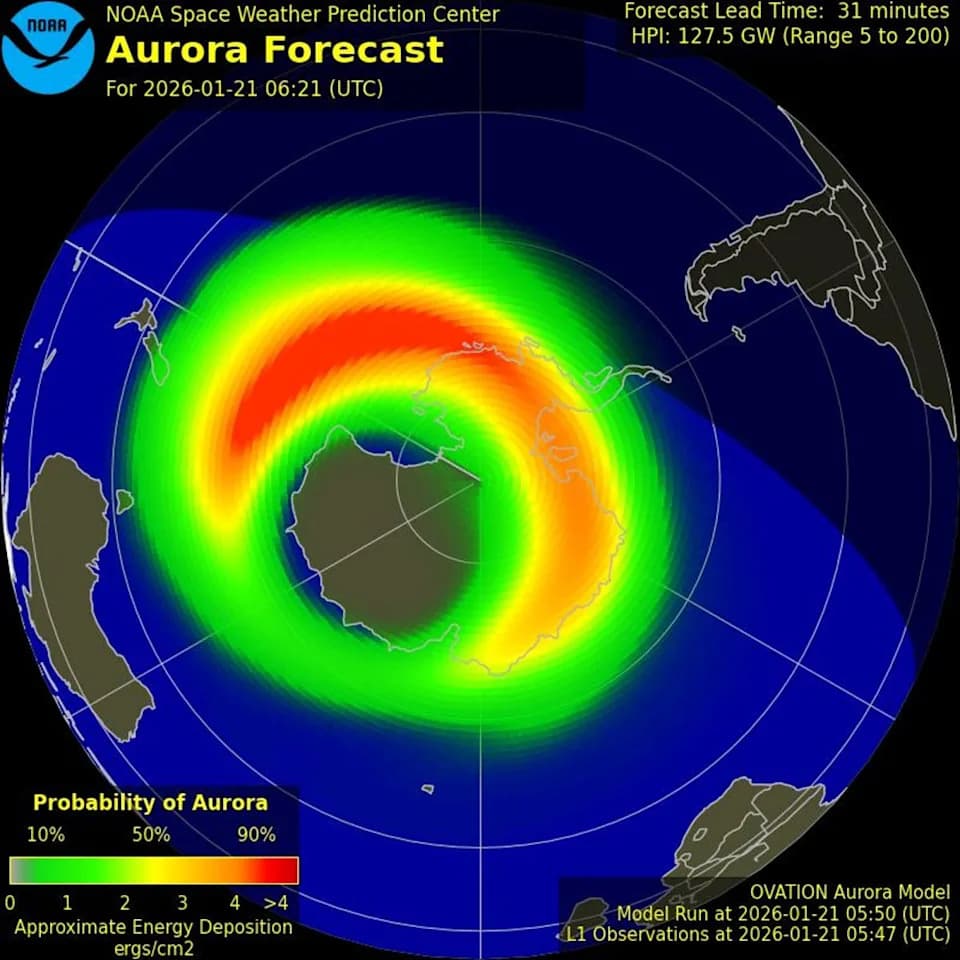
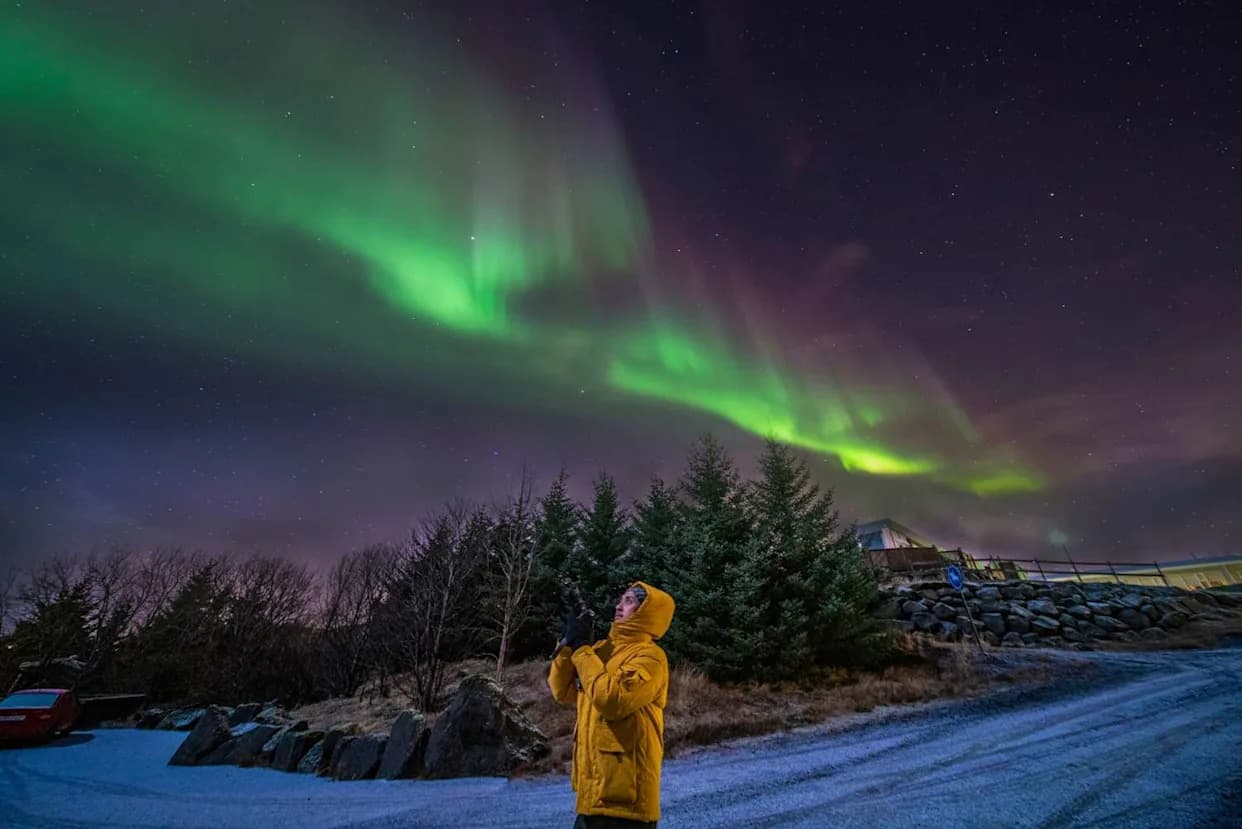
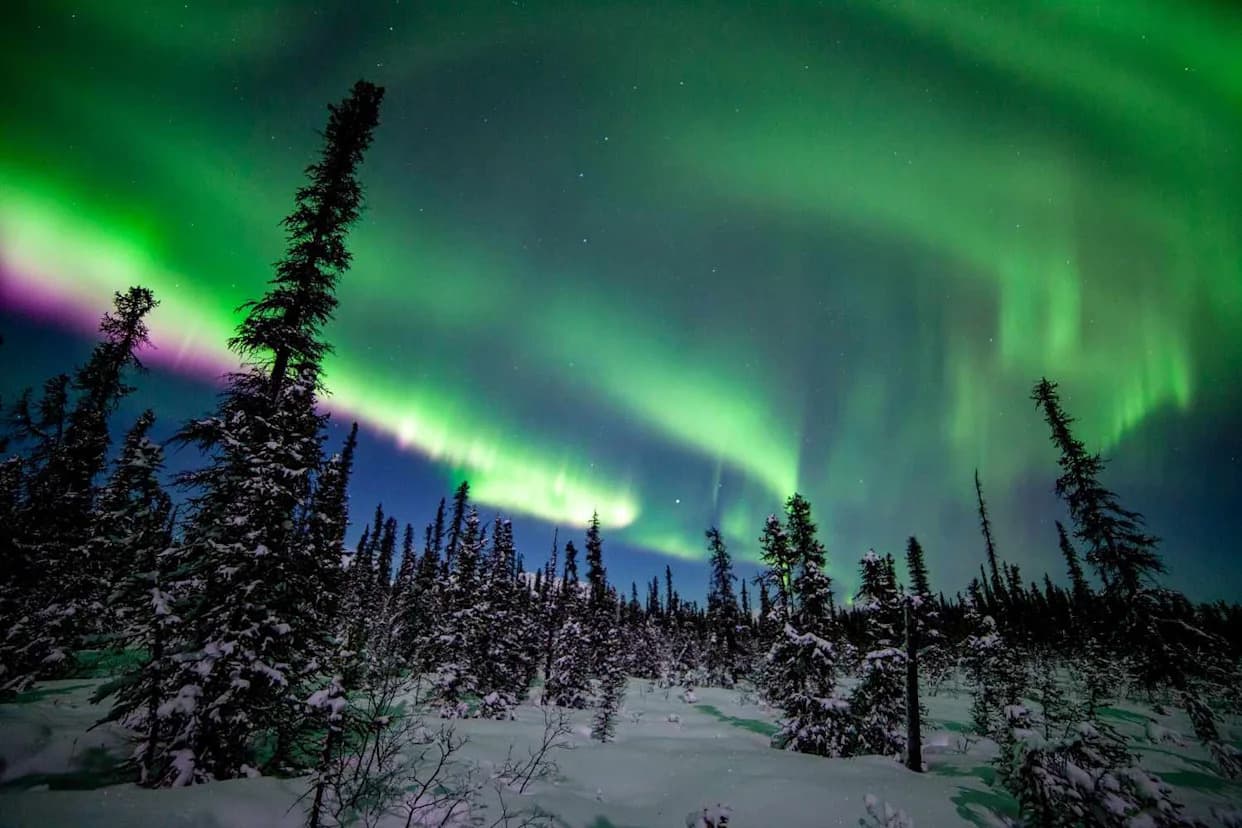
Energetic particles from the CME can light up Earth’s upper atmosphere, creating auroras (the aurora borealis in the north and aurora australis in the south). SWPC says auroras may be visible across much of the northern half of the United States and possibly as far south as Alabama and northern California, depending on local conditions.
CNN meteorologist Chris Dolce noted favorable viewing in parts of the Midwest (including much of Minnesota) with possible clearing over northern Illinois and Wisconsin early Tuesday. The Pacific Northwest may offer viewing west of the Cascades, while conditions in the Northeast will vary by location.
Even when auroras appear faint to the eye, camera sensors — including smartphone cameras — can often capture them. Aurora displays can also intensify briefly in 20-minute bursts called substorms, during which the lights may be visible much farther south than usual.
Practical Advice
- For observers: Find a dark, northern horizon with minimal light pollution and give your eyes time to adjust. Use a camera with a long exposure or night mode to improve detection.
- For operators: Airlines, satellite providers and grid managers should follow SWPC guidance and take established protective measures.
- For travelers: Passengers on polar flights may experience changes; check with carriers for updates.
The Sun’s active region that produced this event remains capable of additional flares over the coming days, and any further eruptions could send more CMEs toward Earth. Scientists and operators will continue monitoring conditions closely.
Help us improve.