The Indiana Senate advanced Senate Bill 88 to require public schools to teach the conservative “success sequence”: finish high school, get full-time work, then marry before having children. Proponents say it’s a low-cost, common-sense anti-poverty tool; critics argue it rests on contested evidence, can stigmatize students from single-parent homes, and overlooks structural and racial inequalities. Research is mixed: some studies show strong correlations, while others find racial gaps or conclude milestone attainment — not order — matters most. The bill now heads to the Indiana House.
Indiana Divided Over Bill Requiring Schools To Teach ‘Success Sequence’ — Marry Before Kids, Lawmakers Say
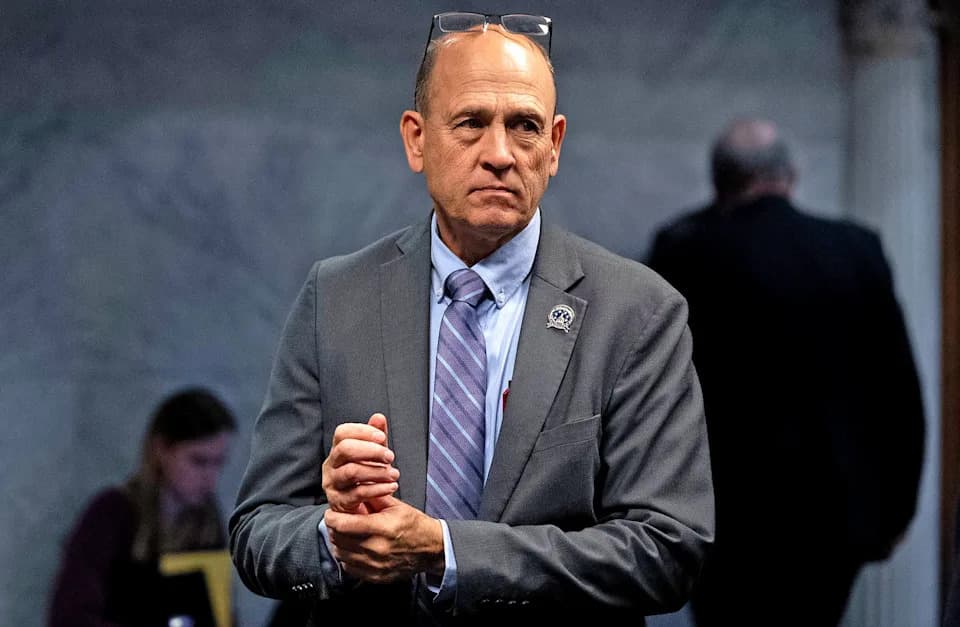
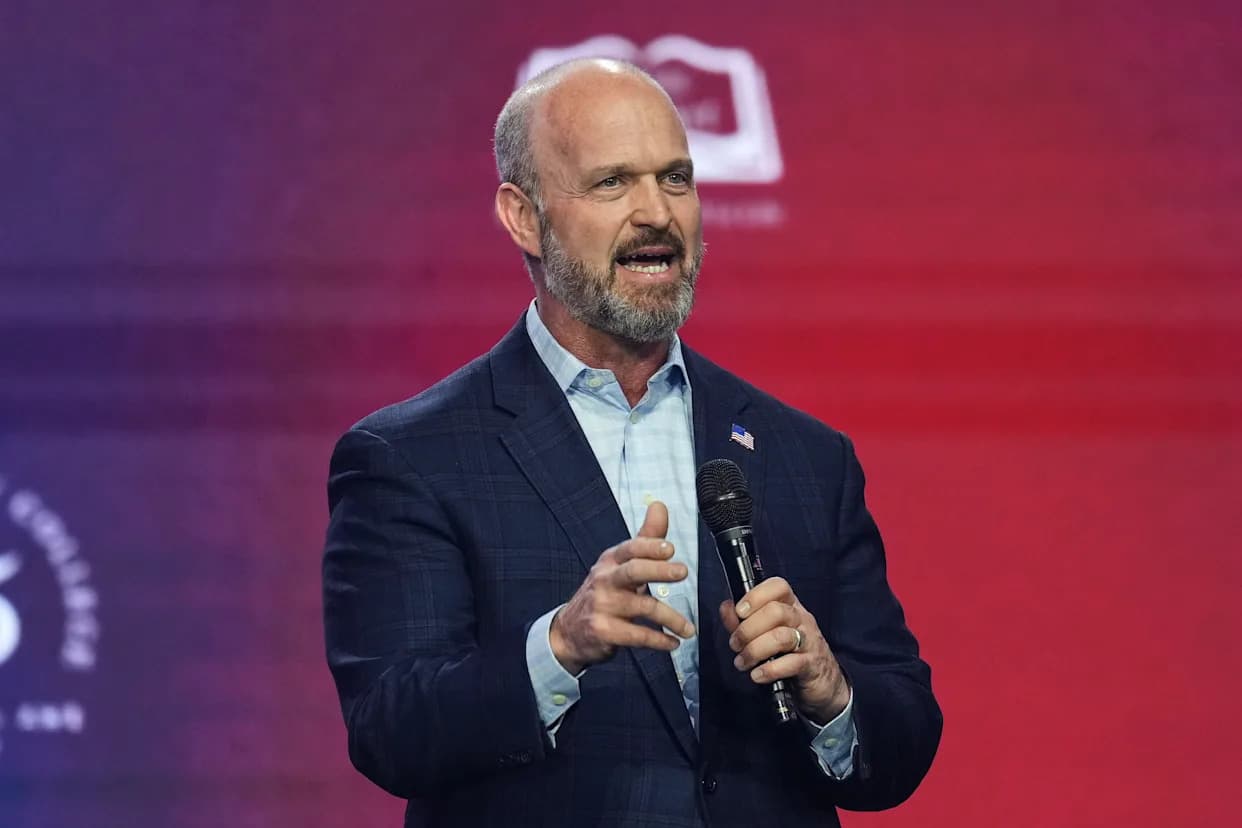
Sen. Gary Byrne at the Indiana Statehouse in April. (Grace Hollars/IndyStar / USA Today Network via Reuters)(Grace Hollars/IndyStar)
Last month, Indiana lawmakers reignited a national debate when Republican state senators advanced legislation that would require public schools to teach the so-called “success sequence” — a three-step prescription that encourages students to finish high school, secure full-time work and marry before having children.
What the Bill Would Do
Senate Bill 88, which cleared the Indiana Senate on a 39-9 vote, would add the success sequence to the state’s “good citizenship” instruction. Sponsors say the measure is a low-cost, common-sense tool to reduce poverty; opponents say it stigmatizes children from single-parent homes and ignores structural and racial inequalities.
Supporters' Argument
Proponents point to research produced by conservative organizations such as the American Enterprise Institute and the Institute for Family Studies, which report that millennials who complete the three milestones in order are much less likely to be poor by their early 30s. Backers including Sen. Spencer Deery and Sen. Gary Byrne describe the idea as practical guidance that schools can present in an age-appropriate way.
“The chance of them being poor is almost zero,” Sen. Spencer Deery told colleagues. “From an anti-poverty standpoint, this might be the single most important thing we could be teaching.”
Critics' Concerns
Critics contend the success sequence oversimplifies complex causes of poverty, shifts responsibility onto individuals, and can shame students raised outside two-parent households. Progressive analysts such as Matt Bruenig of the People’s Policy Project argue that the framework diverts attention from systemic solutions — for example, expanding public benefits and addressing structural barriers to stable employment.
“The other narrative is, ‘The only reason we have poverty is because people won’t follow these simple steps,’” Bruenig said.
What The Research Actually Shows
Evidence about the effectiveness of the success sequence is mixed. Conservative studies highlight strong correlations between following the three milestones and lower rates of poverty. But a 2021 study funded by the U.S. Department of Health and Human Services found that attaining those milestones — regardless of order — correlates with better economic outcomes. A 2015 Brookings Institution analysis also found racial disparities: Black adults who complete the three steps in sequence are still less likely than white peers to reach the middle class.
Scholars who promote the sequence acknowledge these disparities while noting that completing the milestones is associated with better outcomes for many individuals.
Broader Trend In Other States
The success sequence has appeared in model legislation from the Heritage Foundation and has gained traction in several states. Utah passed a 2024 resolution encouraging schools to teach the idea; Alabama and Tennessee enacted laws in 2025 that require instruction beginning in the 2026–27 school year. Similar bills have been introduced in Ohio, Kentucky, Mississippi and Texas.
Where Things Stand
Indiana’s Senate passage sends SB 88 to the state House, where a vote could come quickly. Supporters say it will give students a simple tool; opponents warn it could stigmatize families and obscure deeper policy choices about poverty reduction.
Context: The debate over the success sequence reflects broader national tensions about personal responsibility, the role of schools in moral or civic instruction, and how best to address poverty — through behavioral guidance, structural policy changes, or both. This article was originally published on NBCNews.com.
Help us improve.