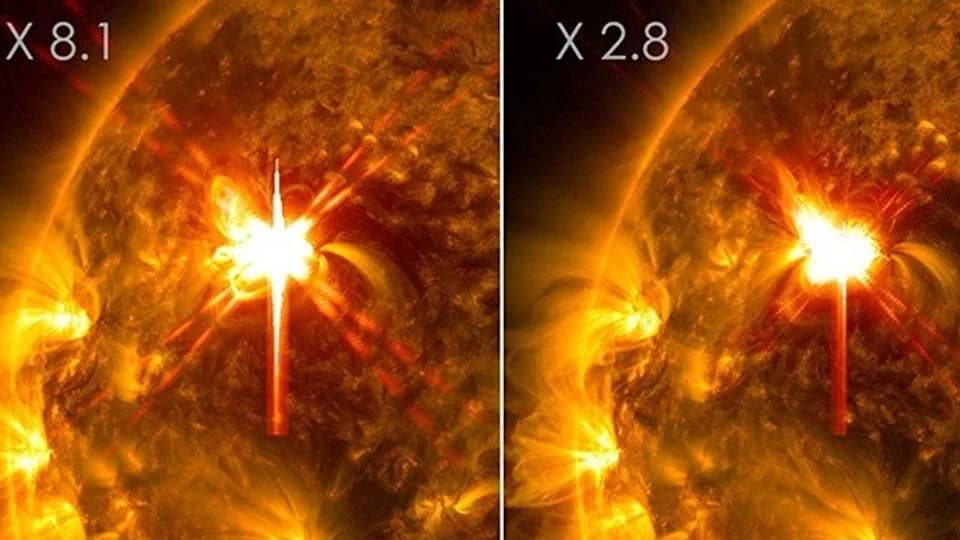
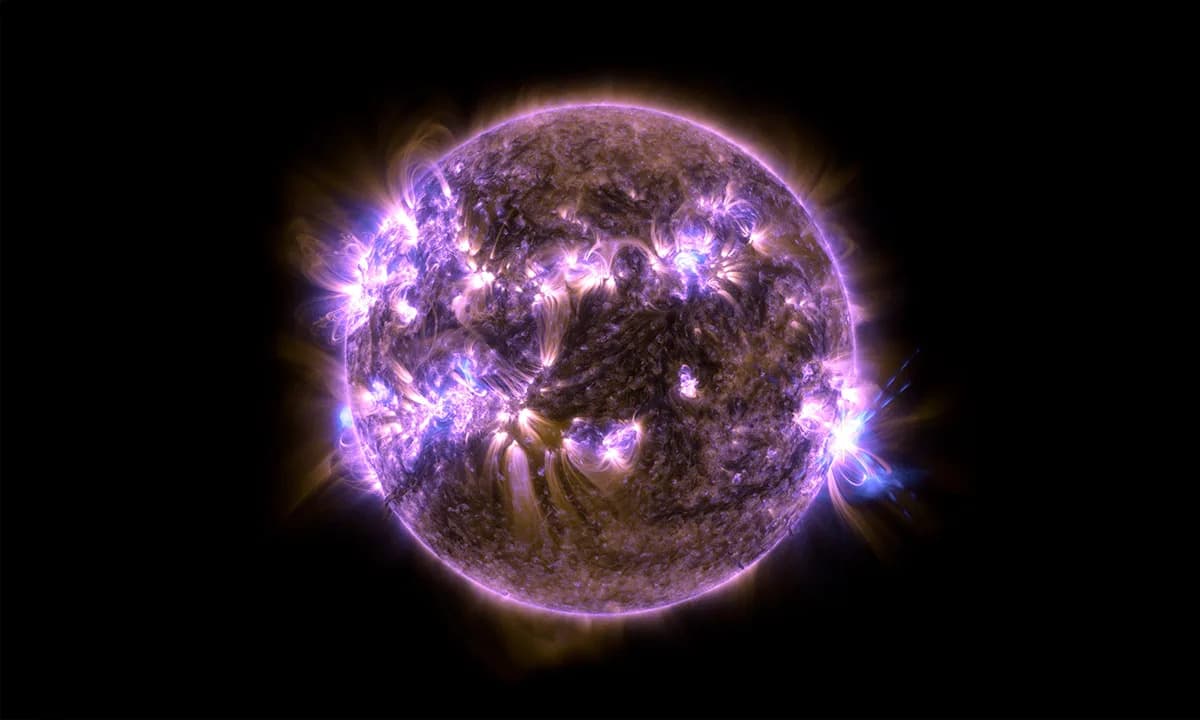
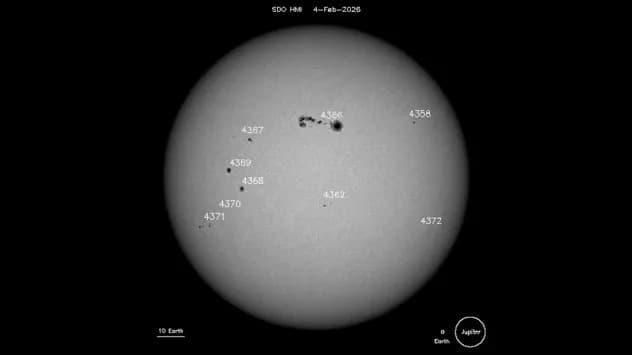
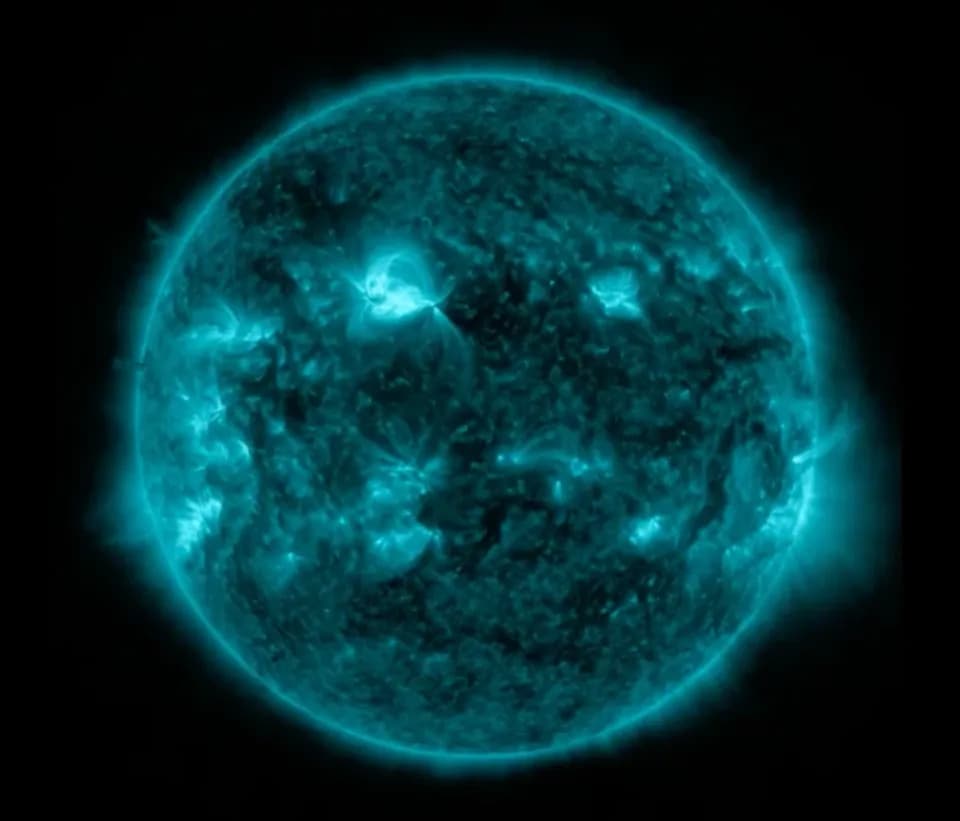
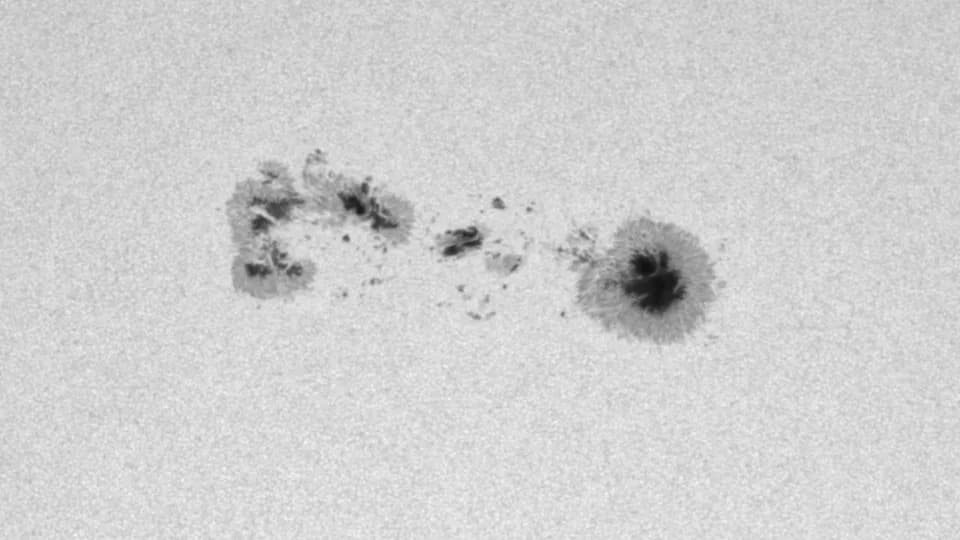
Sunspot AR4366 produced an X8.11-class flare on February 1 at 23:57 GMT, causing R3 radio blackouts across the South Pacific, eastern Australia and New Zealand and disabling shortwave bands below 20–30 MHz for hours. A coronal mass ejection from the same region is forecast to graze Earth around February 5–6, and NOAA warns of possible G1 geomagnetic storms that can create GPS errors, satellite interruptions and minor power-grid fluctuations. AR4366 expanded to about ten times Earth’s width, produced 27 eruptions including four X-class flares in 24 hours, and remains highly active as Solar Cycle 25 approaches its peak.
X8.11 Solar Flare Knocks Out Radios, Threatens GPS as CME Heads Toward Earth
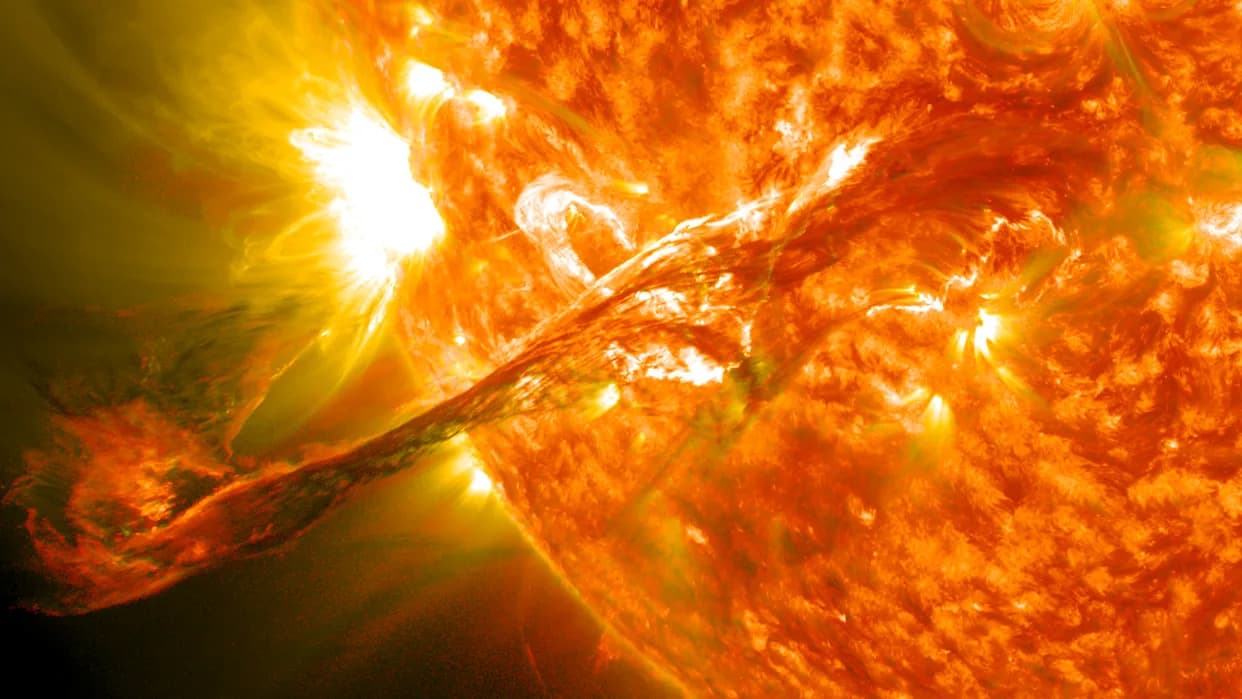
Image: Wikimedia
Your GPS may have lagged on yesterday’s commute and streaming across the Pacific region may have stuttered — not because of your ISP, but because the Sun’s active region AR4366 produced a powerful X8.11-class flare on February 1 at 23:57 GMT.
What Happened
The X8.11 flare immediately triggered R3 (strong) radio blackouts across the South Pacific, eastern Australia and New Zealand, knocking out shortwave communications below 20–30 MHz for several hours. Intense ionization in the upper atmosphere effectively 'jammed' those frequencies, disrupting aviation voice links, maritime communications and amateur radio contacts and forcing some services to switch to alternative channels.
CME Heading Toward Earth
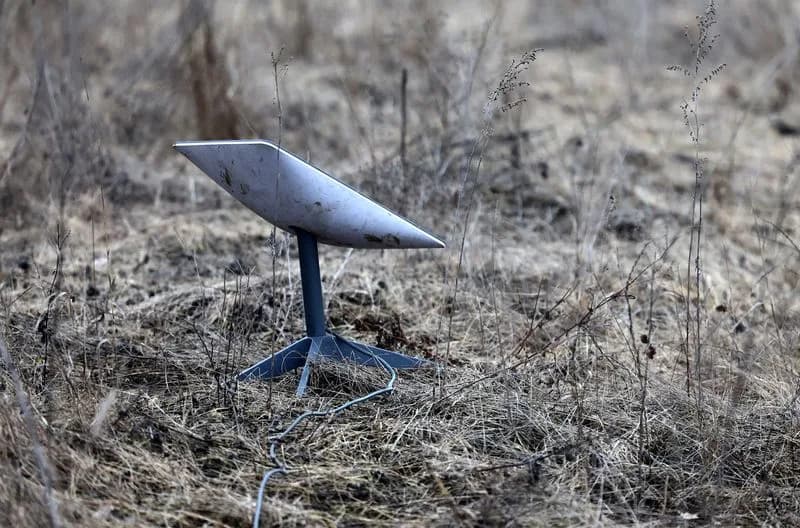
The flare also launched a coronal mass ejection (CME) — a billion-ton cloud of charged particles — that is forecast to give Earth a glancing blow around February 5–6. NOAA’s Space Weather Prediction Center has warned of possible G1 (minor) geomagnetic storms. While G1 is classed as minor, it can still cause intermittent GPS positioning errors, brief satellite-service interruptions (affecting some commercial constellations), and small fluctuations in power grids that may affect sensitive equipment.
Why AR4366 Is Concerning
Sunspot AR4366 emerged in late January and expanded rapidly to roughly ten times Earth’s width. Between February 1 and 2 it produced 27 eruptions, including four X-class flares, and it remains highly active as it rotates toward a more Earth-facing position — increasing the chance of further disruptive events in the coming days.
What To Expect And What To Do
Most people will experience only short-lived issues such as temporary GPS glitches, streaming hiccups or momentary smart-home disconnections. Critical services that rely on precise navigation and radio communications — aviation, maritime and emergency responders — may use contingency procedures during outages. Practical steps: allow extra navigation time if travelling, keep apps and devices updated, and monitor NOAA, NASA and trusted space-weather apps for real-time alerts.
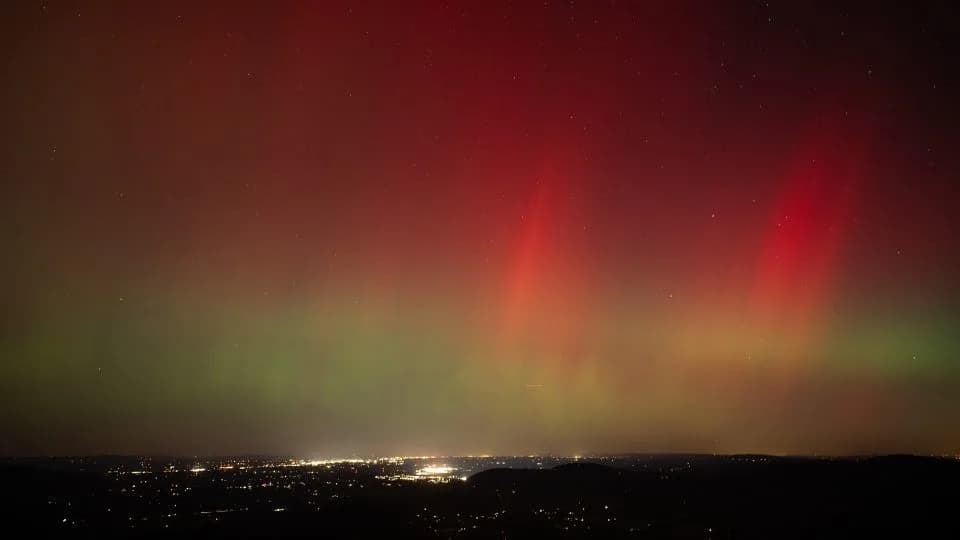
Bonus: Observers in higher latitudes may be treated to vivid auroras if conditions align when the CME grazes Earth.
Sources: NOAA Space Weather Prediction Center, NASA and satellite operator advisories.
Help us improve.