Donald Trump has escalated claims about U.S. elections — from suggesting cancellation to urging a federal takeover and amplifying international-interference conspiracies. He promoted the disputed "Italygate" document and repeated false assertions about the 2020 result while saying he'll accept 2026 outcomes only if he deems them "honest." Officials say no public, verified evidence supports these extraordinary claims, and critics warn the rhetoric fuels dangerous misinformation ahead of the midterms.
With Midterms Near, Trump Escalates Election Claims — Promotes 'Italygate' And Calls For Federal Takeover
Four weeks ago, Donald Trump briefly suggested canceling future U.S. elections. Three weeks ago he told Reuters he was so impressed with his record that, in his words, "when you think of it, we shouldn’t even have an election."
This week, his rhetoric has intensified into a pattern critics describe as increasingly alarming and untethered from verified evidence.
Calls To Nationalize Elections And Doubling Down
On Monday, Trump urged a sweeping change to how U.S. elections are run, saying, "The Republicans ought to nationalize the voting." After the administration attempted a limited walkback the next day, Trump undercut his aides and doubled down, suggesting that a federal takeover of state-run elections could be justified by what he described as widespread voter fraud — claims for which he has not provided credible evidence.
Repeated False Claims And Conditional Acceptance
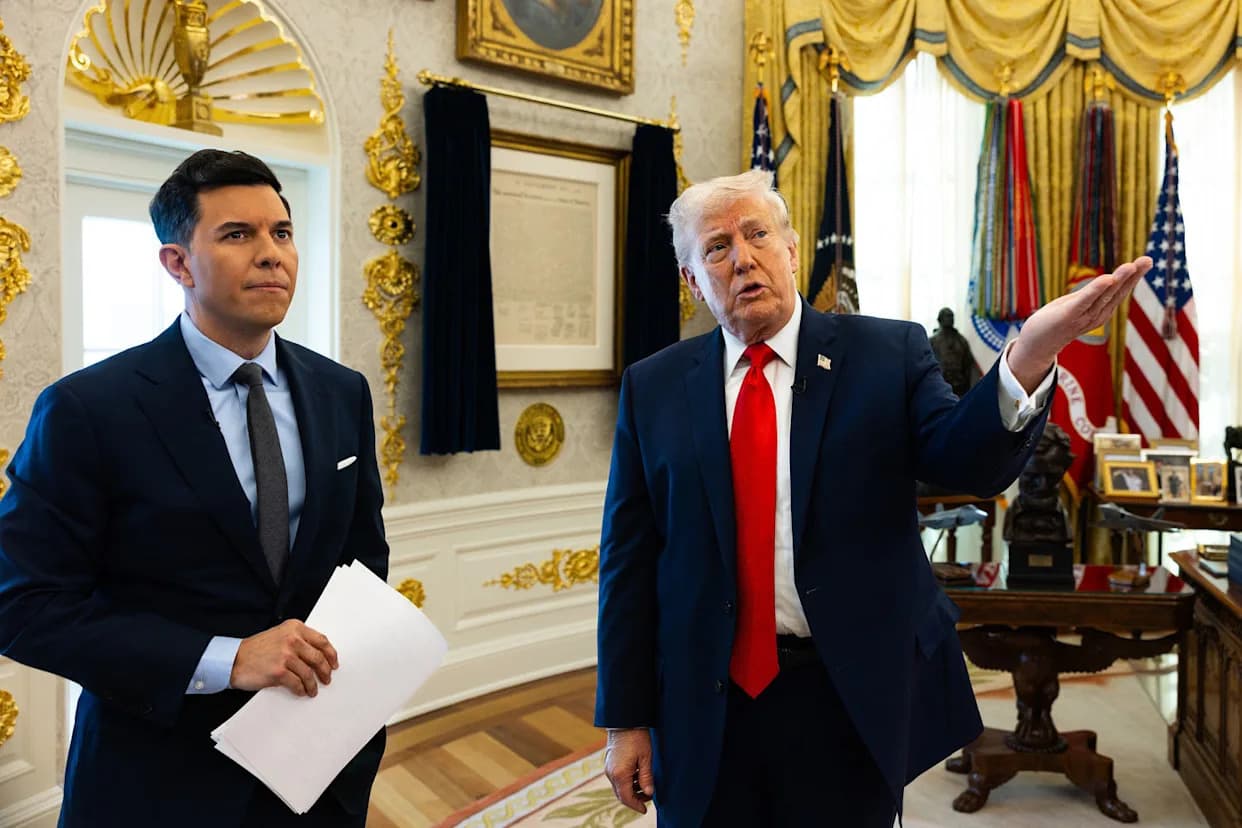
In a long interview with NBC News anchor Tom Llamas, Trump again floated the idea of nationalizing elections, repeated the false assertion that he won the 2020 presidential race, and accused Democratic-run cities of fraud without substantiation. He also said he would accept the results of the 2026 midterms "if the elections are honest," framing himself as the arbiter of electoral honesty.
Foreign Interference Allegations And "Italygate"
Last week, Trump used his social accounts to circulate a document tied to the so-called "Italygate" theory, which claims Italian military satellites were used to hack U.S. voting machines. TPM described that theory as "2020’s most insane conspiracy theory." Trump acknowledged to Llamas that he amplified the message online. Independent investigators and intelligence officials have not corroborated the Italygate claims.
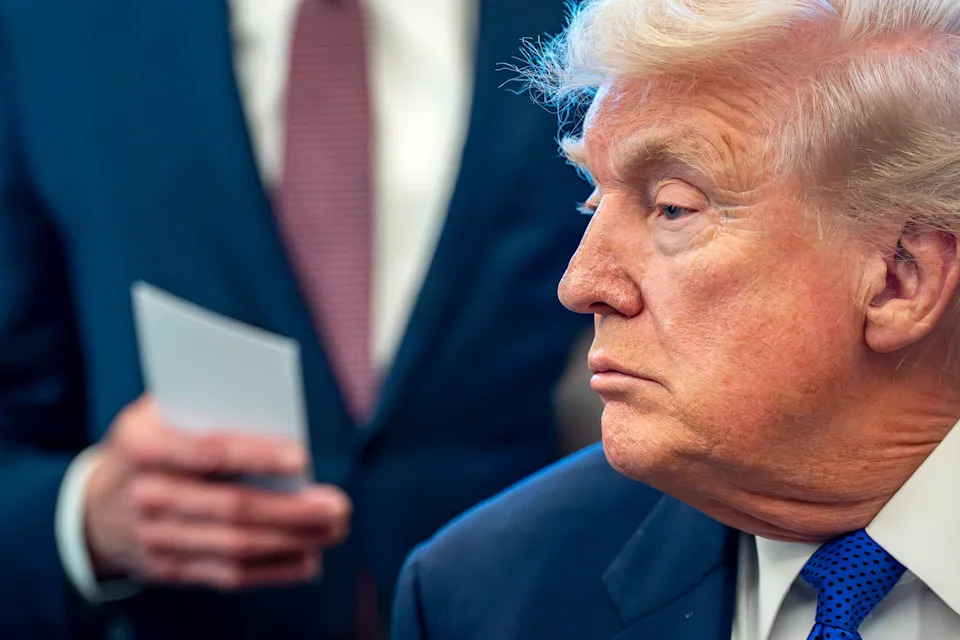
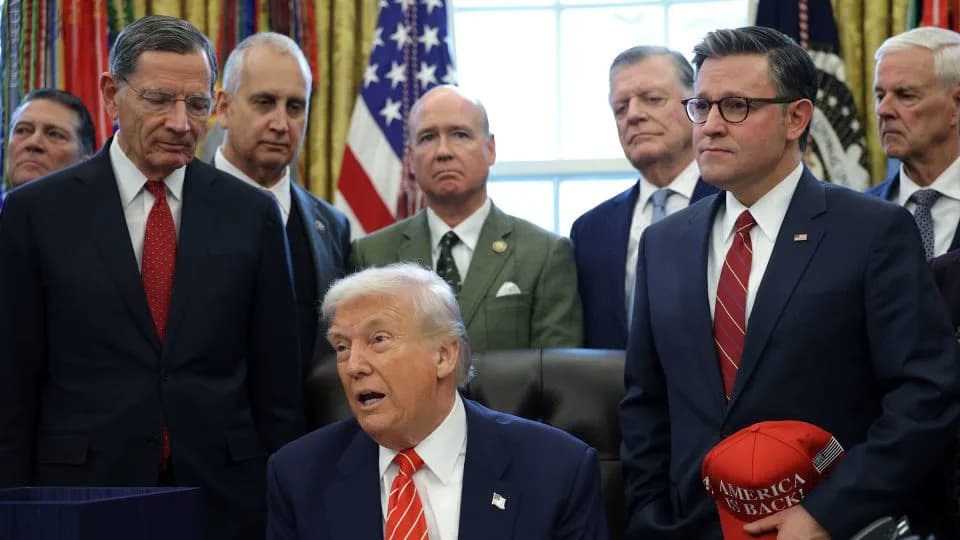
President Donald Trump during an announcement on "Project Vault" in the Oval Office of the White House on Feb. 2, 2026.(Bonnie Cash / UPI / Bloomberg via Getty Images)
Unverified Assertions And Factual Clarifications
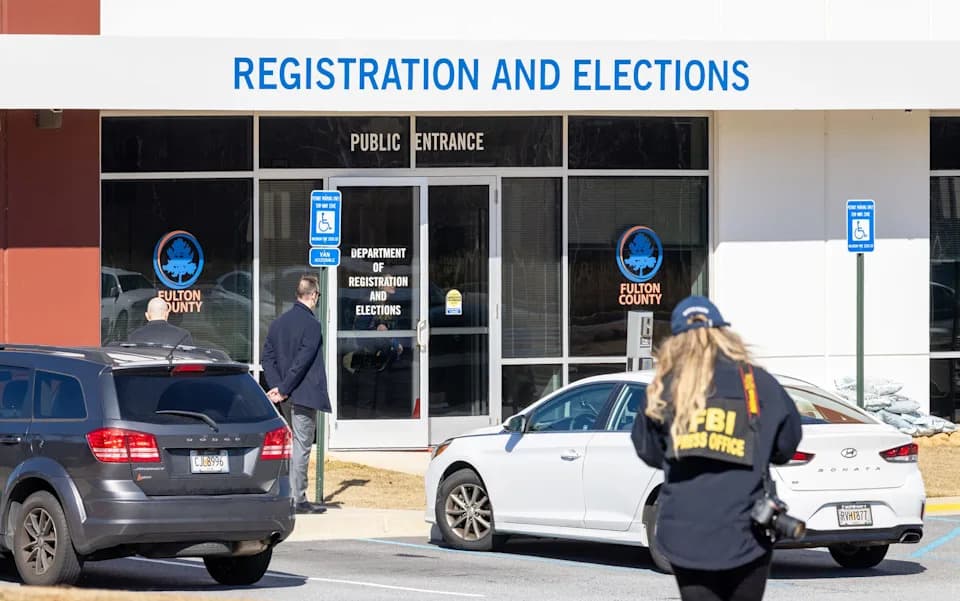
Trump also asserted that Fulton County, Georgia, has been "under investigation for four years," an assertion for which no public evidence exists. Questions in the interview touched on Tulsi Gabbard; reporting and public records do not identify Gabbard as Director of National Intelligence, nor is there public, verified evidence that she participated in an FBI raid as described in some accounts. Where officials or actions are alleged, they have not been substantiated by publicly available documentation.
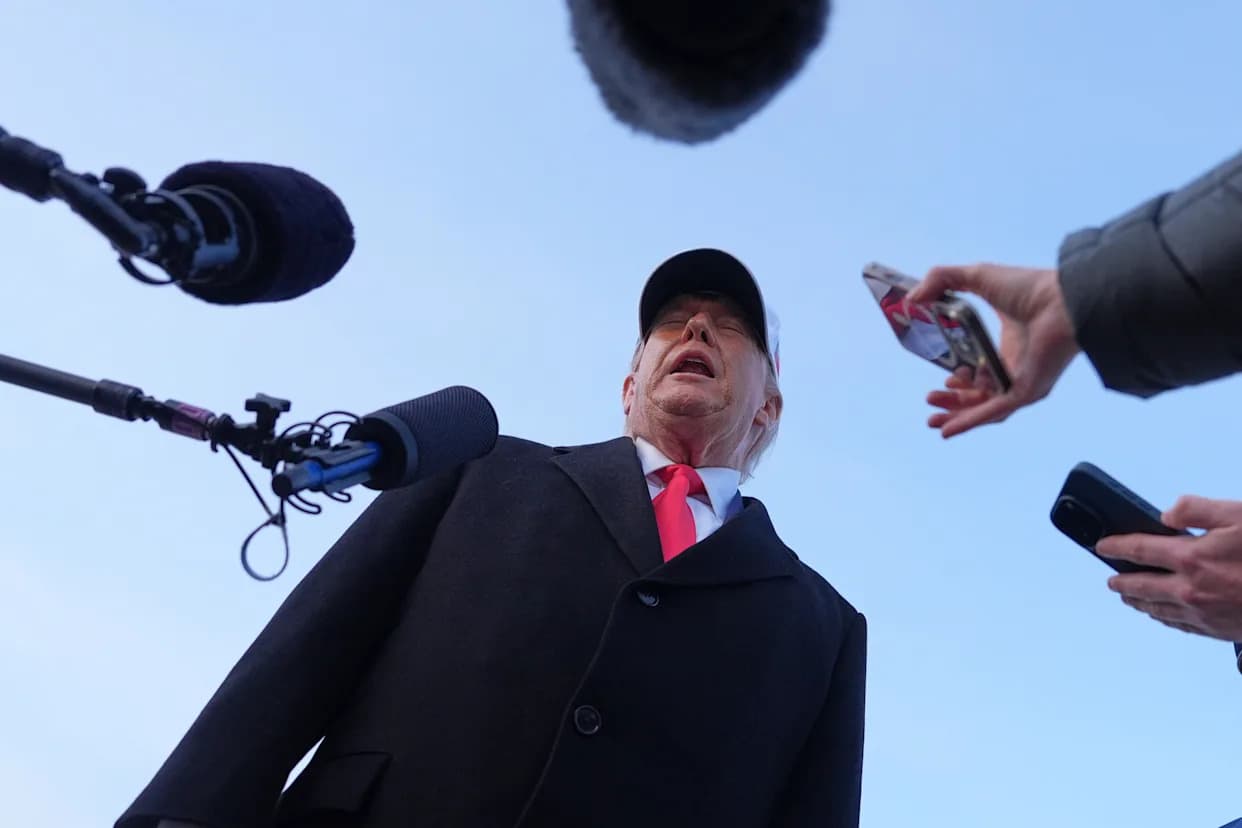
"Let's assume Russia had something to do with it. You can add China and about five other countries," Trump said at a prayer breakfast when referencing potential international interference in 2020.
Context And Official Response
Weeks after the 2020 election, members of Trump’s legal team produced a contested presentation alleging broad conspiracies involving a range of actors and organizations; those claims were widely criticized and lacked credible supporting evidence. More than half a decade later, many of the same conspiratorial lines persist in public remarks.
Sen. Mark Warner (D–Va.), the ranking member of the Senate Intelligence Committee, said last week that if U.S. intelligence officials — including anyone working with the intelligence community — have credible grounds to suspect foreign interference in 2020, they are obligated to brief Congress. To date, no such public disclosures of verified intelligence alleging the specific forms of interference Trump has described have been made.
Why It Matters
Experts warn that amplifying unverified claims about election systems and foreign interference can erode public confidence in democratic institutions and spread misinformation — risks that are especially consequential ahead of high-stakes midterm elections.
This article updates our earlier related coverage.
Originally published on MS NOW.
Help us improve.