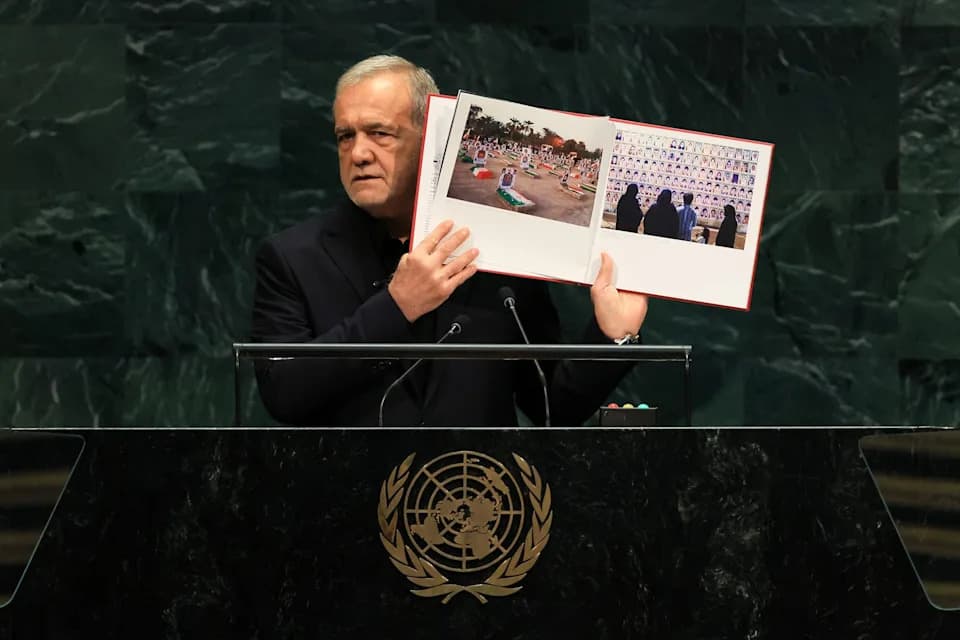
Iran has published a detailed strategy
Inside Iran’s Blueprint To Confront The US — How Tehran Says It Could Force A Political Outcome
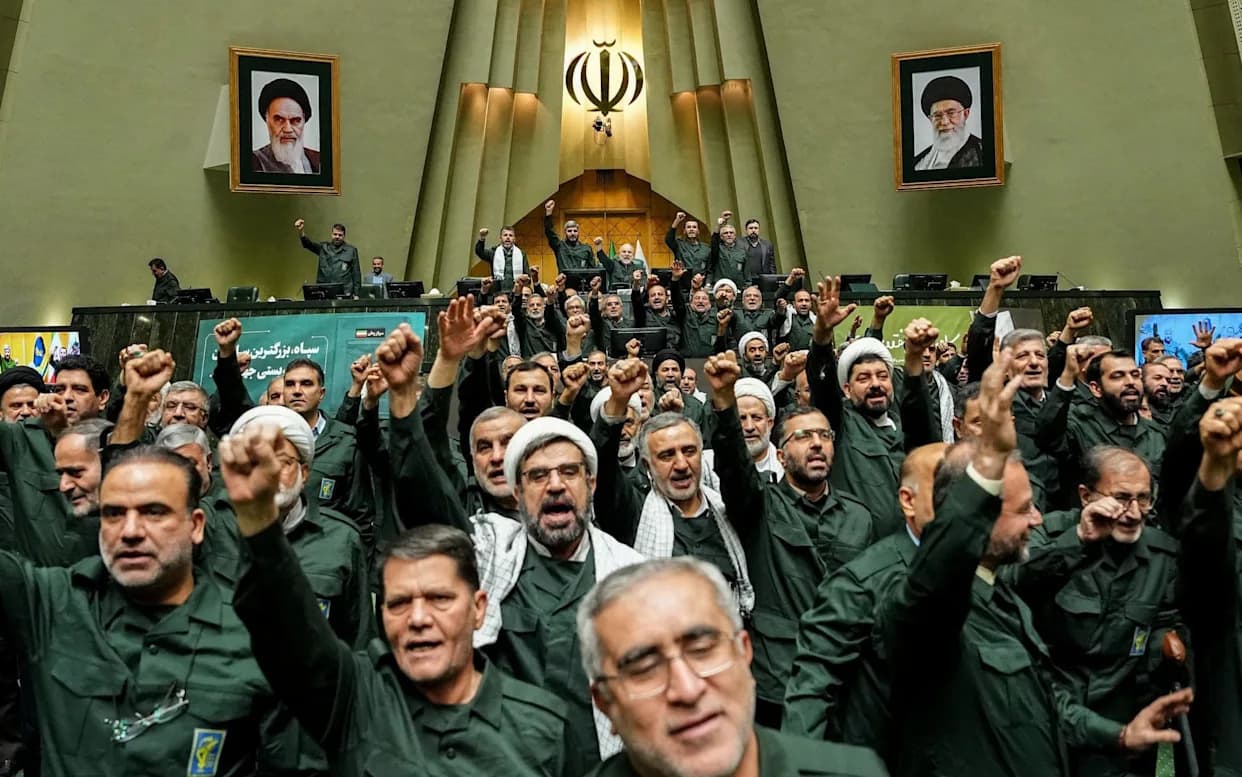
Tehran’s battle plan involves launching a colossal counterattack against US military targets - Reuters
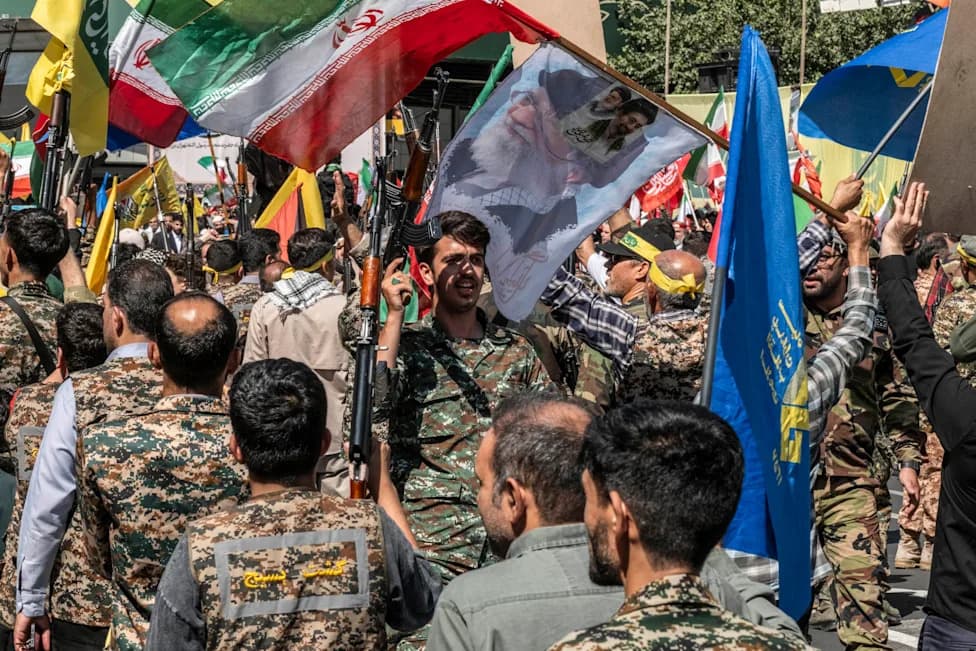
Iran has publicly outlined a detailed blueprint — published by Tasnim, a news agency linked to the Islamic Revolutionary Guard Corps (IRGC) — describing how it believes it could survive US strikes, expand the battlefield and pressure Washington into a negotiated settlement.
Overview Of The Plan
Tehran’s strategy combines hardened and dispersed military assets, massed missile and drone salvos, proxy operations across the region, cyberattacks and efforts to disrupt global oil flows through the Strait of Hormuz. Iranian planners argue that geography, asymmetric tactics and volume can blunt American technological advantages and raise the political and economic cost of prolonged US military action.
How The Confrontation Could Begin
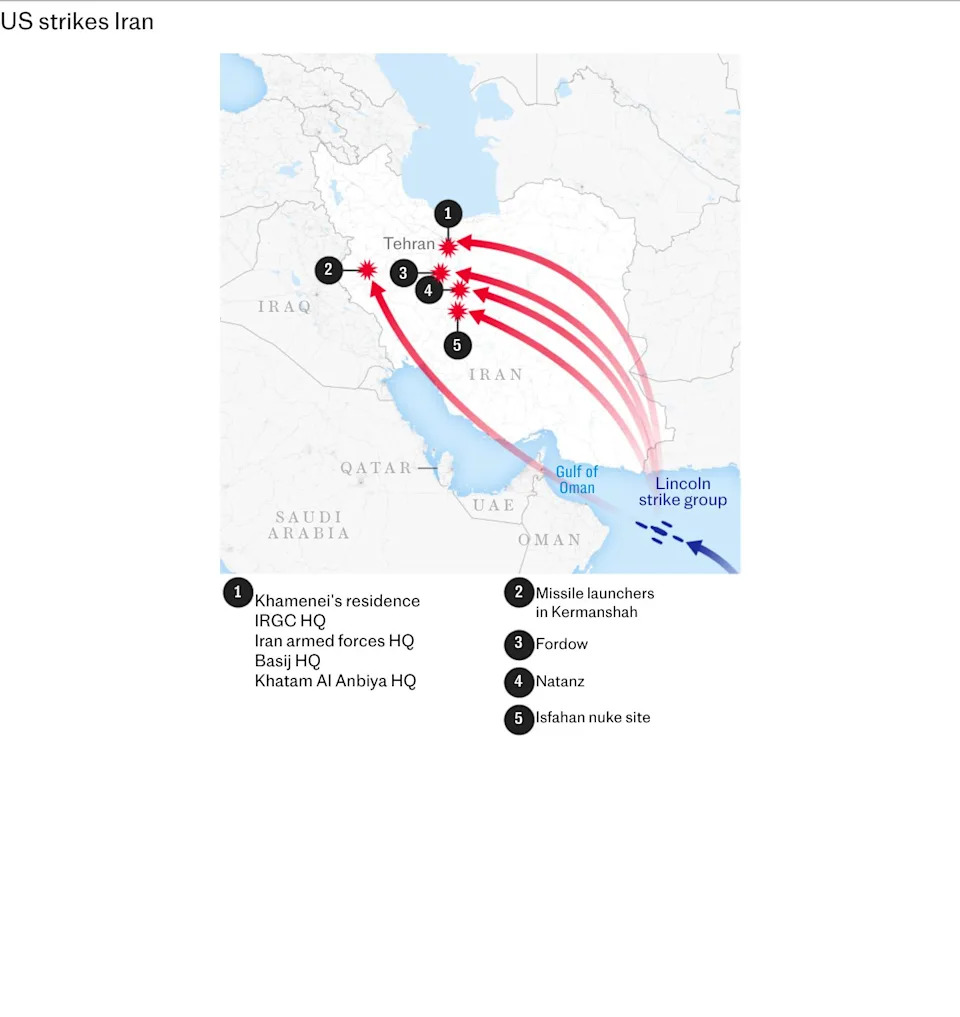
The scenario outlined assumes US pre‑emptive or retaliatory air and missile strikes against Iran’s nuclear sites, IRGC facilities and other military targets — many of which are embedded in populated areas. US strike packages would likely use carrier strike groups, strategic bombers and land‑based systems in allied countries, employing stealth platforms, precision munitions, electronic warfare and coordinated salvos.
Iran’s Immediate Response
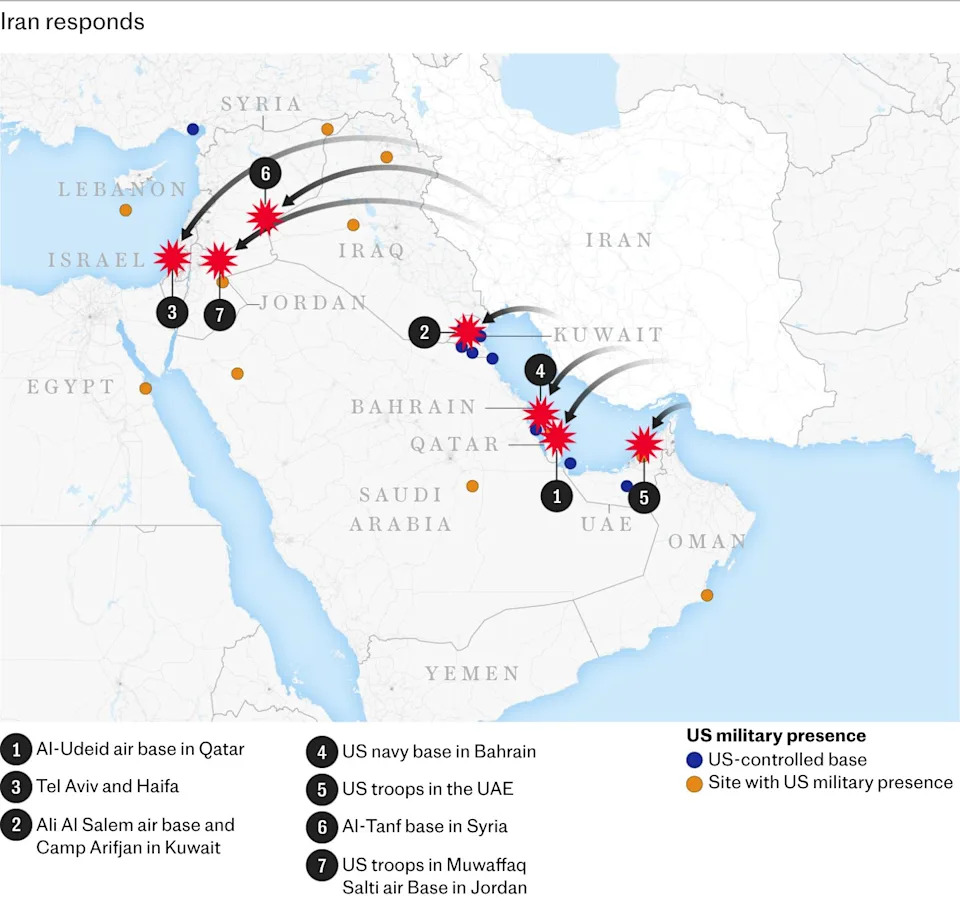
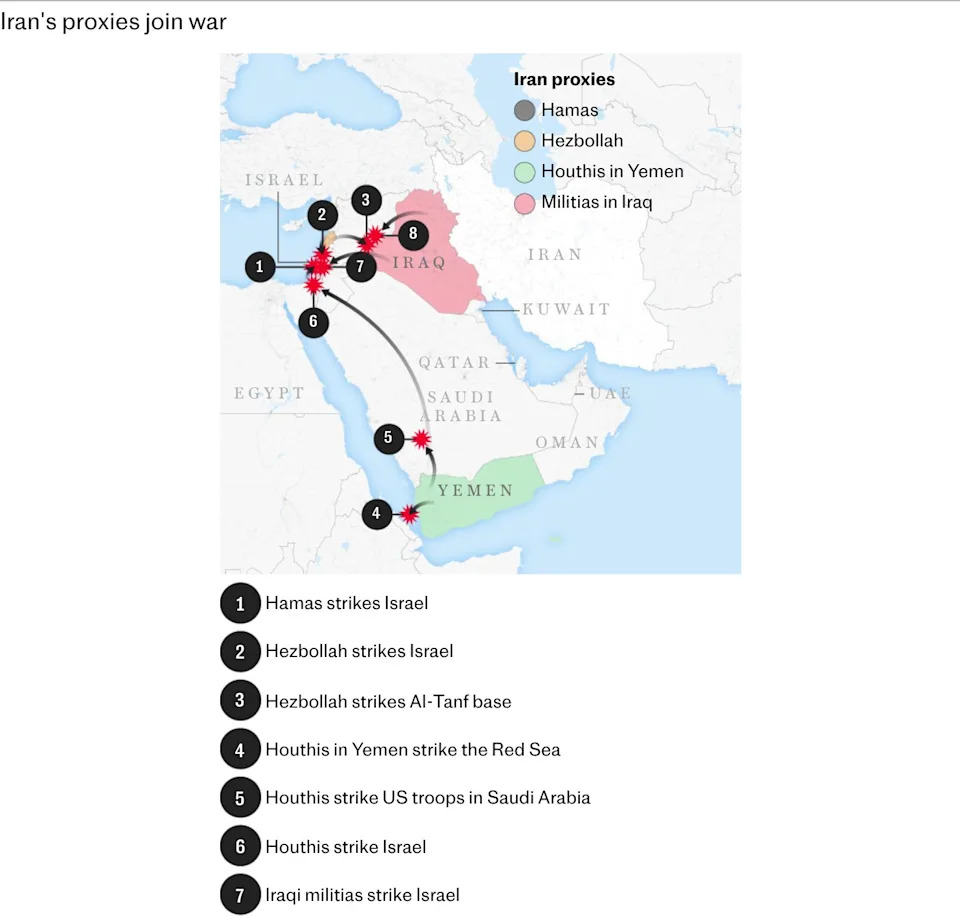
Tehran’s response is designed to expand the conflict rapidly beyond Iran’s borders. Within hours, the plan envisages volleys of ballistic missiles and armed drones against US bases across the region — including Al‑Udeid in Qatar, Ali Al‑Salem and Camp Arifjan in Kuwait, bases in the UAE and US positions in Syria and Iraq.
Weapons, Tactics And Proxies
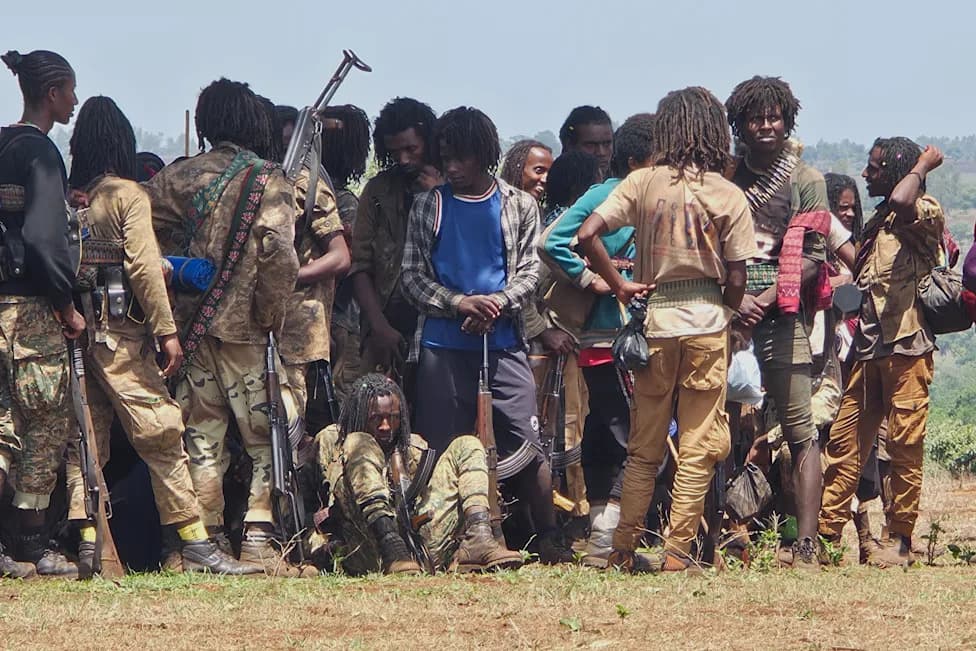
Iran would seek to overwhelm missile‑defence systems through volume. The plan lists systems such as Shahed‑136 loitering drones, Kheibar Shekan and Emad ballistic missiles, and long‑range Paveh cruise missiles. Simultaneously, Tehran expects allied proxy forces to open multiple fronts: Hezbollah in Lebanon against Israel, Houthi attacks on shipping and regional targets, and Iraqi militia strikes on US personnel and facilities.
Cyber And Economic Pressure
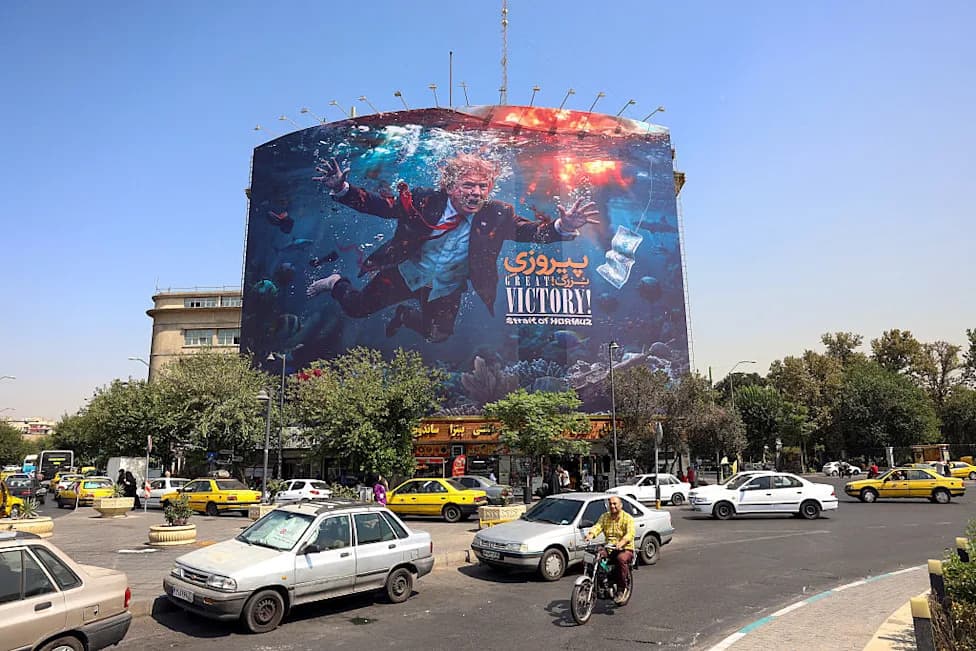
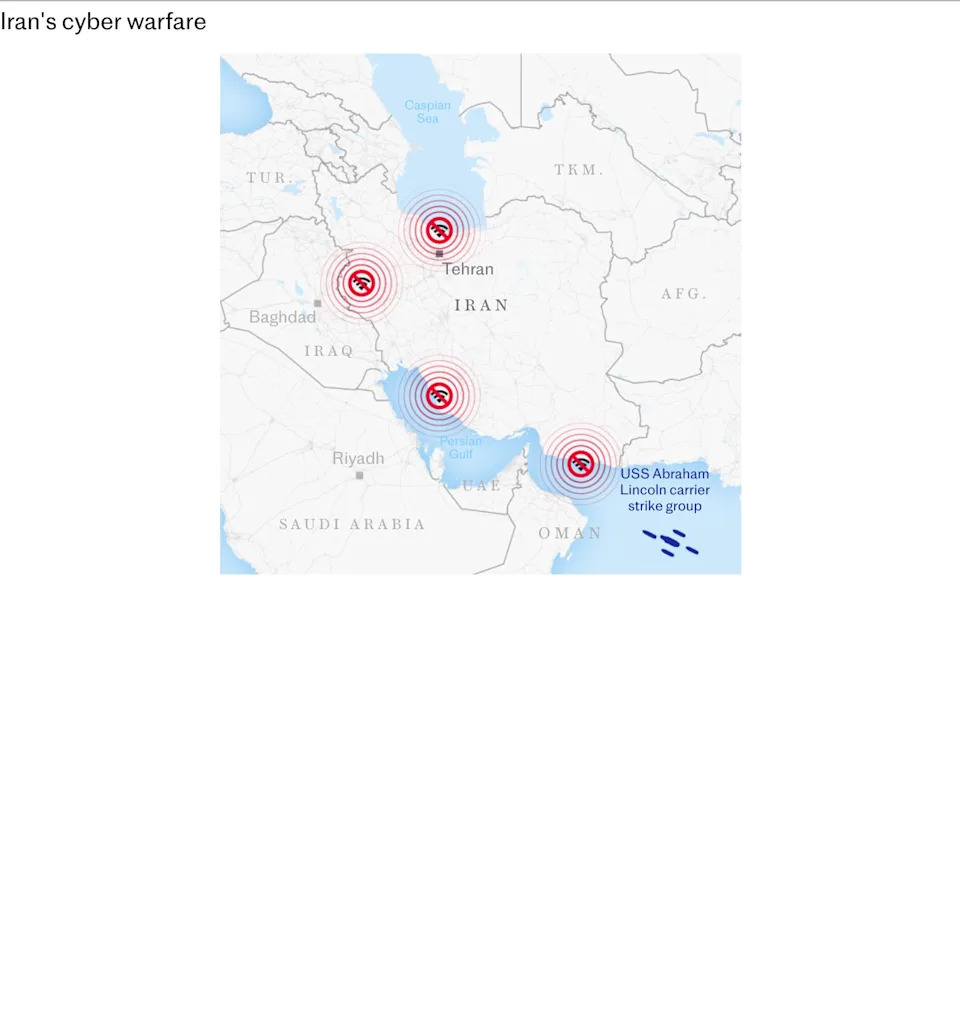
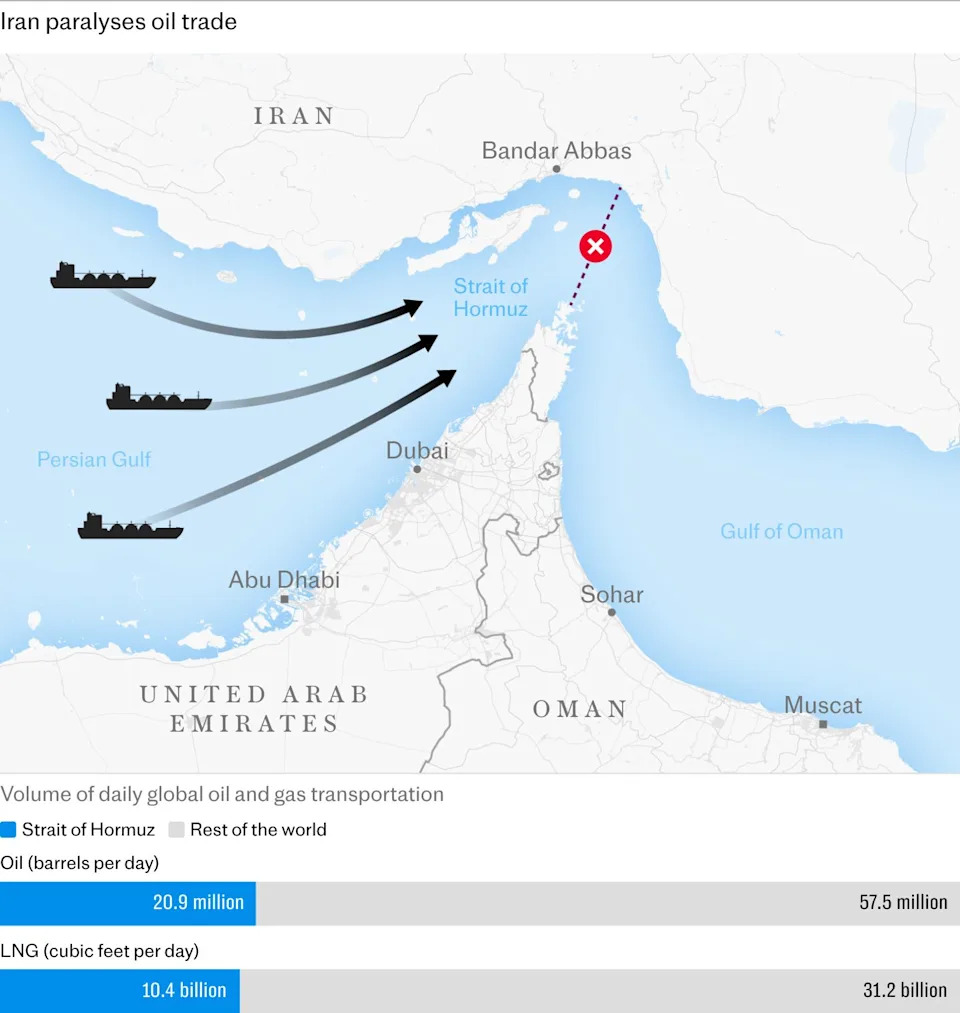
Cyber operations are a second pillar: targeting logistics, energy infrastructure, financial systems and military communications to disrupt US and allied operations and to increase domestic pressure on host governments to expel US forces. Most critically, Iran could try to use control of the Strait of Hormuz — a chokepoint through which roughly 21 million barrels per day (about 21% of global crude) pass — to spike oil prices by mining, attacking or otherwise disrupting shipping.

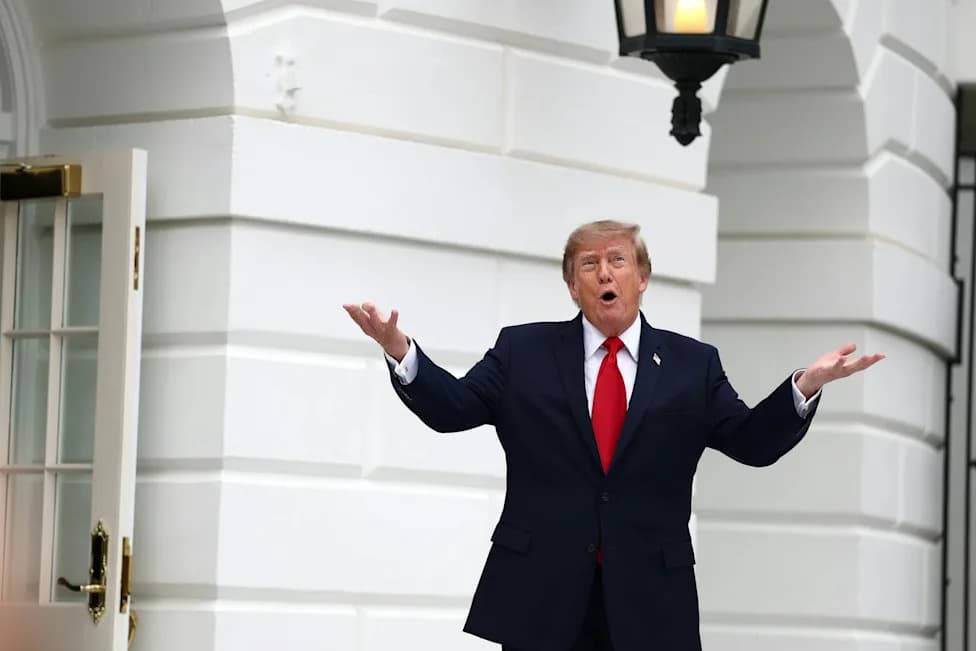
Iran’s strategy relies on the premise that the US president will determine war to be too costly - Yuri Gripas/Abaca/Bloomberg
US Advantages And Contingencies
Despite Iran’s preparations, the United States retains significant advantages in air power, long‑range precision strike, electronic warfare, cyber capability and logistics. Washington has contingency plans for keeping Hormuz open (mine clearance, convoy escorts, strikes on coastal batteries) and substantial offensive cyber and kinetic options to degrade Iranian infrastructure and command networks.
Risks, Assumptions And Political Calculus
Tehran’s doctrine accepts it cannot avoid damage but aims to retain enough capability to impose sufficient costs that the US will prefer negotiation over sustained war. That calculation rests on several assumptions: effective coordination among proxies, restraint from US allies, and political limits in Washington shaped by domestic fatigue after past conflicts. The plan also acknowledges the grave risks — escalation could produce devastating retaliation, and halting oil flows would also severely harm Iran’s own economy.
Bottom Line: The document sketches an asymmetric, multi‑front approach intended to raise the price of conflict for the United States and its partners, but its success depends less on technology than on political will and unpredictable escalation dynamics.
Context: The plan appeared amid renewed diplomatic contacts (including scheduled talks in Oman) and heightened rhetoric from US politicians. Iranian officials present the blueprint as deterrence; analysts caution that what Tehran sees as calibrated pressure could produce uncontrolled escalation if casualties mount or critical infrastructure is destroyed.
Help us improve.