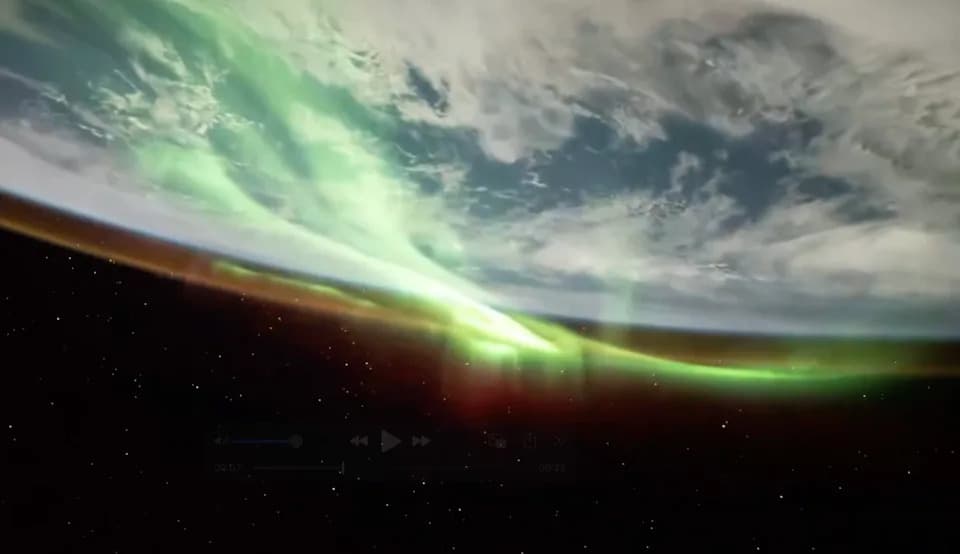
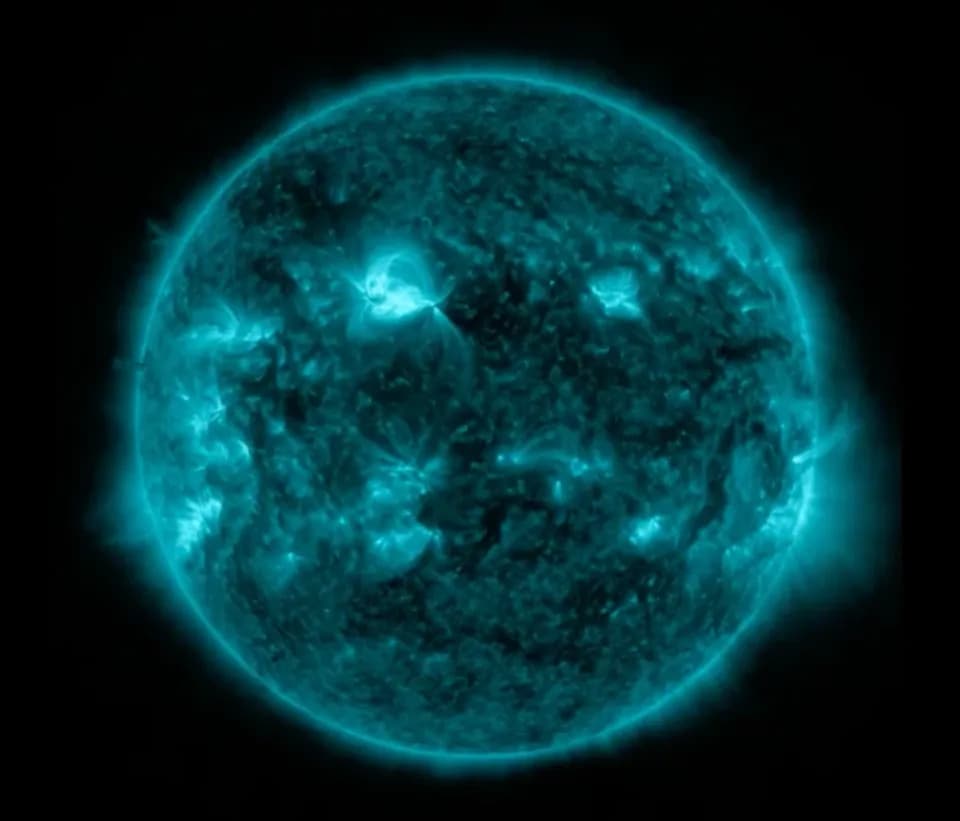
An X‑class solar flare from sunspot AR4366 on Feb. 1 launched a fast CME that arrived sooner than expected, prompting upgraded aurora alerts for the night of Feb. 4–5. NOAA warns that even a partial hit could create G1–G2 geomagnetic storm conditions, potentially pushing auroras into as many as 11 U.S. states near the Canadian border. Check real‑time forecasts (NOAA, SpaceWeatherLive, Aurora apps), look low on the northern horizon from dark skies, and use Night Mode or long exposures with a steady camera to photograph the display.
Northern Lights Tonight: How To Watch As Aurora Could Reach 11 U.S. States
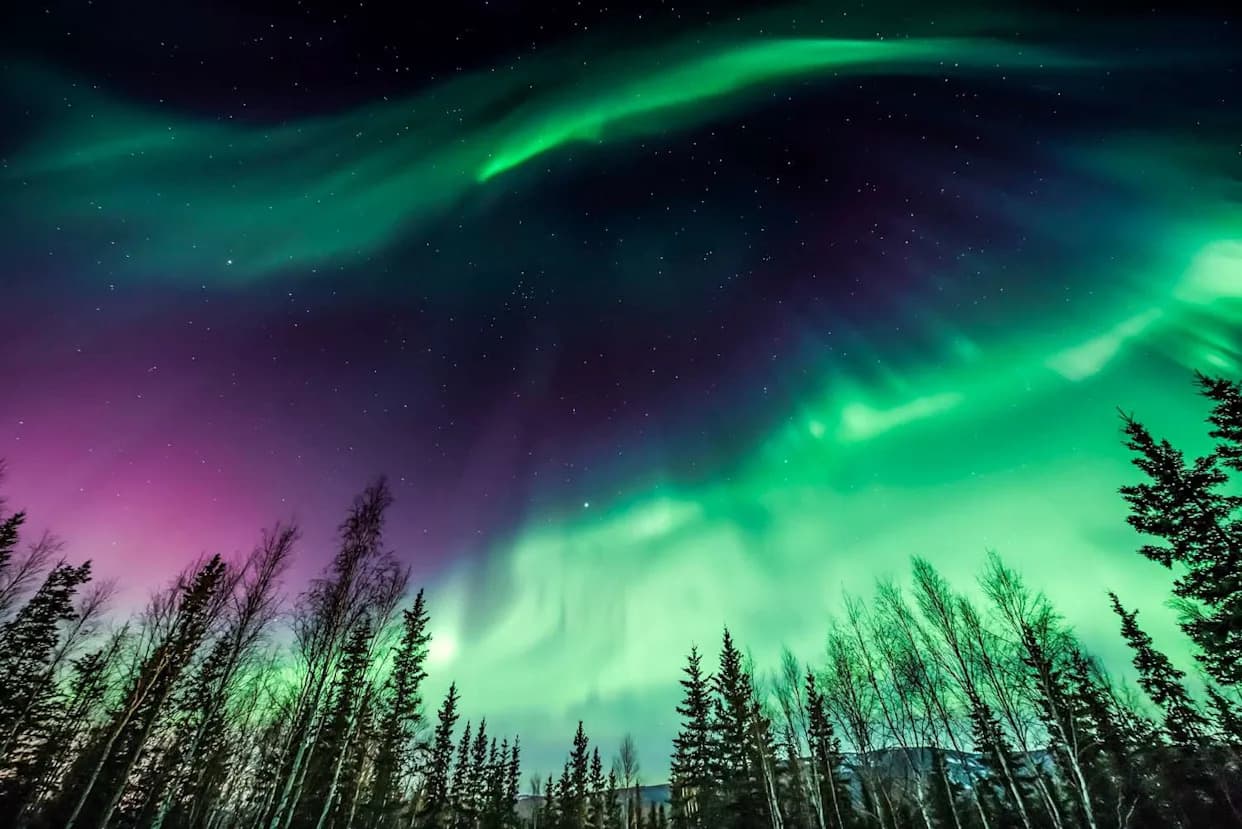
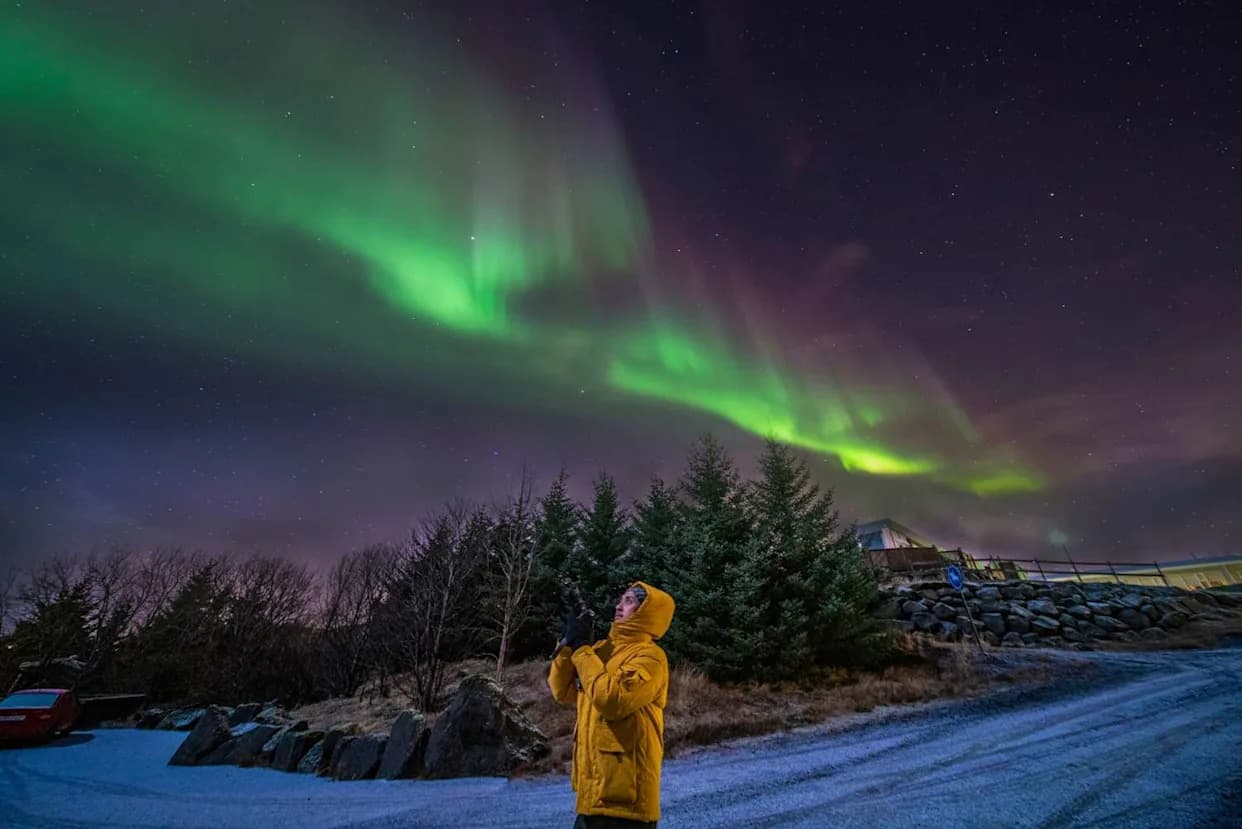
Northern LightsElizabeth Ruggiero/Getty
A powerful burst of solar energy has raised the odds of an aurora display across parts of the United States tonight. An X‑class flare from sunspot region AR4366 on Feb. 1 launched a fast-moving coronal mass ejection (CME) that arrived earlier than forecast, prompting upgraded aurora alerts for the night of Wednesday, Feb. 4 into the early hours of Thursday, Feb. 5. Satellites also recorded an additional strong flare on Feb. 4, increasing the chance of continued activity through the weekend.
What Causes the Northern Lights?
The aurora borealis appears when charged particles from the sun collide with gases in Earth’s upper atmosphere during geomagnetic storms, producing curtains of green, purple and red light. Forecasts from the National Oceanic and Atmospheric Administration (NOAA) indicate that even a partial impact from this CME could produce G1–G2 geomagnetic storm conditions — enough to push visible auroras farther south than usual.
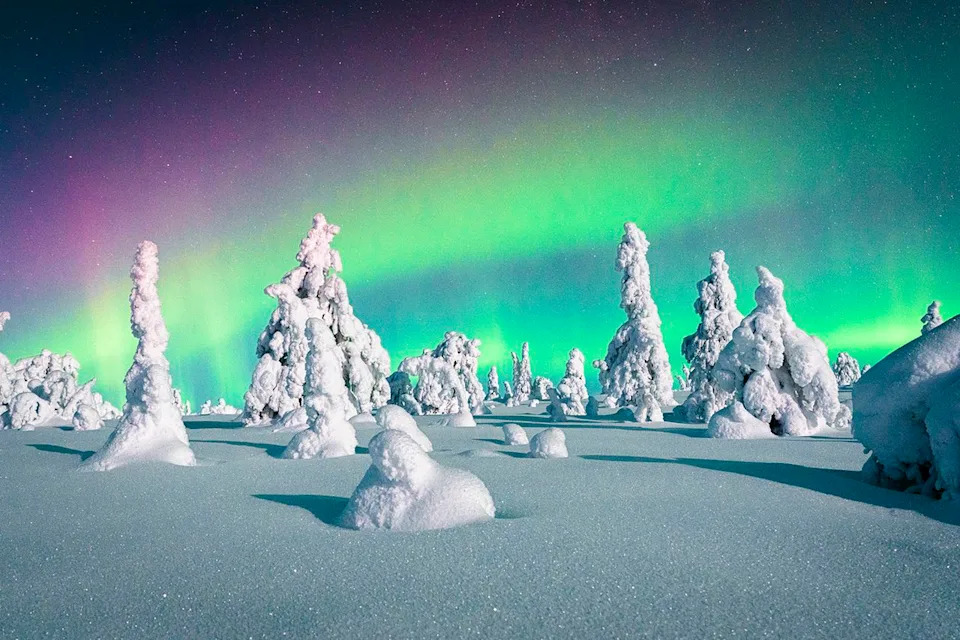
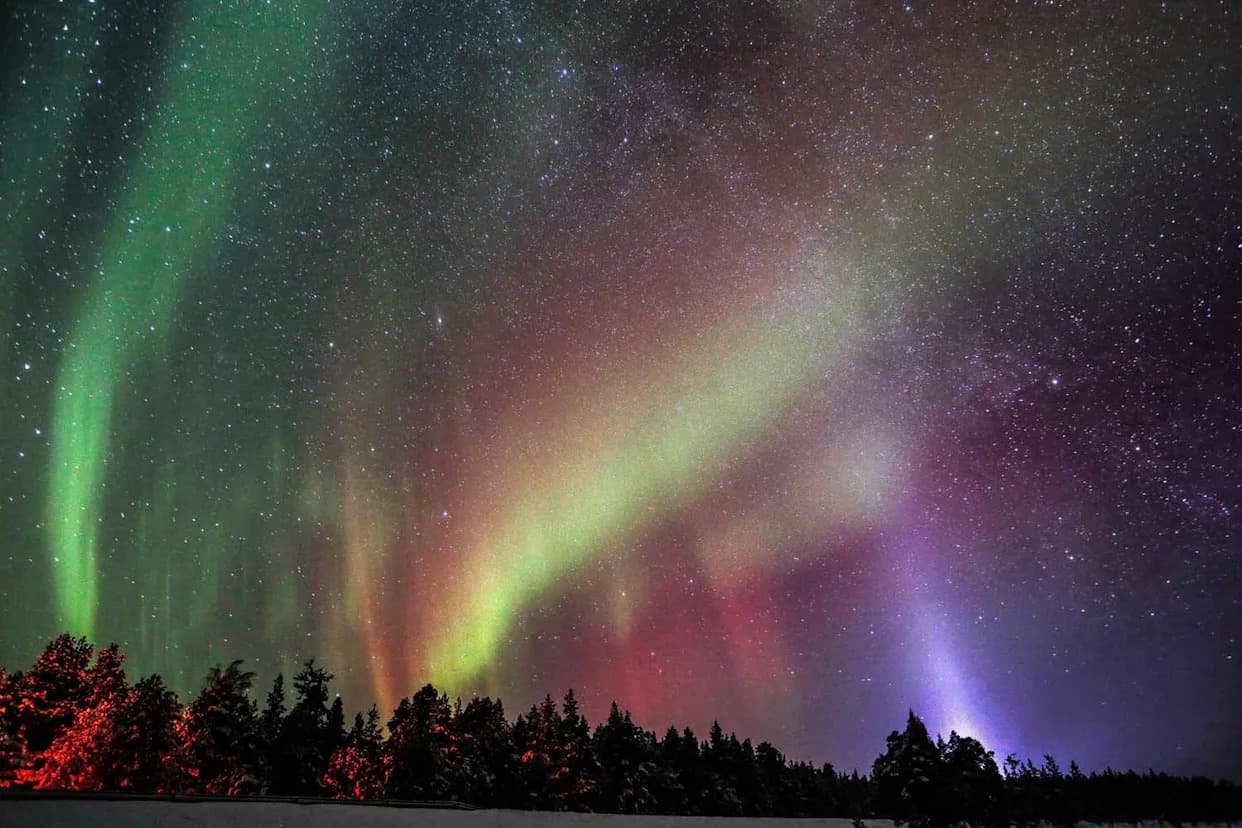
Multicolored sky during the Northern LightsRoberto Moiola/Sysaworld/Getty
When To Look
The best window begins after local dark on Wednesday, Feb. 4 and can continue into the early morning of Thursday, Feb. 5. Exact timing depends on solar wind speed and the CME’s arrival — conditions that can shift quickly — so check live updates while you watch.
Where To Look
Forecast models suggest auroras could be visible across as many as 11 U.S. states near the Canadian border: Alaska and northern parts of Washington, Idaho, Montana, Wyoming, North Dakota, South Dakota, Minnesota, Wisconsin, Michigan and Maine. If the CME makes a stronger, more direct impact, sightings could reach farther south.
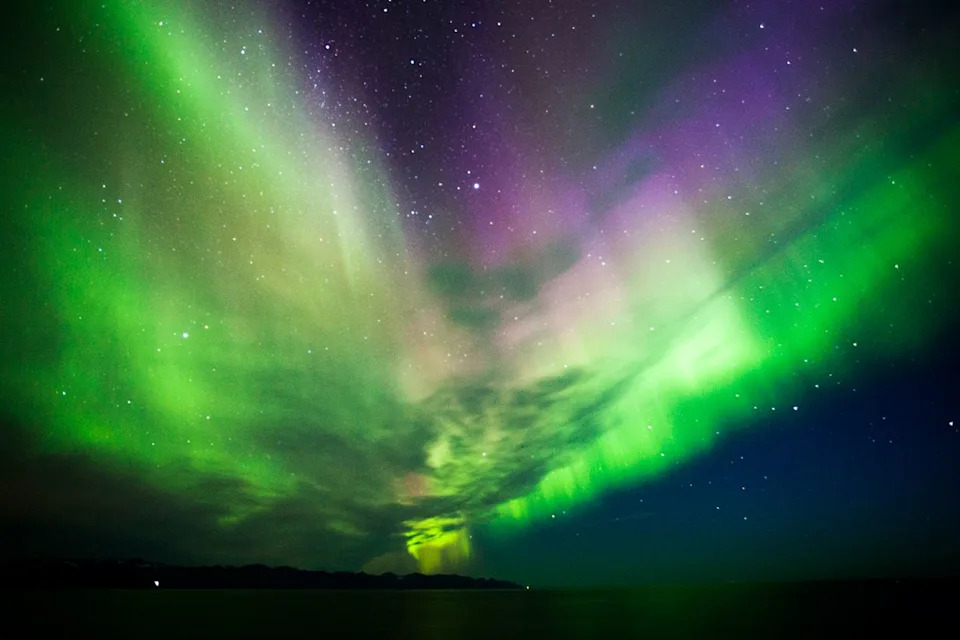
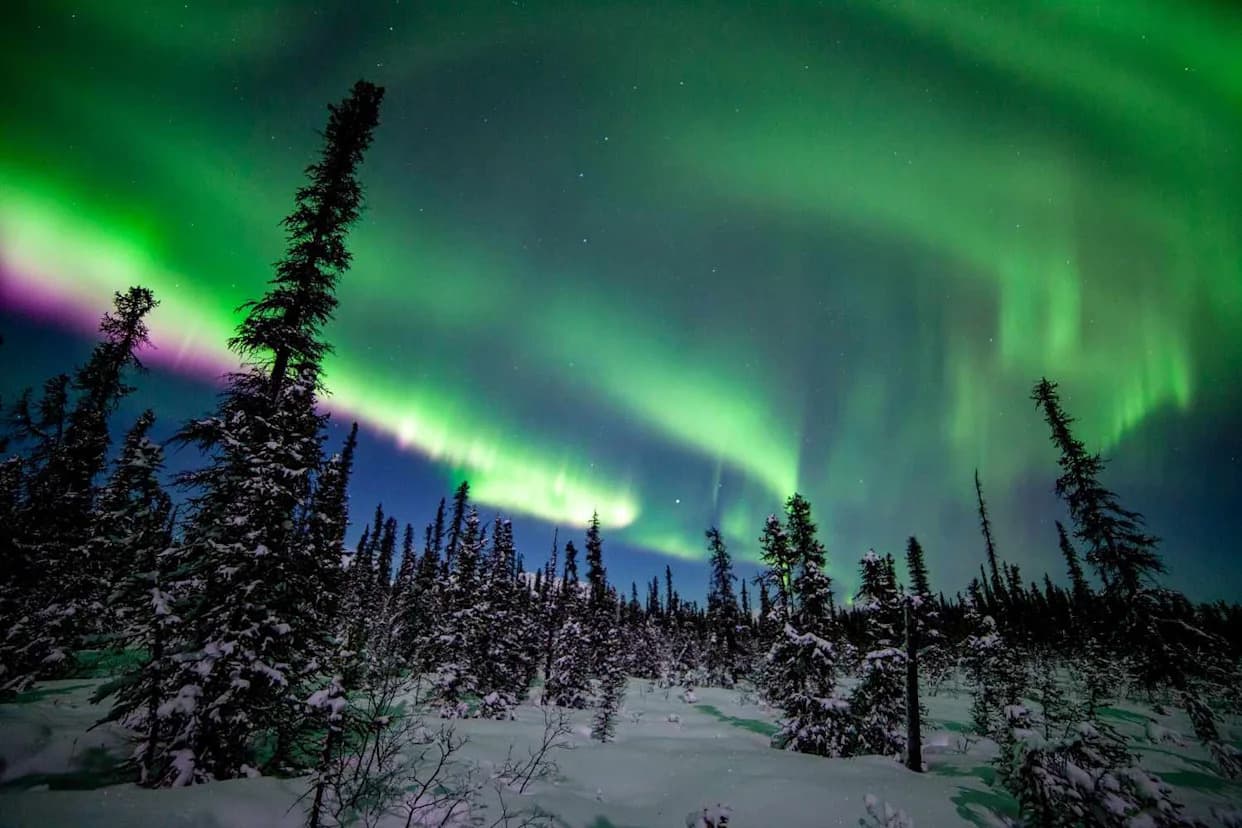
Northern LightsGetty
Scan low along the northern horizon from a dark location. The darker the sky and the clearer the weather, the better your chance — even during moderate geomagnetic storms. Auroras often appear in waves, fading and reappearing, so bring patience.
How To Track Real-Time Activity
For near-real-time forecasts and maps, monitor NOAA’s 30‑minute aurora forecast, SpaceWeatherLive, or mobile apps such as Aurora Now and My Aurora Forecast. These tools update frequently and can help you decide whether to travel to darker skies.
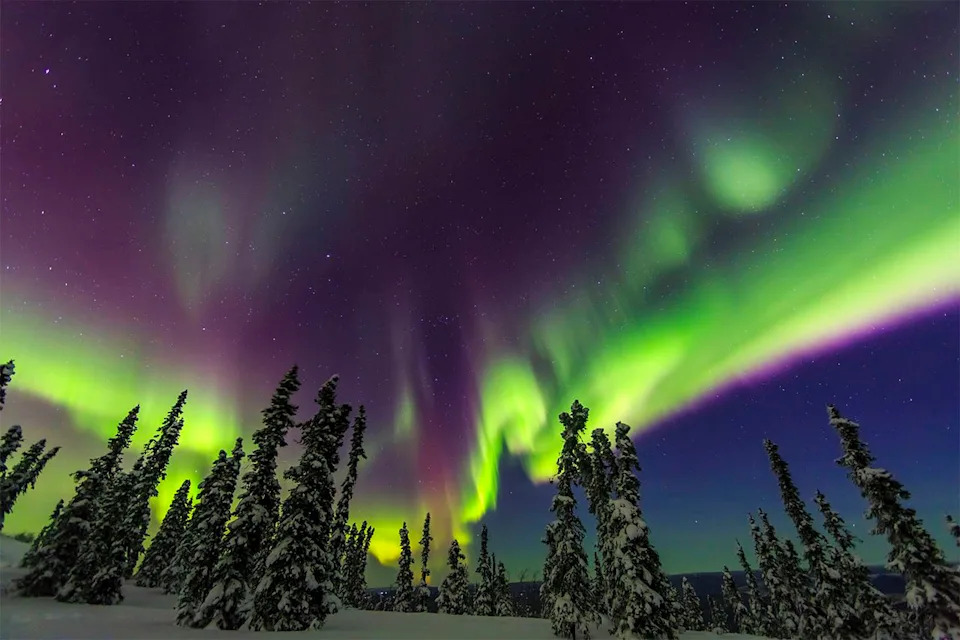
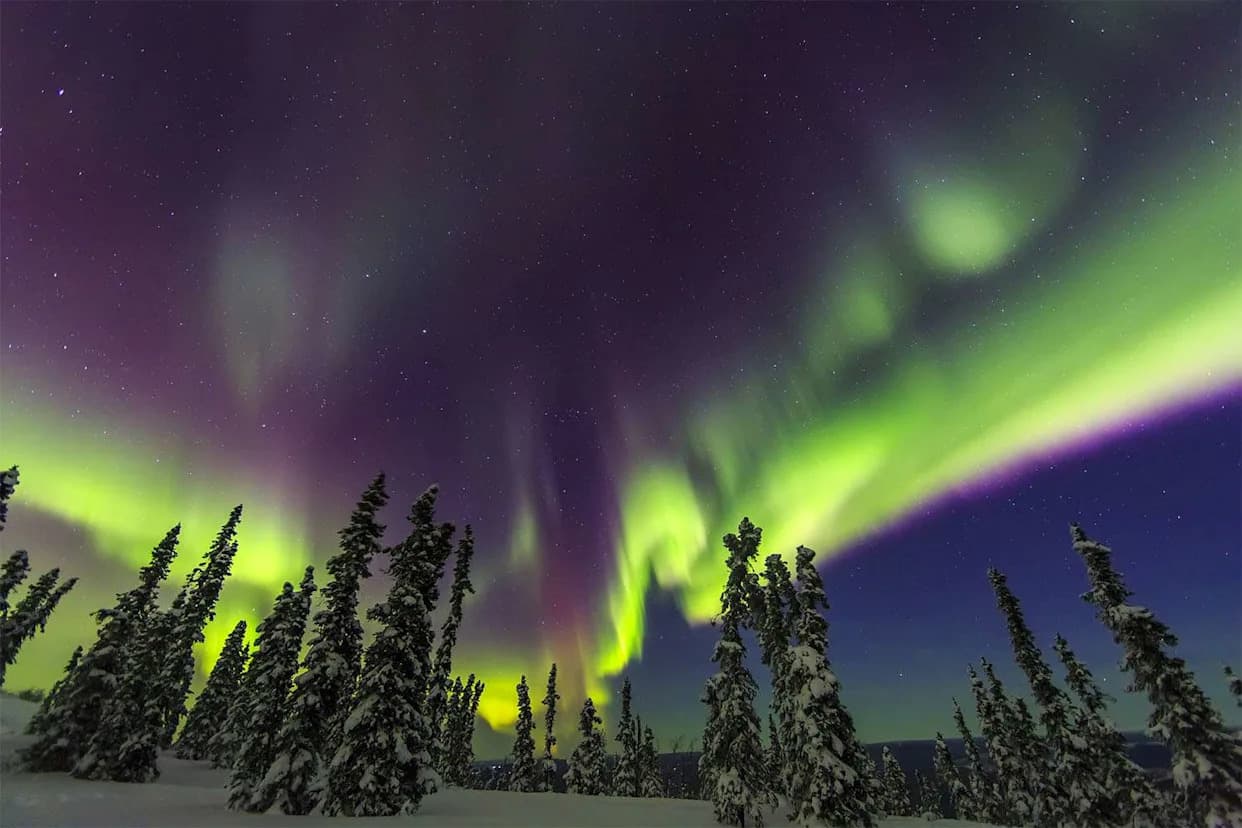
Aurora borealis display near Fairbanks,Gallo Images ROOTS Collection/Getty
Where To Go
Use a light-pollution map or a dark-sky finder to locate a spot away from city lights with a clear view to the north. Bring warm clothing, a chair, and time — sometimes the best displays come late or in short bursts.
Photography Tips
You don’t need professional gear to capture the aurora. Tips for smartphones and cameras:
- Use Night Mode or Pro/Manual mode with the main (not ultra-wide) lens.
- Stabilize your device on a tripod or solid surface to avoid blur.
- Use long exposures (several seconds) and, if possible, shoot in RAW for easier editing.
- Lower ISO to reduce noise, then increase exposure time as needed; experiment with settings to match the brightness of the aurora.
Keep monitoring live forecasts throughout the evening and be prepared to move to darker skies if activity increases. Happy skywatching!
Photo credit: Elizabeth Ruggiero/Getty
Help us improve.