Michigan's attorney general has filed a 126-page lawsuit accusing BP, Shell, Chevron, Exxon Mobil and the American Petroleum Institute of acting as a cartel that suppressed renewables, misled the public about climate risks and drove up energy costs. The complaint alleges a decades-long conspiracy with tactics ranging from patent litigation and trade-association coordination to concealing research and allegedly hiring hackers. Michigan joins other states and local governments pursuing climate accountability amid legal and political battles over jurisdiction and the role of courts in climate policy.
Michigan Sues Big Oil and API, Alleges a 'Cartel' That Suppressed Renewables and Raised Energy Costs
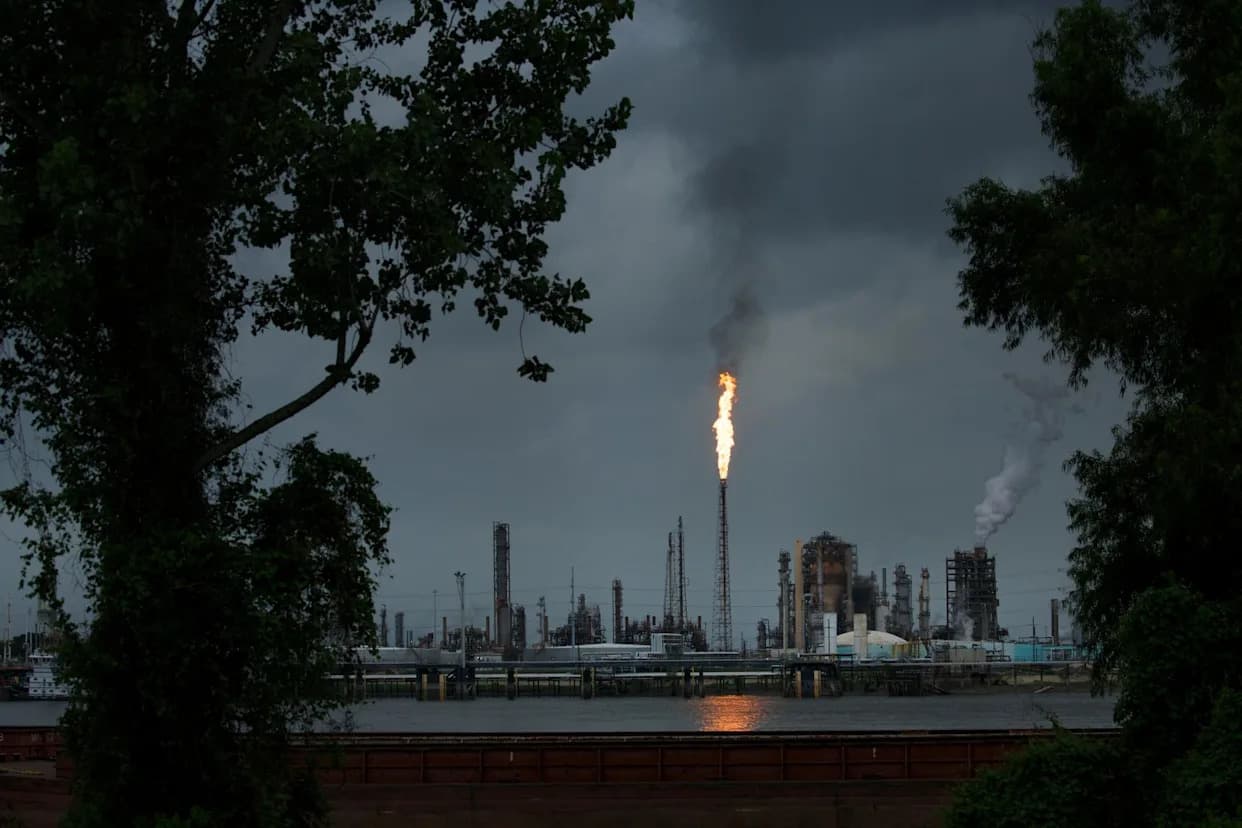
The Shell Chemical LP petroleum refinery on 21 August 2019 in Norco, Louisiana.Photograph: Drew Angerer/Getty Images(Photograph: Drew Angerer/Getty Images)
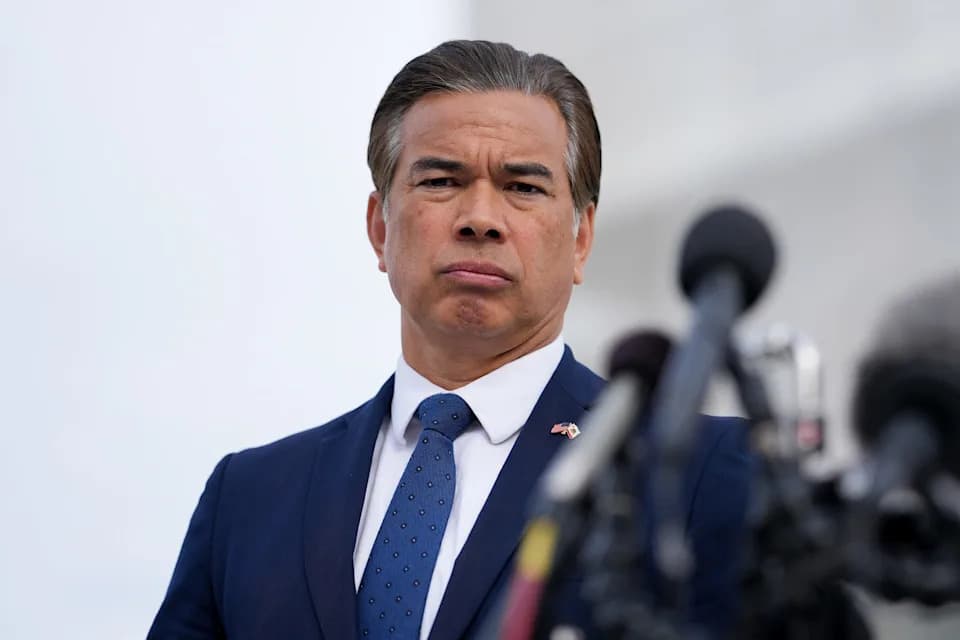
Michigan has filed a landmark lawsuit accusing four major oil companies and the American Petroleum Institute (API) of operating as a cartel that deliberately suppressed renewable energy, impeded electric vehicle (EV) adoption and concealed the climate risks of fossil fuels — driving up energy costs for consumers.
What the Complaint Alleges
In a 126-page complaint filed on 23 January, Attorney General Dana Nessel names BP, Shell, Chevron and Exxon Mobil, along with the API, alleging that the defendants coordinated for decades to restrain the growth of clean energy and to mislead the public about climate science. The suit argues the companies' conduct violated federal and state antitrust laws and harmed Michigan consumers by inflating utility bills and delaying the shift from gasoline-powered vehicles.
Alleged Tactics
The filing describes a broad set of tactics it says were used to preserve fossil fuel dominance, including:
- Using patent litigation and other legal tactics to hinder competitors in clean-energy markets.
- Concealing or misrepresenting research about the harms of fossil fuels and the viability of renewables.
- Coordinating through trade associations to influence investments and policy in favor of oil and gas.
- Allegedly hiring hackers to surveil, intimidate or disrupt journalists and activists.
Context And Impact
The complaint points to a 1979 Exxon internal report warning of catastrophic warming without a large move to renewable energy and says the defendants chose to suppress renewables rather than compete as producers of clean-energy products. Michigan has seen average residential electricity rates rise by nearly 120% over the last two decades. EVs and hybrids made up under 4% of registered vehicles in the state last year, the suit says — statistics Michigan uses to underscore the economic and public-interest stakes.
“Michigan is facing an energy affordability crisis as our home energy costs skyrocket and consumers are left without affordable options for transportation,” Attorney General Dana Nessel said. “These out-of-control costs are not the result of natural economic inflation, but due to the greed of these corporations who prioritized their own profit and marketplace dominance over competition and consumer savings.”
Defendants' Responses And Legal Fight
ExxonMobil called the suit “another legally incoherent effort to regulate by lawsuit,” saying it would not reduce emissions or help consumers and would not stand up in court. The API described the complaints as baseless attacks on an industry that “powers everyday life” and argued energy policy belongs in Congress, not courtrooms. BP declined to comment.
The case is part of a wave of climate-accountability litigation: roughly 10 states and about 60 subnational governments have brought related claims. The Department of Justice reportedly took the unusual step of suing Michigan and Hawaii last year to try to block such filings, though a federal judge later rejected the DOJ's attempt to stop Michigan's suit. Separately, industry groups are lobbying Congress for immunity from climate-focused lawsuits and are pushing the Supreme Court to consider challenges to these types of cases — including a petition from Exxon Mobil and Suncor related to litigation in Boulder, Colorado.
Who Brought The Case
Michigan’s lawsuit was filed by the Attorney General’s office with outside counsel Sher Edling — a California firm that has represented municipalities in climate cases — and co-counsel DiCello Levitt (Chicago) and Hausfeld (Washington, D.C.).
Why It Matters
If allowed to proceed, the case could reshape legal strategies used in climate accountability litigation and affect how courts treat allegations that corporate coordination suppressed clean technology markets. It also highlights the intersection of antitrust law, consumer protection and climate policy.
Note: The Guardian and other outlets have contacted the defendants for comment; responses quoted here come from statements provided by the companies or their spokespeople.
Help us improve.