U.S. regulators have accepted for filing SpaceX’s proposal to deploy a non‑geostationary satellite network that would run AI compute in orbit, potentially scaling to as many as one million data‑center‑style satellites. The FCC is accepting public comment through March 6, 2026. SpaceX says orbiting compute would tap near‑constant solar power and reduce terrestrial cooling pressures; critics point to competition concerns and increased orbital debris risk.
FCC Opens Review of SpaceX’s Ambitious Plan for Orbital AI ‘Data‑Center’ Satellites

U.S. regulators have begun a public review of SpaceX’s proposal to build a non‑geostationary satellite network designed to run energy‑intensive AI workloads in orbit. The Federal Communications Commission (FCC) has accepted the company’s application for filing and requests public comment on the plan and related waiver requests.
What SpaceX Is Proposing
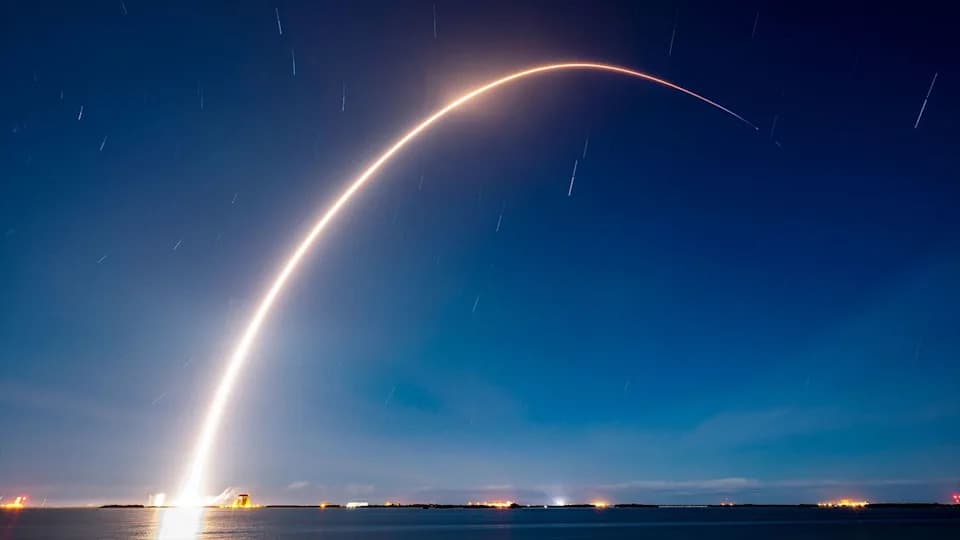
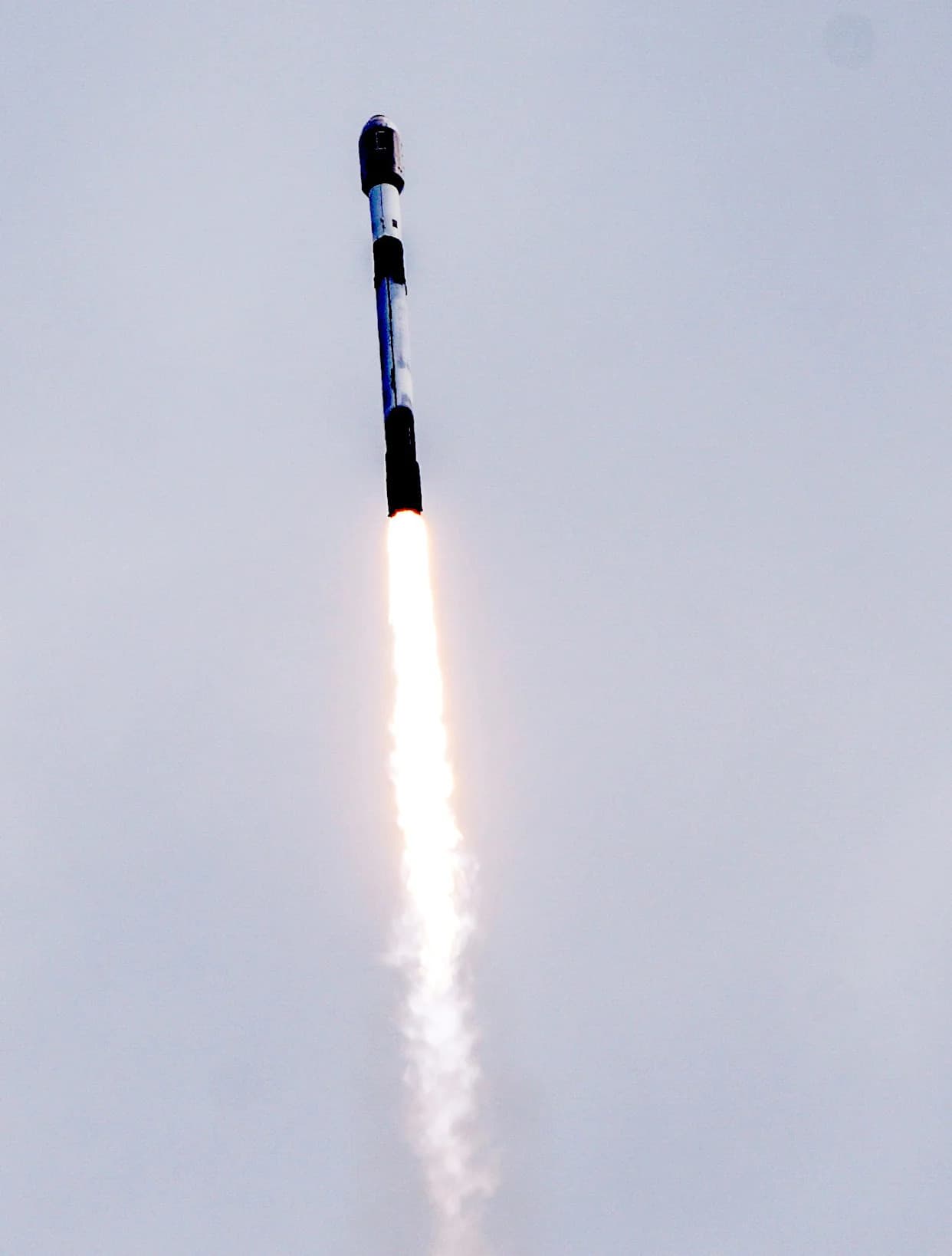
SpaceX says the system would place data‑center‑style satellites roughly 310 to 1,240 miles above Earth and link them with high‑bandwidth, laser‑based optical inter‑satellite connections. The company proposes integrating this network with its existing Starlink constellations so data can be routed and processed in orbit before being downlinked to ground stations.
“The proposed satellites will use high‑bandwidth optical inter‑satellite links and conduct telemetry, tracking, and command (TT&C) operations,” the FCC noted when announcing it had accepted the filing for public comment.
SpaceX has framed the initiative as a response to growing terrestrial power and cooling constraints for large AI training operations. In documents accompanying the application, the company described the idea in ambitious terms — even referencing a long‑term vision toward what it called a “Kardashev II‑level civilization” that could harness a star’s energy at massive scale.
Why SpaceX Says It’s Needed
AI training and data centers are rapidly increasing electricity demand. SpaceX cited figures showing U.S. data centers consumed roughly 183 terawatt‑hours of electricity in 2024 — comparable to the annual use of a large nation — and argued that moving compute to space could access near‑continuous solar power while avoiding water‑ and energy‑intensive cooling systems on the ground.
“Global electricity demand for AI simply cannot be met with terrestrial solutions, even in the near term, without imposing hardship on communities and the environment,” Elon Musk said in a statement. “In the long term, space‑based AI is obviously the only way to scale.”
Concerns, Regulations, And Next Steps
Critics and experts have flagged several issues: potential competitive implications if a single company controls large swathes of orbital compute capacity; the technical and policy challenges of operating thousands or more satellites; and the added risk of orbital debris. The proposal follows the recent consolidation of Musk’s AI startup xAI into SpaceX, which combines AI development and launch capabilities under one roof.
The FCC’s notice opens a public‑comment period that runs through March 6, 2026, giving researchers, environmental groups, industry rivals and others a chance to weigh in. Administrative acceptance for filing is an early procedural step and does not represent regulatory approval; the agency will review comments, technical filings and any mitigation plans before reaching a decision.
Earlier this year, the FCC approved a separate expansion of SpaceX’s Starlink second‑generation network authorizing 7,500 additional satellites. The orbital data‑center plan raises distinct regulatory and policy issues beyond those considered in past Starlink approvals.
Bottom Line
The filing marks a dramatic and provocative pivot in how companies imagine scaling AI infrastructure. It promises near‑constant solar energy and relief from terrestrial cooling limits, but also raises serious questions about competition, space sustainability, and the technical feasibility of running large‑scale compute in low Earth orbit.
Help us improve.