This article examines recurring disease outbreaks on Chinese fur farms and the public-health risks they pose. Investigations link mass die-offs of foxes and minks to the SFTS virus, with genomic evidence of multiple lineages and reassortment. Poor biosafety, risky skinning practices and limited surveillance have led to environmental contamination and worker exposure. Experts urge stronger regulation, improved animal welfare, mandatory PPE and continuous pathogen monitoring rather than immediate blanket bans.
How Disease Outbreaks on Chinese Fur Farms Threaten Global Public Health
Reporting for this story was supported by the Pulitzer Center.
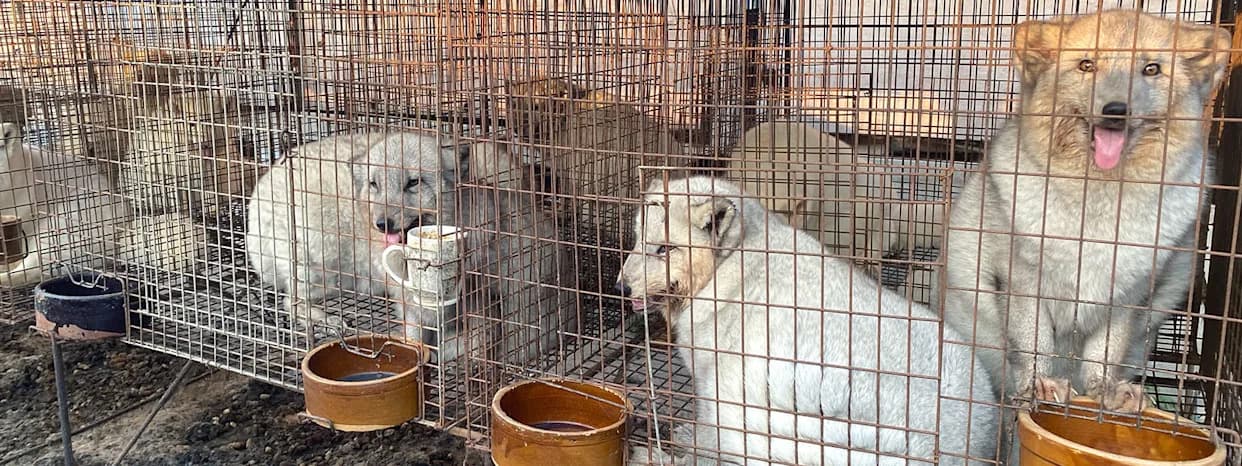
A sharp, musky odor hit me as I stepped out of a taxi near Mr. Wang’s home in Tong’erpu, Liaoning province — one of China’s largest fur-trading hubs. In his yard, about 600 Arctic foxes sat in rows of raised wire cages. Wang, wearing no mask or gloves, moved down the lines, scooping a paste of fish, corn and bones into bowls. The animals ate ravenously.
Why Fur Farms Matter
China is a major global producer of fur — especially fox, mink and raccoon-dog pelts. In 2021 the industry employed roughly 6 million people and was valued at an estimated US$61 billion. For many farmers like Wang, fur farming supplements unstable agricultural incomes. But the industry also concentrates large numbers of susceptible animals in crowded conditions with uneven biosafety standards, creating fertile ground for pathogen emergence and spread.
SFTS: From Mystery Illness to Recognized Threat
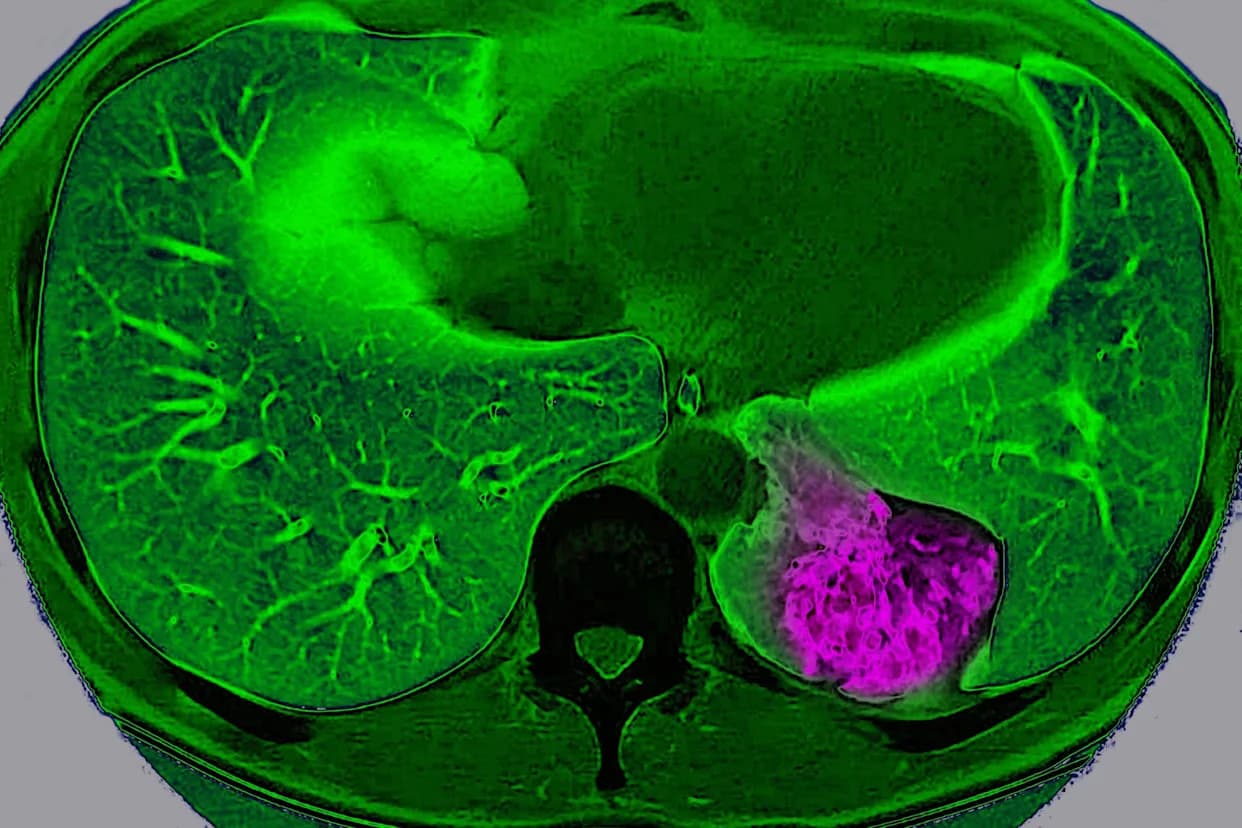
Severe fever with thrombocytopenia syndrome (SFTS) was first recognized about two decades ago after waves of severe fever, diarrhea and dangerously low platelet counts in central China. In 2009, microbiologist Yu Xuejie and colleagues identified an RNA virus as the cause. Subsequent work implicated the tick Haemaphysalis longicornis as a key vector. SFTS can cause bleeding, vomiting, diarrhea and organ failure in humans and has been reported across East and Southeast Asia. China reported roughly 5,500 confirmed SFTS cases last year — nearly triple the number recorded five years earlier.
Recent Die-Offs and Genomic Clues
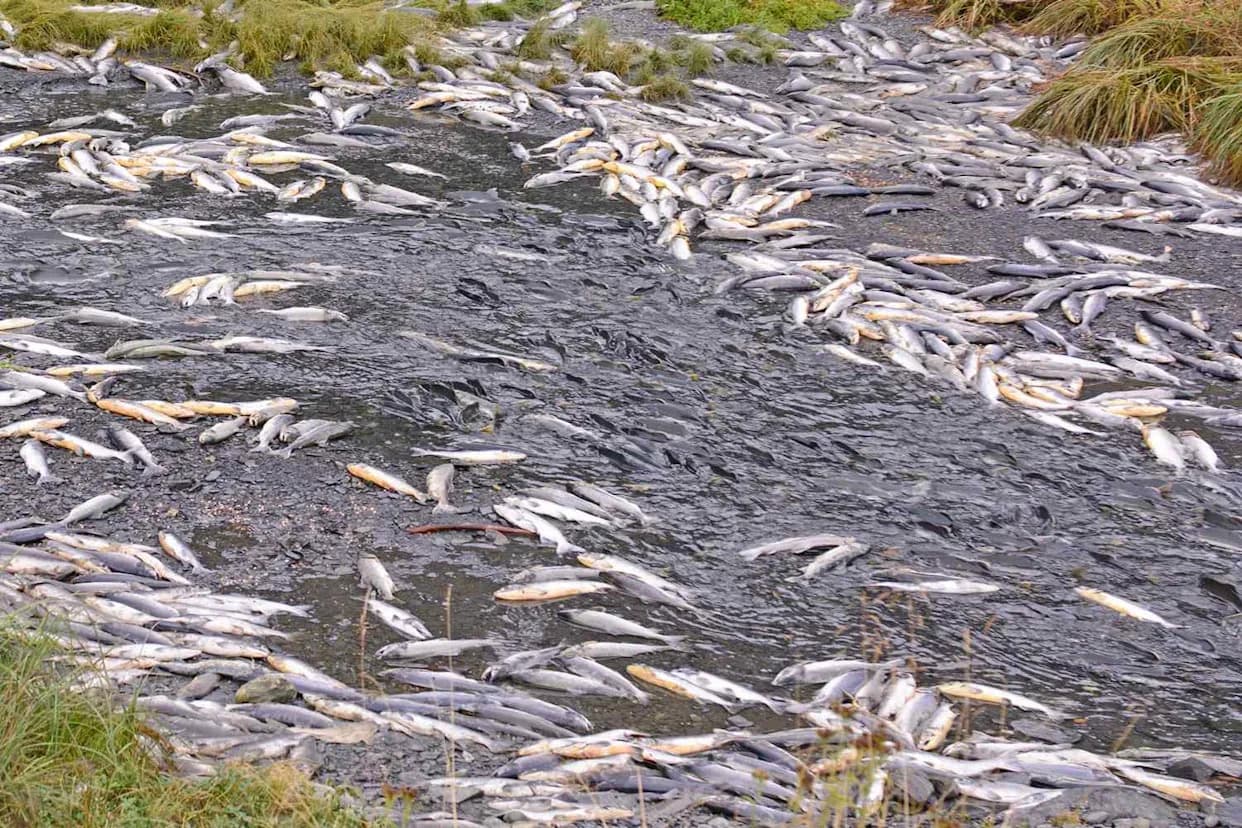
In fall 2023, veterinarians and farmers began posting about sudden die-offs of foxes on farms in Shandong and Liaoning. Affected animals developed respiratory signs, lost appetite, passed black stools and died within days. Shi Weifeng’s team at Shanghai Jiao Tong University collected organ and environmental samples from several farms and found that almost every fox they tested was heavily infected with the SFTS virus. Thirteen complete viral genomes fell into three closely related groups, and some genomes showed evidence of reassortment — the mixing of genome segments that can produce new variants with altered infectivity or virulence.
Human Cases and Occupational Risk
Nearby, in October 2023, a 60-year-old farm worker fell ill and died after rapidly progressing symptoms; a coworker was hospitalized. Both tested positive for SFTS. An epidemiological investigation on the farm — which housed raccoon dogs, minks and thousands of foxes — found viral RNA in animal blood and environmental swabs from the skinning area. Four of six sequenced genomes from the site were 99.9% identical to the patients’ viruses, indicating a shared source.
“Zero biosafety” is how some researchers describe conditions observed on parts of China’s fur-farming sector — workers without PPE, direct handling of sick animals, and unsafe skinning practices that can splatter blood and fluids.
Researchers hypothesize that skinning can aerosolize infectious material. Experimental work shows animals can shed the pathogen in saliva, and inhaled aerosols can lead to lung infection in animal models — making inhalation a plausible occupational route of exposure.
Broader Viral Risks
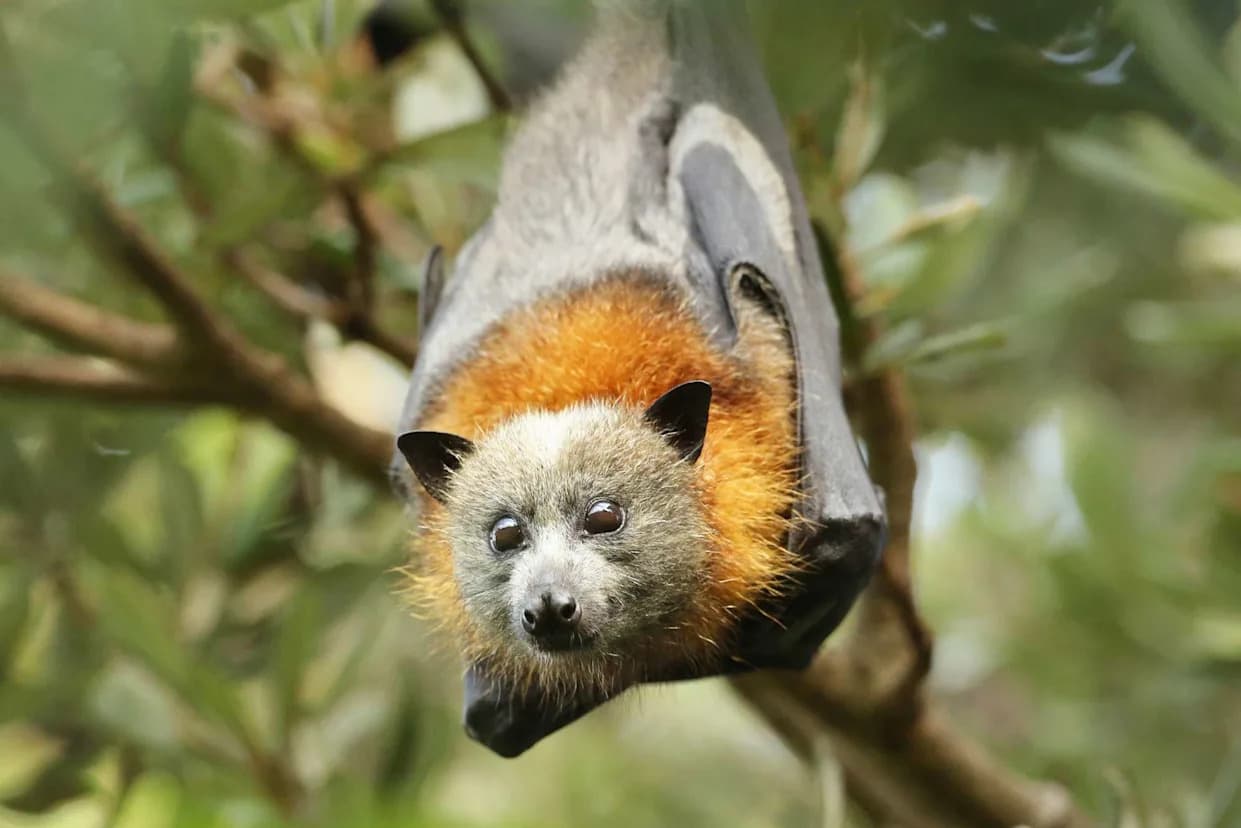
Beyond SFTS, surveys of diseased fur animals across China identified nearly 40 viruses with high zoonotic potential. Separate studies detected coronaviruses and influenza viruses in fur and game animals, including canine coronaviruses in raccoon dogs. International examples — such as bird-flu spread among Finnish fur farms via gulls — illustrate how wildlife, feed contamination or farm pests can seed outbreaks.
What Scientists Recommend
Rather than advocating immediate blanket bans, many experts call for pragmatic measures: stronger regulation, improved animal welfare, strict enforcement of personal protective equipment (PPE) and safe-processing practices (especially during skinning), and routine pathogen surveillance among animals and workers. Finland’s post–2023 bird-flu rules — netting to keep birds out, moving animals indoors, reducing cage density and enforcing PPE — offer a model of targeted interventions.
Conclusion
Fur farms concentrate susceptible animals and create repeated opportunities for viruses to jump species. The mix of rising SFTS cases, genomic evidence of reassortment, environmental contamination and occupational exposures is a stark reminder that poorly regulated animal production systems can pose significant public-health threats. Better regulation, surveillance and biosafety are urgent if the sector is to reduce the risk of future outbreaks and protect both workers and the wider public.
Help us improve.