In a private 1964 letter to Roger Stevens, Jackie Kennedy warned that naming the Washington performing arts complex after President John F. Kennedy risked politicizing the institution and asked for strict governance safeguards: a full‑time Washington‑based director, trustees chosen for a love of the arts rather than political patronage, and a family representative on the board. She allowed the naming to proceed temporarily but said she would seek a name change if the center failed to honor JFK’s memory. Those concerns resurfaced in 2025 after a controversial board overhaul, the installation of Ric Grenell as interim director, an informal renaming to include Donald Trump’s name, and a planned two‑year closure that drew artist and family criticism.
Jackie Kennedy’s 1964 Warning: Naming The Kennedy Center After JFK Could Invite Politics — And Her Concerns Resonate In 2025
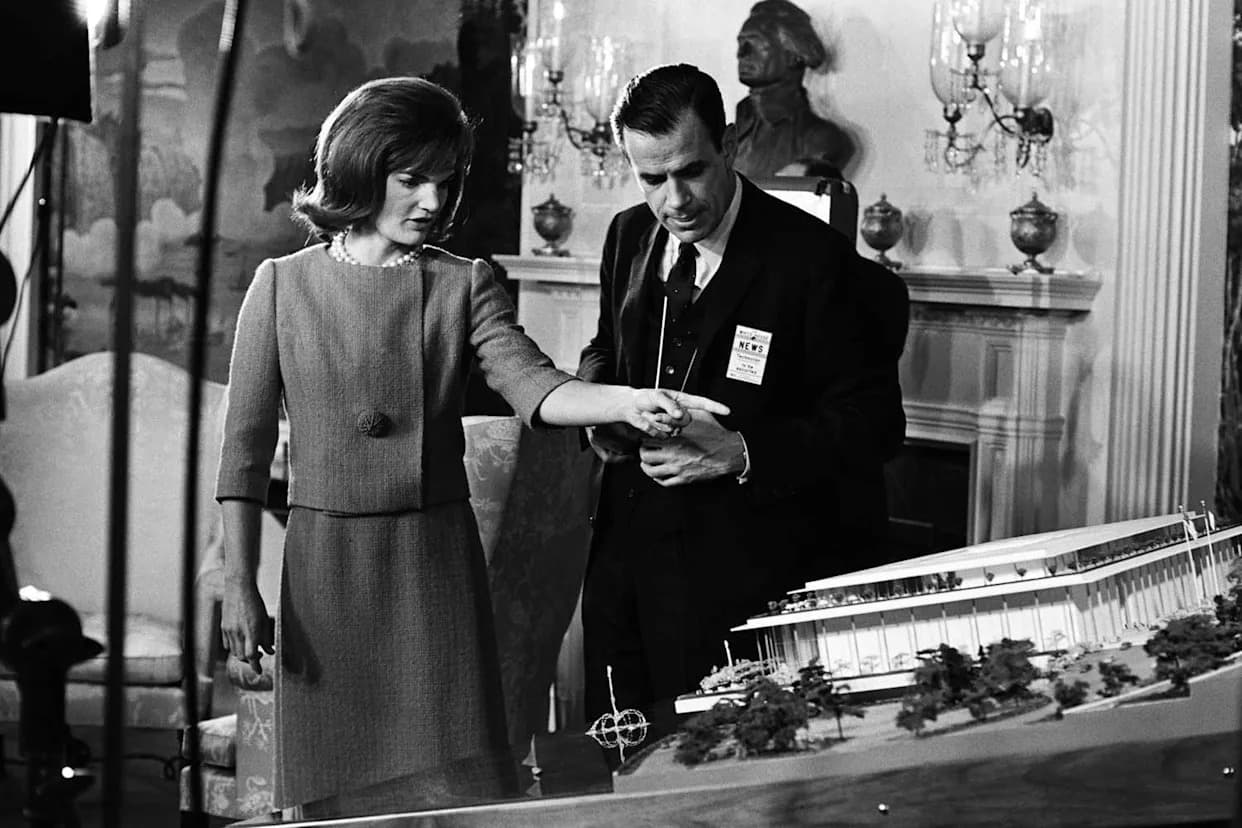
In a private four‑page letter written in 1964 to Roger Stevens, the founding chairman of Washington’s new national cultural center, Jacqueline "Jackie" Kennedy expressed deep reservations about permanently affixing her late husband President John F. Kennedy’s name to the performing arts complex now known as the Kennedy Center.
The Kennedys had been involved with the project before JFK’s assassination. After his death, Congress voted to name the center for the slain president and to designate it a “living memorial.” In the letter, Jackie wrote that she had been under pressure when that decision was made and felt unable at the time to make a clear choice. “I don’t think he needs any memorial — his grave and his Library are that,” she wrote, adding that the center was a project he had inherited and might have shaped differently had he initiated it.
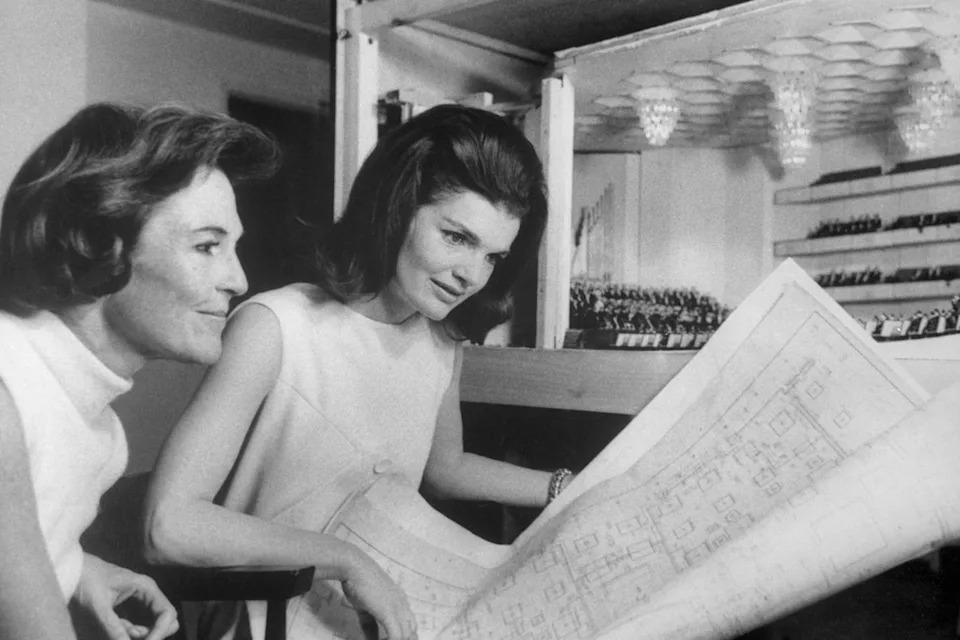
Conditions to Protect a Memorial
Jackie warned that permanently attaching JFK’s name could politicize the institution. To guard against that outcome, she set out specific governance principles she wanted in place if the center were to become part of his legacy:
- A Full‑Time, Washington‑Based Director: The director should live in Washington, be devoted to the role, and treat it as a full‑time post comparable to heads of other major cultural institutions.
- Trustees Chosen For The Arts, Not Patronage: Board members should be selected for their genuine love of the arts or unique contributions to the center — not as political favors or campaign payback. “The appointment of trustees must never be allowed to fall into the realm of political patronage,” she wrote.
- Family Representation: If the center bore JFK’s name, Jackie insisted that at least one family representative should always have a seat on the board.
- Ongoing Oversight: She asked for a personal representative on the board to act as a liaison and said that, with such representation, she would respond to the center’s inquiries quickly and cooperatively.
Jackie also said she would tolerate the naming temporarily to allow the project to proceed, but warned that if the institution failed to reflect what she believed appropriate for JFK’s memory, she would ask Congress to change its name.
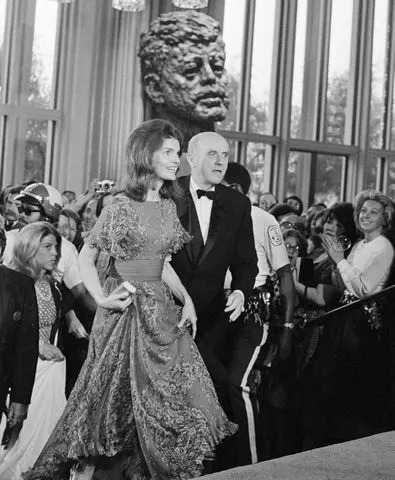
Why the Letter Matters Today
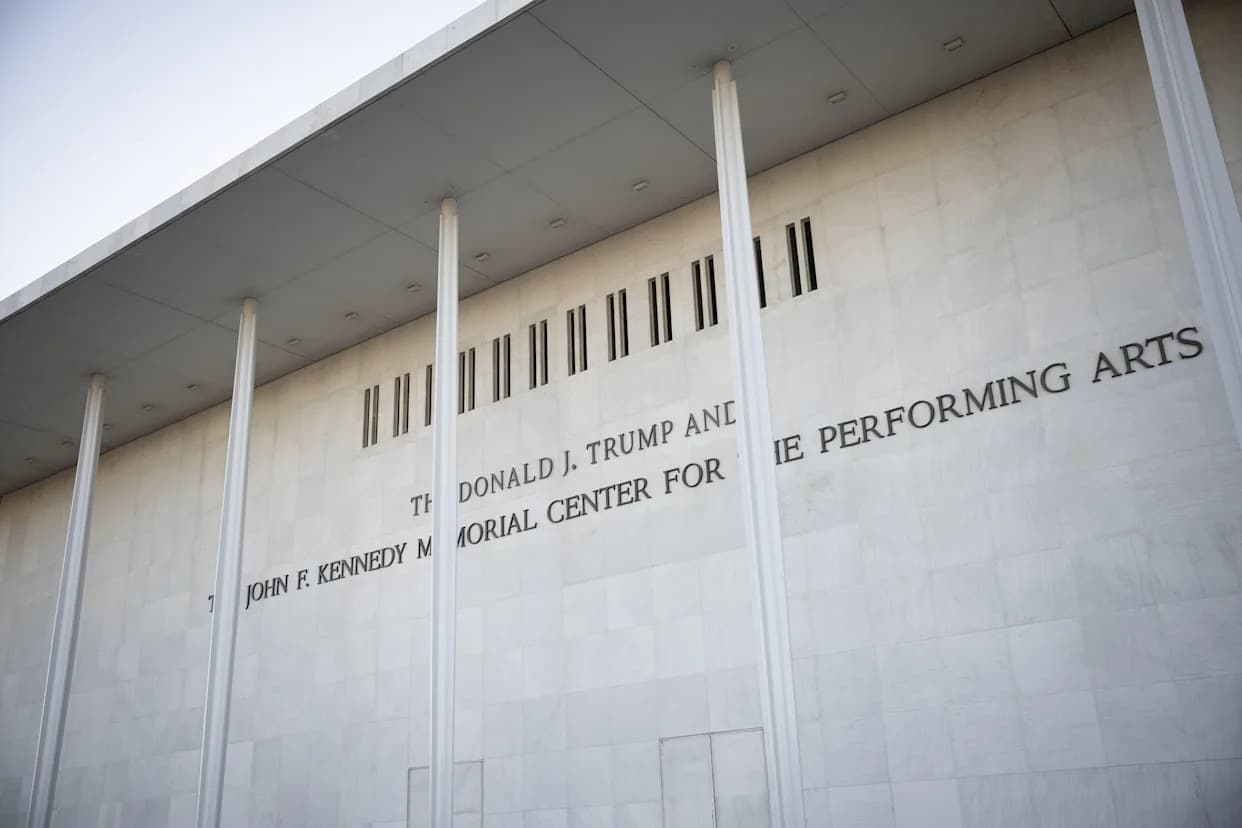
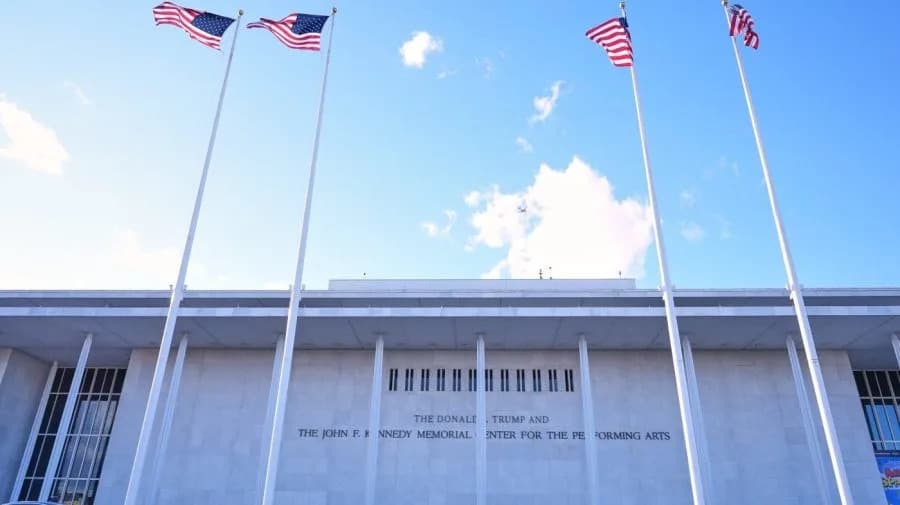
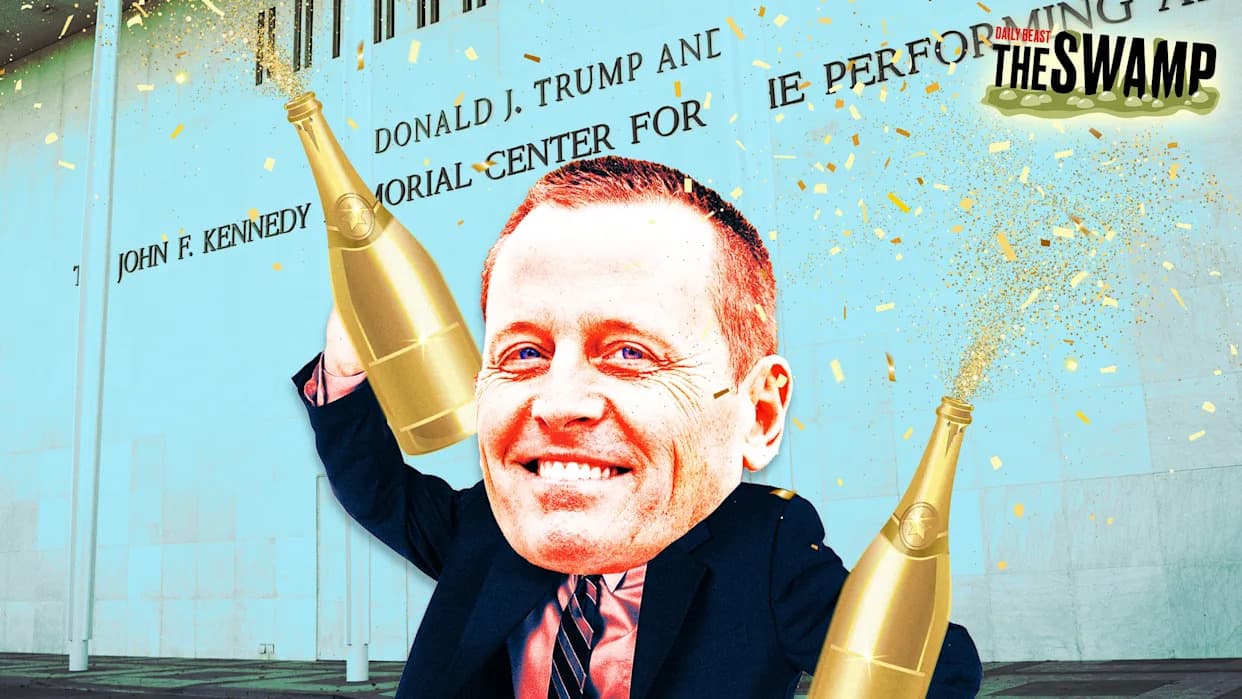
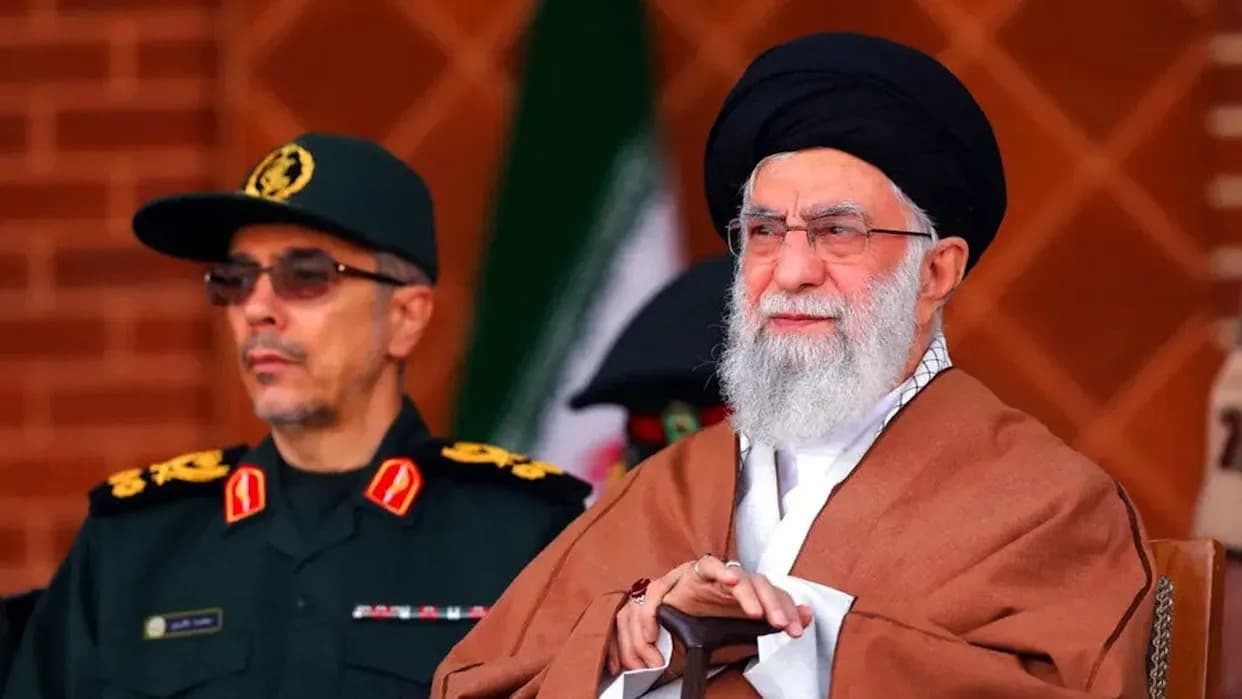
More than six decades later, those cautions have reappeared in public debate after a contentious leadership and governance change at the Kennedy Center in February 2025. A newly reconstituted board replaced longtime trustees, installed former diplomat and political operative Ric Grenell as interim executive director in place of Deborah Rutter, and informally voted to add President Donald J. Trump’s name alongside JFK’s in the institution’s title.
Those actions prompted cancellations by several artists and performers, public criticism from members of the Kennedy family, and wider concern that political influence had altered the center’s mission. In December, longtime Kennedy family member voices called the renaming effort “beyond comprehension.” Afterward, President Trump announced plans to close the center for two years for “construction, revitalization and complete rebuilding,” a move critics say further disrupted programming and the center’s role as a public cultural venue.
“All I care about now is sparing him controversy. He has a right to peace now,” Jackie wrote in 1964 — a line many observers say now rings poignantly true.
Whether one views the 2025 changes as reform or politicization, Jackie Kennedy’s 1964 letter remains a clear articulation of how she hoped a memorial bearing her husband’s name would be protected from partisan interference. Her prescription — strong, professional leadership; boards populated by people chosen for their arts credentials; and family involvement — remains a yardstick in the current debate over the center’s future.
Sources: Contemporary reporting on Jackie Kennedy’s 1964 letter and subsequent reporting on the Kennedy Center’s 2025 leadership and governance changes.
Help us improve.