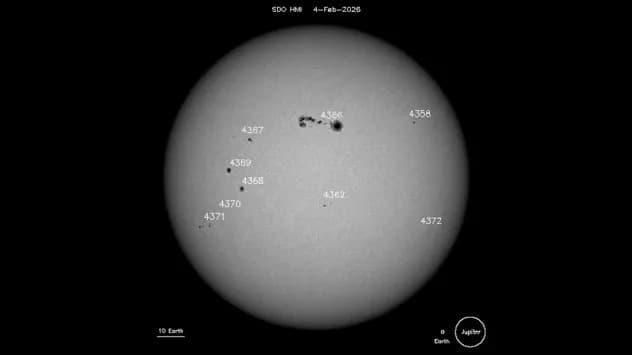
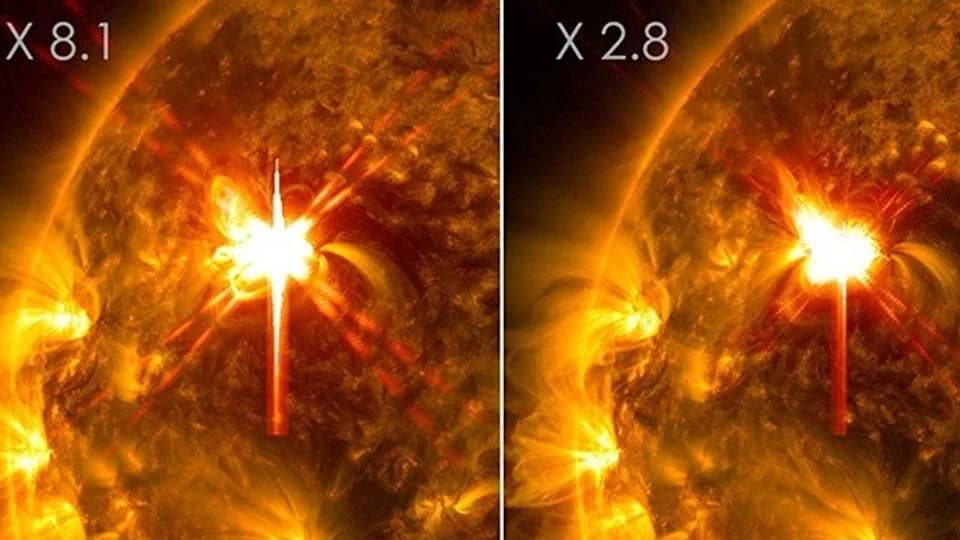
NASA's Solar Dynamics Observatory captured an X1.5 solar flare that peaked at 9:08 a.m. ET on Feb. 3. X‑class flares are the strongest category, and this event — along with activity from AR4366 — could raise geomagnetic storm chances and brighten the Northern Lights. Such storms can also disrupt radio, navigation, power grids and satellites, so NOAA and NASA advise monitoring official space‑weather alerts.
NASA Captures Powerful X1.5 Solar Flare — Could Boost Northern Lights
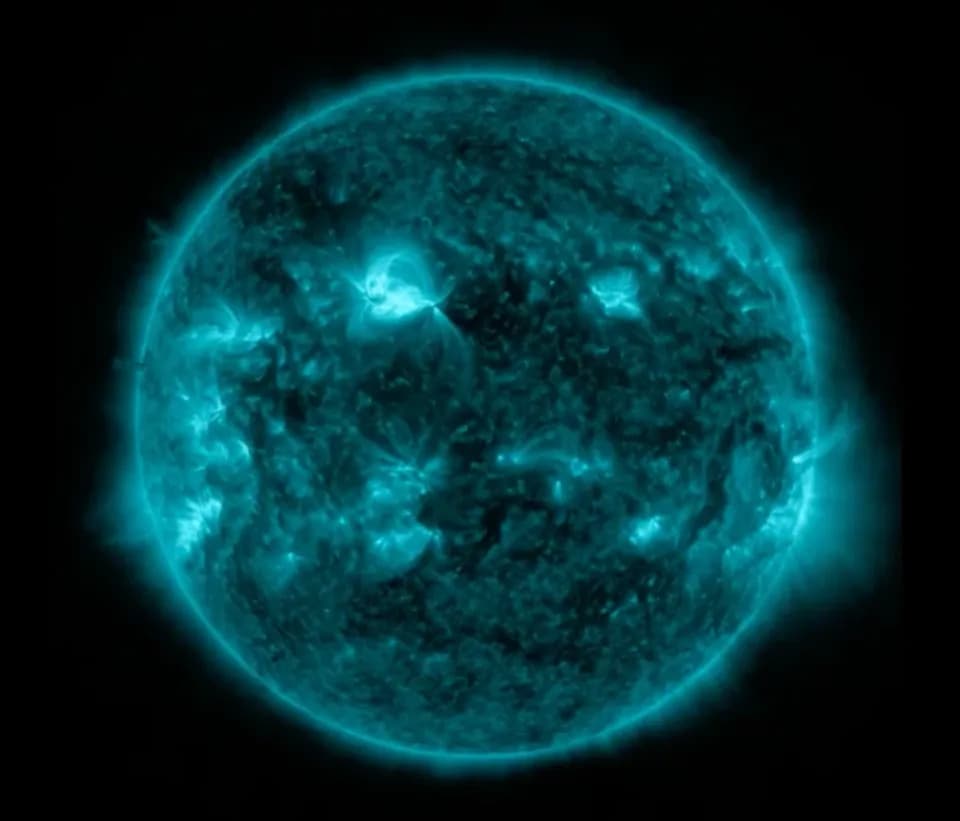
The Sun released a strong solar flare on Tuesday, Feb. 3
NASA's Solar Dynamics Observatory recorded a powerful X1.5 solar flare from the Sun on Tuesday, Feb. 3, following several eruptions in preceding days. The flare peaked at 9:08 a.m. ET and was classified as X‑class — the most intense category of solar flares — with the numeric suffix (1.5) indicating its relative strength.
What Is a Solar Flare?
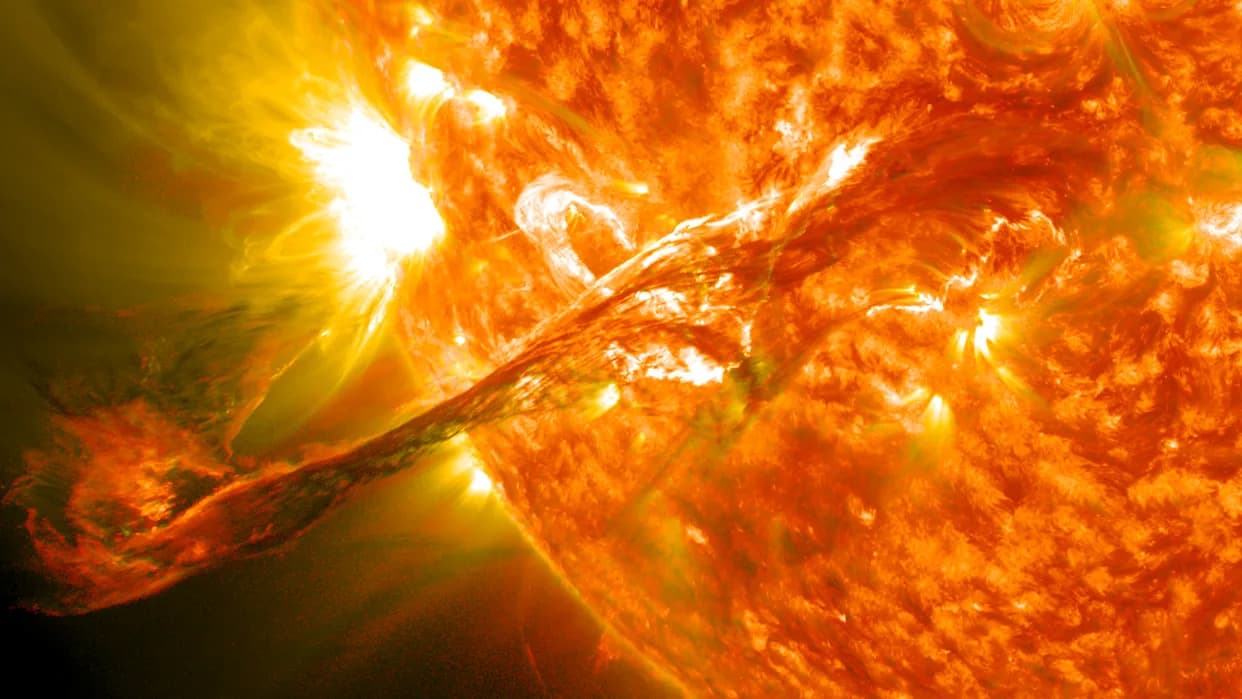
A solar flare is a sudden, intense release of magnetic energy from the Sun that appears as a concentrated burst of bright light and radiation. According to NASA, flares occur when built-up magnetic energy in the Sun’s atmosphere is released rapidly, emitting radiation across nearly the entire electromagnetic spectrum.
“When a solar flare erupts, the explosion can release as much energy as a billion atomic bombs,” NASA said.
Impacts and Why It Matters
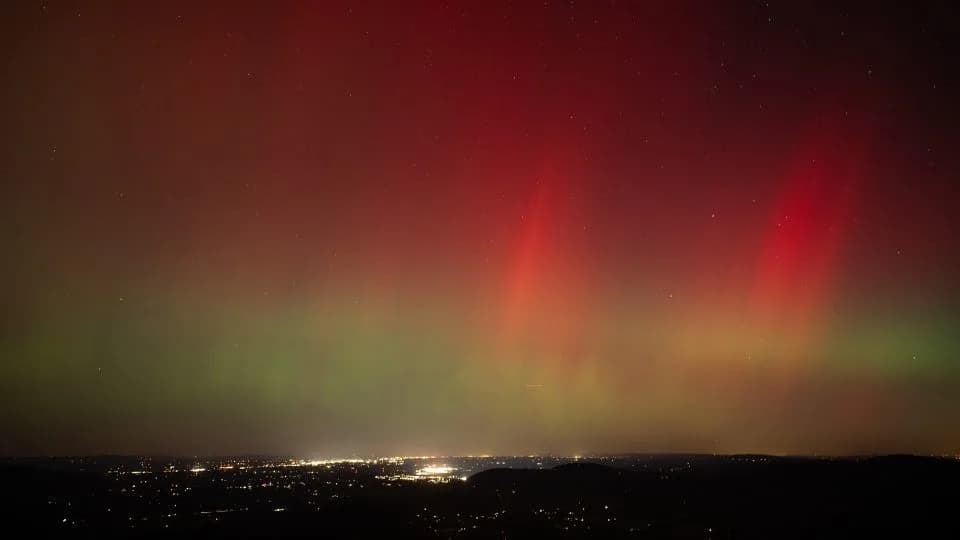
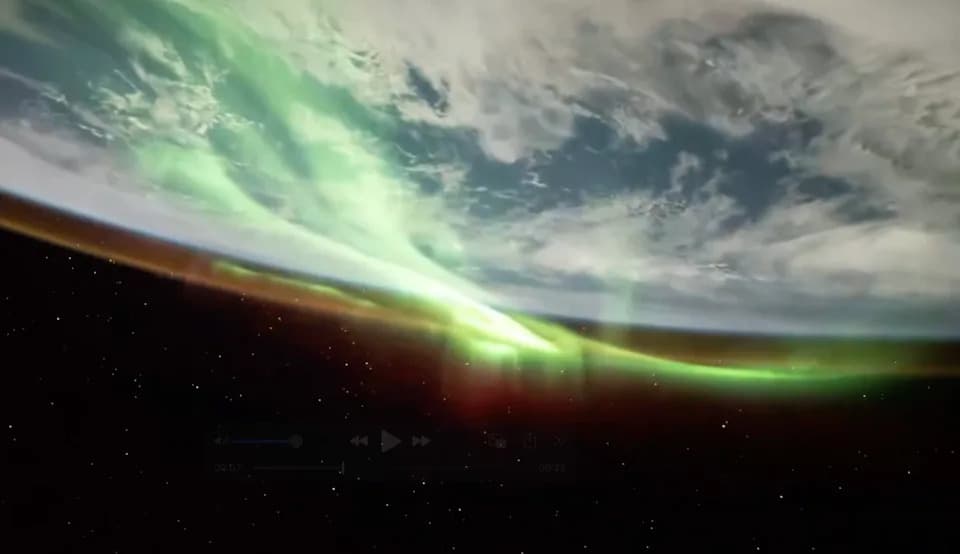
Solar flares and related eruptions — especially coronal mass ejections (CMEs) that can accompany flares — can hurl energetic particles and magnetic fields into space. When those particles interact with Earth’s magnetic field, they can trigger geomagnetic storms that both enhance auroral displays and interfere with human technology.
- Possible effects include intensified Northern Lights (auroras) at higher and sometimes lower latitudes than usual.
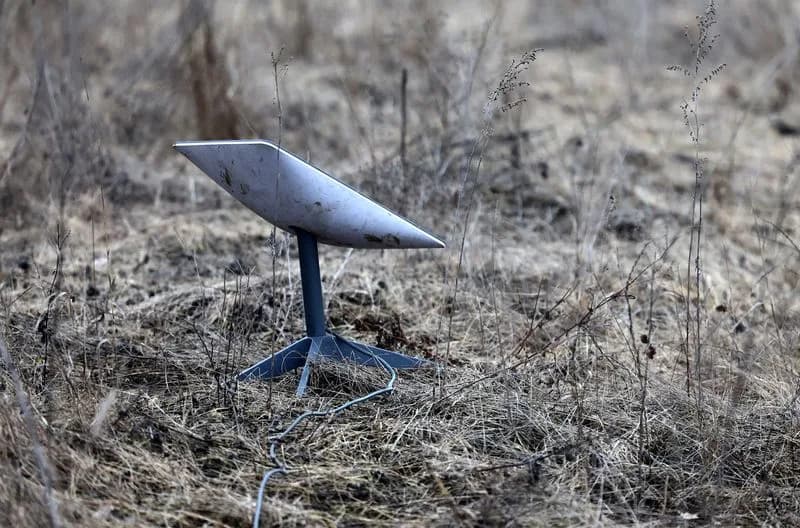
- Geomagnetic storms can disrupt radio communications, GPS and navigation signals, and operation of power grids.
- High-energy particles pose radiation risks to satellites and astronauts and can affect spacecraft electronics.
NOAA’s Space Weather Prediction Center and NASA monitor active regions on the Sun. Observations show activity from active region AR4366 produced recent X‑class flares that could drive geomagnetic disturbances capable of enhancing auroral visibility. In late January, a strong geomagnetic storm already produced vivid auroras visible much farther south than usual.
If you want to watch for auroras or check space-weather alerts, follow updates from the NOAA Space Weather Prediction Center and NASA, and heed local advisories for impacts on communications or power systems.
Help us improve.