Using the European Space Agency’s Solar Orbiter, scientists have for the first time captured high-resolution, high-cadence observations of a solar flare forming. The data show that large flares arise from a cascade of small magnetic reconnection events that spread and intensify, culminating in a major eruption. Researchers also observed streams of plasma blobs raining back through the solar atmosphere—clear signatures of energy deposition. Published in Astronomy & Astrophysics, the findings could improve space weather forecasts that protect satellites and power systems on Earth.
Solar Orbiter Captures Solar Flare Birth in Unprecedented Detail
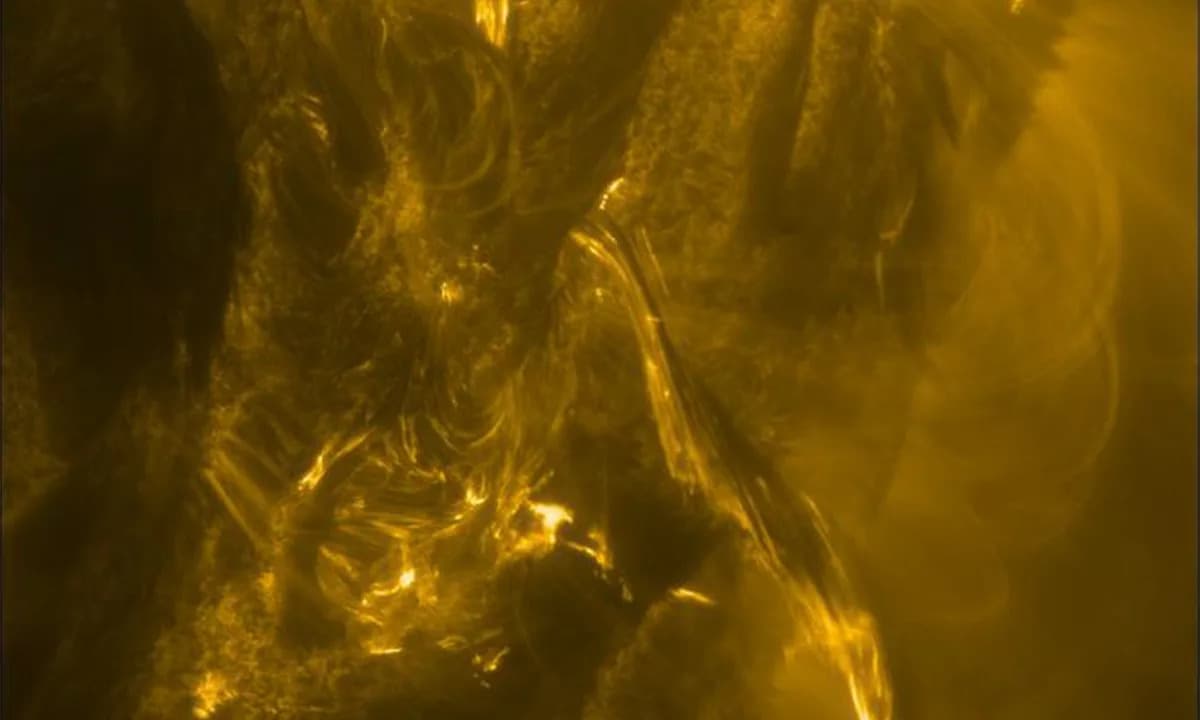
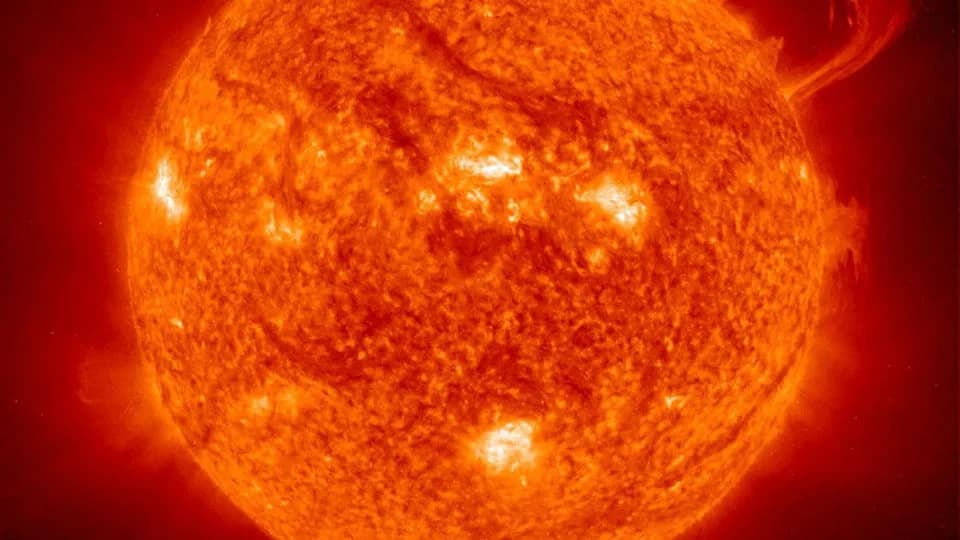
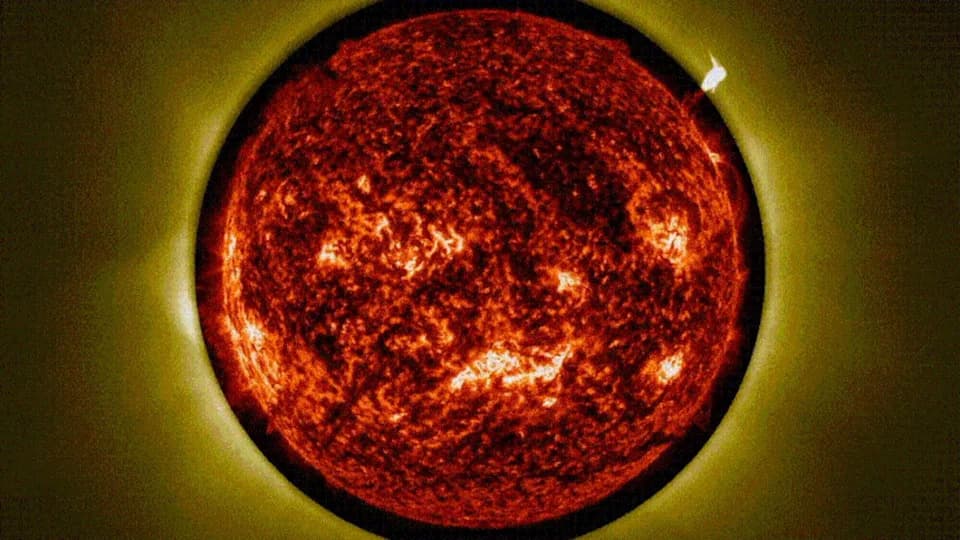
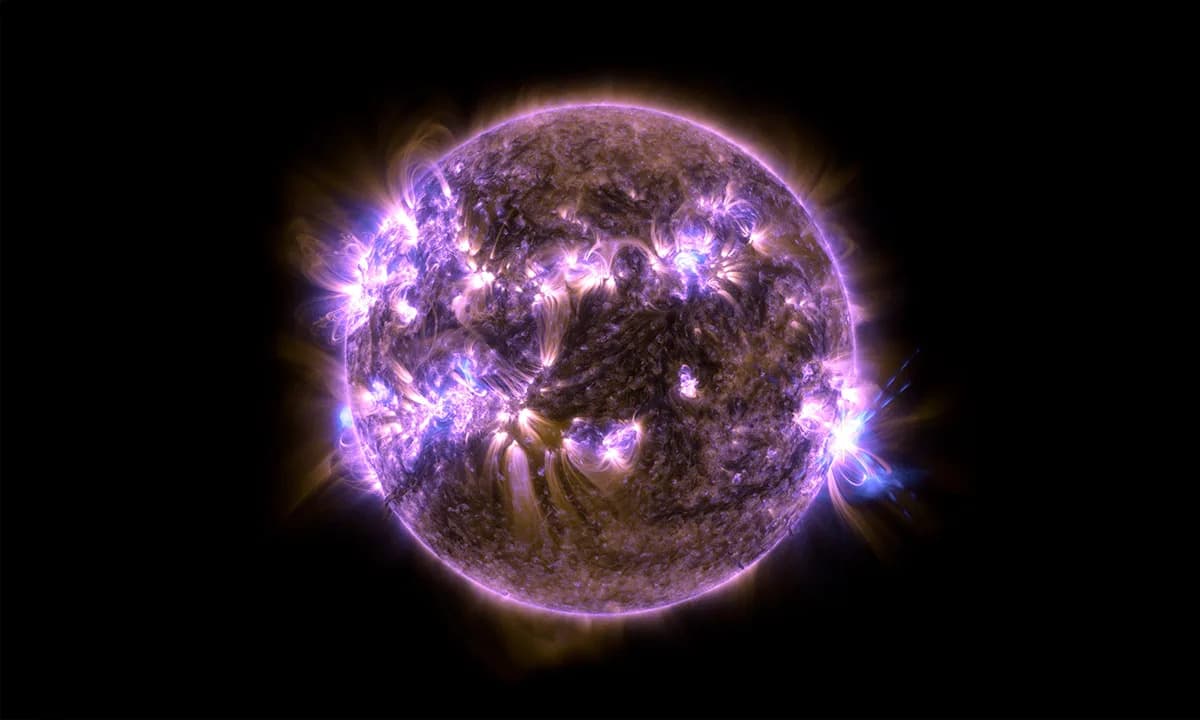
Lead image: ESA & NASA/Solar Orbiter/EUI Team(Unleashing a solar flare. Credit: ESA & NASA/Solar Orbiter/EUI Team.)
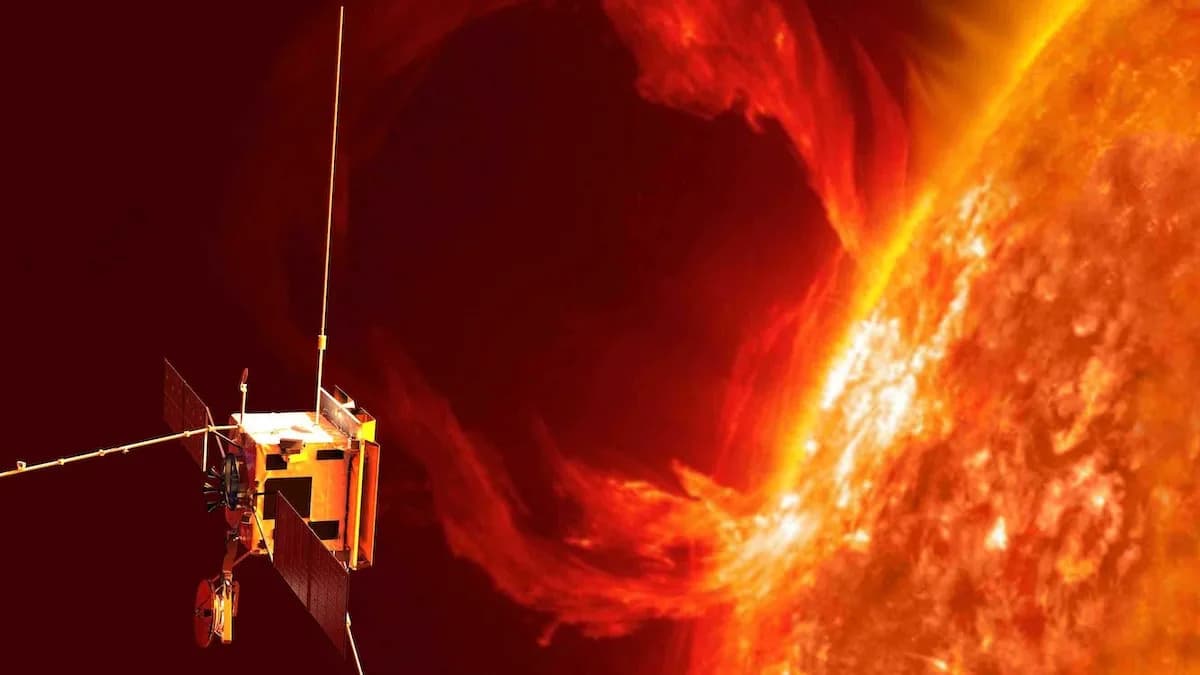
The Sun, vital for life but highly turbulent, hides dramatic magnetic activity on its surface. Using multiple imaging instruments aboard the European Space Agency’s Solar Orbiter, researchers have for the first time recorded high-resolution, high-cadence observations of a solar flare as it formed, revealing new details about how these powerful eruptions begin.
The results, published in Astronomy & Astrophysics, show that large solar flares do not start as a single, isolated explosion. Instead, they emerge from a rapid cascade of small magnetic reconnection events. These localized reconnections destabilize neighboring magnetic structures and trigger an avalanche-like spread of activity that builds into a large eruption.
“We were really very lucky to witness the precursor events of this large flare in such beautiful detail,” said Pradeep Chitta of the Max Planck Institute for Solar System Research. He noted that such dense, rapid observations are rare because the spacecraft has limited observing windows and because high-cadence data demand substantial onboard memory.
The team also observed streams of dense plasma blobs falling back through the Sun’s atmosphere — a phenomenon the authors describe as ‘raining plasma blobs.’ These downflows are direct signatures of where magnetic energy was deposited into solar material and were seen intensifying as the flare progressed. Remarkably, the rain continued even after the main flare had subsided, and this is the first time such behavior has been recorded at this spatial and temporal resolution in the solar corona.
Why This Matters
Understanding the fine-scale chain reaction that produces flares helps improve physical models of flare initiation. Better models can lead to more accurate forecasts of space weather, which is essential because strong flares and related solar activity can disrupt satellites, communications, and electrical grids on Earth.
These observations were made possible by combining complementary instruments on Solar Orbiter and taking advantage of a fortunate observing window. The study’s detailed measurements provide a new benchmark for testing and refining theoretical and numerical models of solar eruptions.
Help us improve.