The strongest solar storm in more than 20 years produced vivid auroras across southern Australia, with sightings reported as far north as central Queensland. The display — caused by a Coronal Mass Ejection interacting with Earth’s magnetic field — produced bright green, purple and pink curtains visible to the naked eye. Officials said the event is linked to the Sun’s current Solar Maximum and that activity should ease over the following days, though fainter displays may remain visible in southern regions.
Record-Breaking Solar Storm Sparks Spectacular Southern Lights Across Australia
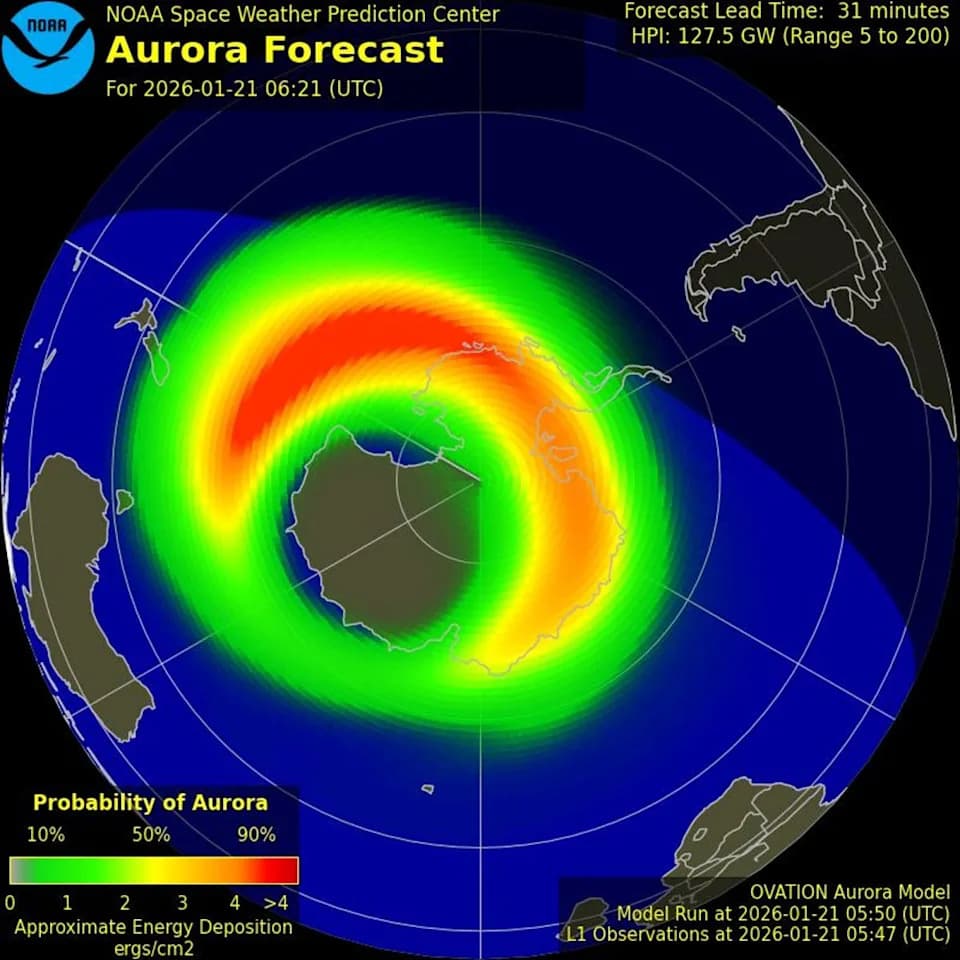
Aurora forecast for Wednesday (NOAA)
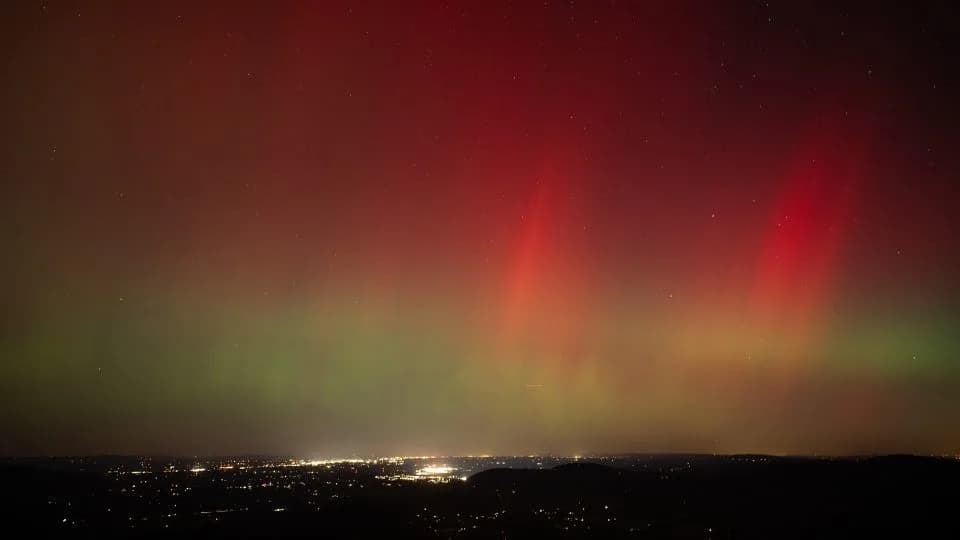
The most powerful solar storm in more than two decades produced spectacular auroras on Tuesday night, lighting the southern skies and reaching unusually far north — with reports as distant as central Queensland.
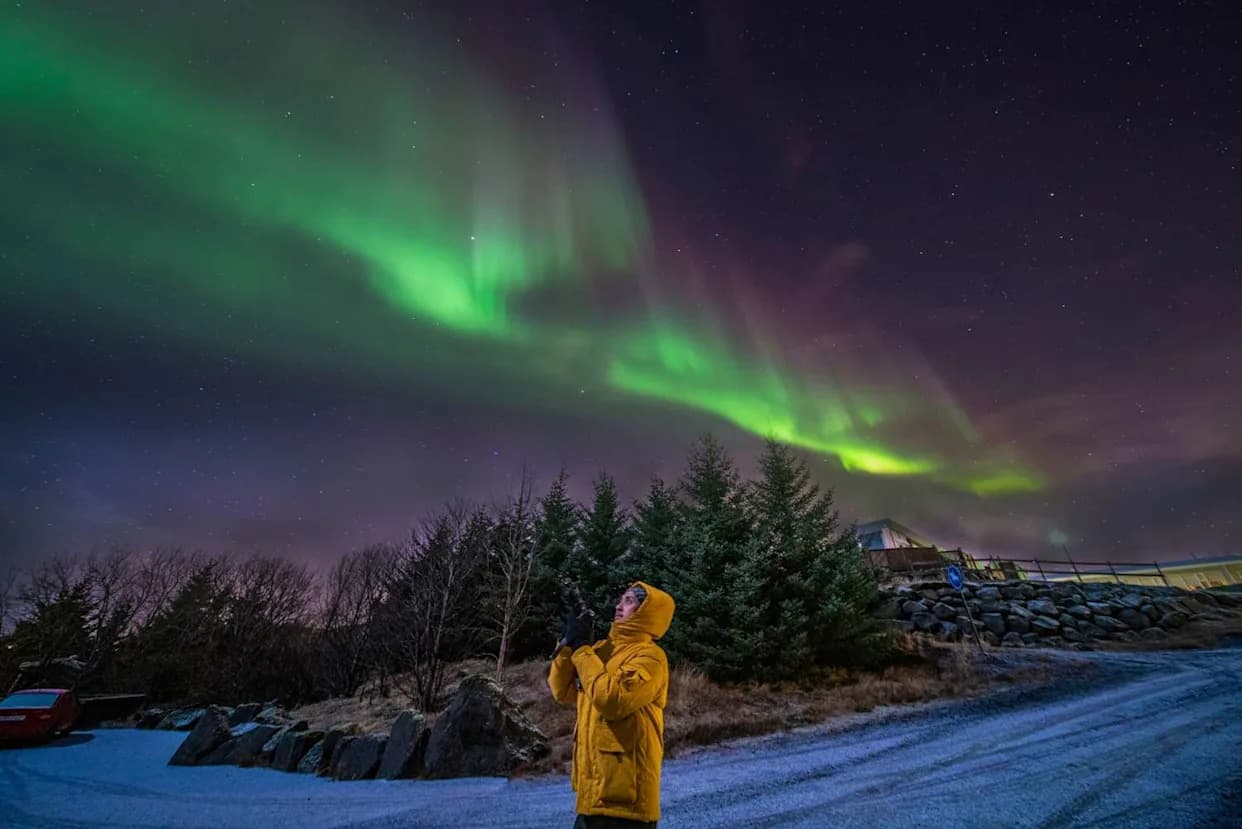
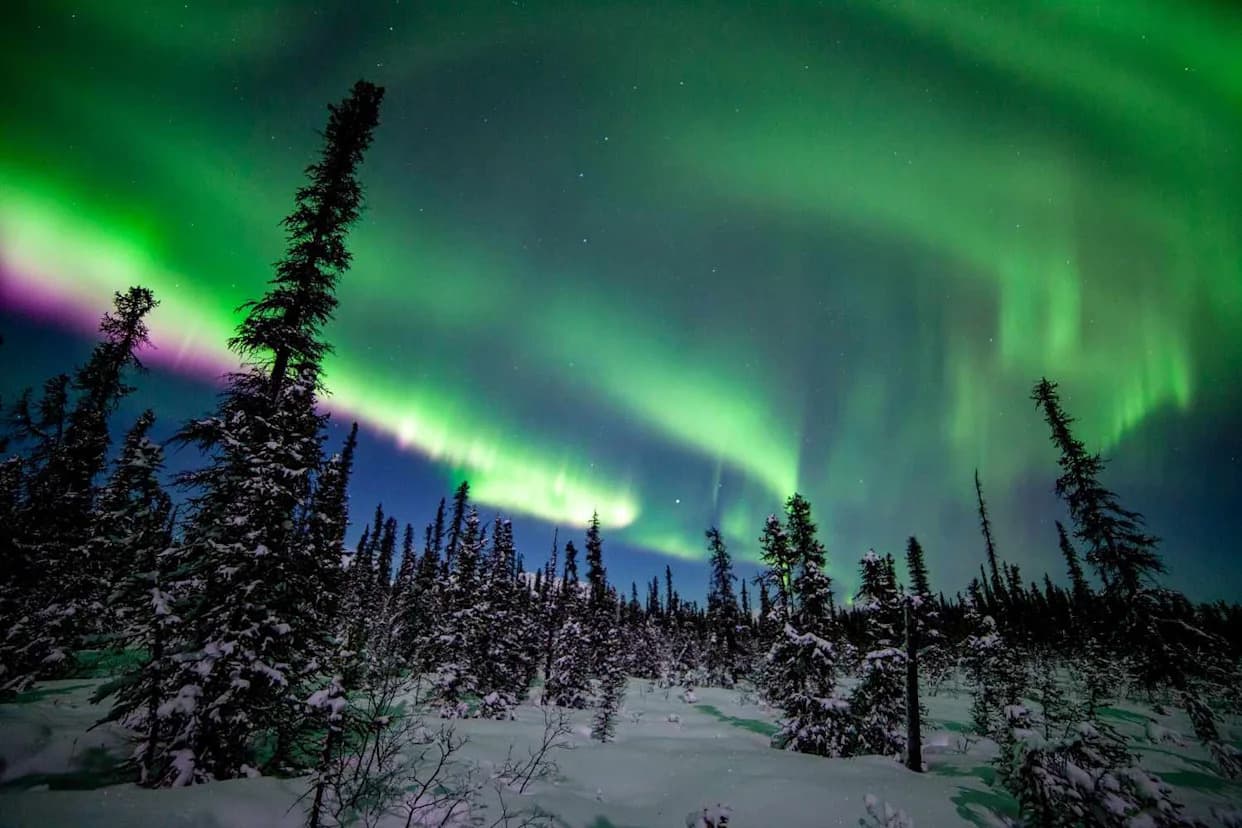
Photos and videos shared by Australian skywatchers captured vivid bands of green, purple and pink that were bright enough to be seen with the naked eye. Witnesses from Tasmania, Victoria, New South Wales and Queensland reported seeing curtains and arcs of light low on the southern horizon.
What Caused the Lights
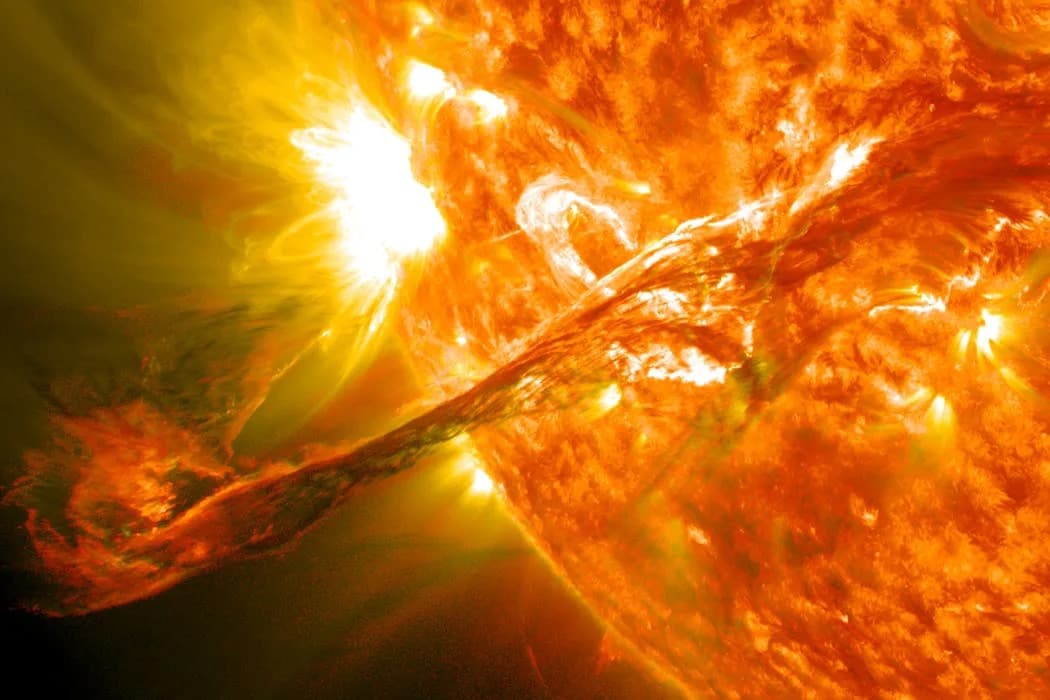
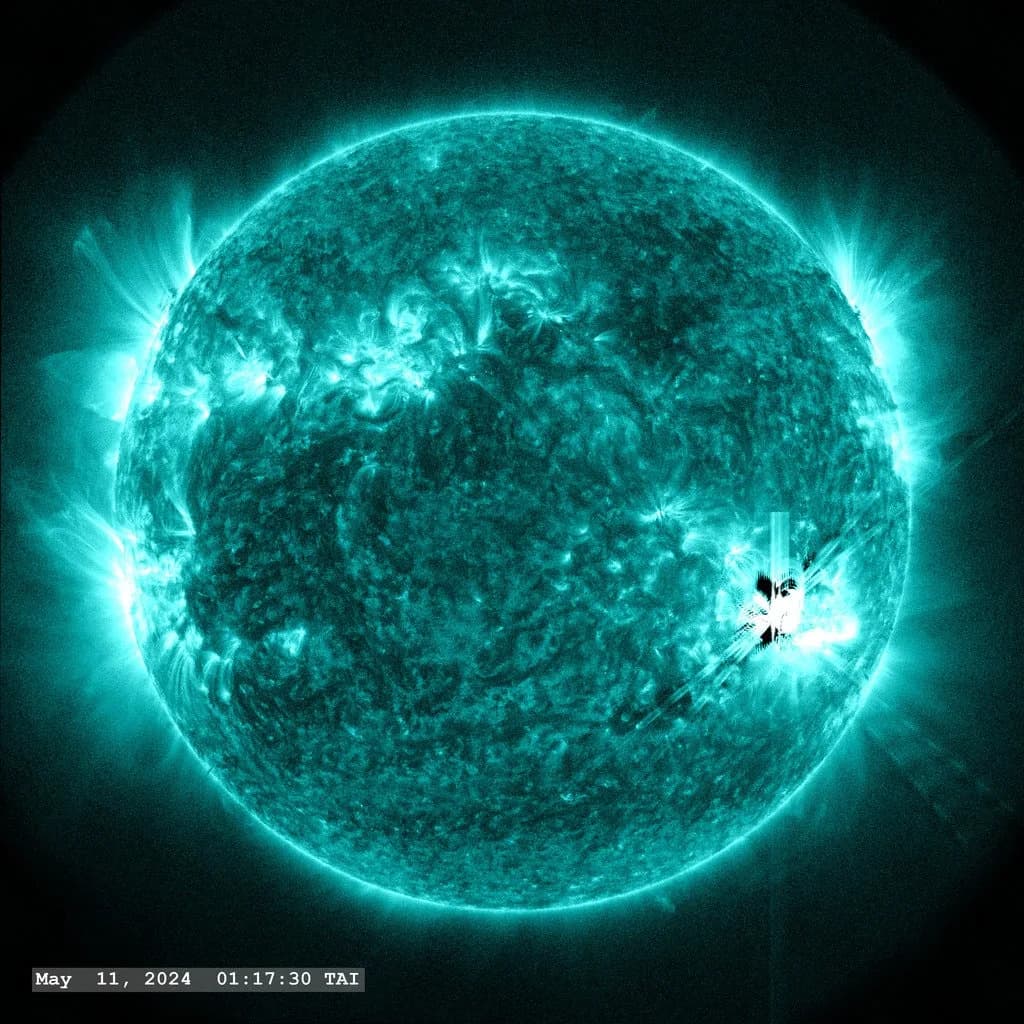
Scientists say the display was triggered by a Coronal Mass Ejection (CME) — an eruption of charged particles from the Sun — that slammed into Earth's magnetic field. Electrons accelerated by the event followed the planet’s magnetic field toward the polar regions, colliding with oxygen and nitrogen atoms in the upper atmosphere. Those collisions excited atoms and molecules; when they relaxed back to lower energy states they released photons, producing the luminous curtains and shimmering colors observers saw.
Why This Was Unusual
Auroras are seldom observed from latitudes above about 35° South, so the appearance of the lights as far north as central Queensland made this event exceptional. "Typically, it is the far south of the country which has the best opportunity to see the aurora, but last night was such a strong event that photos were captured as far north as central Queensland," the Bureau of Meteorology said.
Rare visibility across so many regions: Astrophysicist Sara Webb of Swinburne University told ABC News it was "rare" for so many parts of Australia to observe the lights simultaneously.
Ongoing Activity and Forecast
Experts link the intense auroras and their solar drivers to the current Solar Maximum — the peak phase of the Sun’s roughly 11-year magnetic activity cycle, when eruptions and geomagnetic disturbances are more frequent. The Australian Space Weather Forecasting Centre issued an aurora alert ahead of the event and warned that solar wind speeds were expected to decline on Wednesday and Thursday.
The bureau said the lights were likely to be weaker after the peak night, reducing the chance they would be seen as far north. "It is likely to be weaker than last night, meaning it won't be visible as far north as yesterday, but people in Victoria, Tasmania and southern Western Australia may still have a chance to capture the lights on the southern horizon," the Bureau of Meteorology added.
What To Watch For
While visually stunning, strong geomagnetic storms can occasionally affect radio communications, GPS accuracy and satellite operations. Observers are encouraged to follow official updates from the Bureau of Meteorology and space weather centres for any alerts or warnings.
Help us improve.