A new international paper, including a NASA researcher, warns that human reproduction beyond Earth is no longer merely hypothetical. Microgravity, higher radiation and limited medical care create untested risks for embryos, fetuses and neonatal care. The authors call for coordinated international research, ethical frameworks and industry‑wide standards before any attempt at off‑Earth conception. For now, births in space remain speculative, but preparation is urgent.
NASA-Backed Study: Human Births In Space Carry Major Unknown Risks — Experts Call For Global Research And Ethics
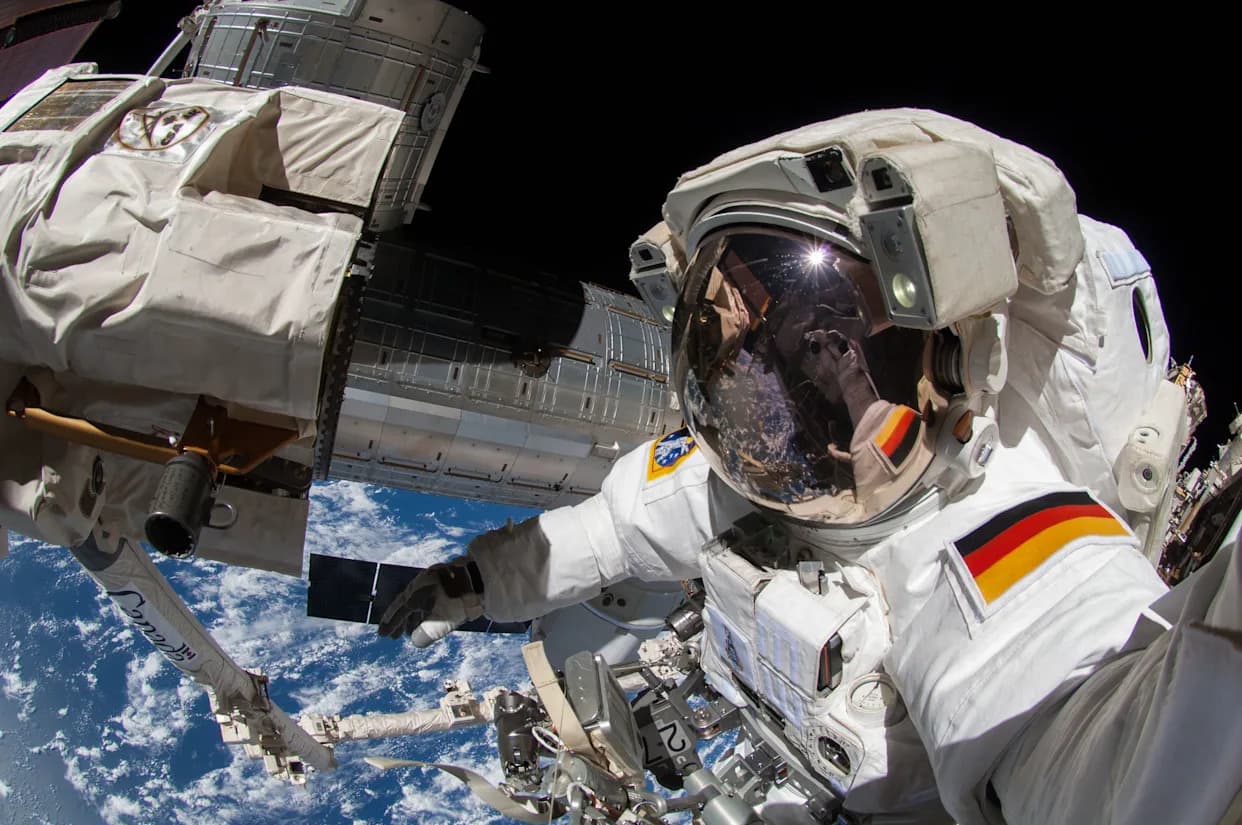
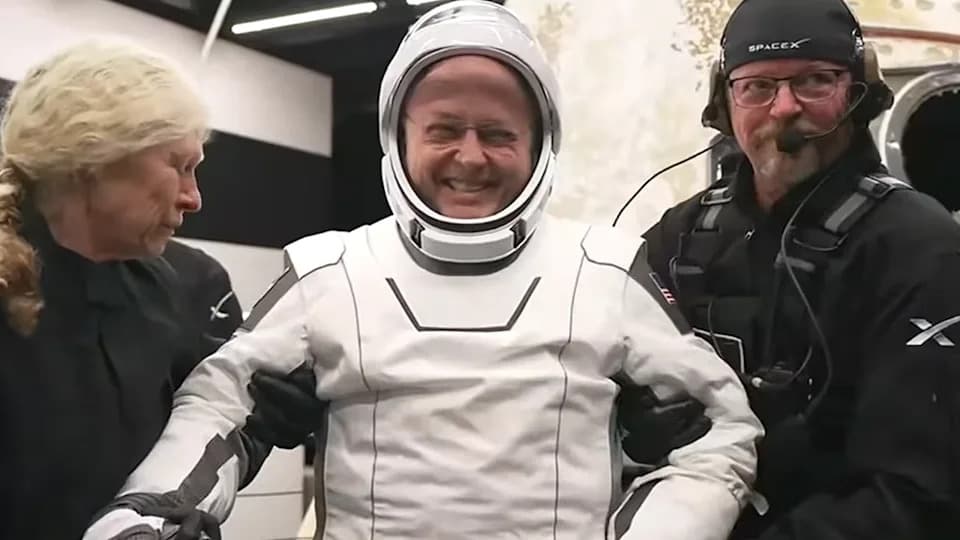
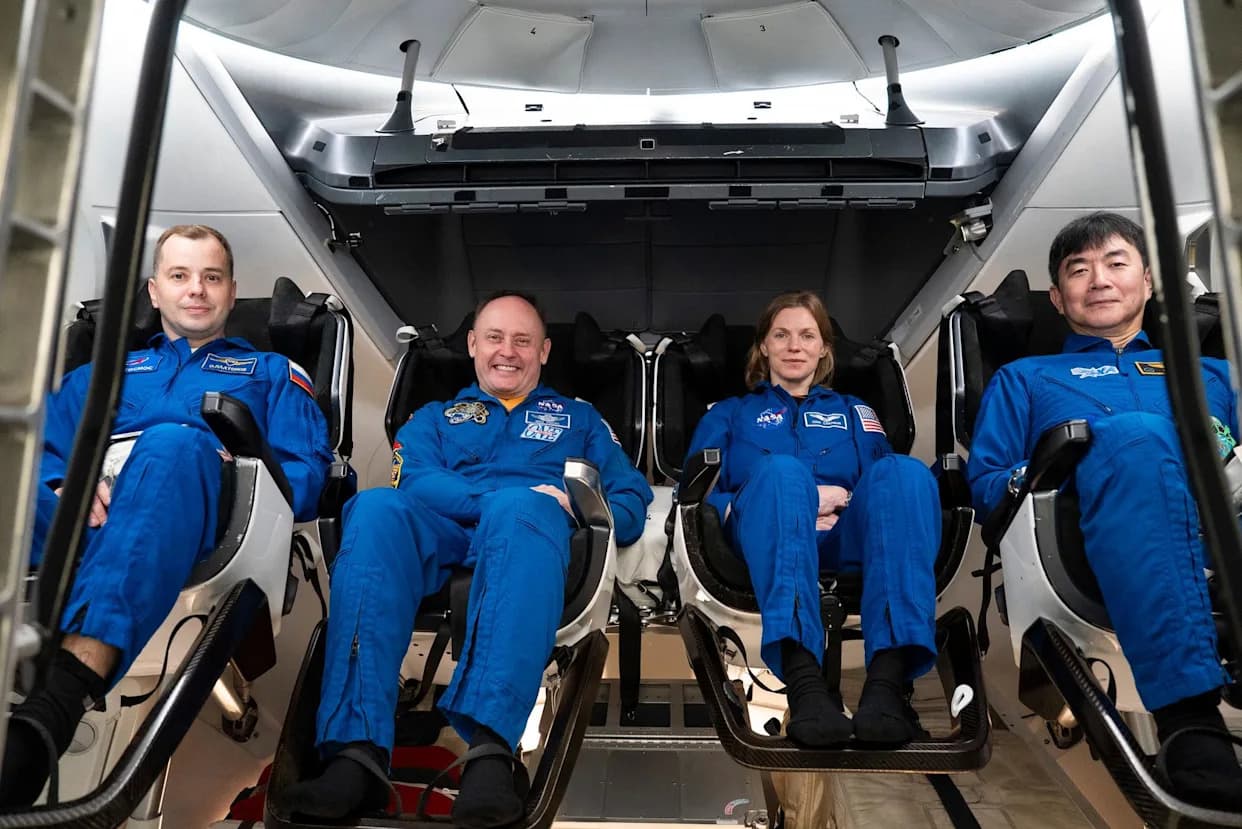
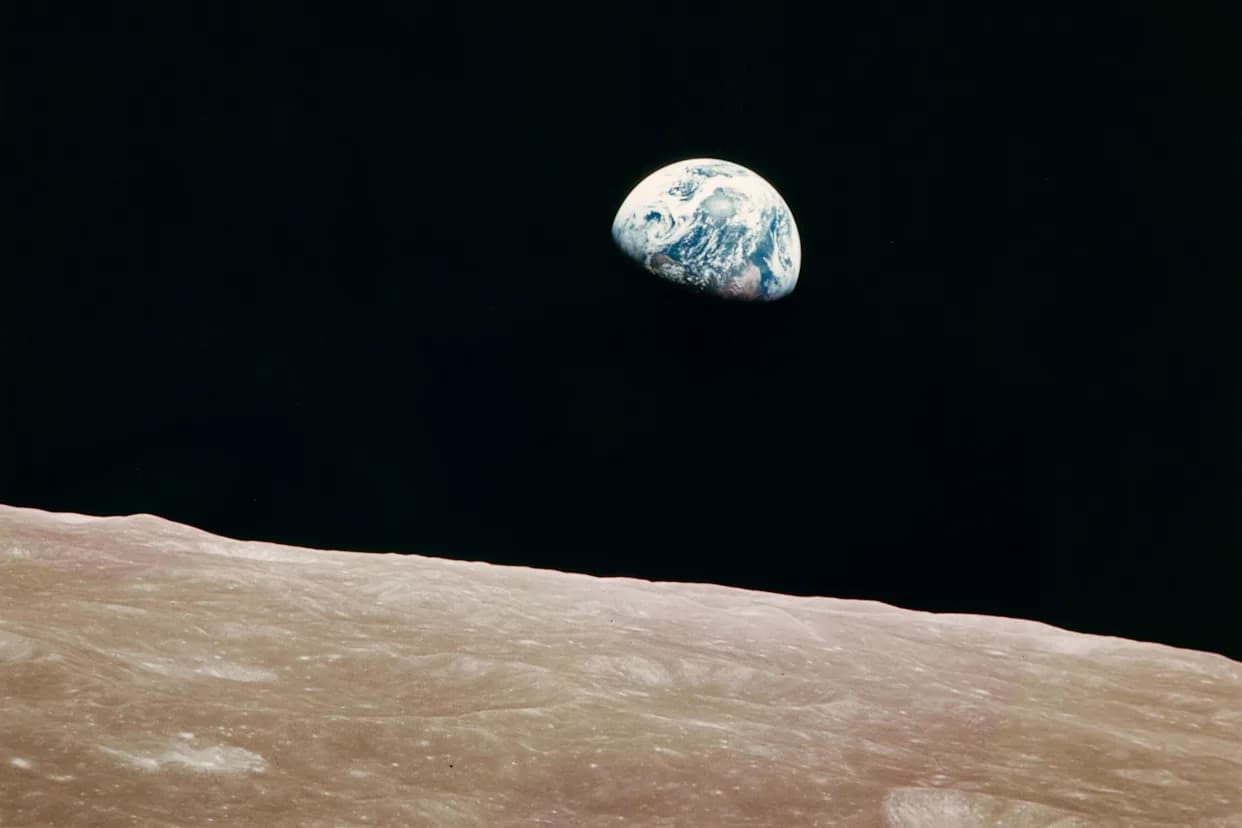
Scientists warn human reproduction in space isn’t hypothetical | ©Image Credit: Flickr / NASA
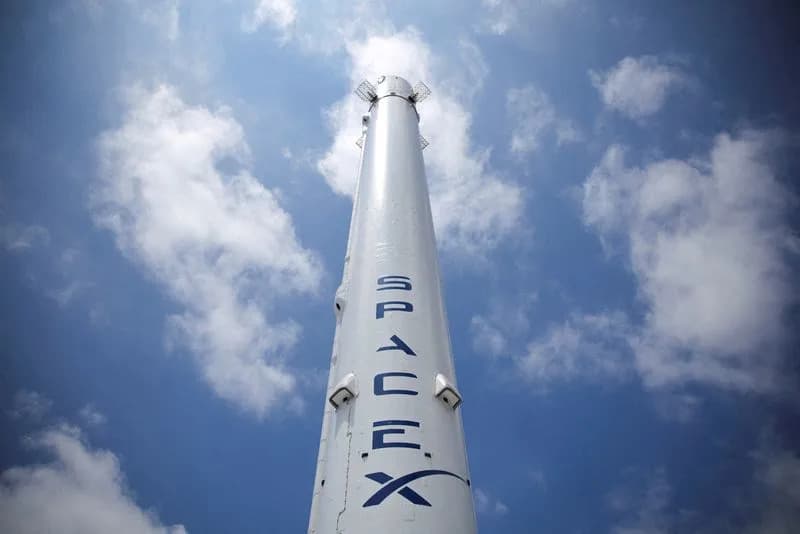
A new international study — which includes a researcher from NASA — warns that human reproduction beyond Earth is no longer purely speculative. As commercial space travel becomes cheaper and missions extend from days to months or years, questions about fertility, pregnancy and early development demand clear scientific study, policy and ethical guidance now.
Why Space Is A "Hostile Environment" For Reproduction
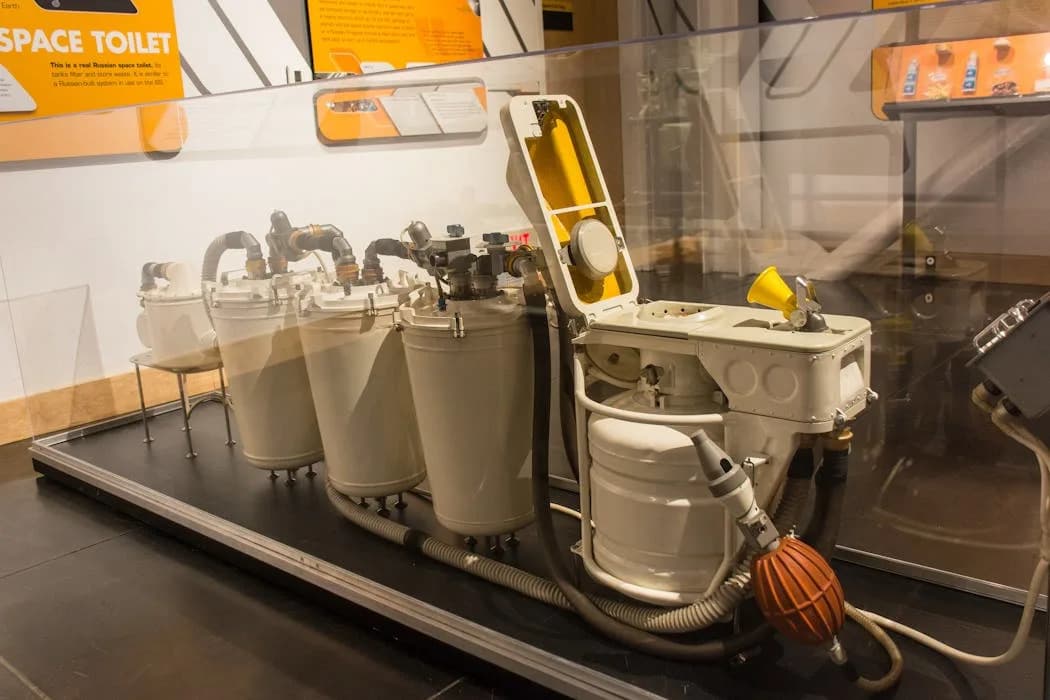
The authors describe space as a hostile environment for human biology. Microgravity, increased exposure to ionizing radiation, and severely limited medical infrastructure create conditions that have not been tested for conception, embryonic and fetal development, or neonatal care. While astronauts are carefully screened and monitored, embryos and fetuses would have none of those protections.
Radiation Is A Major Unknown
Radiation stands out as one of the largest unanswered questions. Animal studies suggest that elevated radiation can disrupt menstrual cycles, damage reproductive tissues and increase cancer risk; what comparable doses would do to a developing human embryo in orbit or during a months‑long transit to Mars remains largely unstudied. The authors argue this knowledge gap is no longer acceptable if humans intend to live off Earth for extended periods.
Converging Trends Make Reproduction In Space Foreseeable
Two technological trajectories are converging: assisted reproductive technologies (ART) such as in vitro fertilization (IVF) have become more compact, automated and widely available, while space is shifting from short missions to long‑term habitation and commercial activity. That convergence makes the idea of conception or ART procedures occurring off Earth a foreseeable, not purely fictional, possibility.
A Precautionary Call For Standards, Research And Ethics
The paper does not advocate attempting conception in space. Rather, its central message is precautionary: without international standards, shared ethical frameworks and coordinated research, irreversible harm could occur before risks are understood. Dr. Fathi Karouia, a NASA research scientist and the study’s senior author, emphasizes that reproductive health must be integrated into space policy as commercial flights expand and missions lengthen.
"Reproductive health can no longer be an afterthought in space planning," the authors write, urging international cooperation to study risks, establish protocols and set ethical boundaries.
For now, childbirth in space remains closer to science fiction than fact. But the researchers warn that trajectory matters: if humans begin living beyond Earth for extended periods, the decisive question will be whether we are prepared — scientifically, medically and ethically — not merely whether reproduction is technologically possible.
Sources
- EurekAlert
- RBMO (Reproductive BioMedicine Online) Journal
- Space.com
- Manchester Evening News
Help us improve.