The recovery of a roughly 10-centimeter carpal bone (os magnum) from Colina de los Quemados in Córdoba offers rare physical evidence that may link an elephant to Carthaginian activity during the Second Punic War. Comparative anatomy and radiocarbon dating place the bone in the pre-Roman Iron Age and align it with nearby military finds, including Carthaginian coins and siege projectiles. Though the bone’s size is consistent with African elephants—like those Hannibal reportedly used—species and direct association with Hannibal’s forces cannot be confirmed from a single element.
Single Elephant Bone Unearthed in Spain May Be Tied to Hannibal’s Army
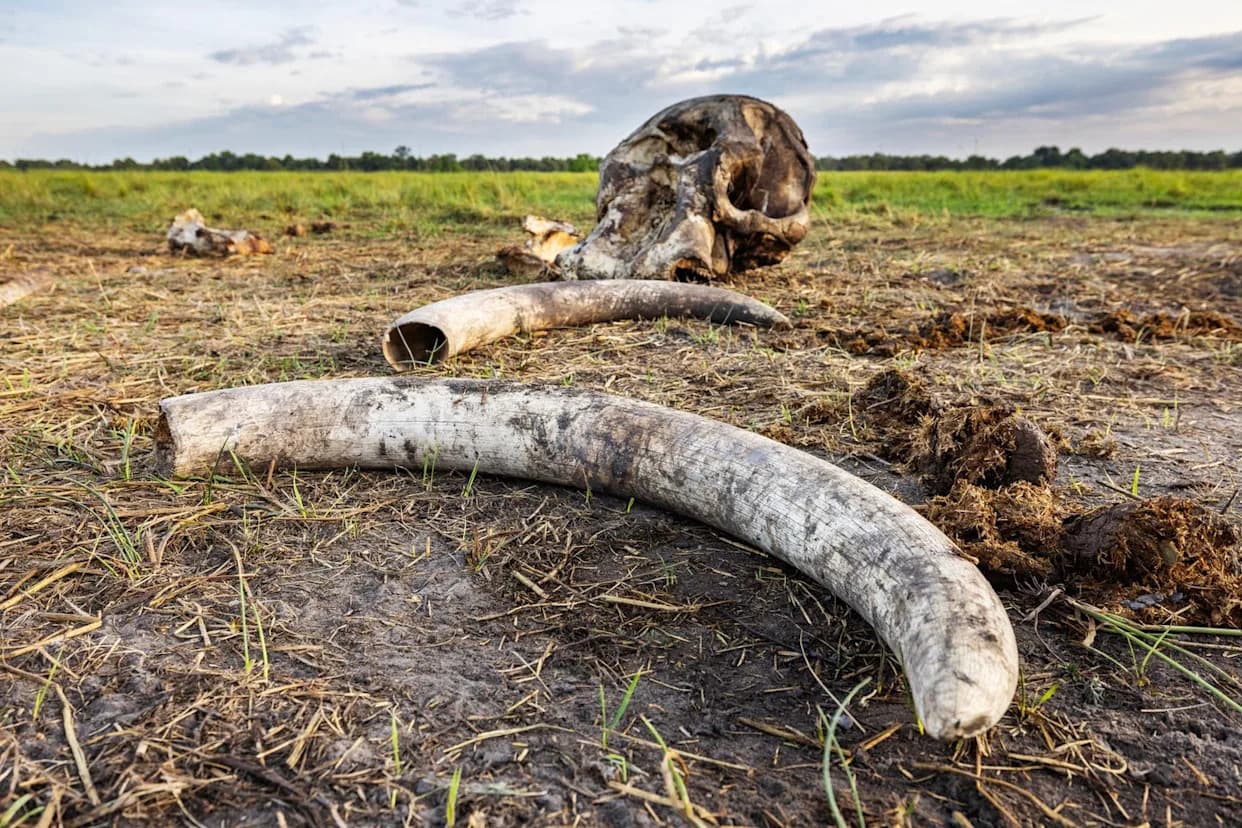
This Elephant Bone May Belong to Hannibal’s ArmyMartin Harvey - Getty Images
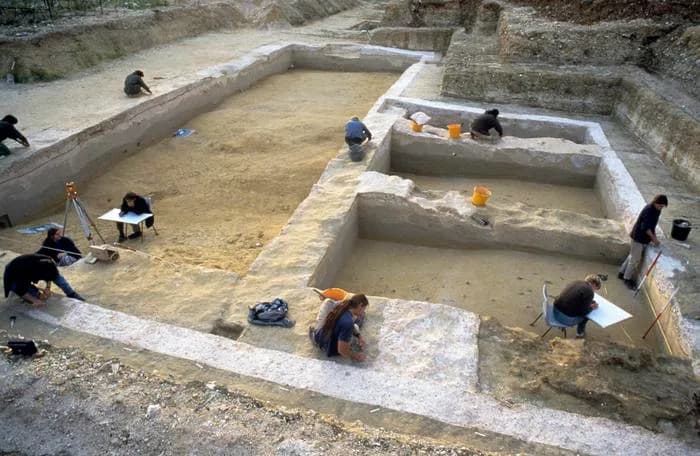
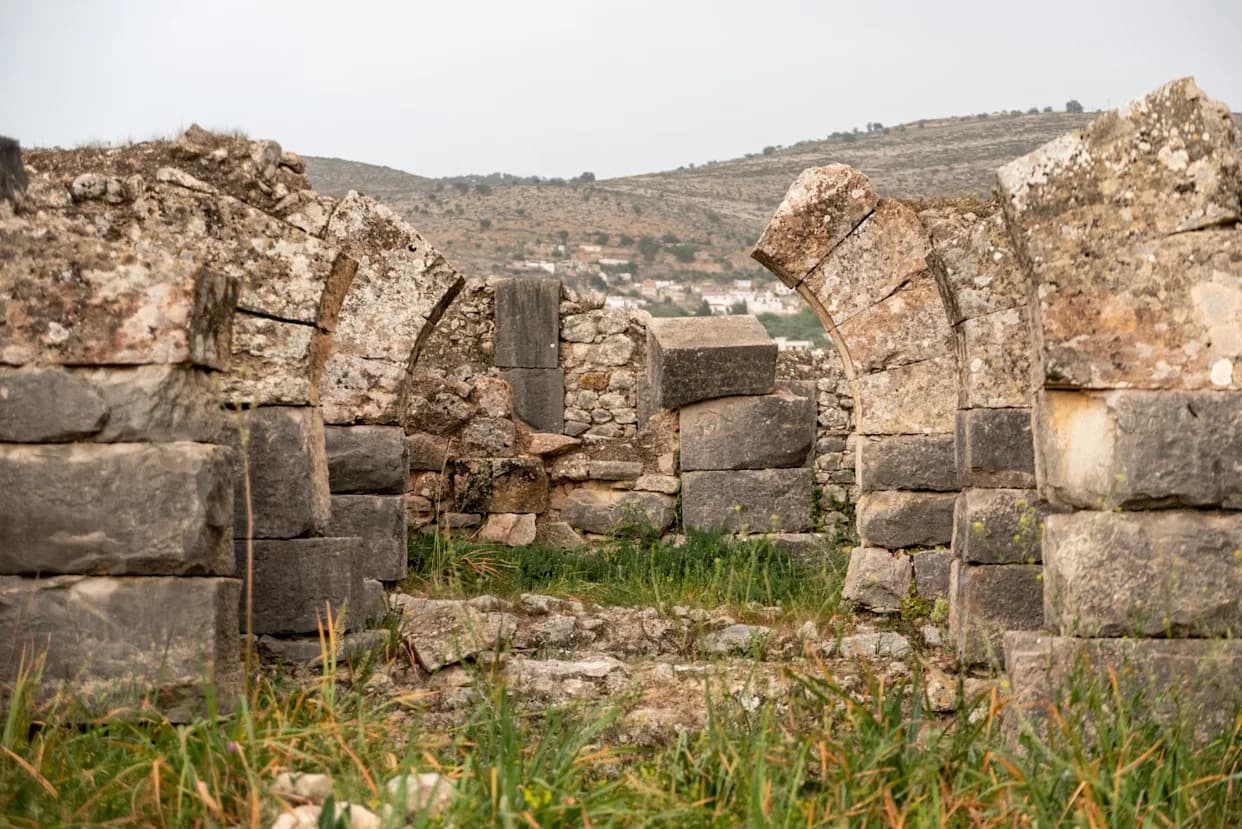
Archaeologists working at Colina de los Quemados, an Iron Age site above the Guadalquivir River in Córdoba, Spain, have recovered a lone elephant bone that may provide the first direct physical link between Hannibal’s army and the animals famed in ancient accounts of the Second Punic War.
What Was Found
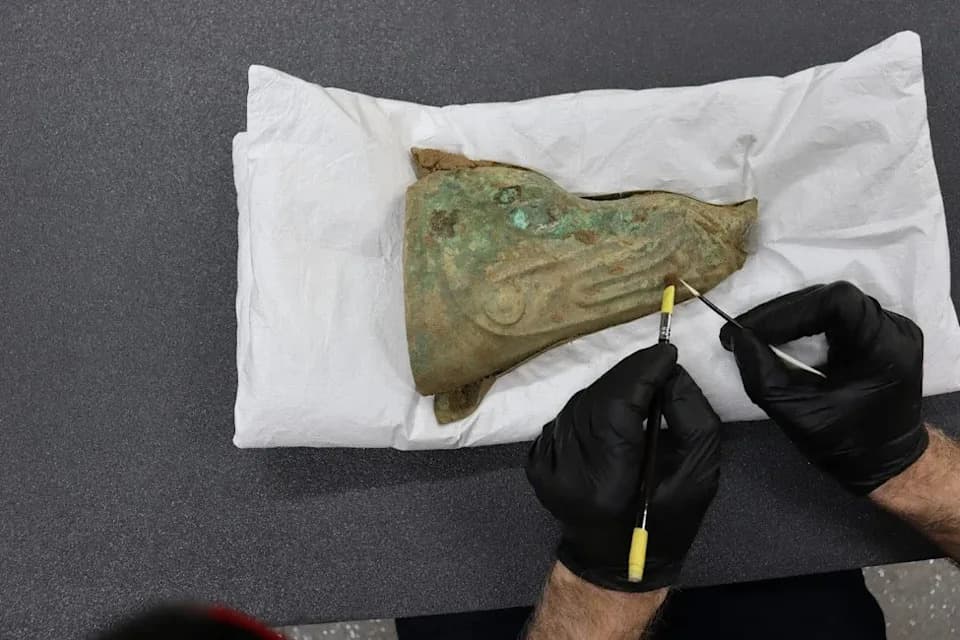
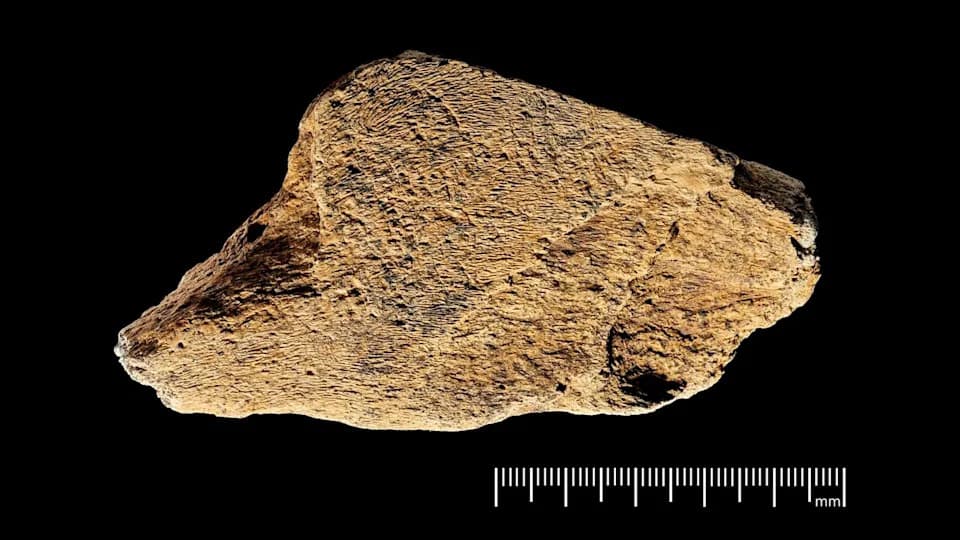
During an emergency excavation in 2020 ahead of an expansion of the Provincial Hospital of Córdoba, researchers uncovered a range of military material including stone artillery projectiles, heavy scorpio-type arrowheads, and Carthaginian coins struck in Cartagena between 237 and 206 B.C.E. Tucked behind a collapsed adobe wall, they also recovered a single carpal bone from an elephant.
Identification and Dating
The specimen—about 10 centimeters long—was identified through comparative anatomical analysis as the third carpal (os magnum) of the right forelimb. Researchers compared the bone with equivalent elements from Asian elephants and steppe mammoths to reach this identification. Radiocarbon dating places the bone in the pre-Roman Iron Age, a time window consistent with the Second Punic War (218–201 B.C.E.) and the dates of the nearby coins and weaponry.
Could It Be From Hannibal’s Elephants?
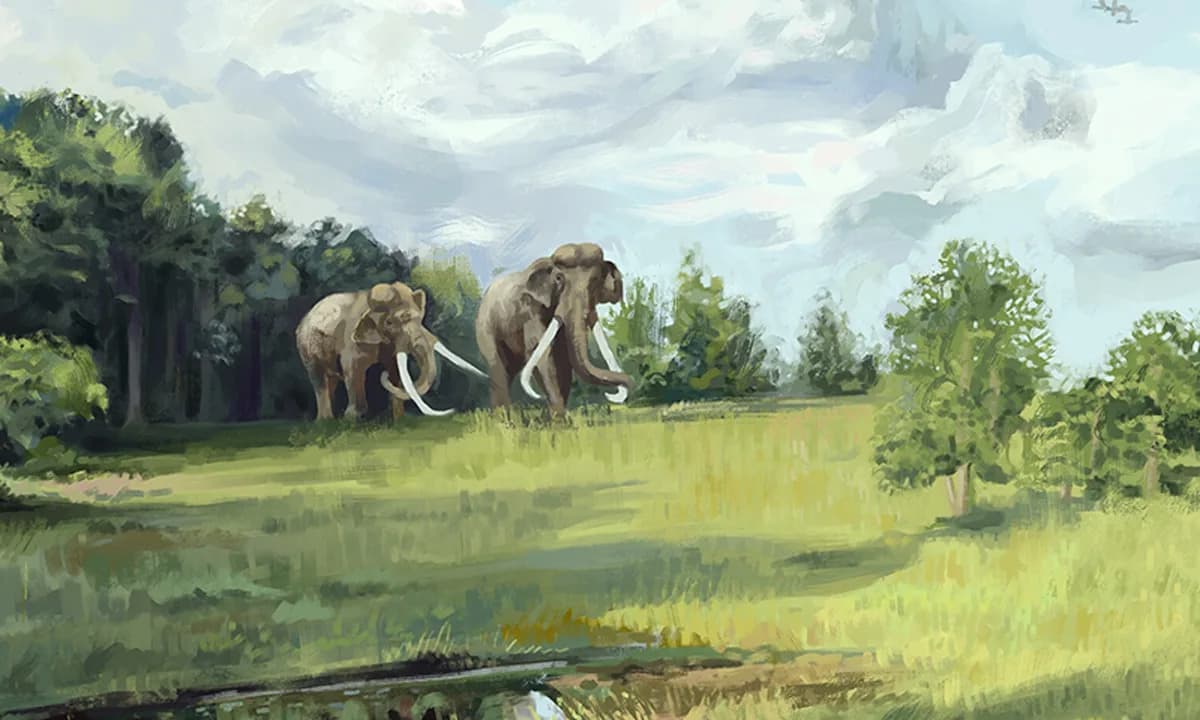
The bone’s size and morphology are larger than expected for a female Asian elephant and are compatible with African elephants—the type historically associated with North African armies, including Carthage. However, the evidence is not definitive: the bone alone cannot conclusively prove species or directly tie the animal to Hannibal’s exact forces. The researchers present the find as strong suggestive evidence rather than proof.
Why Only One Bone?
Excavators offer several plausible explanations: the elephant may have died during combat and most of its remains were later destroyed, scavenged, reused, or dispersed; or this bone may have been separated from other remains during later site activity. The protective context behind the collapsed wall likely contributed to the survival of this single element.
“A large proportion were swept down the river, some were carried by cross currents to the other side where the enemy were, and were trampled to death by the elephants.” —Livy, on the Battle of the Trebia
Context and Caution
The discovery at Colina de los Quemados adds tangible archaeological context to long-standing historical and literary descriptions of Carthaginian war elephants. While evocative, the find should be interpreted with caution: a single bone is an important clue but not an unequivocal proof that the animal served with Hannibal. Further study and additional finds would strengthen the connection.
Note: This research complements historical accounts and highlights how archaeology can illuminate details of ancient warfare that have, until now, lived primarily in texts and images.
Help us improve.