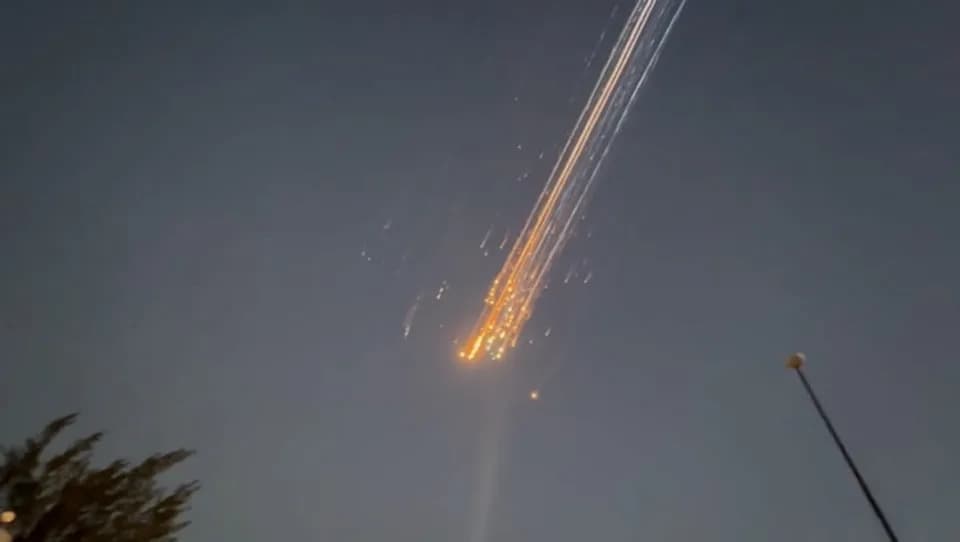
About 450 drones and more than 60 missiles struck Ukrainian cities overnight as Kyiv endured temperatures near -20°C, cutting power to over 1,000 buildings and injuring at least nine people. Key infrastructure — including power substations, residential blocks, a nursery and a museum beneath Kyiv’s Motherland monument — was damaged. Officials accuse Russia of timing the assault to maximise civilian suffering; diplomats from both sides are due to resume talks in Abu Dhabi amid deep disagreements over territory.
Massive Drone-and-Missile Assault Hits Ukraine as Kyiv Faces -20°C Night
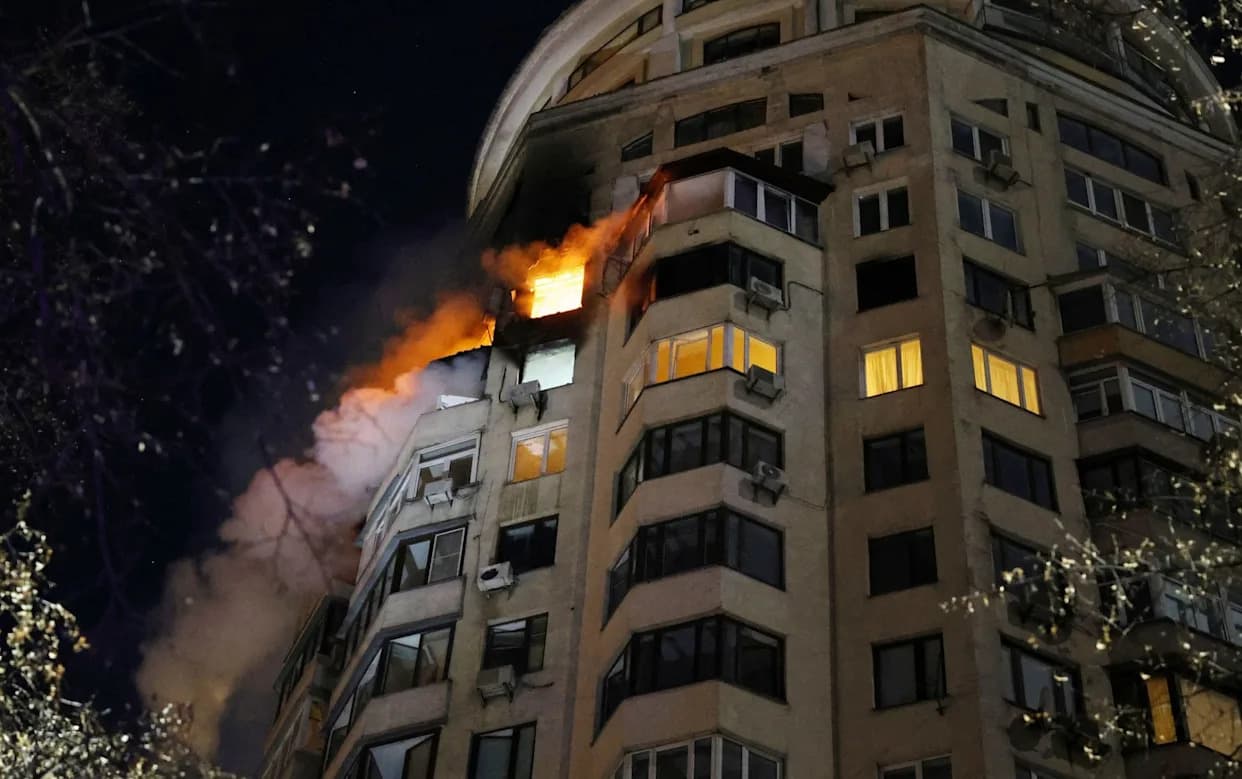
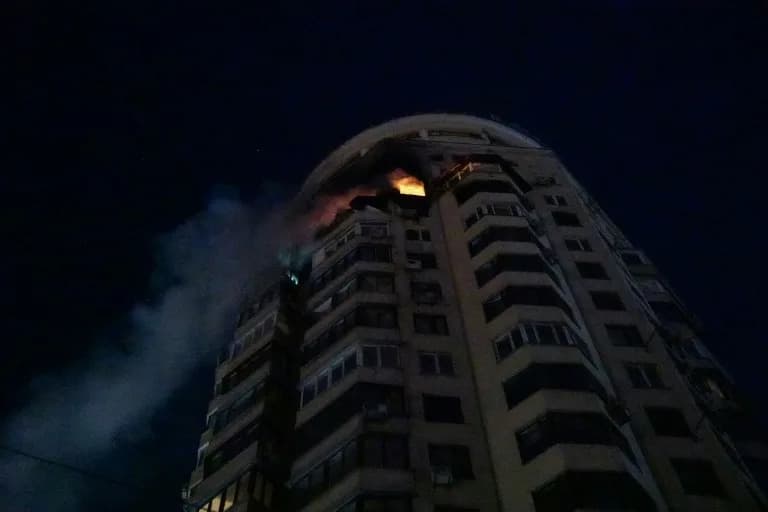
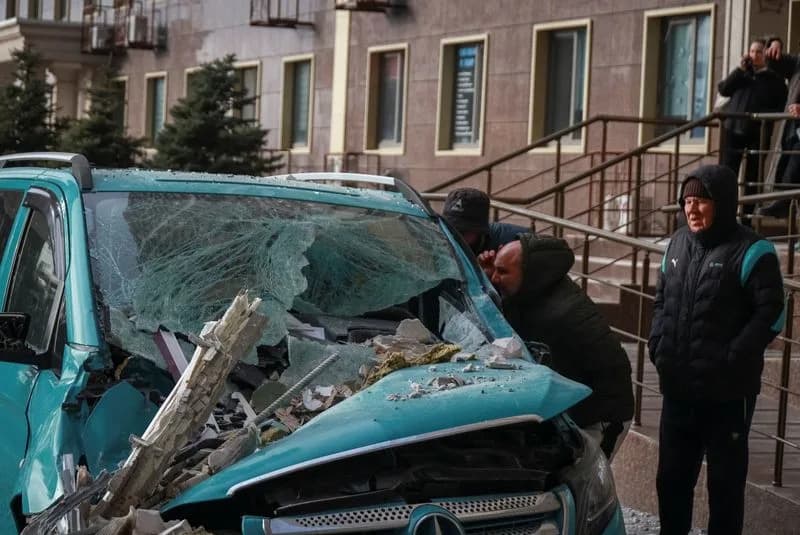
At least nine people were injured in the strikes, including on residential buildings - STRINGER/EPA/Shutterstock
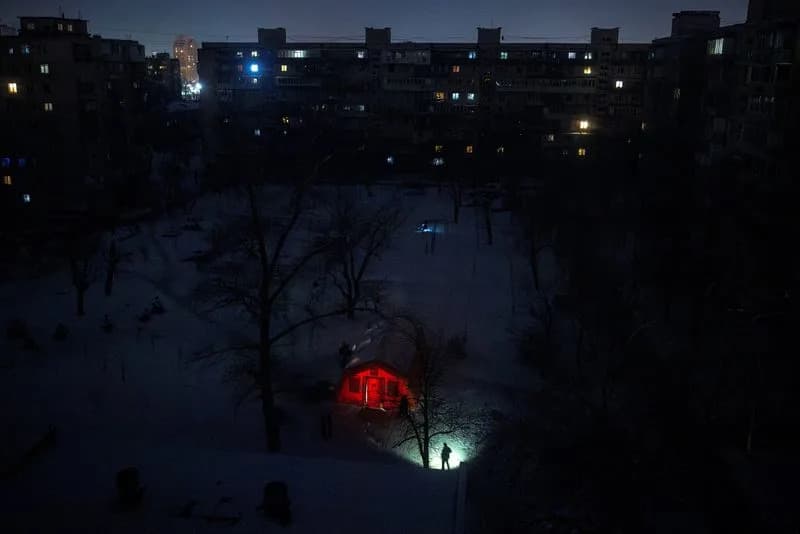
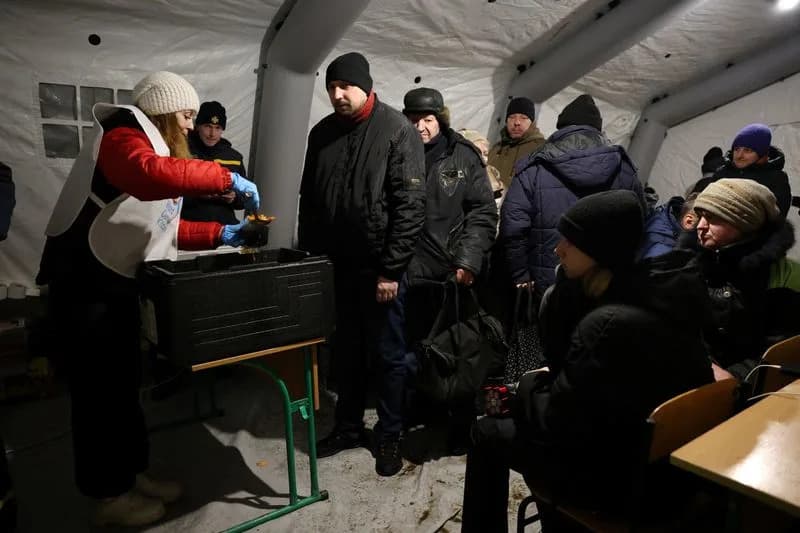
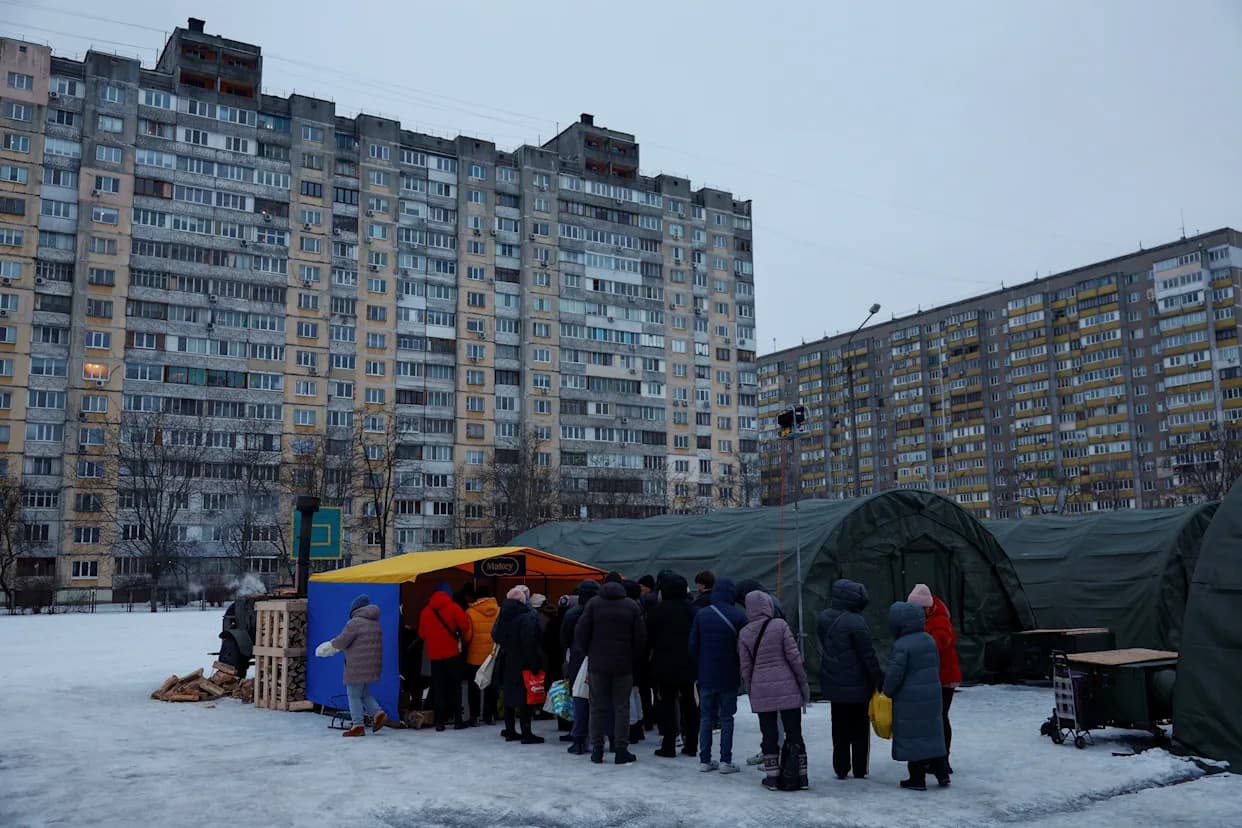
Russian strikes consisting of hundreds of drones and missiles struck multiple Ukrainian cities overnight as temperatures in Kyiv plunged to around -20°C, leaving more than 1,000 buildings without power on one of the coldest nights of the winter so far.
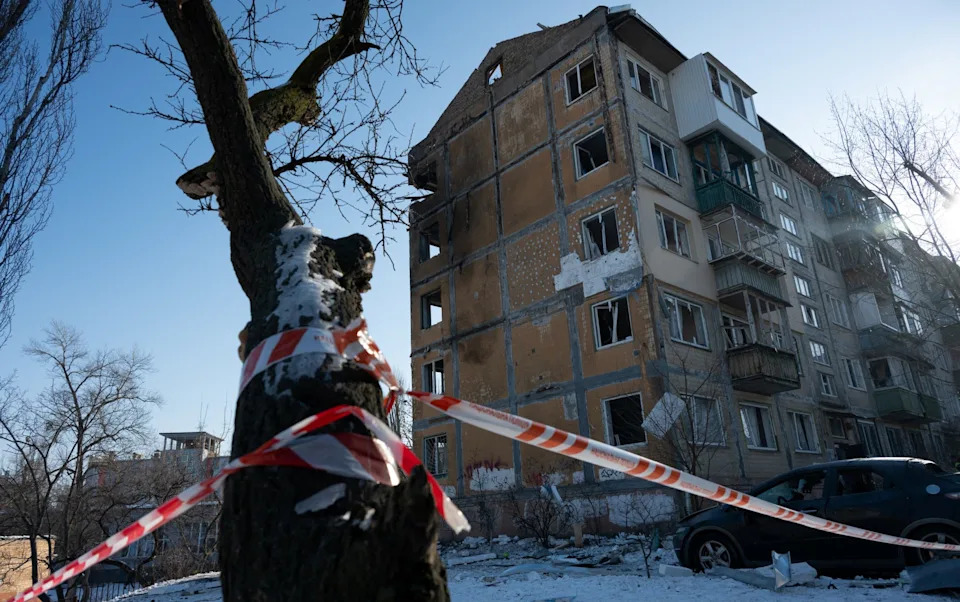
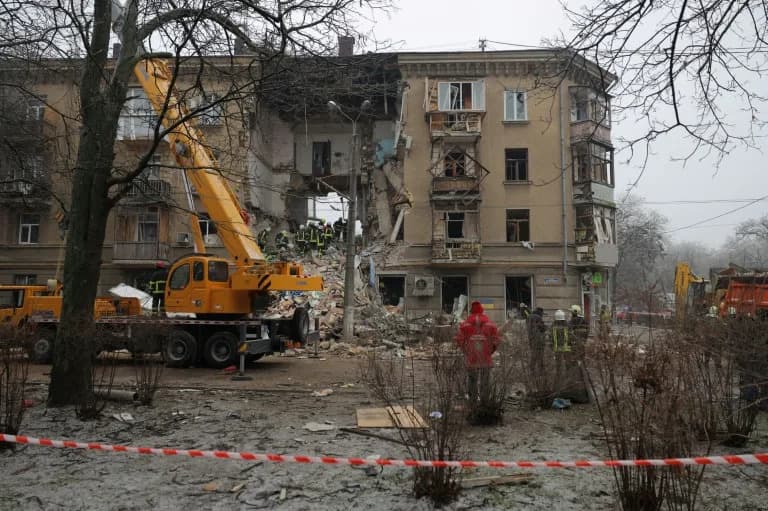
An apartment building in Kyiv was damaged in the missile and drone attack - Vladyslav Musiienko/Getty Images
What Happened
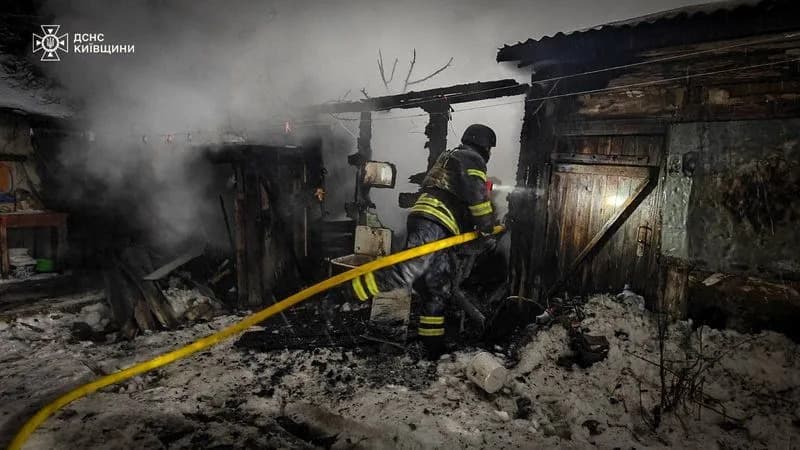
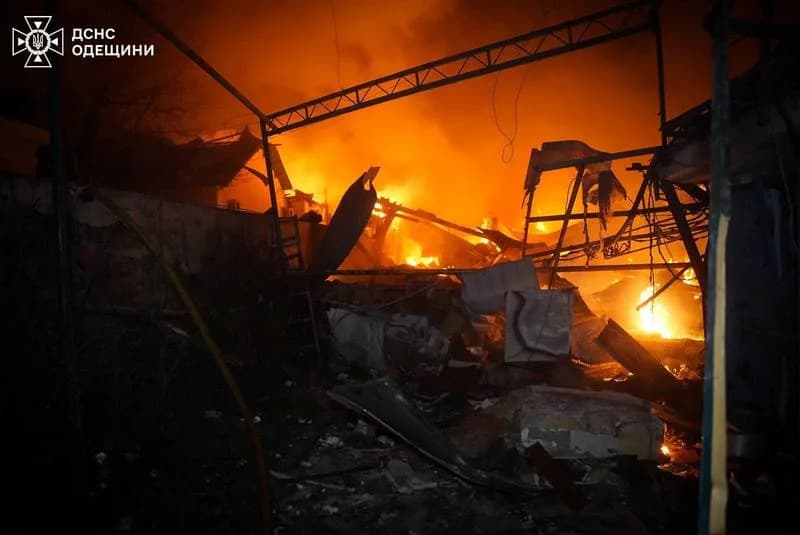
Ukrainian officials said about 450 drones and over 60 missiles — including Zircon, Kh-32 and Iskander-M cruise and ballistic systems — targeted population centres and energy infrastructure across the country. The attacks hit Kyiv and other major cities, damaging high-rise apartment blocks, a nursery, the museum beneath Kyiv’s Soviet-era Motherland monument and several power substations.
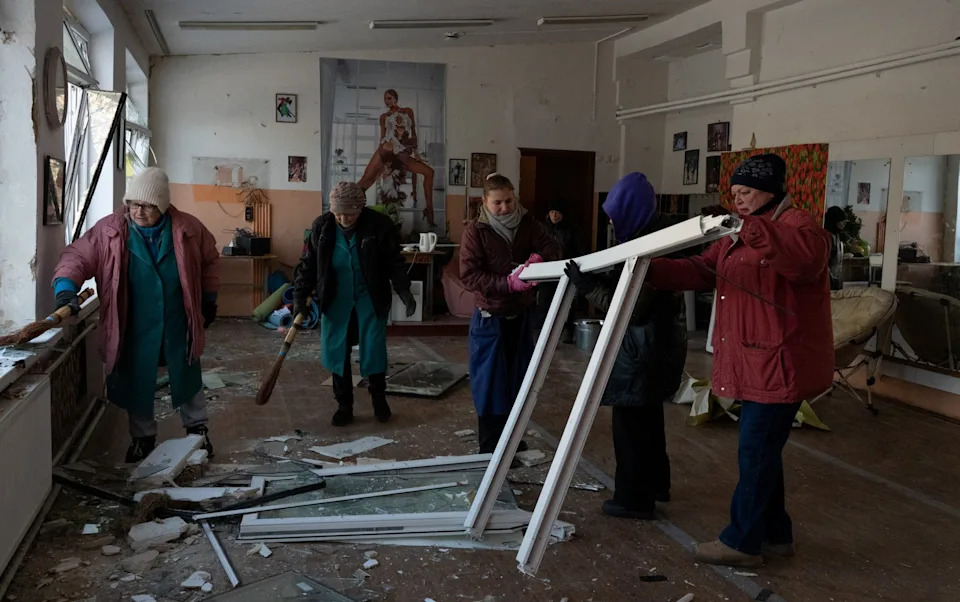
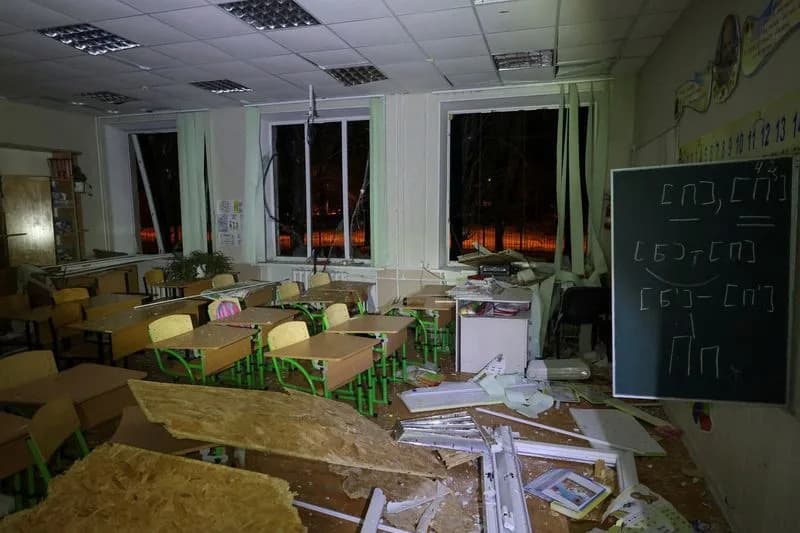
Women clean up debris in a Kyiv school’s dance classroom after the air attack - Vladyslav Musiienko/Getty Images
Impact on Civilians and Infrastructure
Reporters in Kyiv heard dozens of explosions after a ballistic missile warning sounded shortly after 1 a.m., and air-raid alerts continued into the morning as waves of drones and missiles arrived. Officials reported at least nine people injured. In Kharkiv, outages affected roughly 100,000 residents as temperatures dropped toward -23°C.
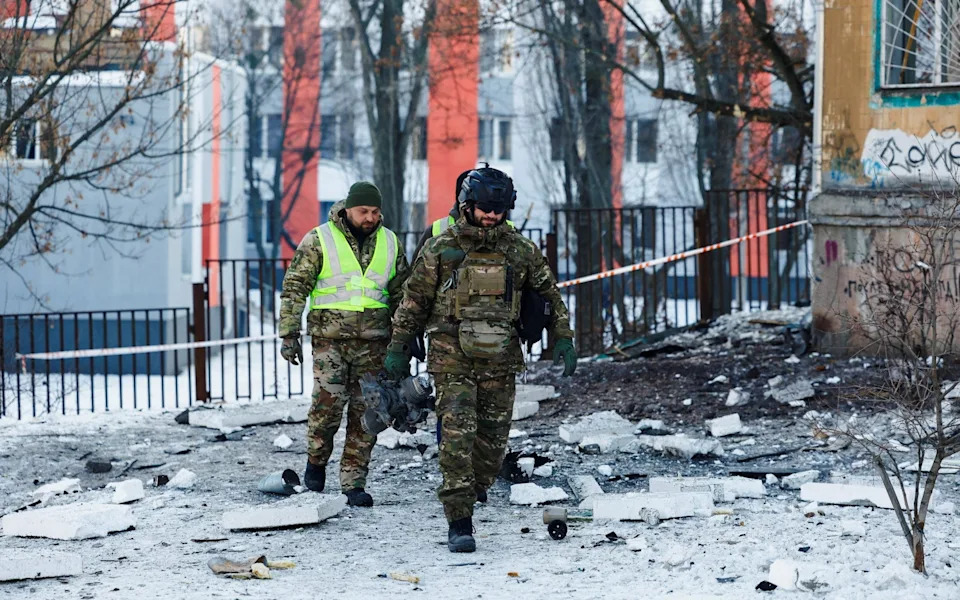
A police officer carries a part of a Russian ‘suicide drone’ found at the site of an apartment building in Kyiv - Valentyn Ogirenko/Reuters
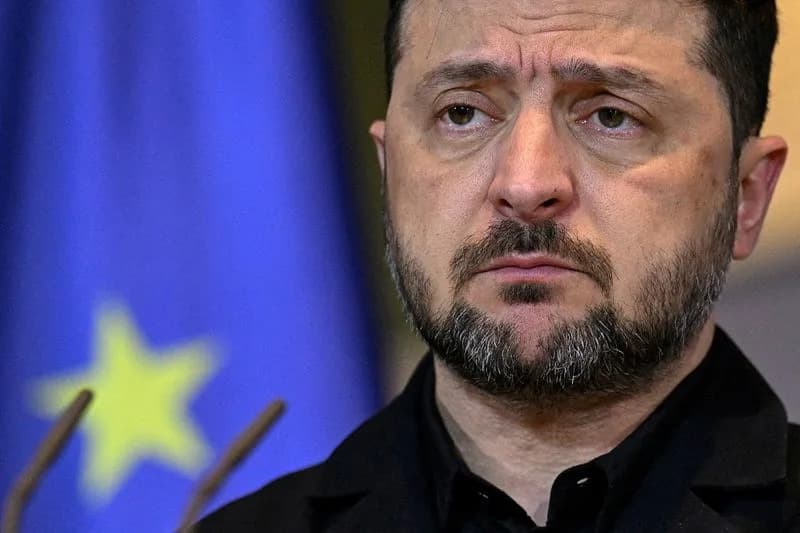
"Putin waited for the temperatures to drop and stockpiled drones and missiles to continue his genocidal attacks against the Ukrainian people," said Andrii Sybiha, Ukraine’s foreign minister, condemning the timing and scale of the strikes.
Ukraine’s energy minister, Denys Shmyhal, described the attacks on power infrastructure as a "crime against humanity," saying hundreds of thousands of families — including children — were deliberately left without heat during extreme winter conditions.

A woman and a child take shelter at a Metro station in Kyiv during the Russian attack - Serhii Okunev/Getty Images
Context and Diplomacy
The assault followed a brief, limited energy ceasefire that had been announced after a statement by US President Donald Trump that Russian aerial attacks on major Ukrainian cities would be halted during an exceptionally cold week. The Kremlin later said the pause, intended to "create favourable conditions for negotiations," would last only until Sunday, after which attacks resumed.
Ukrainian and Russian delegations are due to meet for a second round of US-backed talks in Abu Dhabi. Negotiations have so far failed to produce a breakthrough and remain focused on territorial issues, with Russia pressing for control of parts of Donetsk and Ukraine warning it will not cede land without a referendum and strong guarantees.
Why it matters: Targeting energy infrastructure during extreme cold increases civilian suffering, displaces people from their homes and complicates humanitarian relief and diplomatic efforts. The strikes highlight both the growing scale of long-range attacks and the intense stakes of ongoing talks.
Help us improve.