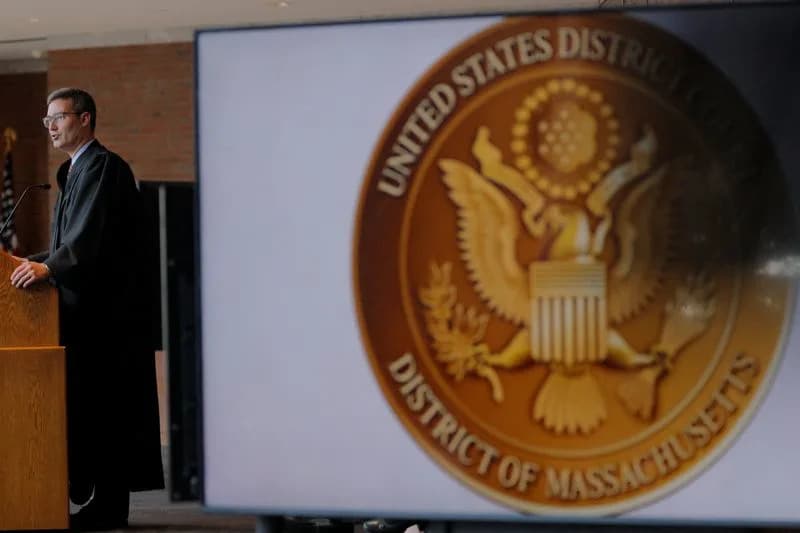
U.S. District Judge Ana Reyes has temporarily blocked the Trump administration from terminating Temporary Protected Status for about 350,000 Haitian immigrants, preventing the government from revoking their legal status, work permits, or deporting them while the case proceeds. Reyes ruled the decision to end TPS was "arbitrary and capricious" and was "in part" motivated by "racial animus," citing disparaging remarks about Haiti and immigrants. DHS says it will seek relief from the Supreme Court; protections remain in place during ongoing litigation.
Federal Judge Pauses Termination Of TPS For 350,000 Haitians, Cites 'Racial Animus'
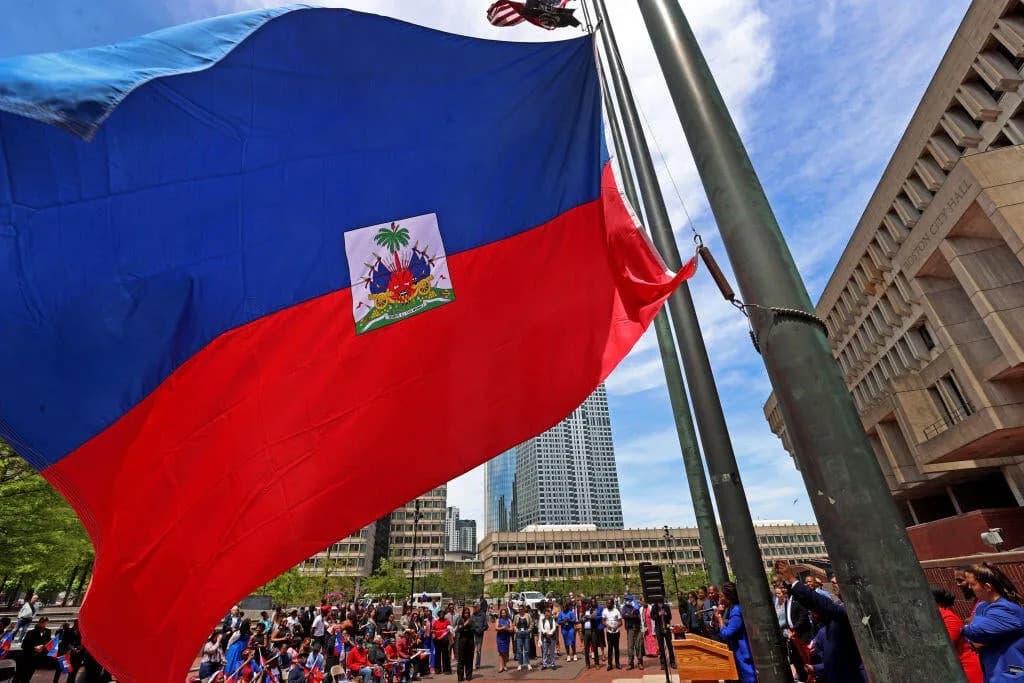
A federal judge on Monday issued an injunction blocking the Department of Homeland Security (DHS) from ending Temporary Protected Status (TPS) for roughly 350,000 Haitian immigrants, granting a last-minute reprieve to those who faced losing deportation protections and work authorization on Tuesday.
Court Order And Rationale
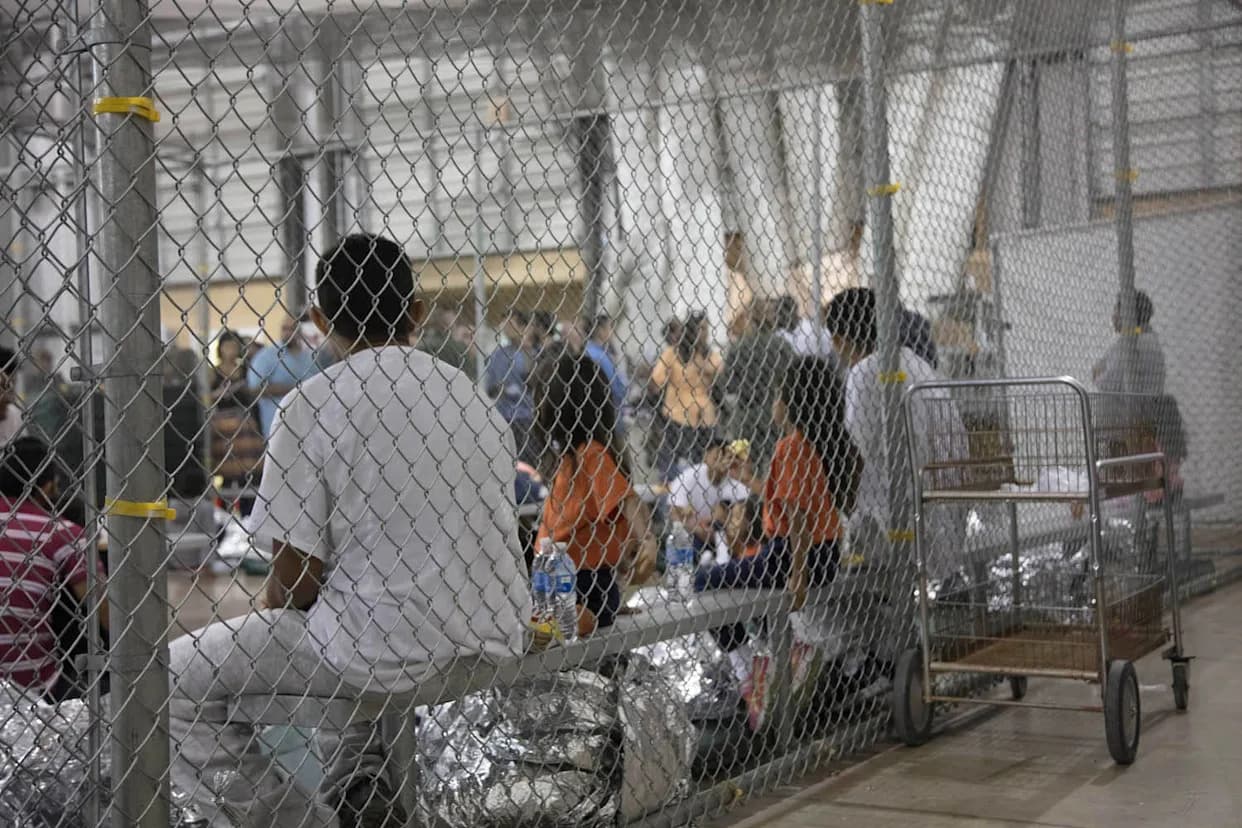
U.S. District Judge Ana Reyes indefinitely paused the planned termination of Haiti's TPS designation, expressly prohibiting the federal government from revoking the legal status or work permits of current enrollees and from arresting or deporting them while the order remains in effect.
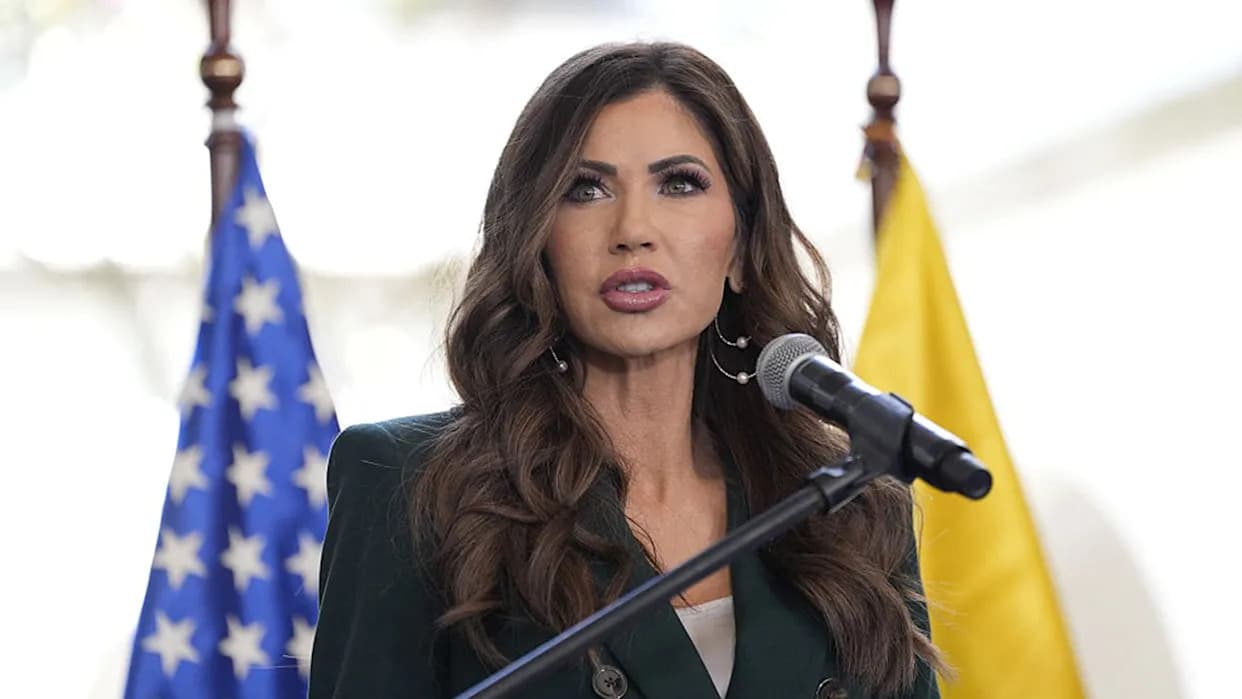
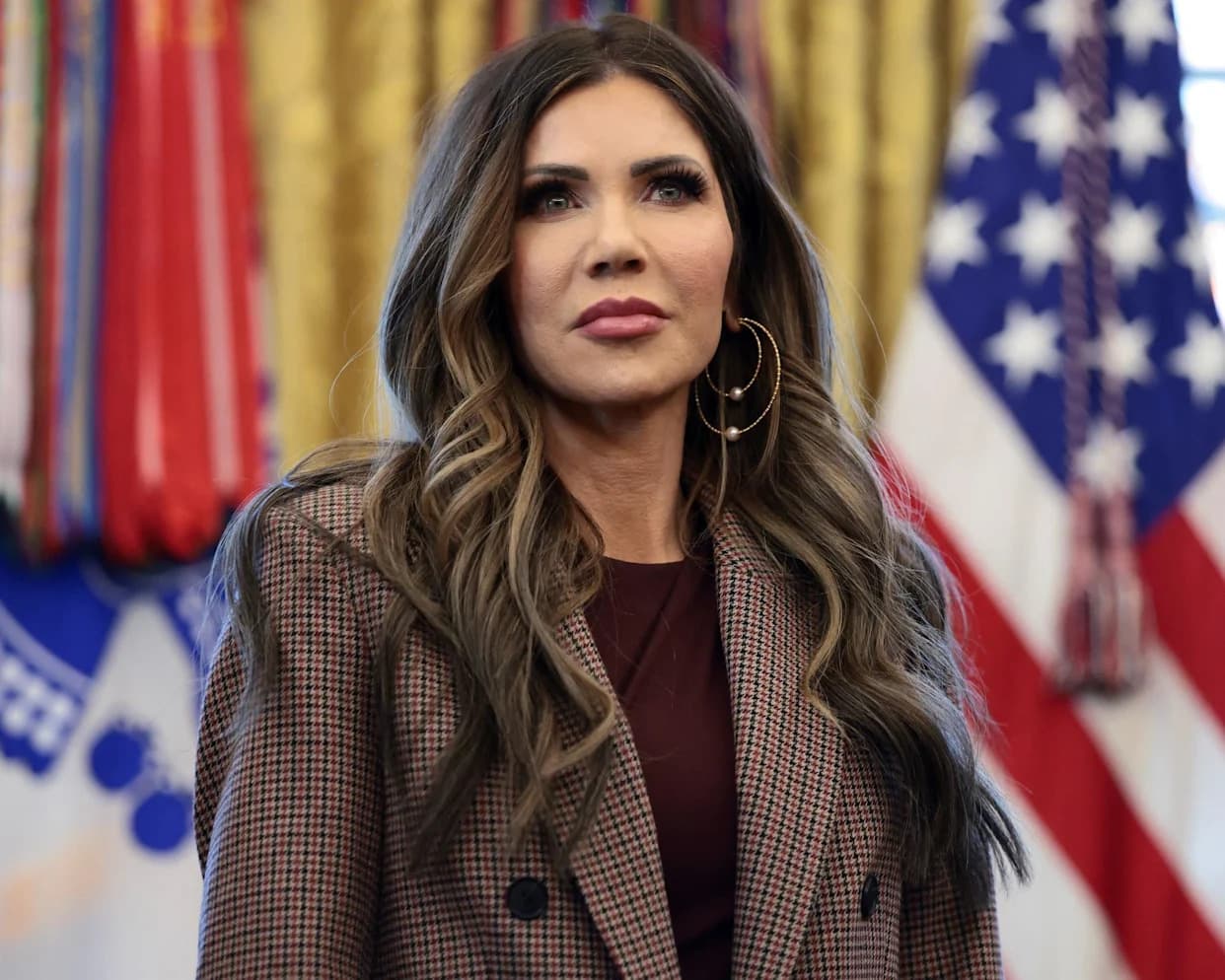
Judge Reyes described DHS Secretary Kristi Noem’s decision to end Haiti’s TPS as “arbitrary and capricious” and found it violated the Administrative Procedure Act (APA).
In the opinion accompanying her order, Reyes wrote that the decision failed to adequately weigh “overwhelming evidence of present danger” in Haiti, a nation still grappling with political instability, pervasive gang violence and extreme poverty. Reyes also concluded the decision was motivated "in part" by "racial animus," citing disparaging remarks attributed to both the secretary and President Trump about Haiti and immigrants.
“Kristi Noem has a First Amendment right to call immigrants killers, leeches, entitlement junkies, and any other inapt name she wants,” Reyes wrote. “Secretary Noem, however, is constrained by both our Constitution and the APA to apply faithfully the facts to the law in implementing the TPS program. The record to-date shows she has yet to do that.”
Administration Response
A DHS spokeswoman, Tricia McLaughlin, said the administration intends to seek review from the Supreme Court, calling the ruling “lawless activism” and asserting the government will be vindicated. McLaughlin also argued that Haiti’s TPS, originally granted after a devastating earthquake more than 15 years ago, was never intended to serve as a de facto amnesty.
What Is TPS And Why It Matters
Congress created TPS in 1990 to offer temporary legal refuge, including protection from deportation and work authorization, to nationals of countries experiencing armed conflict, environmental disaster or other conditions that make return unsafe. Since its inception, both Democratic and Republican administrations have used TPS to protect vulnerable populations in crises.
The current litigation occurs amid broader moves by the administration to dismantle or curtail several TPS designations, a shift that could affect hundreds of thousands of immigrants from countries such as Afghanistan, Cameroon, Ethiopia, Honduras, Myanmar, Nepal, Nicaragua, Somalia, South Sudan, Syria and Venezuela.
What Happens Next
The court’s order preserves protections for Haitian TPS holders while litigation proceeds. DHS has signaled it may ask the Supreme Court to intervene, setting the stage for an appeal that could determine the long-term fate of Haiti’s TPS designation and similar decisions affecting other countries.
Help us improve.