President Trump has filed a $10 billion lawsuit against the IRS over the unauthorized disclosure of his tax records, a case that raises legal, ethical and conflict-of-interest concerns. The leak was traced to former contractor Charles Edward Littlejohn, who was sentenced to five years, and it corresponds with reporting by The New York Times and ProPublica. While Internal Revenue Code Section 6103 provides statutory remedies for such disclosures, experts question the $10 billion figure and warn the suit could encourage similar claims from other wealthy taxpayers. Observers also worry the president’s role could create pressure on the IRS to settle.
Trump's $10 Billion Lawsuit Over IRS Tax Leak Raises Conflict-Of-Interest and Legal Questions
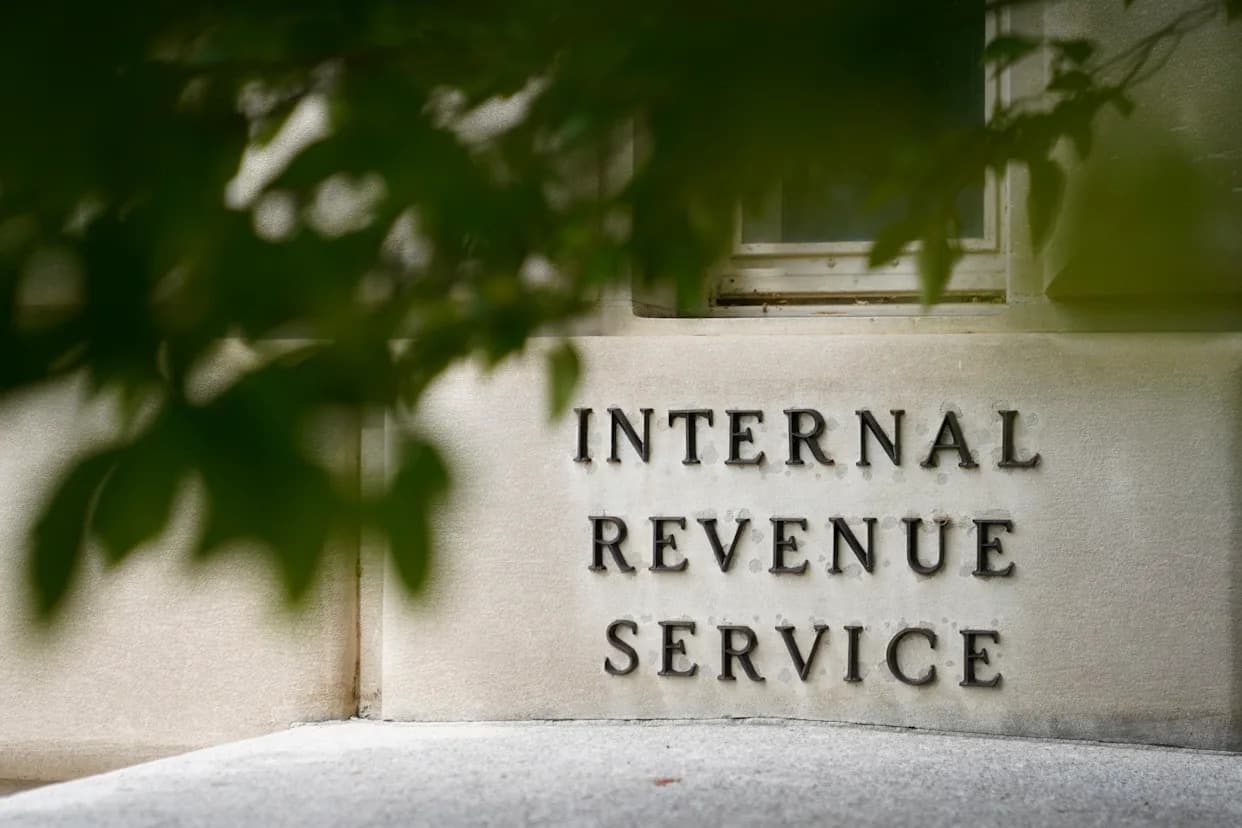
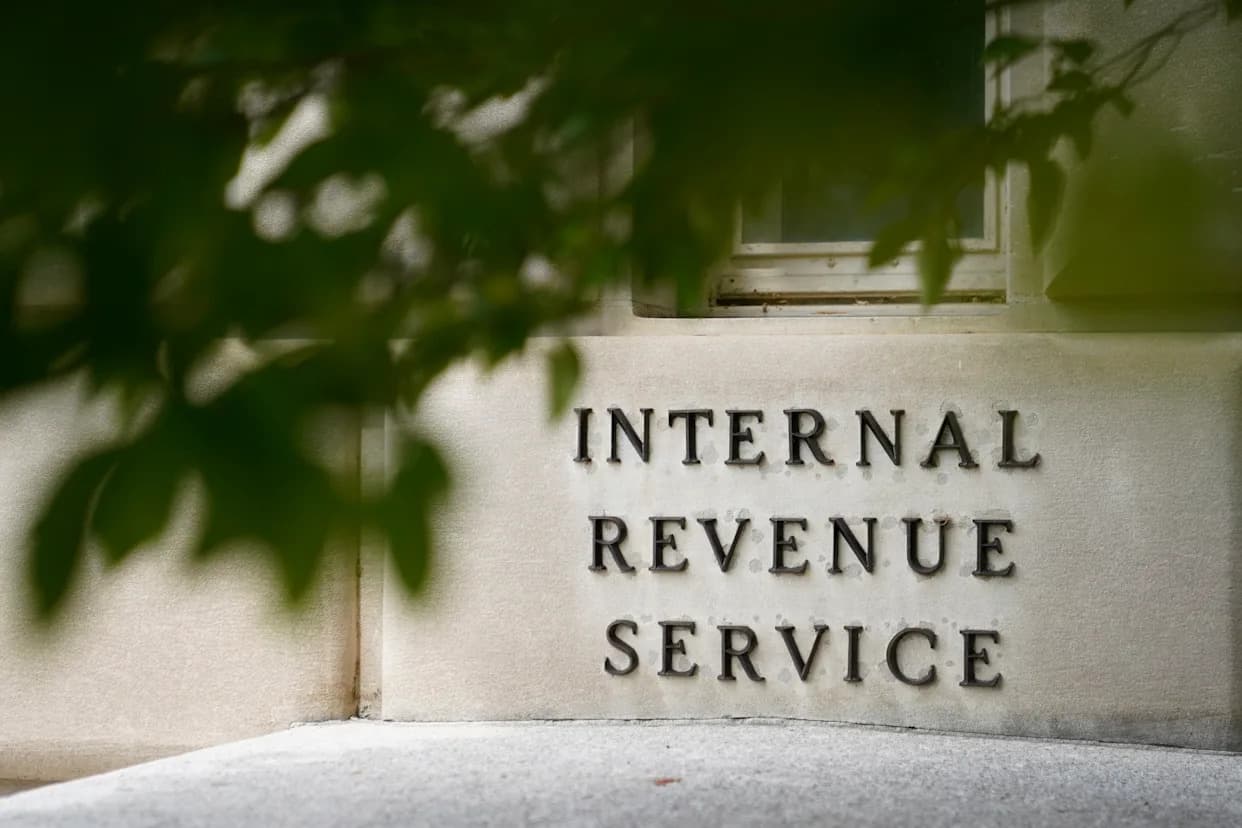
FILE - A sign is displayed outside the Internal Revenue Service building May 4, 2021, in Washington. (AP Photo/Patrick Semansky, File)
President Donald Trump has filed a $10 billion federal lawsuit against the Internal Revenue Service and others over the unauthorized disclosure of his tax records, a move legal and ethics experts say raises both complex statutory issues and stark conflict-of-interest concerns.
What the Lawsuit Says
The complaint, filed in federal court in Florida and joined by Donald Trump Jr. and Eric Trump, alleges that the disclosure of confidential tax records belonging to President Trump and the Trump Organization caused "reputational and financial harm, public embarrassment, unfairly tarnished their business reputations, portrayed them in a false light, and negatively affected President Trump, and the other Plaintiffs' public standing."
Who Leaked the Records
In 2024, former IRS contractor Charles Edward Littlejohn, who had worked for Booz Allen Hamilton, pleaded guilty to stealing tax records and was sentenced to five years in prison. Prosecutors said he provided tax information about Trump and other wealthy individuals to two news outlets; the timing and description of the disclosures align with reporting by The New York Times and ProPublica. The Times' 2020 reporting said Trump paid $750 in federal income tax in 2016 and reported no federal income tax in other years because of large reported losses.
Legal Basis And Questions
Legal analysts note that the lawsuit rests on a solid statutory foundation: Internal Revenue Code Section 6103 is among the strictest federal confidentiality statutes and provides remedies for unauthorized disclosures, including a statutory minimum of $1,000 per improper disclosure. Still, experts question the reasonableness of the $10 billion demand and whether punitive damages being sought can be sustained.
"People are saying, well, if he can do it, then why can't I do it?" said David Gair, a tax attorney at Troutman Pepper Locke in Dallas who represents clients affected by the Littlejohn leak. "I think you will have a lot more people filing similar lawsuits, thinking that they might be able to piggyback on what he's doing."
Ethics, Conflict Of Interest And Settlement Risks
Beyond statutory issues, ethics experts highlight the appearance problem: the head of the executive branch pursuing litigation against his own administration. Critics warn of the risk that the IRS, eager to avoid prolonged litigation or risk political fallout, might agree to a settlement that pays taxpayer money to the sitting president. Amy Hanauer, executive director of the Institute on Taxation and Economic Policy, noted steps already taken in response to the breach: the leaker's imprisonment, the Treasury Department canceling contracts with the leaker's employer, and a rare public apology from the IRS coupled with promised improvements to data security.
President's Response
When asked how he would handle being effectively on both sides of the dispute, Trump cited an earlier lawsuit he filed against the Department of Justice seeking roughly $230 million and said any settlement could be donated to charity. The White House did not identify specific charities or provide further details. That assertion does not eliminate legal questions about remedies, and won’t necessarily influence judicial analysis of damages or conflicts of interest.
What Comes Next
Experts expect the case to raise novel procedural and ethical issues as it proceeds. Key questions include the proper measure of damages under Section 6103, whether punitive damages will survive judicial scrutiny, and whether similar claims will follow from other wealthy individuals whose records were exposed. The lawsuit could set an influential precedent for government liability and data security obligations for federal tax systems.
Help us improve.