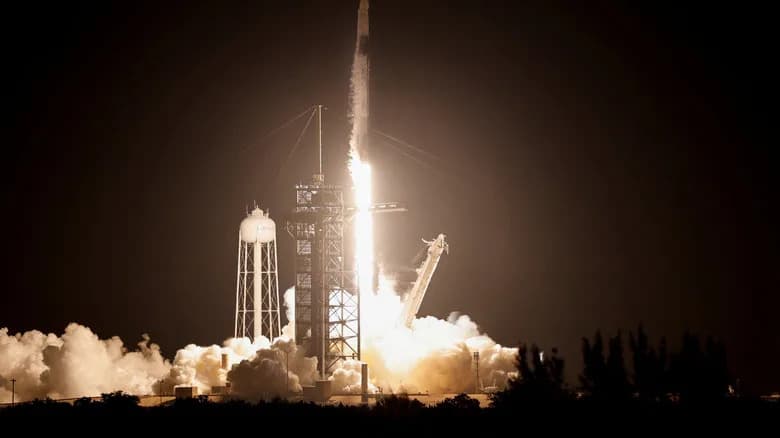
The FAA issued a January 8 bulletin warning that rising commercial space launches could cause 'catastrophic failures' that 'significantly reduce safety' for crews and passengers after debris from two Starship test failures fell over busy flight paths. Reporting by ProPublica and The Wall Street Journal says multiple airliners—including Frontier Flight 081—were forced to divert and some aircraft faced fuel emergencies while avoiding temporary no‑fly zones. SpaceX denies aircraft were endangered, says debris incidents were contained in pre‑coordinated areas, and is seeking FAA approval for broader Starship testing.
FAA Warns Rocket Failures Could Endanger Passenger Flights After Starship Breakups
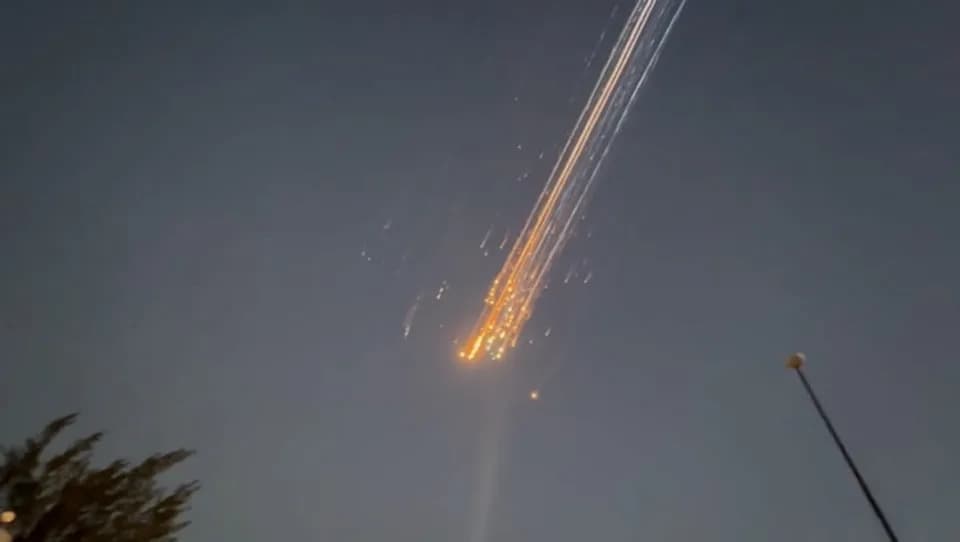
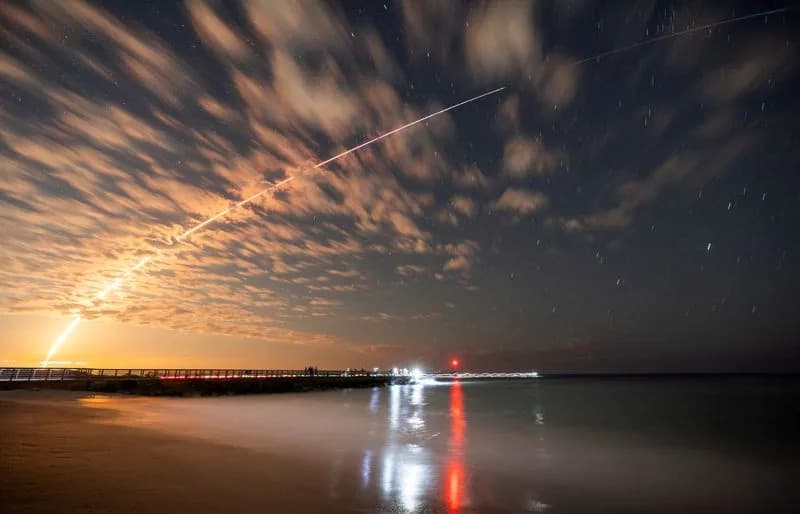
SpaceX debris streaks through sky after Elon Musk's Starship spacecraft comes apart in mid-flight in January 16 (Greg Munch /TMX)
The Federal Aviation Administration (FAA) has issued a blunt bulletin warning that the rise of commercial space launches increases the risk of 'catastrophic failures' that could 'significantly reduce safety' for flight crews and passengers. The notice, dated January 8, coincided with new reporting on two high-profile test failures of SpaceX's Starship rockets that showered debris over active passenger air routes.
FAA Advisory and Industry Concerns
The FAA urged airlines, pilots and dispatch personnel to account for potential disruptions caused by launch and reentry operations and to train staff on how to mitigate associated hazards. The agency emphasized that as launch activity grows, so does the need for coordinated airspace planning to protect aircraft in flight.
'As commercial and government space launch activities increase, it is imperative that airspace users account for potential disruptions due to launch operations,' the FAA bulletin said.
What Happened Over the Caribbean
Investigations by ProPublica and reporting in The Wall Street Journal say fragments from Starship test vehicles rained down over the Caribbean in January and March of last year. Multiple jetliners reportedly had to take evasive action or divert after warnings from air traffic authorities. One cited example, Frontier Flight 081, carried passengers who photographed a streaking cloud of debris before the crew altered course to avoid the hazard.
According to published reports, three aircraft diverting for a temporary no‑fly zone began running low on fuel; two declared emergencies while trying to reach safe airspace. The Wall Street Journal also reported that FAA officials were told of a Starship loss of contact about 19 minutes after SpaceX lost telemetry, alleging air traffic controllers and pilots first notified regulators rather than the company immediately informing officials.
SpaceX Response
SpaceX strongly disputed elements of those reports. On X (formerly Twitter), the company called the coverage 'misleading' and said that no aircraft were put at risk, asserting that any debris-producing events were contained within pre-coordinated response areas developed with the U.S. Space Force and implemented by the FAA. SpaceX said it prioritizes public safety and is seeking FAA approval to conduct additional Starship tests over a broader area.
Why This Matters
Experts quoted in reporting stressed that predicting precisely where falling rocket debris will land is difficult, making airspace safety planning more complex as commercial launches increase. The FAA's advisory reflects that uncertainty and calls on the aviation industry to adapt procedures and training to this new operational reality.
Bottom line: Regulators say growing spaceflight activity presents new risks to commercial aviation; recent Starship test breakups highlighted those dangers and prompted a public warning from the FAA, while SpaceX disputes claims that aircraft were endangered and is pursuing further test approvals.
Help us improve.