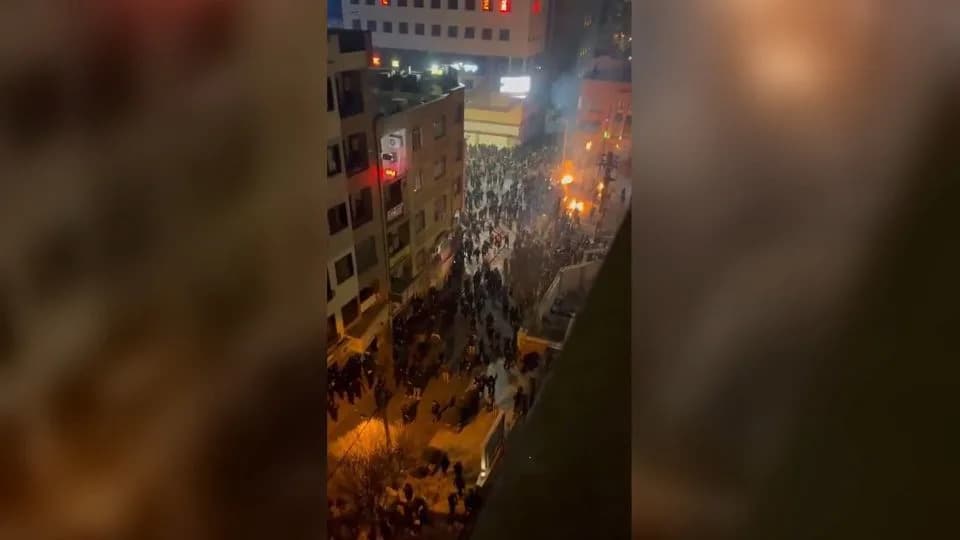
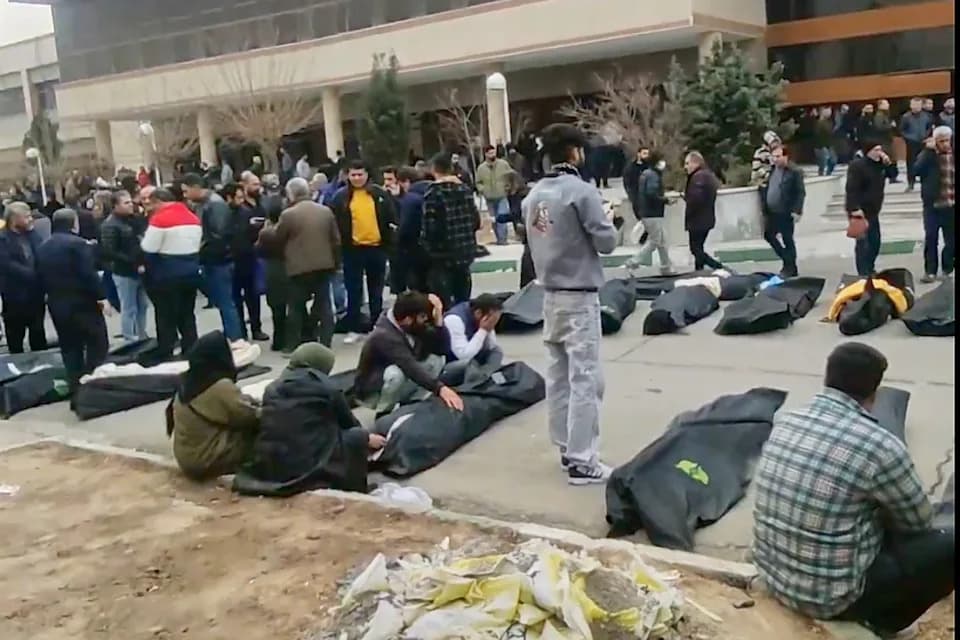
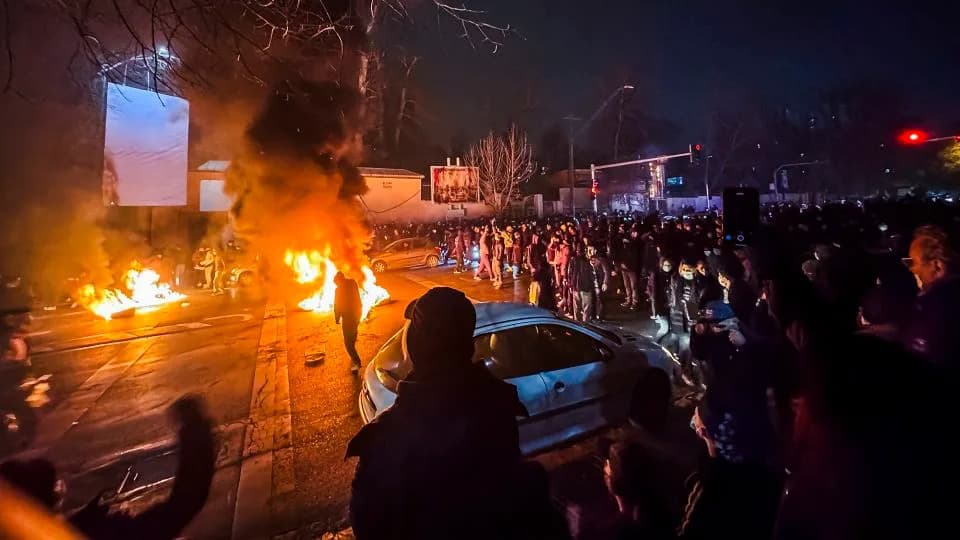
Behesht-e Zahra has become a focal point for families mourning those killed in January’s protests after a violent government crackdown. Relatives, many fearing reprisals, gather beside fresh graves while the wider population confronts deepening economic hardship and surging inflation. The scenes at the cemetery and Tehran’s Grand Bazaar underline both the human toll and growing public distrust of the authorities.
Tehran's Mourning Grounds: Families Gather at Behesht-e Zahra After Deadly Crackdown
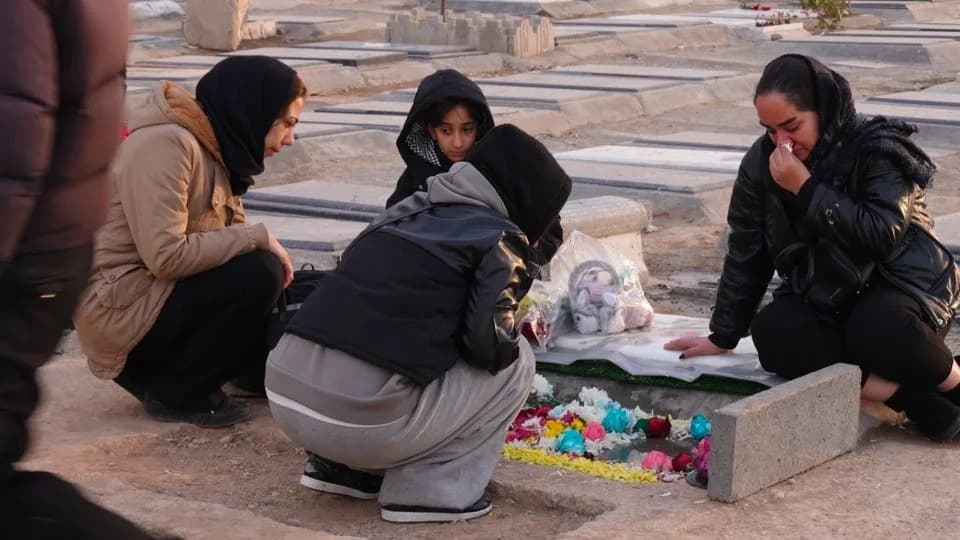
Iranians visit graves in the Behesht-e Zahra cemetery in Tehran on January 29, 2026. - Joseph Ataman/CNN
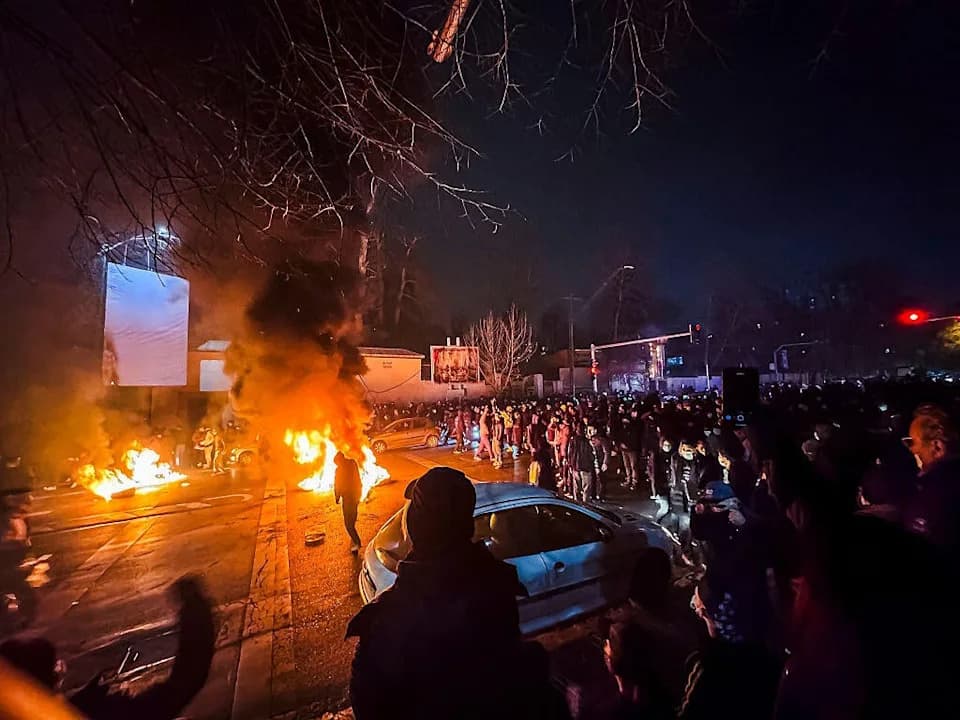
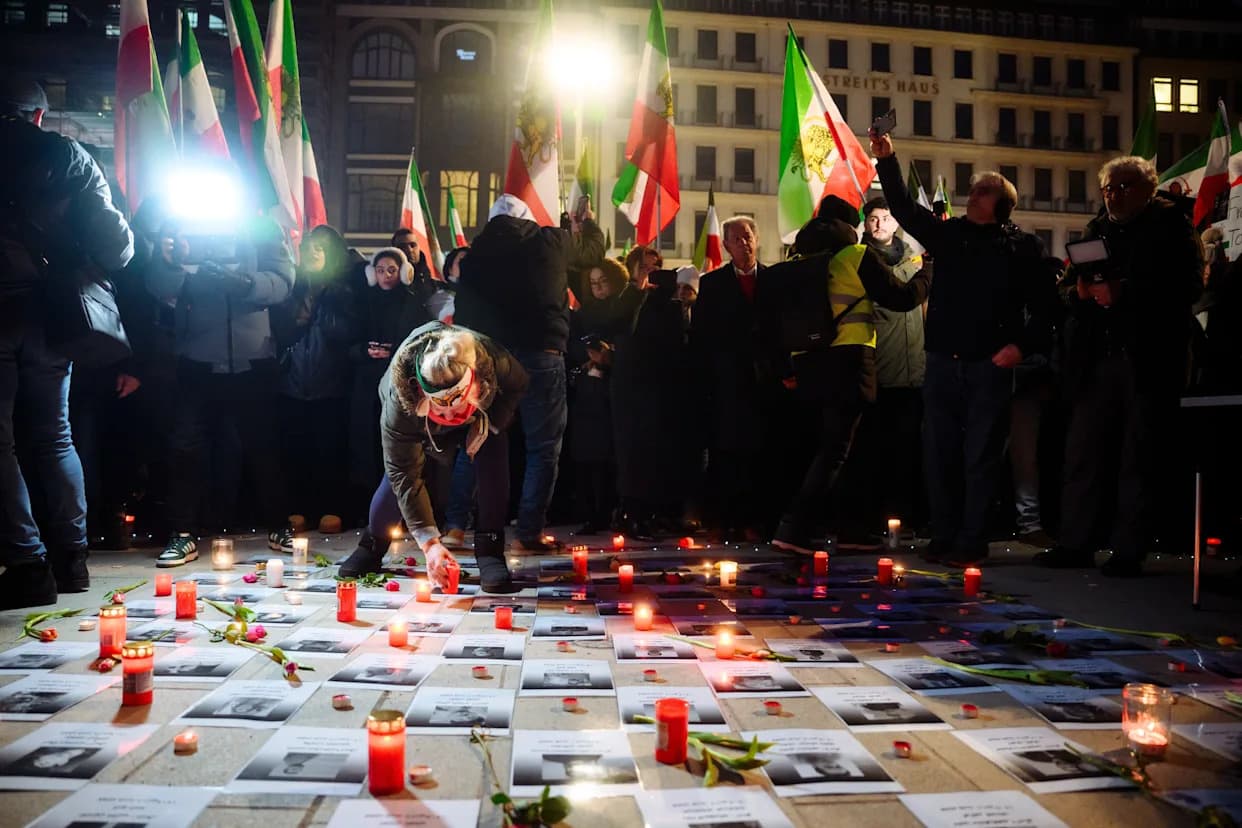
Thursday evenings at Behesht-e Zahra, Tehran’s largest cemetery, have become a gathering place for families mourning those killed in January’s protests after a violent government crackdown. What used to be a landscape of long-standing war memorials now includes fresh graves of young demonstrators — and, in some sections, security personnel killed during the unrest.
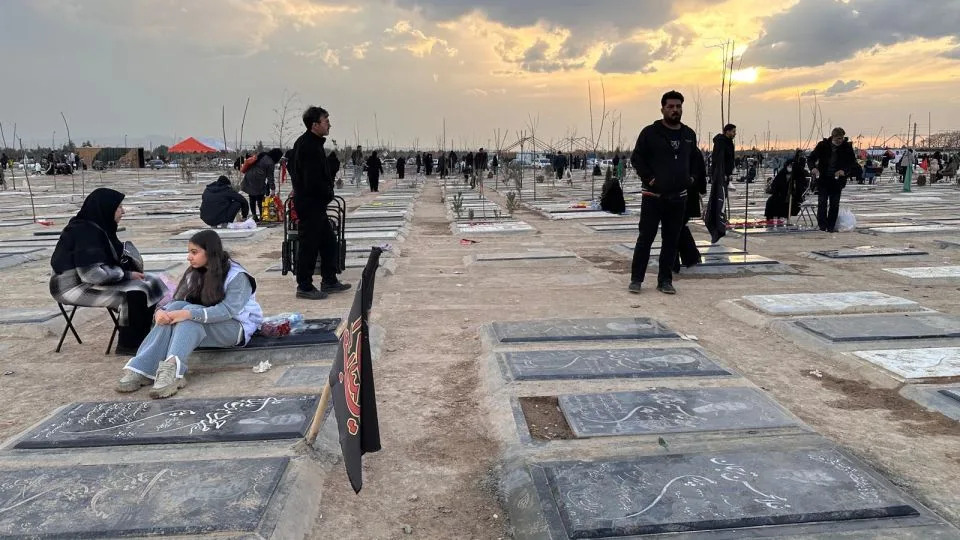
Rectangular slabs of stone mark graves in the Behesht-e Zahra cemetery in Tehran, on January 29, 2026. - Claudia Otto/CNN
Quiet Grief Amid Fear
Relatives move quietly among the headstones, many women wearing the black, ankle-length chador common in conservative Iran. Fresh rectangular plots are covered with flowers and petals; some headstones already bear photographs of the young men and women laid to rest. Mourners offer sweets and tea to visitors, while small clusters of family and friends sit or kneel beside graves, weeping and sharing memories.
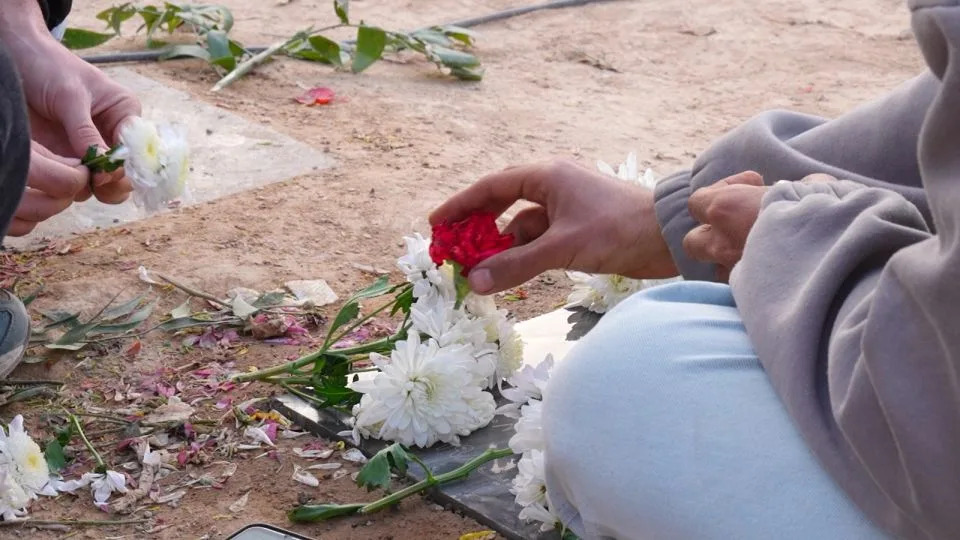
Flowers and petals are laid on graves in the Behesht-e Zahra cemetery, on January 29, 2026. - Joseph Ataman/CNN
“I’ve never seen the cemetery so busy in my life,” one woman told CNN.
Several relatives described searching morgues — including Kahrizak — for missing bodies. Fear that state reprisals could continue even after death led some mourners to request no filming of their gatherings.
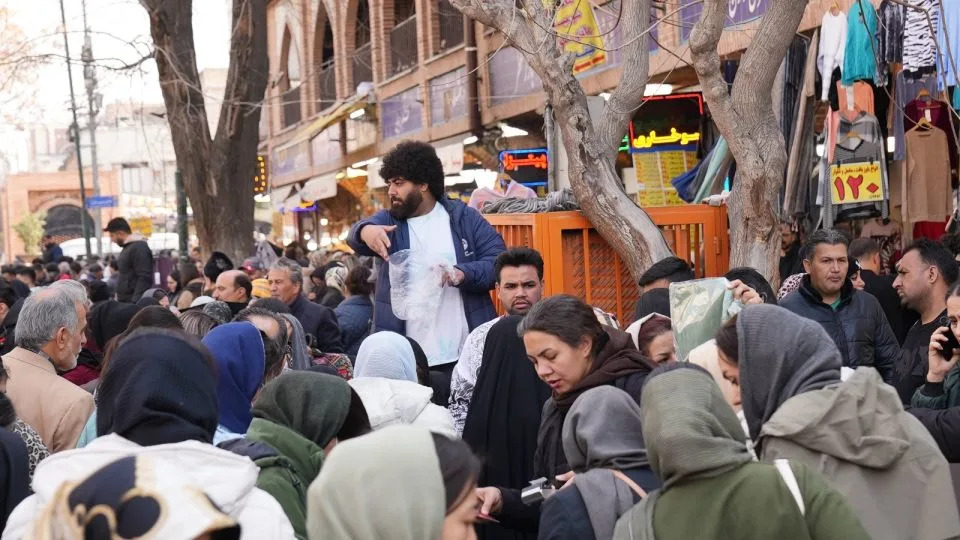
Customers and vendors at Tehran’s Grand Bazaar, where the latest protests began, have been troubled by soaring inflation nationwide. - Jospeh Ataman/CNN
Scenes Beyond the Cemetery
Outside Tehran’s Grand Bazaar, people spoke more openly about the wider consequences of the unrest. Vendors reported severe economic strain, with runaway inflation and sudden currency swings hitting daily life. One shopkeeper, identified only by her first name, Hadis, said vendors were refusing business cheques and that escalating geopolitical tensions were causing rapid changes in the rial’s value.
Another young woman, who gave her name as Sagher, told CNN many felt trapped between two dangers: risking their lives by protesting or staying home and suffering economic hardship. She also said some protesters were motivated by early-January messages of international support.
Human Cost and Political Fallout
The funerals and weekly visits underline both the human cost of the crackdown and the depth of public anger and distrust. Family members’ grief is compounded by anxiety over security and a deteriorating economy: witnesses recounted days when prices jumped 20–30% in a single day, and examples were given of everyday item prices doubling within a short span.
CNN was granted permission by Iranian authorities to enter the country and report a limited view of events on the ground.
Help us improve.