China added record amounts of solar (315 GW) and wind (119 GW) in 2025, yet also commissioned over 50 large coal units and 78 GW of new coal capacity. Authorities cite energy security, drought-impacted hydropower and rising electricity needs from industry and AI as reasons for the coal surge. Analysts warn the rapid coal buildout could slow the clean-energy transition unless Beijing accelerates retirements of inefficient plants and limits coal to a genuine backup role.
China’s Renewables Boom — Why It’s Also Building a Record Number of Coal Plants
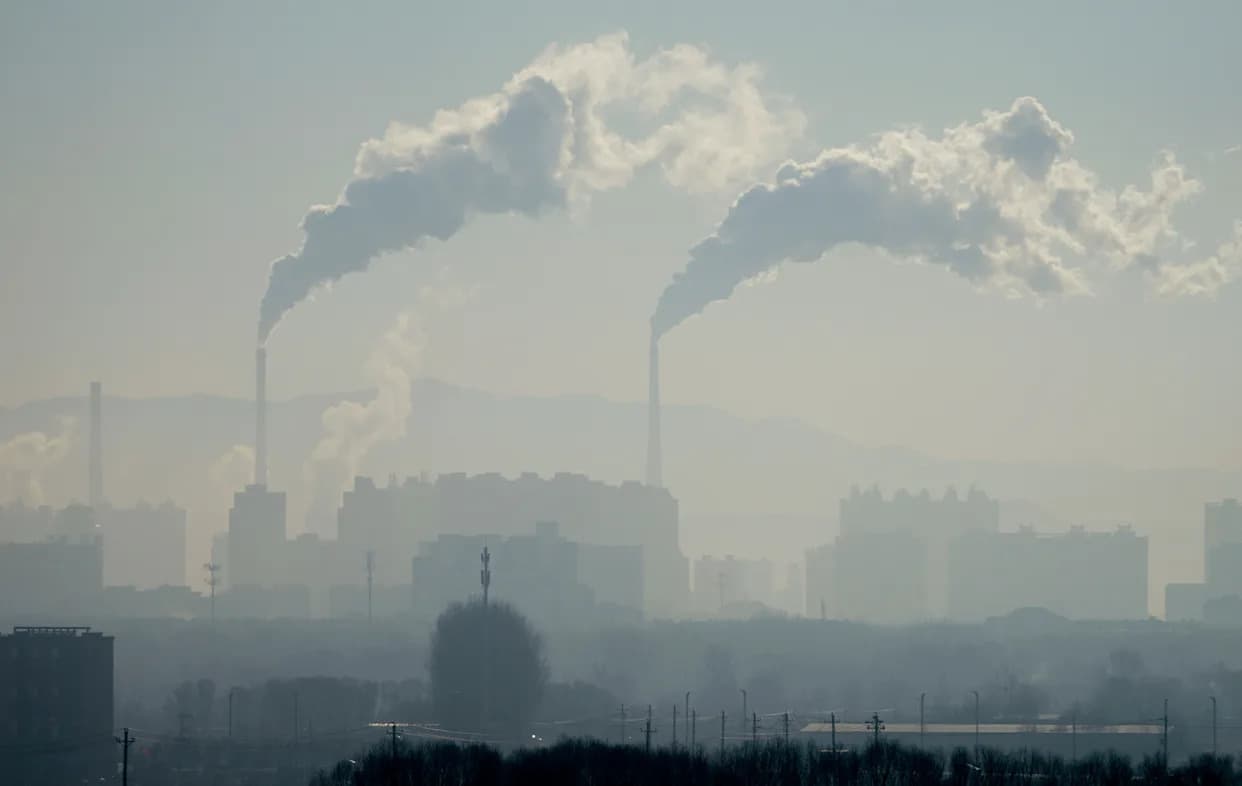
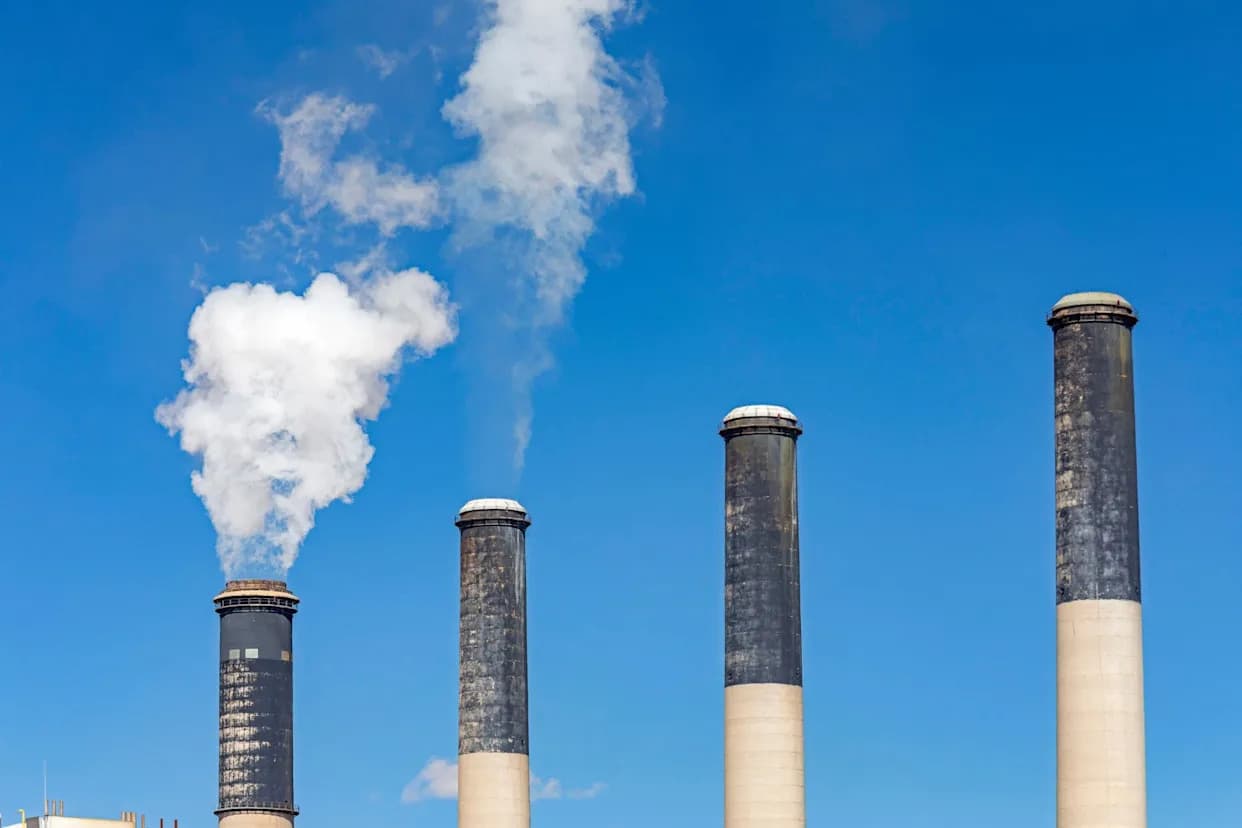
A power plant is seen from a train from Beijing to Shenyang in northwestern China on Jan. 3, 2026. (AP Photo/Ng Han Guan)
Beijing — Even as China deployed record amounts of solar and wind power in 2025, it also brought an unusually large amount of coal-fired generation online, raising fresh questions about the pace of the country’s emissions transition.
Record Additions: Renewables and Coal
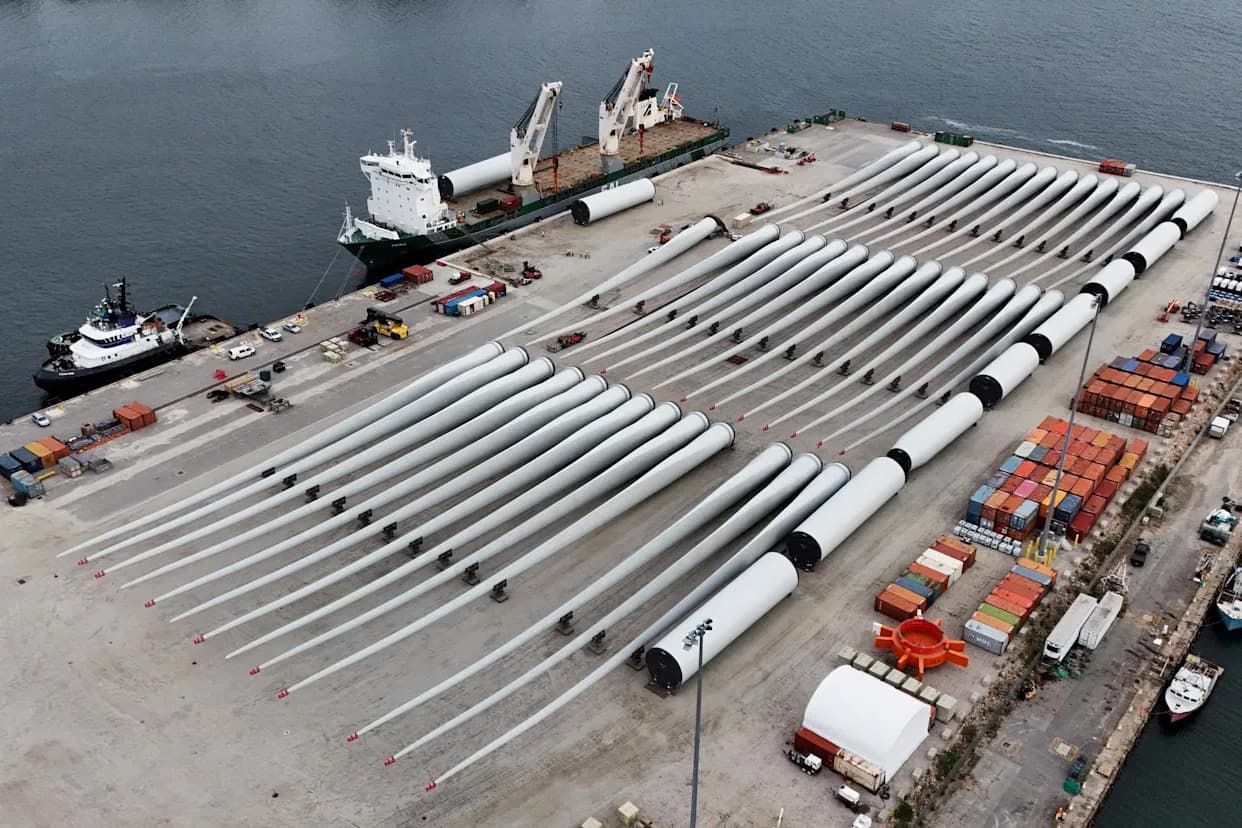
A joint report by the Centre for Research on Energy and Clean Air and Global Energy Monitor found that China commissioned more than 50 large coal units in 2025 — each a boiler-and-turbine set of roughly 1 gigawatt or greater — and added 78 gigawatts (GW) of new coal capacity overall. At the same time, China installed about 315 GW of solar and 119 GW of wind, which reduced coal’s share of power generation by roughly 1% as renewables met most of the year’s demand growth.
Why Coal Is Still Growing
The drivers are complex: China is still expanding its energy system to support continued economic growth and a rising middle class whose appliances and cooling needs increase electricity demand. Rapid industrial electrification and growing power demands from technologies such as artificial intelligence add further pressure for reliable supply.
Power shortages in parts of China in 2021–22 — including factory shutdowns and rolling blackouts in some cities — sharpened concerns over energy security. Those events prompted Beijing to signal support for more coal capacity, producing a surge in permit applications in 2022–23. "Once permits are issued, projects are difficult to reverse," said Qi Qin, an analyst and report co-author.
Policy Rationale and Industry Views
Chinese authorities argue that coal provides needed stability and balancing capacity to back up variable wind and solar generation, especially after the 2022 drought reduced hydropower in western regions. The National Development and Reform Commission said coal should "play an important underpinning and balancing role" while plants are made cleaner and more efficient. Industry groups likewise emphasize coal's role in system reliability.
Risks: Locking In Emissions and Slowing the Transition
Analysts warn the rapid coal buildout risks crowding out cleaner resources. Large, politically backed coal plants may operate for decades, making it harder to retire older, inefficient units and to absorb more renewables. "The scale of the buildout is staggering," said Christine Shearer of Global Energy Monitor. The report notes construction started on about 83 GW of coal capacity in 2025, meaning additional units could come online soon.
Recommendations and What’s Next
The report urges faster retirement of aging, inefficient coal plants and recommends that China use its upcoming five-year plan, to be approved in March, to commit to limiting power-sector emissions between 2025 and 2030. Whether new coal translates into higher emissions will depend on whether those plants are constrained to a true backup role rather than serving as baseload generation.
Bottom line: China’s 2025 energy picture is a study in contrasts — an unprecedented renewables surge accompanied by a major coal expansion driven by energy-security concerns and development needs. Policy choices over retirements, dispatch rules and grid investment will determine whether the coal buildup becomes a temporary backstop or a long-term emissions liability.
Associated Press video journalist Olivia Zhang contributed to the original coverage. The report was published by the Centre for Research on Energy and Clean Air and Global Energy Monitor. The Associated Press’ climate coverage receives philanthropic support; AP is solely responsible for content.
Help us improve.