Colossal Biosciences and the UAE announced the Colossal BioVault — a cryogenic repository at Dubai’s Museum of the Future intended to preserve genetic material from endangered species. The project will begin by banking samples from 100 vulnerable species and aims to scale to over 1 million samples representing 10,000+ species, using robotics and AI for monitoring. Funded by a nine-figure initiative and a $60 million UAE investment, the effort is pitched as a global "backup" for biodiversity that can support conservation breeding and de-extinction research while raising governance and ethical questions.
Colossal BioVault: Colossal Biosciences and UAE Build a ‘Modern-Day Noah’s Ark’ for Endangered Species
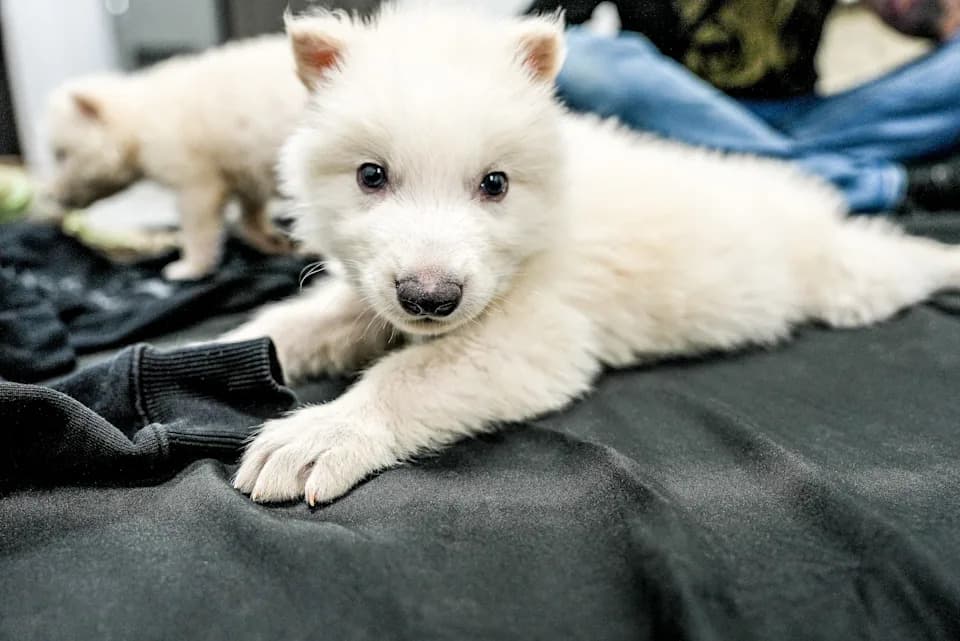
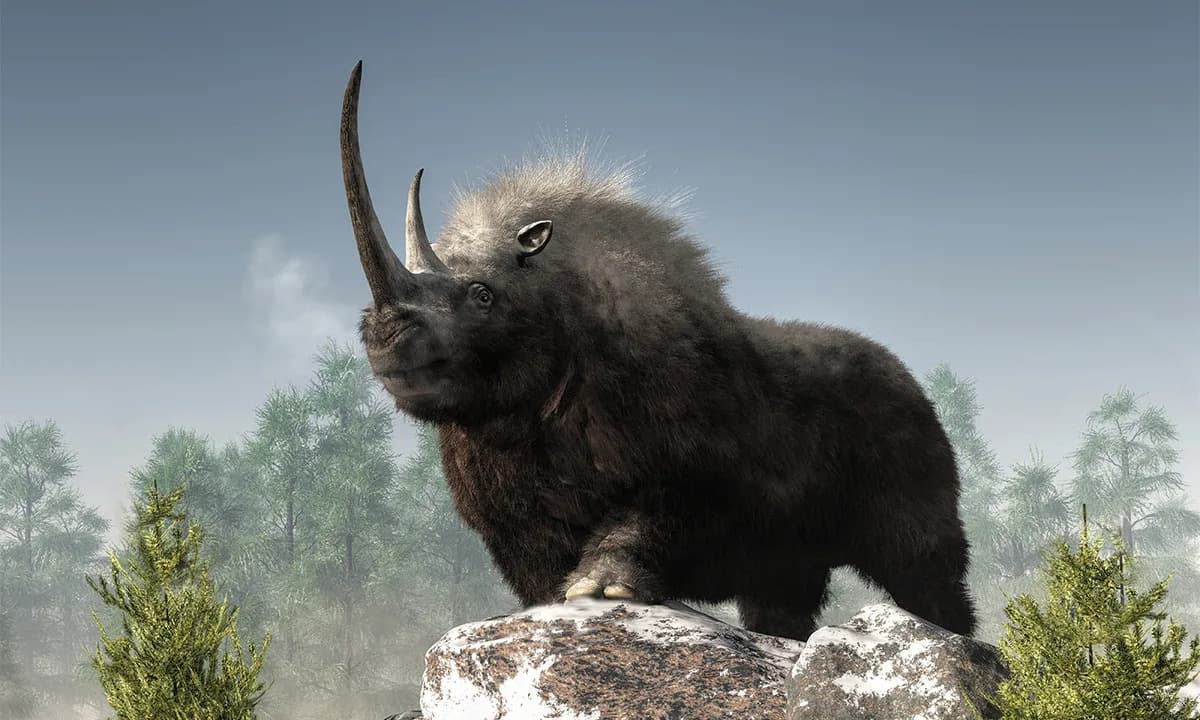
Colossal Biosciences —the genetic engineering company working to bring backthe woolly mammothand other animals that have long been extinct —used ancient DNA to birth three dire wolves, an animal that went extinct 13,000 years ago, the Texas-based company revealed in apress releaseearlier this year. Now, the wolves are celebrating their first year on Earth. Look back at their growth and story.Here, the first two dire wolves born are shown at one month old. See their growth.
Colossal Biosciences, the Dallas-based genetic engineering firm known for producing living dire wolves and pursuing efforts to revive the woolly mammoth, announced plans to build the Colossal BioVault — a cryogenic repository intended to preserve genetic material from vulnerable species. The vault will be housed at the Museum of the Future in Dubai as part of a new World Preservation Lab, a project unveiled jointly by Colossal and the United Arab Emirates at the World Governments Summit.
What the BioVault Will Do
The initial phase will bank tissue samples from 100 of the world’s most at-risk species, with long-term ambitions to scale to more than one million samples representing over 10,000 species. Colossal says the BioVault will store cryogenically frozen genetic material with multiple samples per species to preserve genetic diversity. The facility will use robotics and artificial intelligence for monitoring and management and aims to become part of a distributed, international network of similar repositories.
Funding and Partnership
Company and UAE officials described the effort as a nine-figure initiative. The UAE also made a direct $60 million investment in Colossal — directed by Crown Prince Sheikh Hamdan bin Mohammed bin Rashid Al Maktoum — which the company says brought its latest funding round to $615 million. Museum of the Future executive director Majed Al Mansoori framed the collaboration as an investment in conservation science and education.
Why Colossal Says This Is Urgent
Colossal and UAE officials cited projections suggesting that nearly half of the planet’s species could be at risk of extinction by 2050. They present the BioVault as a global “backup” for biodiversity that could support breeding programs for threatened species, restore genetic variation, and — in some cases — provide material for de-extinction research.
Colossal’s Dire Wolves And The Science Behind Them
This year Colossal attracted widespread attention after reporting the creation of three live dire wolves — a species that disappeared roughly 13,000 years ago. The company says researchers reconstructed a dire wolf genome from ancient DNA, edited the closely related gray wolf genome to express dire wolf traits, and implanted fertilized embryos into surrogate domestic dog mothers. The first two pups, Romulus and Remus, were born Oct. 1, 2024; a third pup, Khaleesi, was born in January 2025. Colossal reports the animals live on a secured, certified 2,000+ acre ecological preserve in Texas and are monitored to ensure welfare and safety.
“We are losing species at an alarming rate, and the world urgently needs a distributed network of global BioVaults — a true backup plan for life on Earth,” Colossal CEO Ben Lamm said in the announcement.
Education, Oversight, And Ethical Debate
Colossal says the BioVault will include public education features, allowing museum visitors and students to observe scientists and learn about conservation biotechnology. The project raises questions about governance, access to genetic resources, and the ethics of de-extinction — topics conservationists, ethicists, Indigenous groups and policy makers have urged be addressed alongside technical development.
Context On UAE-U.S. Relations
The announcement also noted recent geopolitical and commercial ties between the UAE and the United States, including trade and technology agreements. Some press reports referenced separate business dealings involving UAE officials and U.S. companies; the Colossal announcement itself focused on conservation funding and the Museum of the Future partnership.
Correction
Correction: An earlier version misstated the UAE’s investment in Colossal Biosciences. The correct amount is $60 million.
Bottom line: The Colossal BioVault combines high-tech biobanking, international funding, and public-facing education to create a large-scale repository intended to help conserve biodiversity — but it also spotlights ethical, legal and governance questions that will shape how such collections are used.
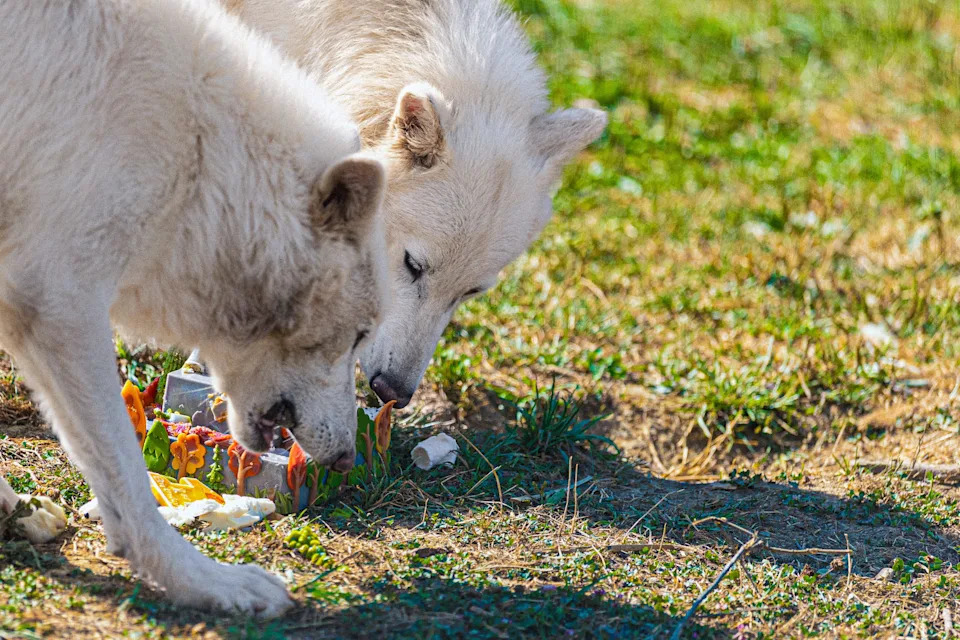
Dire wolves Romulus and Remus are now 1-year-old. They were born Oct. 1, 2024.Ahead of their birthday, the wolves were treated to a custom-made cake from Mishka Luxury Dog Boutique in San Francisco.
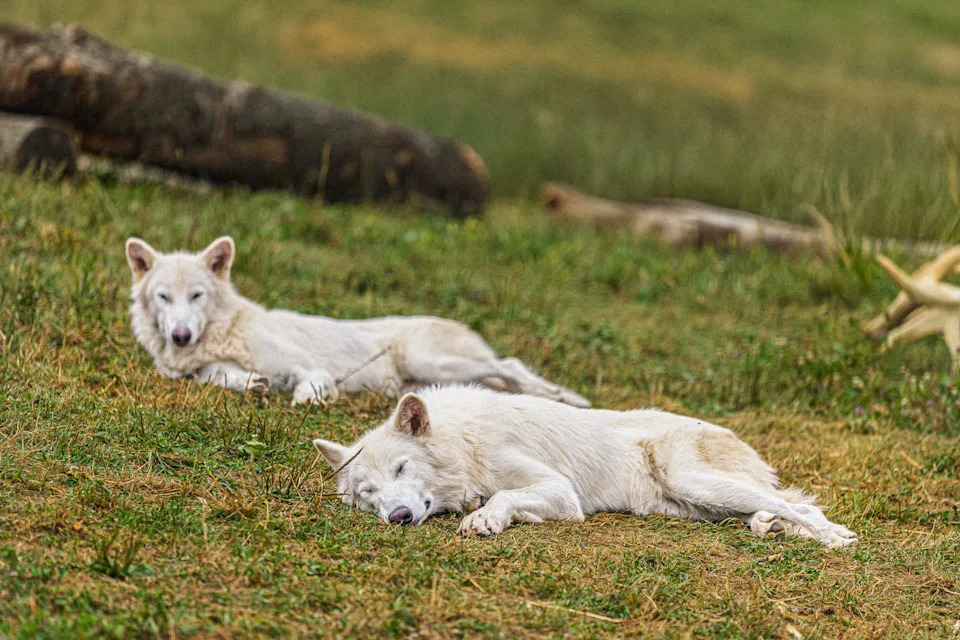
Dire wolves Romulus and Remus are now 1-year-old. They were born Oct. 1, 2024.
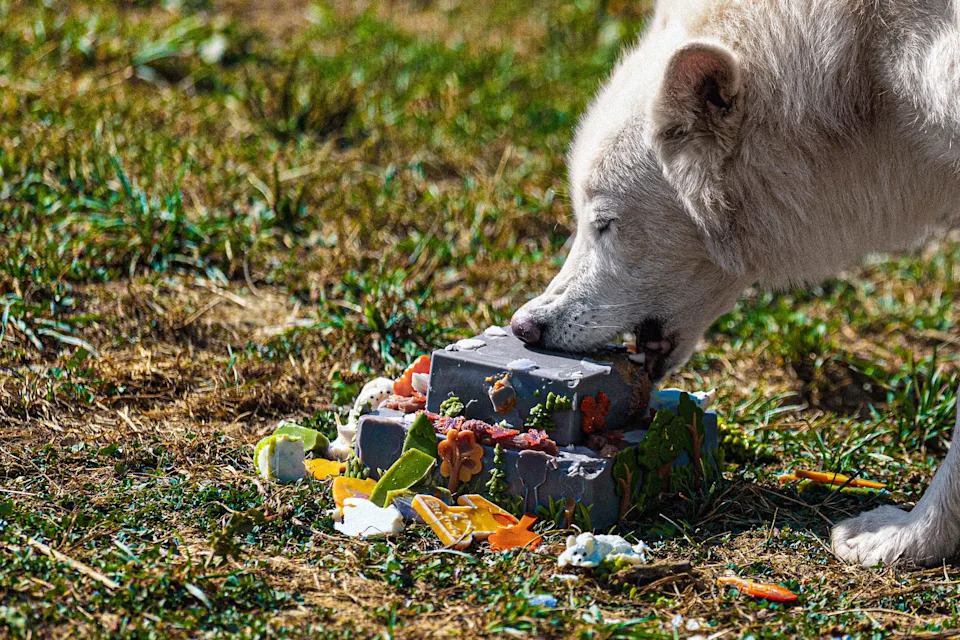
The dire wolf Remus partakes of his birthday cake.
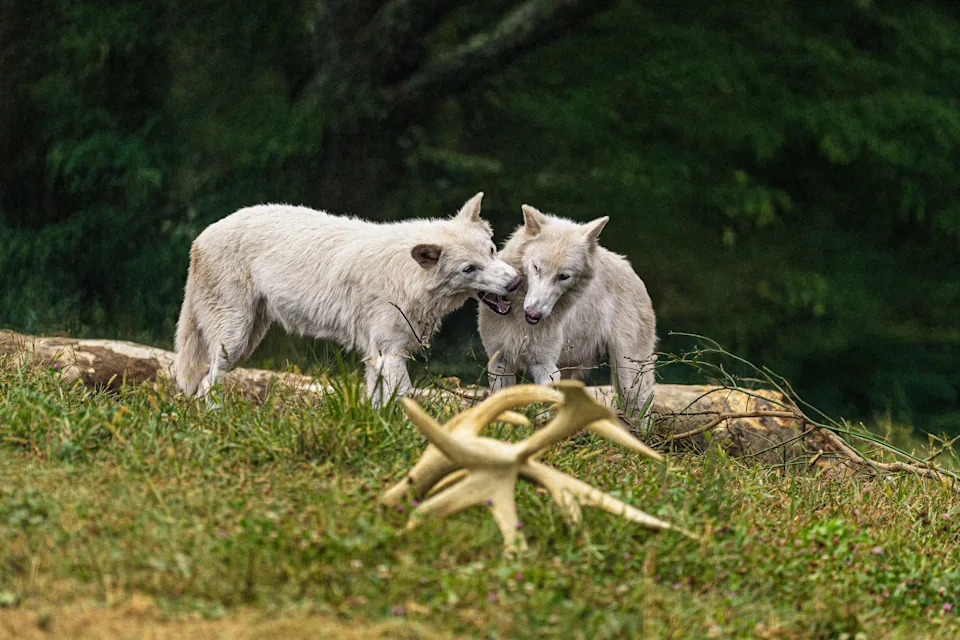
Colossal researchers implanted surrogate dog mothers with fertilized dire wolf eggs to bring Romulus and Remus into the world. They first created a dire wolf genome and then edited the gray wolf genome to express specific traits of dire wolves.
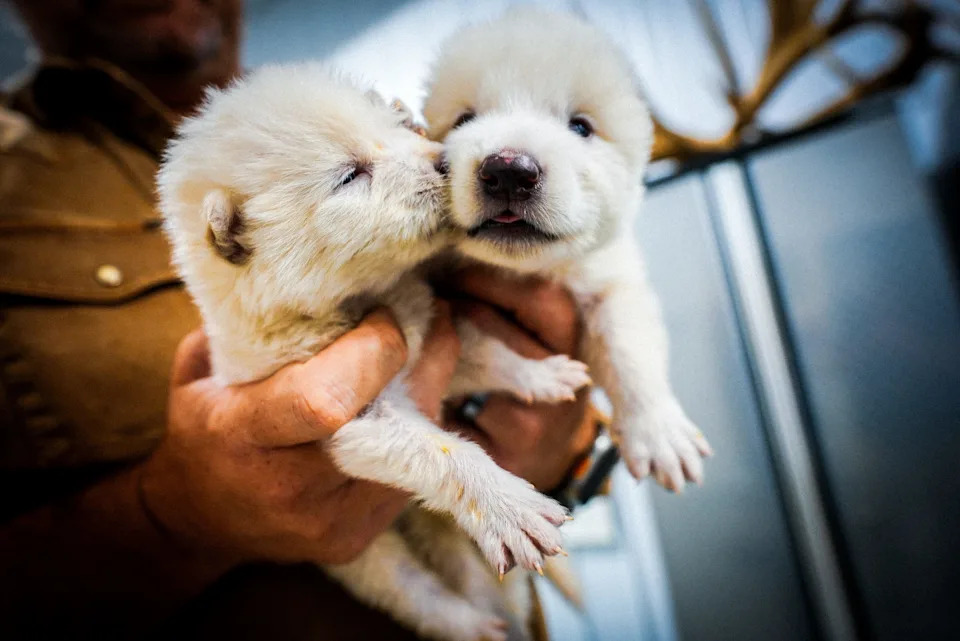
Shown at 15 days old are two male dire wolves, Romulus and Remus, born by surrogate dog mothers from fertilized and implanted genetically-edited eggs with the ancient DNA of dire wolves.
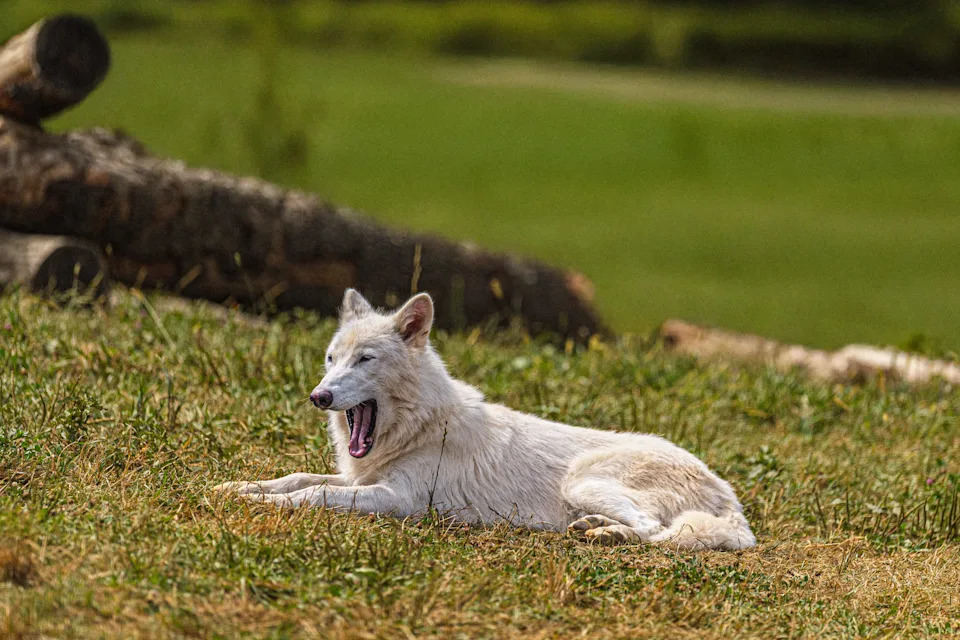
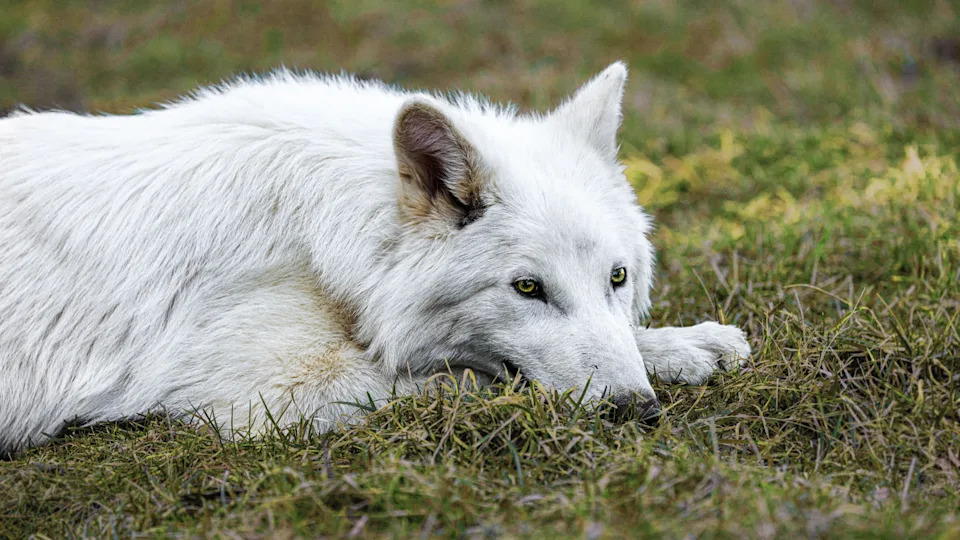
Remus, a male dire wolf, relaxes. He was born Oct. 1, 2024.
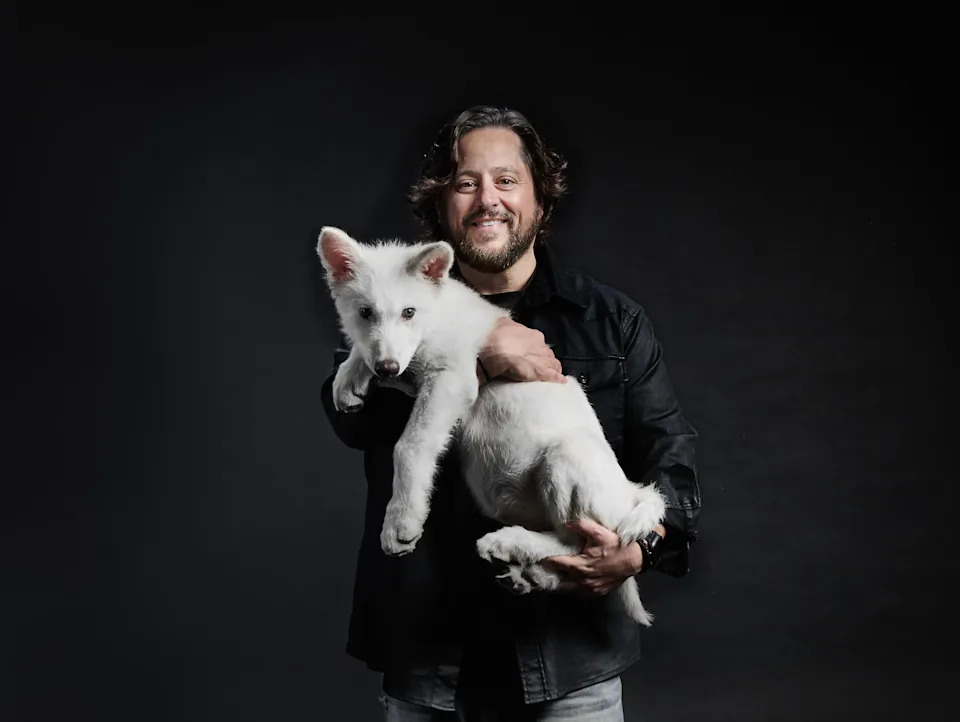
CEO of Colossal Ben Lamm said their team took DNA from a 13,000 year old tooth, found in Ohio, and a 72,000 year old skull to produce the healthy dire wolf puppies.Wolves became a focus at Colossal after a meeting withThe MHA (Mandan, Hidatsa and Arikara) Nationin central North Dakota. While talking with the tribal leaders about research on buffalo and bison conservation, "they told us there's not enough going into wolf conservation," Lamm said, and began discussing the dire wolf and wolves' importance to generations of Native Americans.The dire wolf is a symbol that "carries the echoes of our ancestors, their wisdom, and their connection to the wild,” said MHA Nation Tribal Chairman Mark Fox in a statement. “Its presence would remind us of our responsibility as stewards of the Earth – to protect not just the wolf, but the delicate balance of life itself."
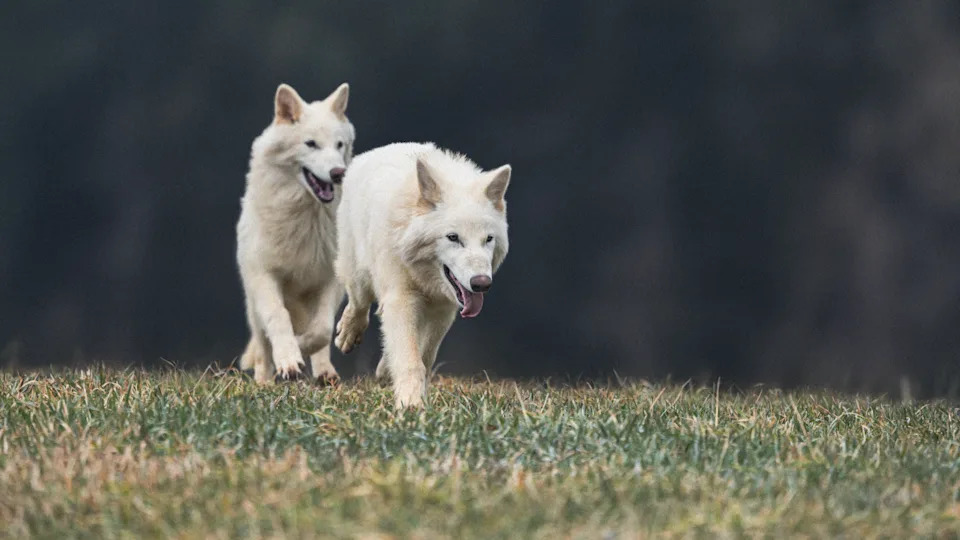
The dire wolves live on Colossal's 2,000+ acre secure expansive ecological preserve, which is certified by the American Humane Society and registered with the U.S. Department of Agriculture.The wolves are continuously monitored through on-site live cameras, security personnel, and drone tracking to ensure their safety and welfare.
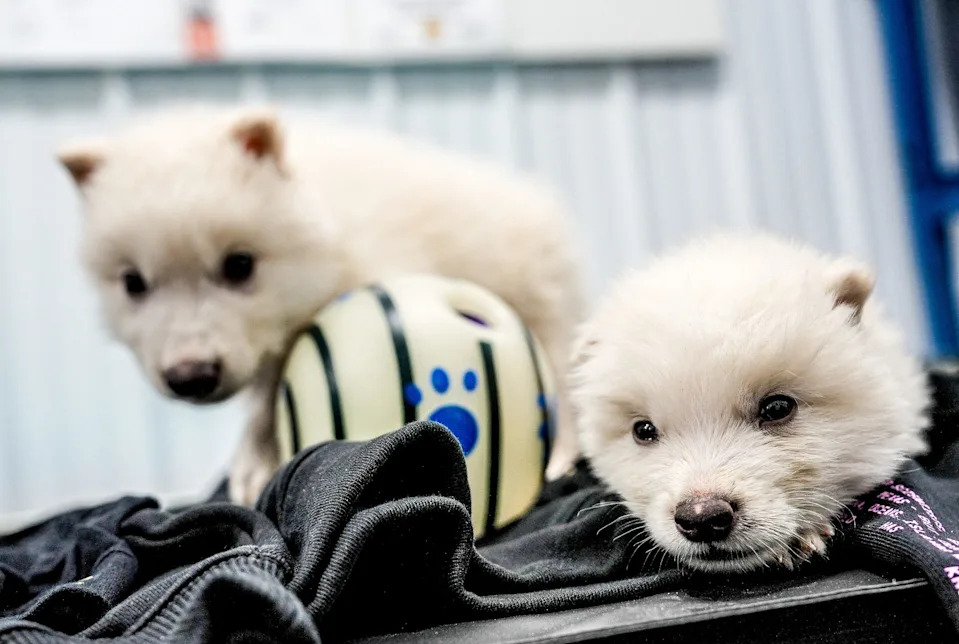
Romulus and Remus, two male dire wolves, were born from fertilized dire wolf eggs implanted into and born by surrogate dog mothers. Here they are one month old in November 2024.
"I think for me the most exciting thing about this project is that shows how we can use cutting edge technologies in molecular biology to help protect and preserve populations of animals that are at risk of extinction today," Elinor Karlsson, the director of vertebrate genomics at the Broad Institute of Harvard and MIT and a geneticist who's a member of Colossal's advisory board, told USA TODAY.
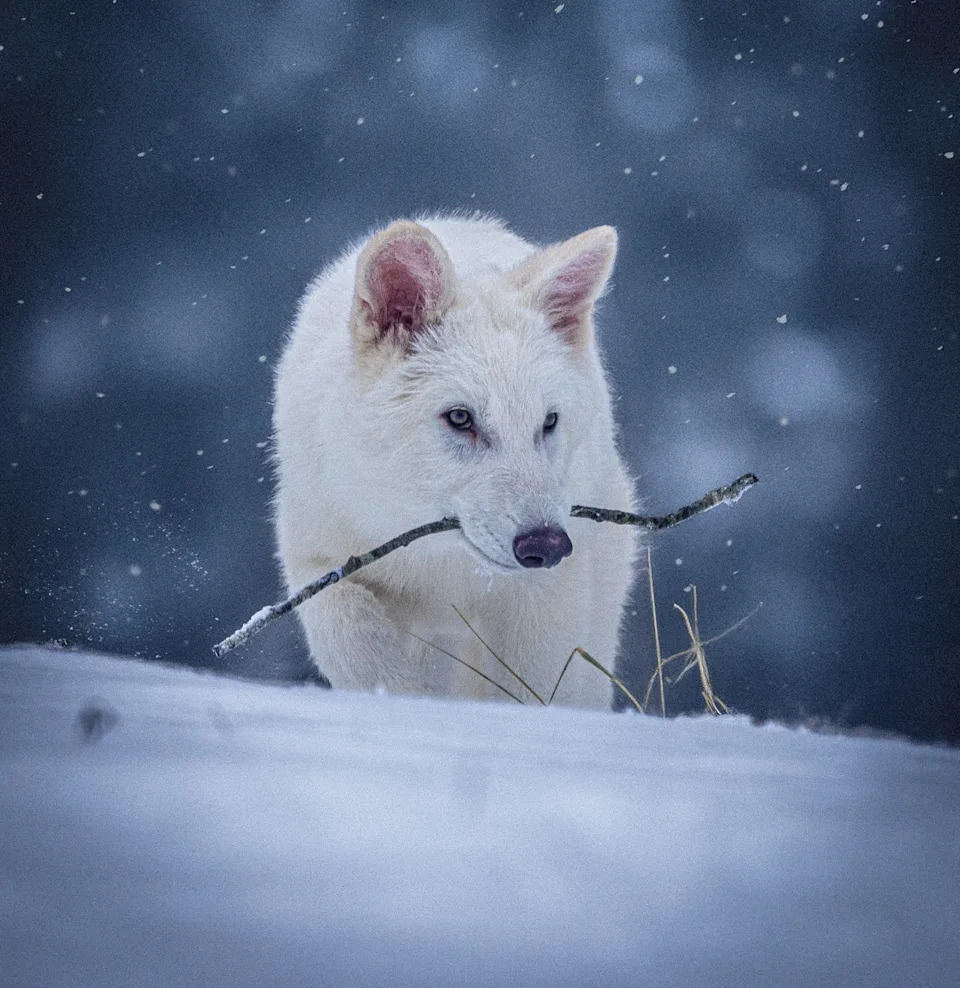
Romulus at five months old. Using the genetic data, researchers could confirm the gray wolf as the closest living relative of the dire wolf – they share 99.5% of their DNA code.
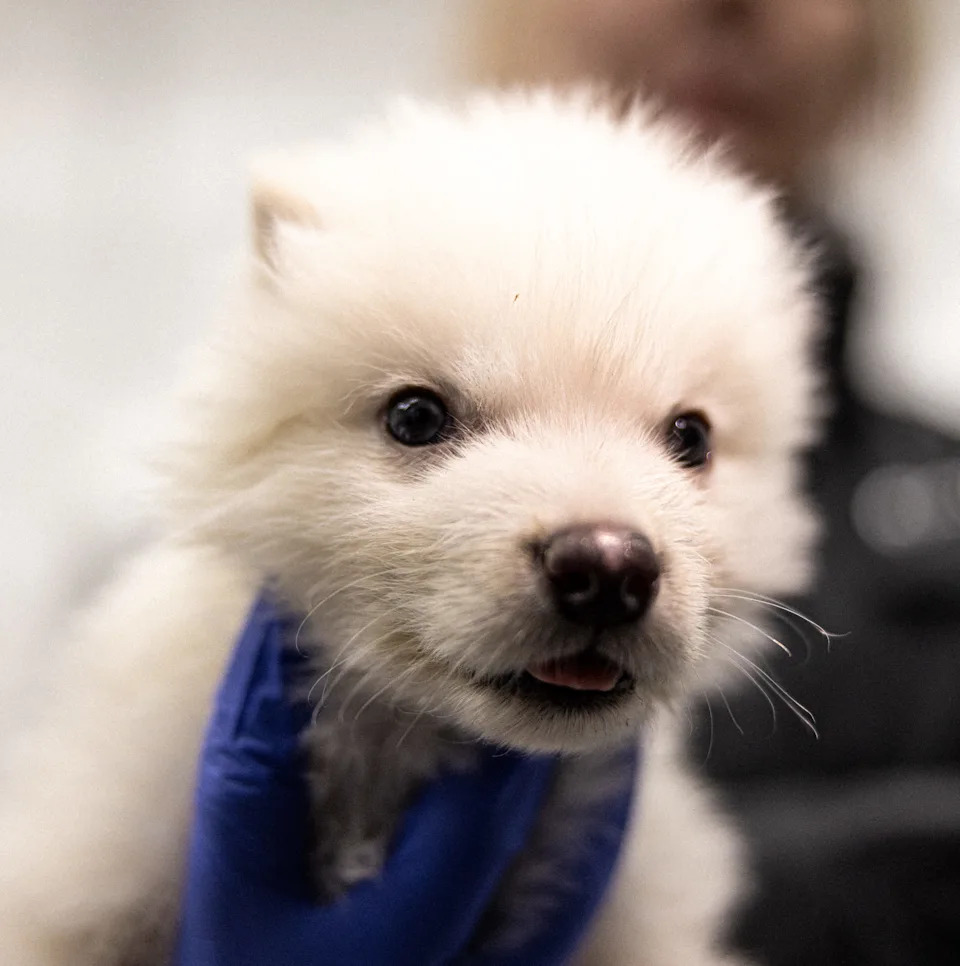
Khaleesi, the third dire wolf birthed by the biotech firm, was born in January 2025. She was named after the "Game of Thrones" character.
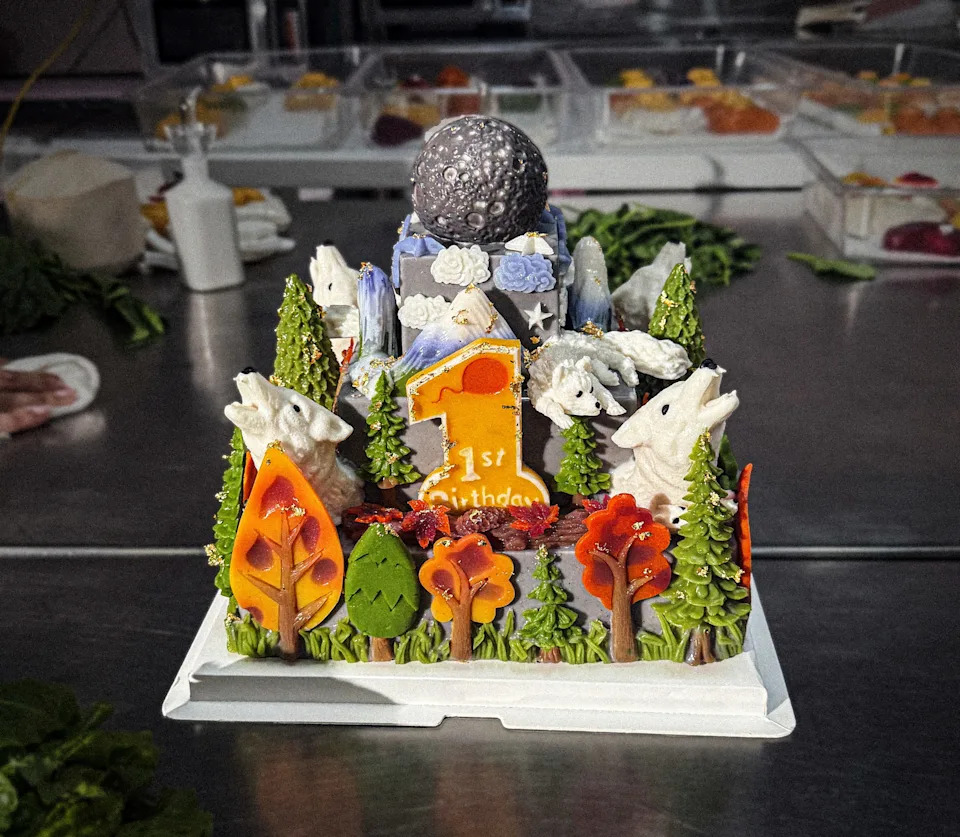
A custom-made cake from Mishka Luxury Dog Boutique in San Francisco for the male dire wolves' first birthday.
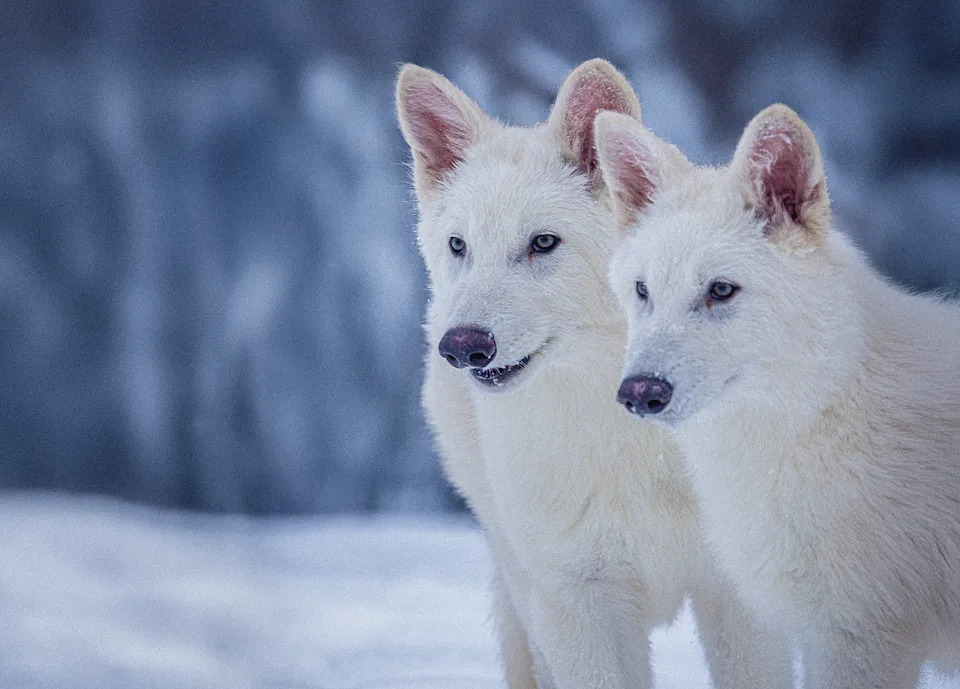
Romulus and Remus at about three months old."They are super friendly because we've raised them ... (chief animal officer) Matt (James) bottle fed them when they were just young pups. But they are starting to come into their own, where they're acting more and more like wolves."
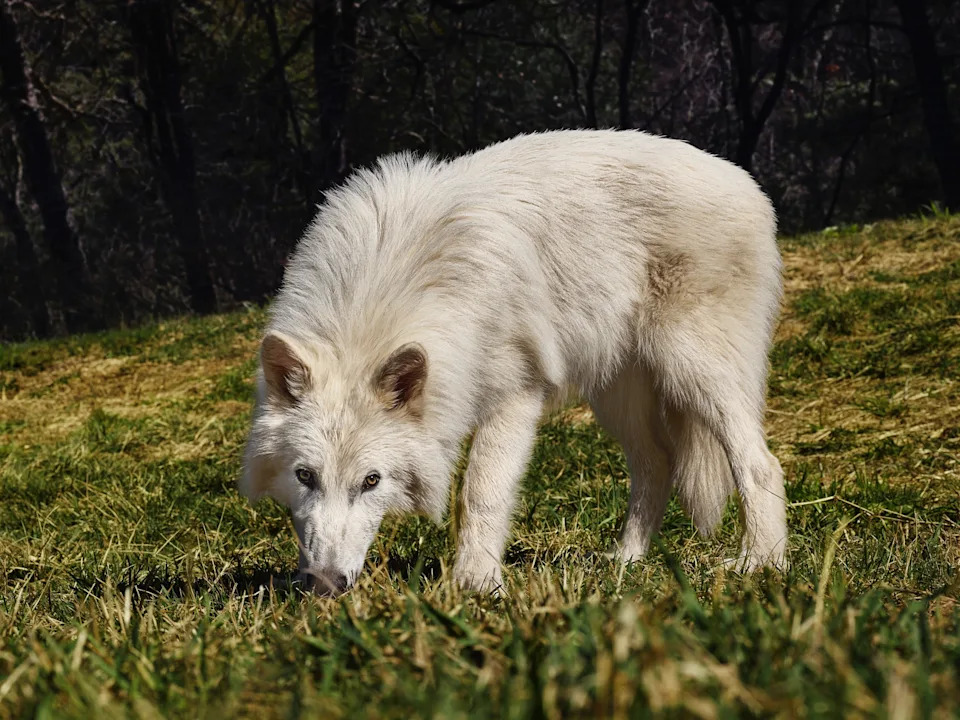
Remus is seen at five months old.
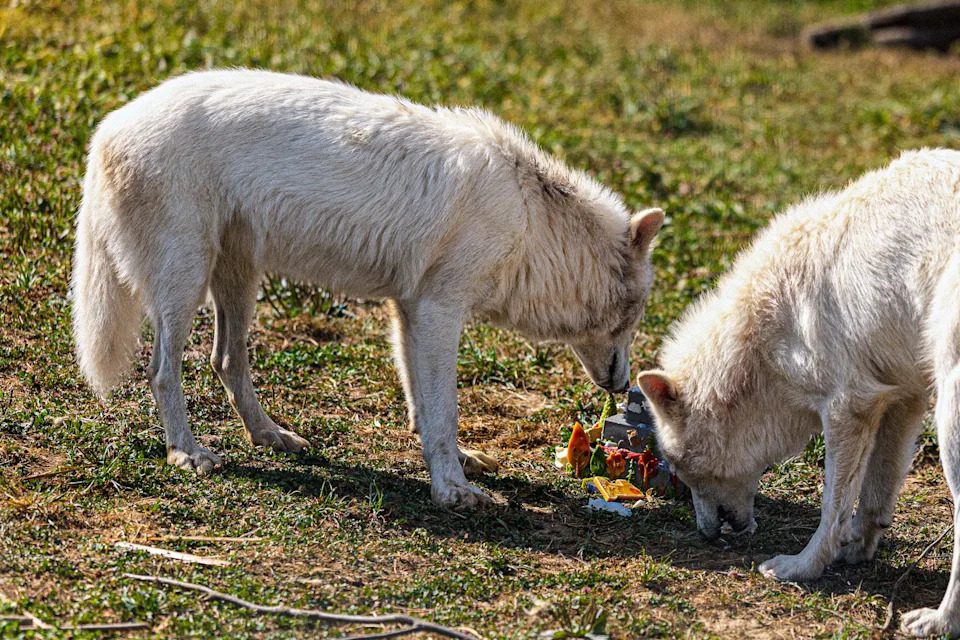
Romulus and Remus, two male dire wolves, snack on a birthday cake. They were born Oct. 1, 2024.
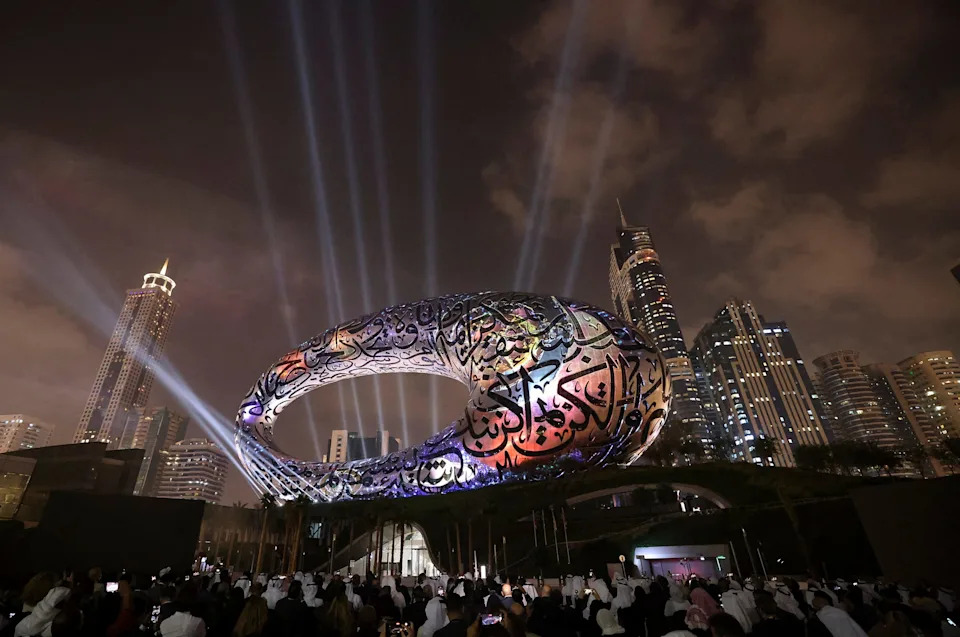
People attend the opening ceremony for the Museum of the Future, in the gulf emirate of Dubai, on February 22, 2022.
Help us improve.