NASA's Interstellar Mapping and Acceleration Probe (IMAP) has begun a two‑year mission to map the heliosphere, the Sun‑created bubble surrounding the solar system. IMAP will study high‑energy solar particles, interplanetary magnetic fields and interstellar dust to address key heliophysics questions about particle energization and solar‑wind interactions at the heliosphere's boundary. Its near‑real‑time data are already feeding NOAA's Space Weather Prediction Center and were used to warn of a strong solar flare Monday evening.
NASA Launches IMAP to Map the Heliosphere and Improve Space‑Weather Forecasts
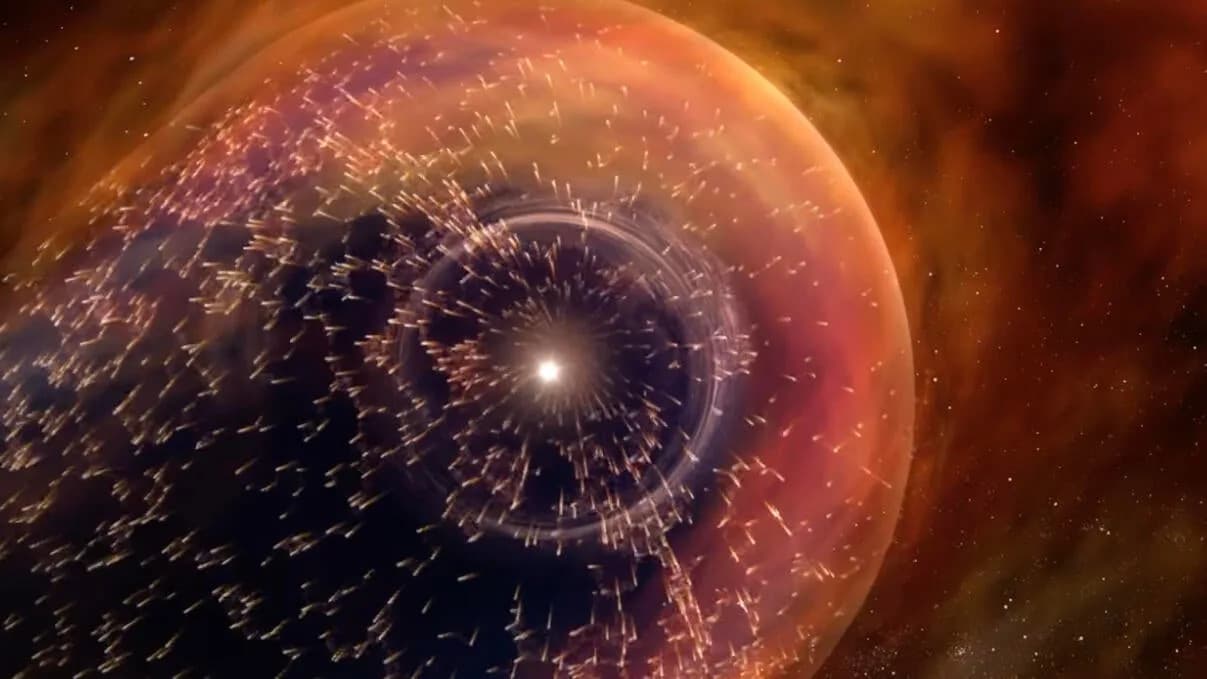
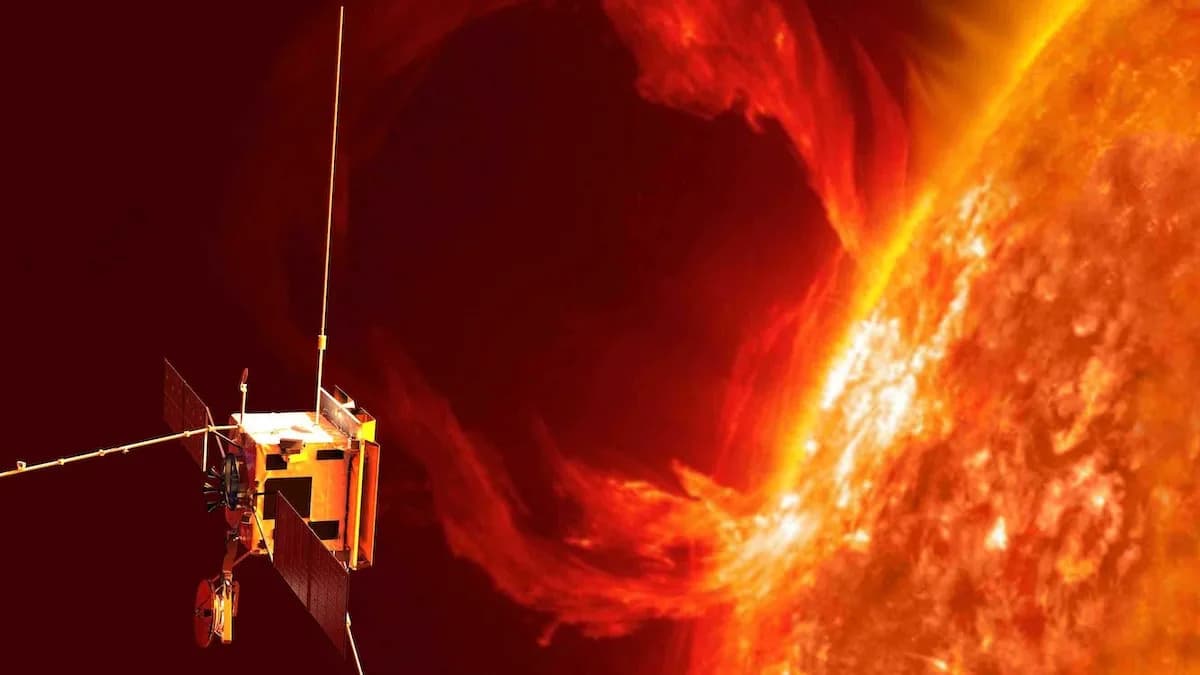
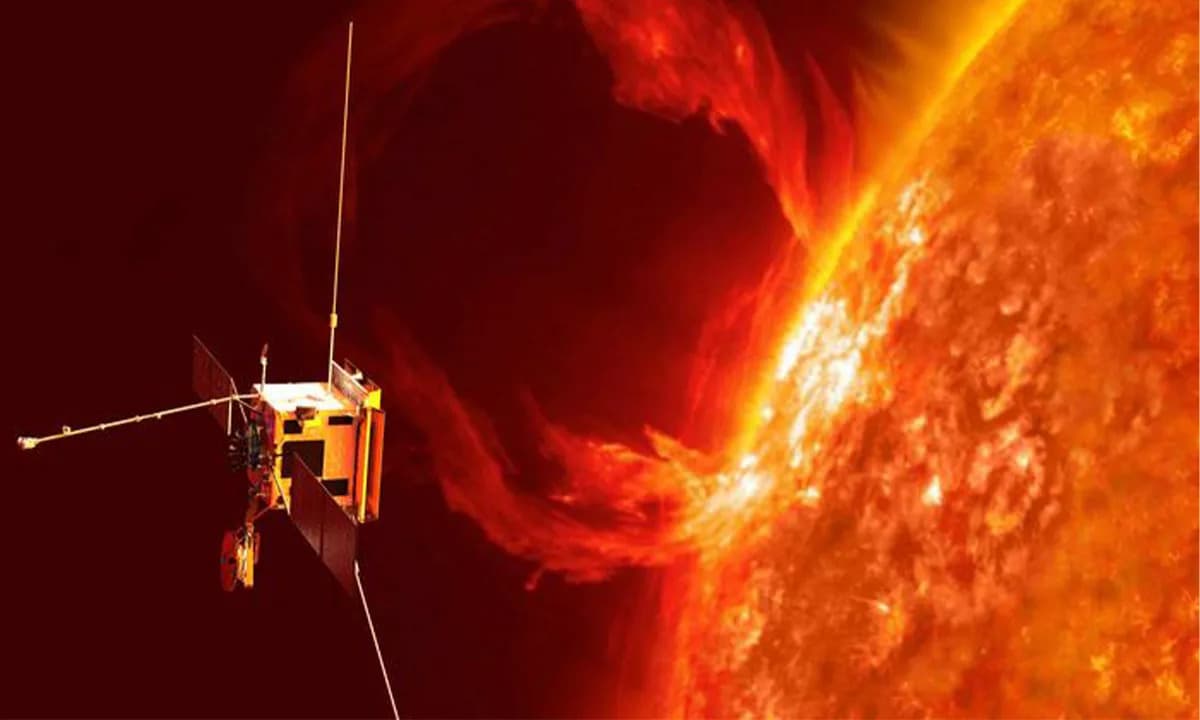
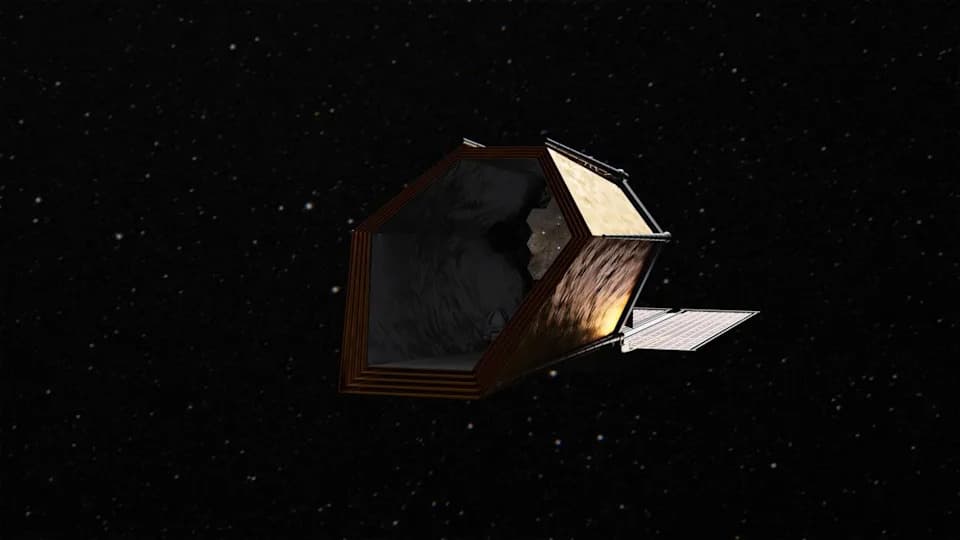
NASA has begun a roughly two‑year mission to map the heliosphere—the vast protective bubble formed by the Sun that surrounds our solar system—using a new spacecraft called the Interstellar Mapping and Acceleration Probe (IMAP).
Mission Objectives
IMAP carries a suite of instruments designed to chart the heliosphere's boundary and observe the dynamic processes inside it. The probe will focus on high‑energy particles emitted by the Sun, the magnetic fields that thread the interplanetary medium between planets, and interstellar dust from more distant stars.
“The spacecraft studies the Sun's activity and how the heliosphere's boundary interacts with the local galactic neighborhood beyond,” NASA said.
Why This Matters
Data from IMAP will help scientists answer core questions in heliophysics, such as how charged particles are energized by the Sun and how the solar wind interacts with interstellar space at the heliosphere’s edge. The mission also improves our understanding of how solar activity shapes space weather and how phenomena like solar flares, solar storms and coronal mass ejections relate to one another.
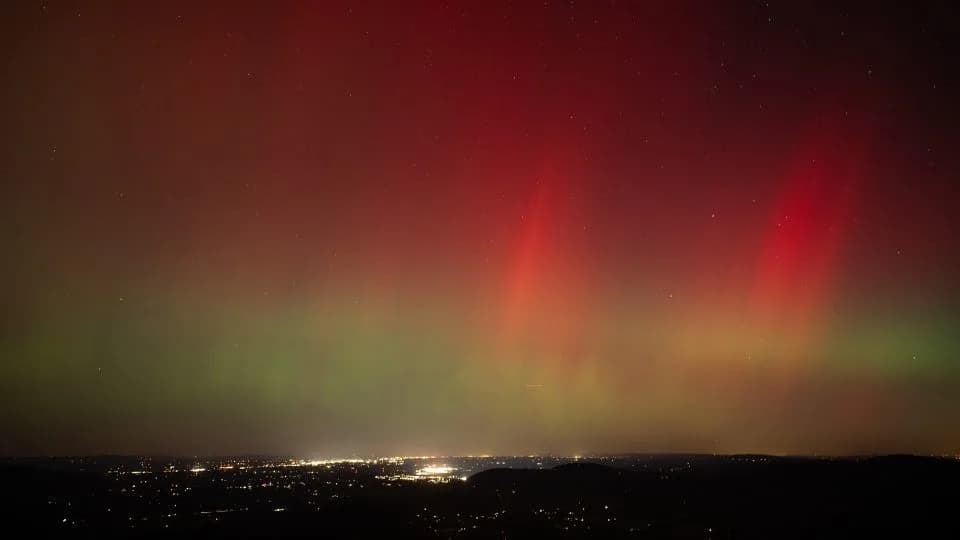
Near‑real‑time measurements from IMAP are intended to support operational forecasting: continuous observations can help agencies issue earlier warnings and alerts about space‑weather effects that could endanger spacecraft systems and astronaut safety.
Operational Use and Recent Activity
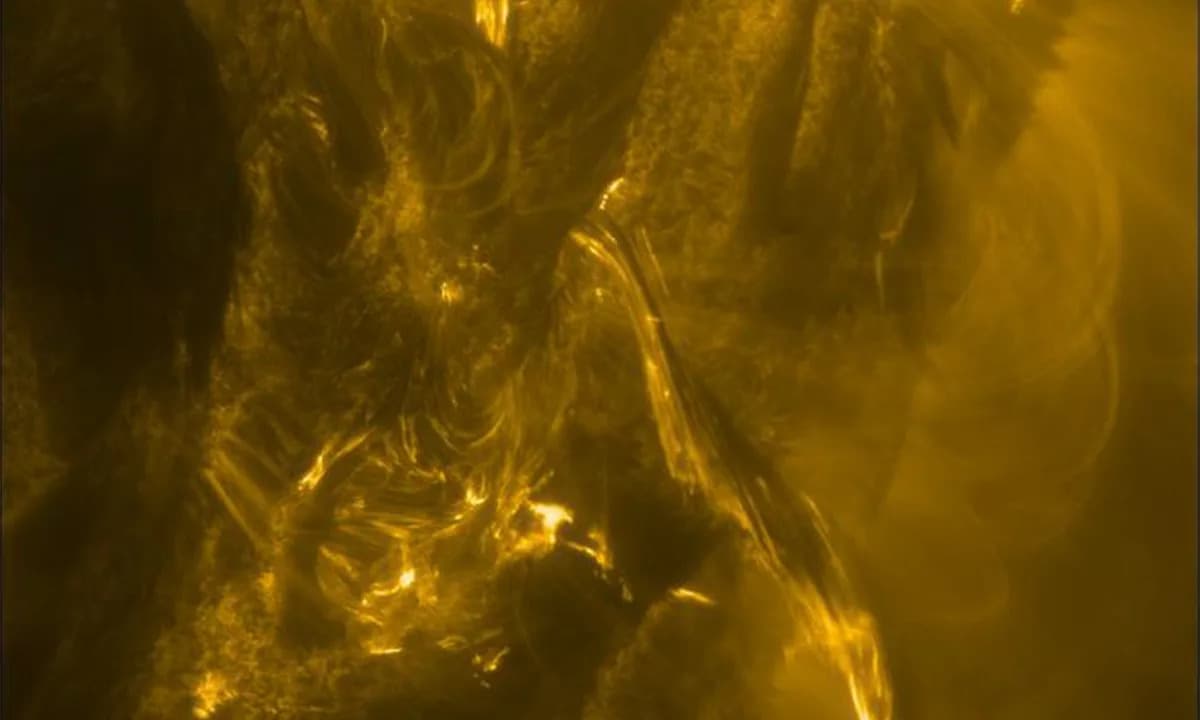
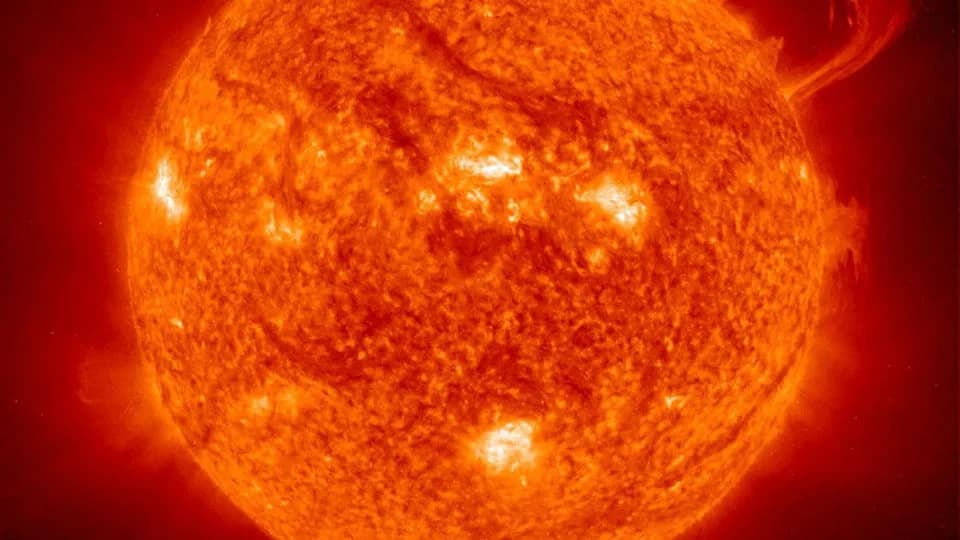
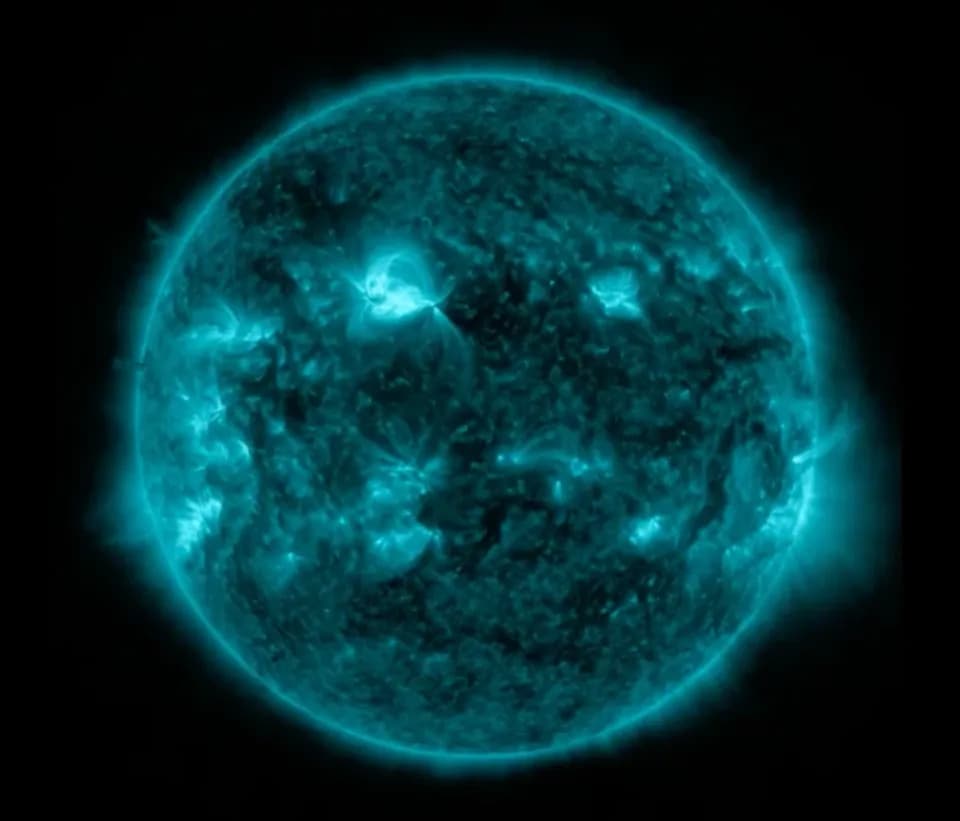
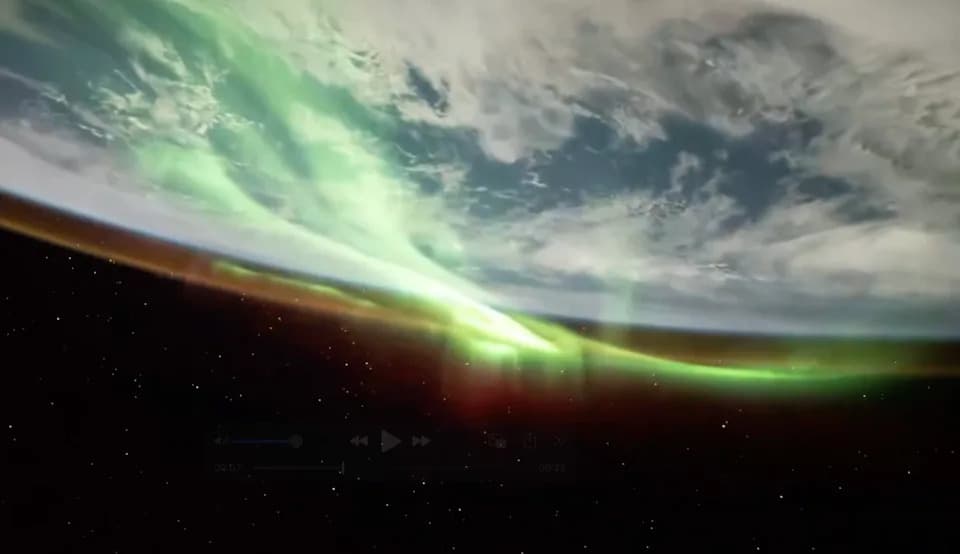
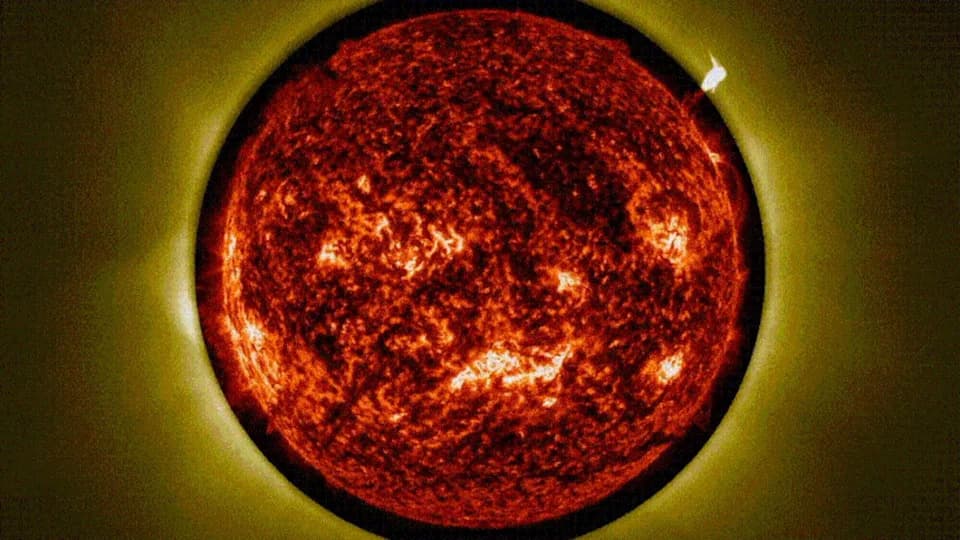
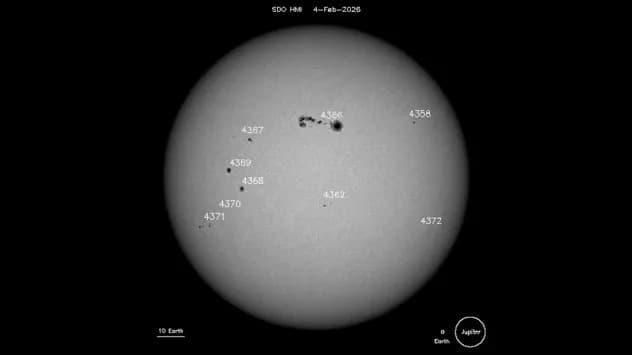
The National Oceanic and Atmospheric Administration's Space Weather Prediction Center (NOAA SWPC) is already incorporating IMAP data into its forecasts. In its most recent bulletin, SWPC warned that a strong solar flare erupted Monday just before 7 p.m. ET; scientists describe flares as eruptions of energy from the Sun that can briefly disrupt radio and satellite communications on Earth.
NASA launched IMAP shortly after researchers published a study in September documenting a steady rise in solar activity following a decades‑long lull. That study found the Sun has grown increasingly active over roughly the last 16 years—a change that could affect space weather and technology on Earth.
As IMAP collects data over the coming years, scientists expect it to refine models of the heliosphere, improve space‑weather forecasting, and deepen our understanding of how our local galactic environment shapes conditions throughout the solar system.
Help us improve.