President Trump announced he will let the New START treaty with Russia lapse and has directed his administration to negotiate a replacement. New START, which expired at midnight, had capped deployed strategic bombers, missiles and warheads and relied on inspections and data exchanges for verification. Russia suspended treaty obligations in 2023 and offered a stopgap that would have reduced verification, while Putin has urged inclusion of Britain and France in any successor. U.S. officials say China is unlikely to accept limits, making a broader multilateral deal difficult.
Trump Lets New START Lapse, Orders Push For A New Nuclear Treaty — Verification, China And Europe Could Complicate Talks
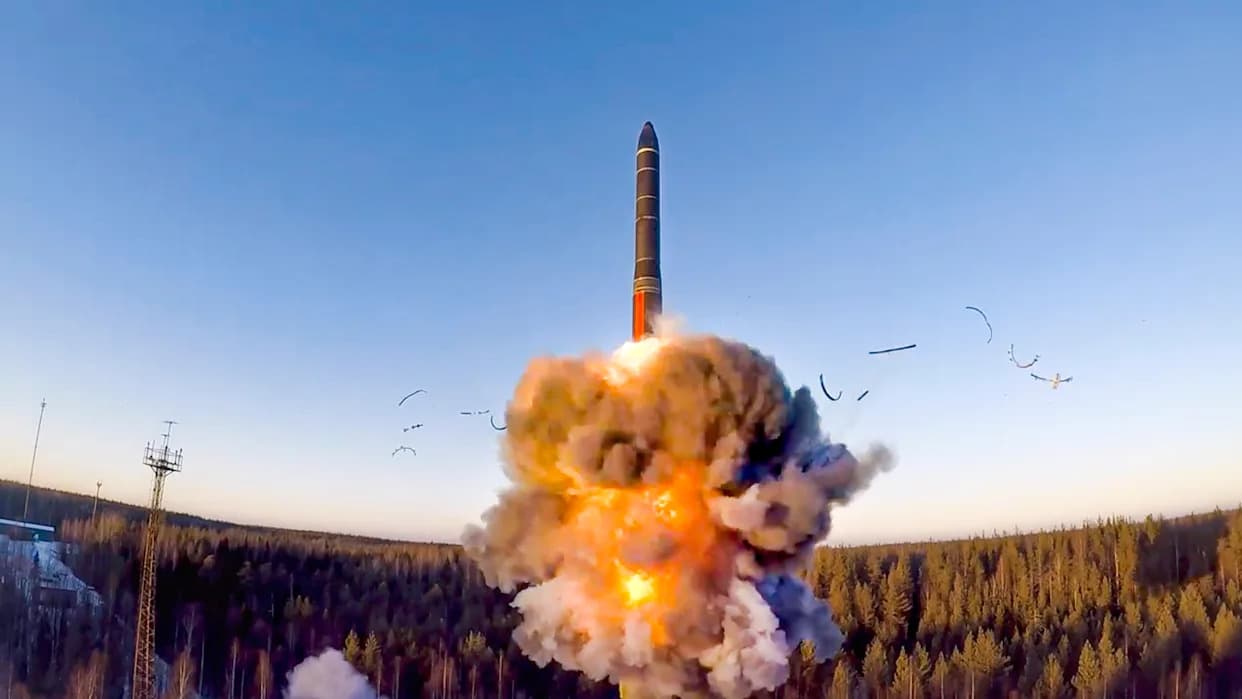
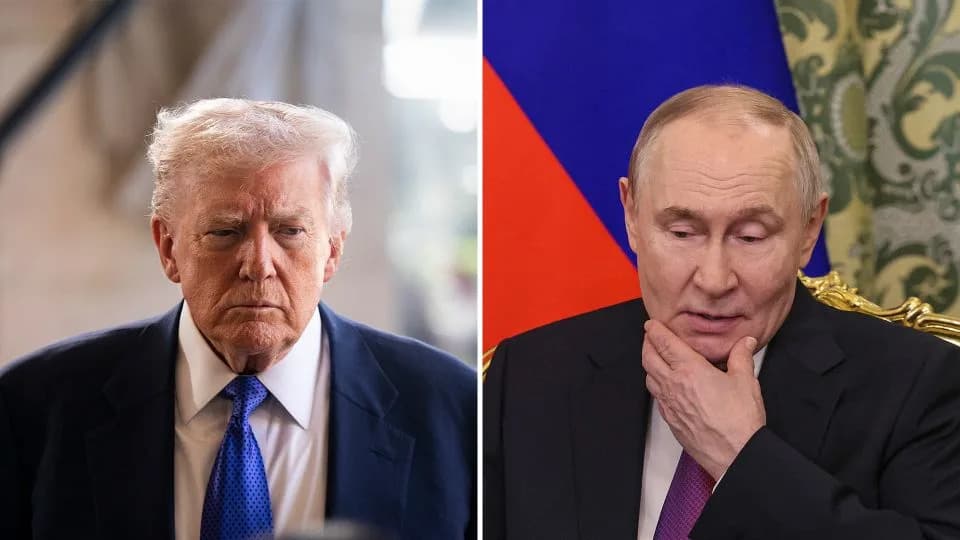
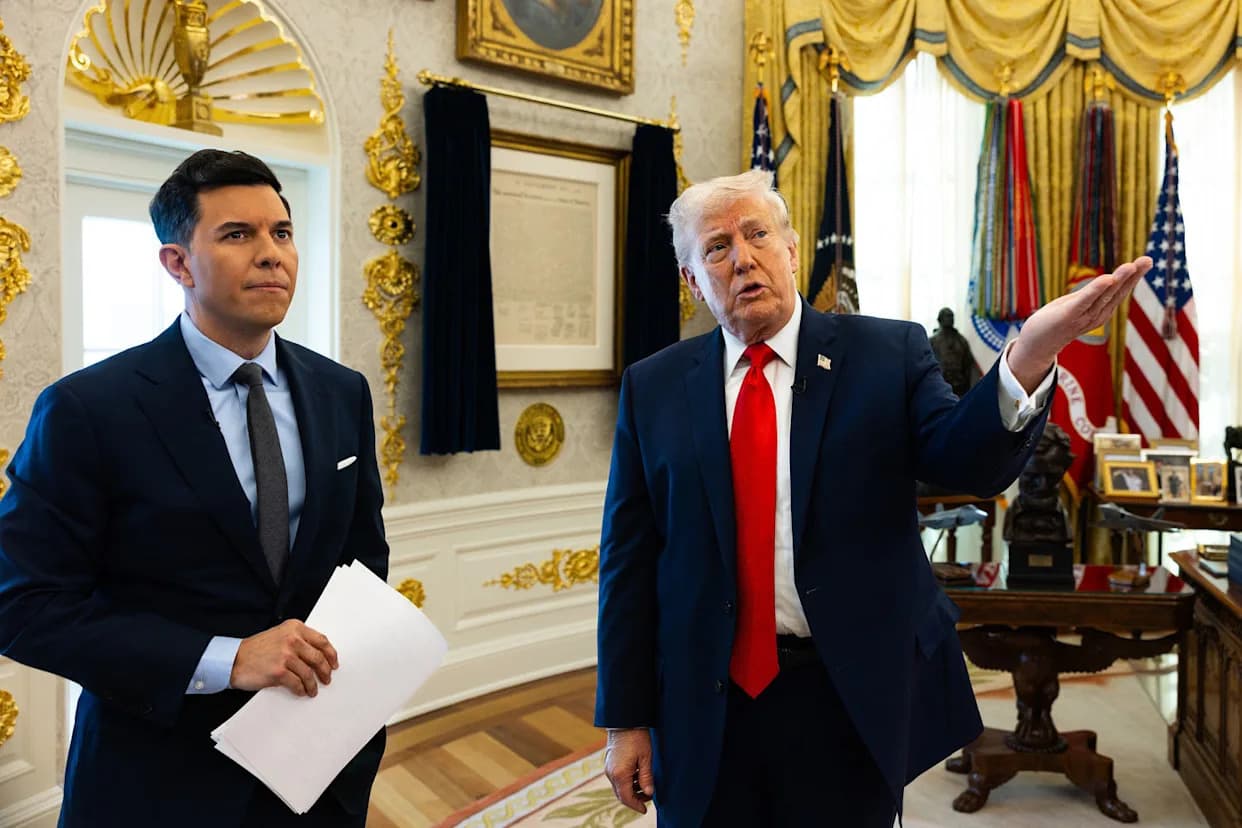
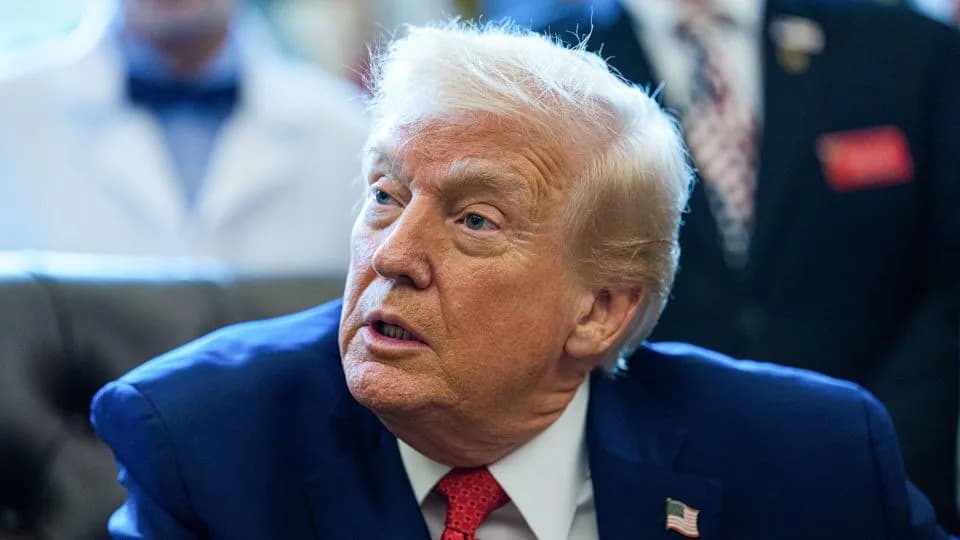
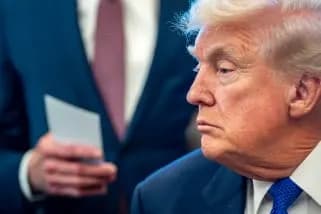
President Donald Trump announced Thursday that he will allow the New START treaty—the last bilateral arms-control agreement limiting U.S. and Russian strategic nuclear forces—to lapse and has directed his administration to pursue a replacement.
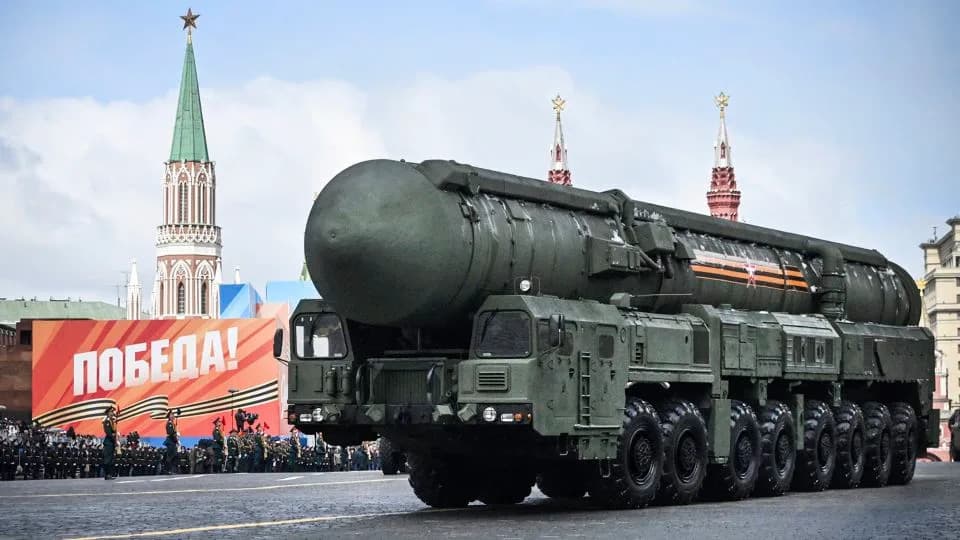
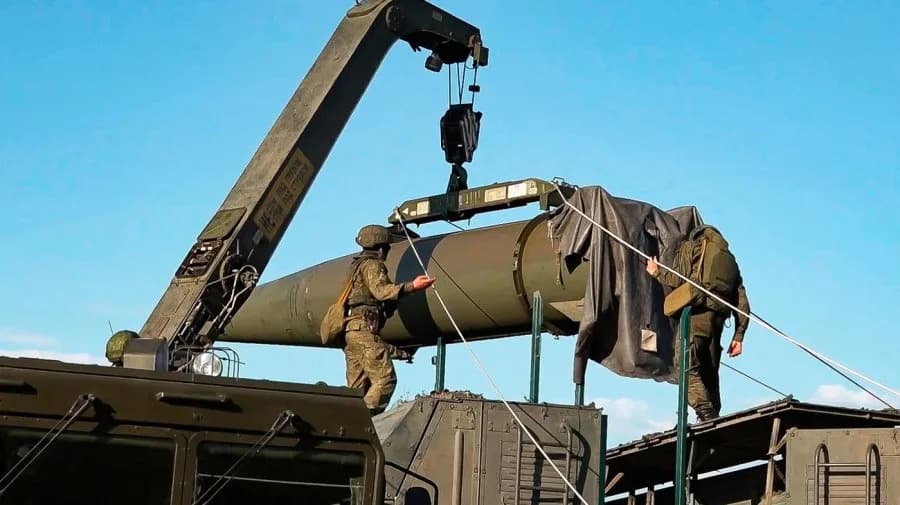
The treaty expired at midnight. New START had imposed verifiable caps on deployed strategic bombers, intercontinental ballistic missiles (ICBMs) and deployed warheads, and it relied on on-site inspections and regular data exchanges to confirm compliance.
Trump's Statement
In a post on Truth Social, the president said he would not extend the pact and urged U.S. nuclear experts to negotiate "a new, improved, and modernized Treaty that can last long into the future." He also criticized the existing accord as "badly negotiated" and accused others of violating it.
"Rather than extend 'NEW START' (A badly negotiated deal by the United States that, aside from everything else, is being grossly violated), we should have our Nuclear Experts work on a new, improved, and modernized Treaty that can last long into the future."
Outstanding Issues And International Responses
Russia suspended key treaty obligations in 2023 and halted inspections and data exchanges. Earlier this year Moscow proposed a one-year stopgap measure that would have preserved numerical limits but removed on-site inspections and weakened verification — a proposal U.S. officials regarded as insufficient.
The Pentagon has conducted internal planning meetings for months about a post-New START environment, but officials have not publicly detailed those discussions.
Negotiating a successor likely will be difficult. Russian President Vladimir Putin has insisted that Britain and France — Europe's only nuclear-armed states — be included in any new arrangement. U.S. defense analysts also assess that China is unlikely to accept limits on its expanding nuclear arsenal, complicating efforts to negotiate a multilateral accord.
Verification And Next Steps
Experts warn that without robust verification mechanisms — including on-site inspections, timely data sharing and agreed technical measures — any future treaty will be harder to enforce and less credible. The lapse of New START removes the last formal, verifiable constraints on the size of the world's two largest nuclear arsenals.
What Comes Next: The administration has signaled interest in a broader, more modern treaty, but substantial diplomatic work, technical verification arrangements and likely congressional engagement will be required before a successor can be negotiated and implemented.
Help us improve.