DNA from two 7,000‑year‑old Takarkori mummies reveals a previously unknown North African lineage that split from Sub‑Saharan groups early and remained largely isolated. The Takarkori individuals are genetically close to 15,000‑year‑old Taforalt foragers but show much lower Neanderthal ancestry than Taforalt while still exceeding levels seen in many Sub‑Saharan groups. Researchers find limited gene flow across the Green Sahara and minor Levantine farmer admixture, concluding that pastoralism likely spread by cultural diffusion rather than mass migrations.
7,000-Year-Old Sahara Mummies Reveal a Previously Unknown North African Ancestry

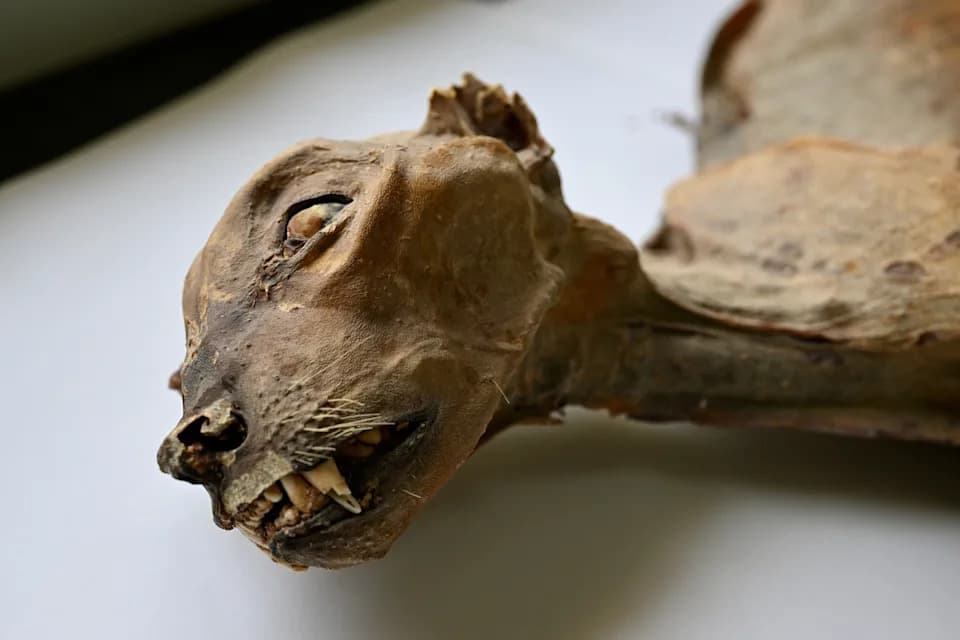
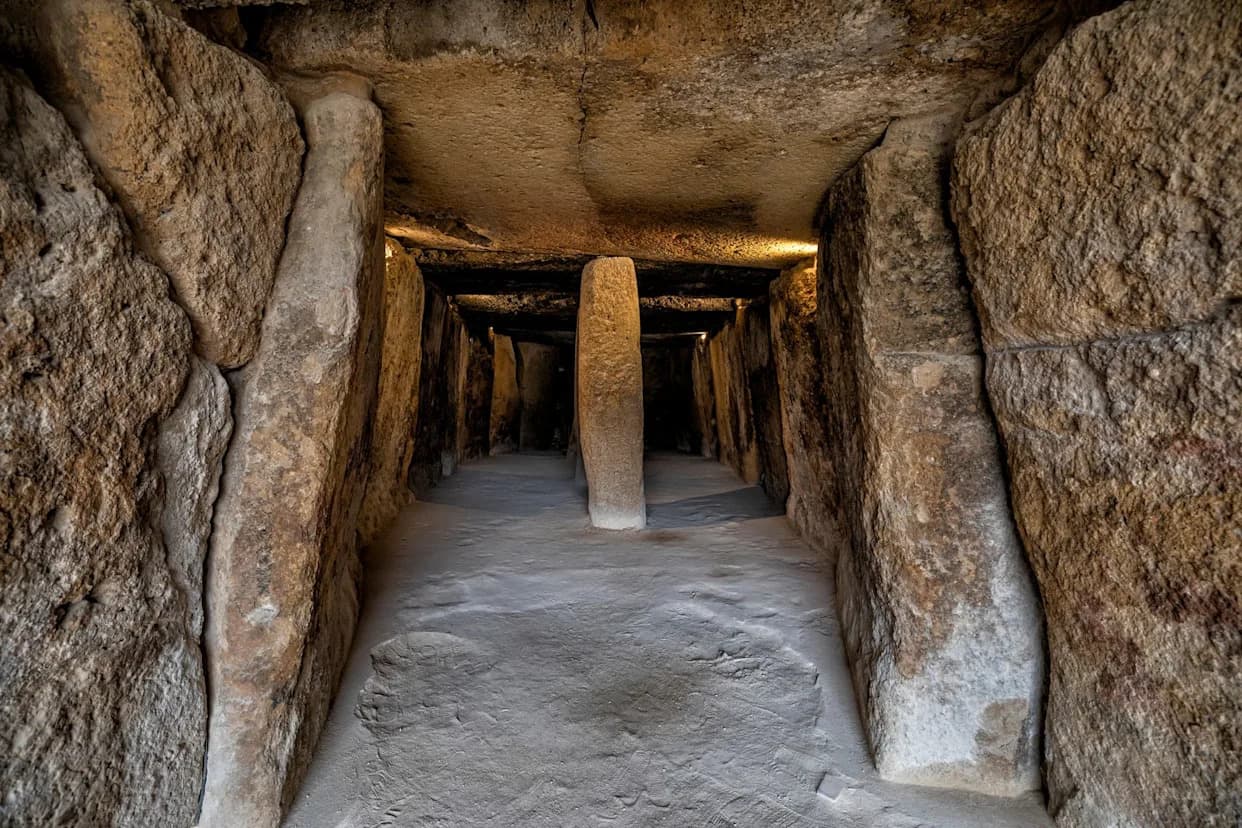
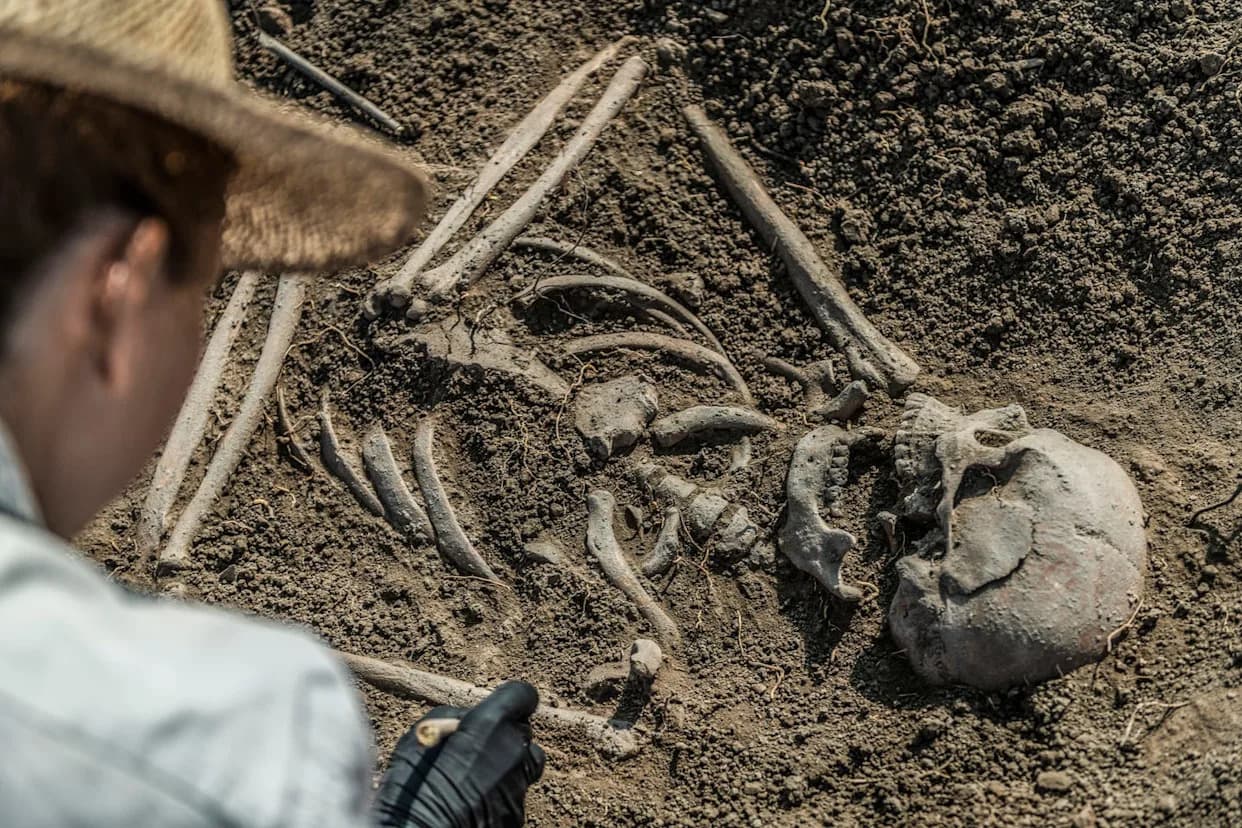
Scientists Found Mummies with Different DNATomekbudujedomek - Getty Images
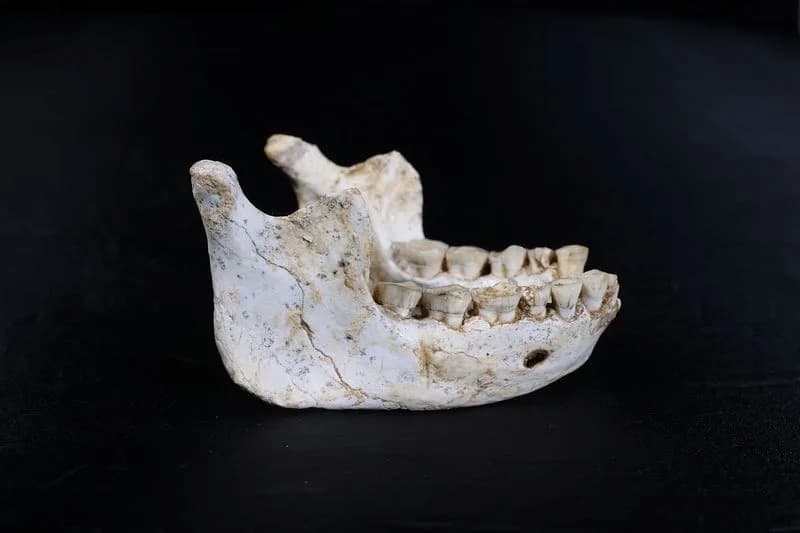
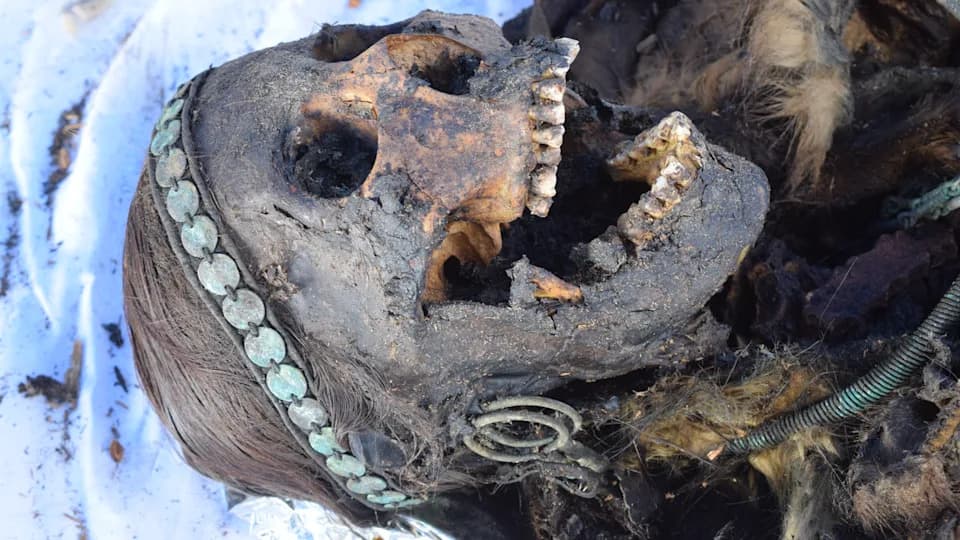
Two naturally preserved 7,000‑year‑old mummies from the Takarkori rock shelter in the central Sahara belong to a previously unrecognized North African genetic lineage, researchers report. Genetic analysis of the remains — Neolithic female herders from the Green Sahara era — shows they carried little of the Sub‑Saharan ancestry scientists had expected and instead trace most of their ancestry to a deeply divergent North African group.
Ancient DNA Shines Light on a Hidden Lineage
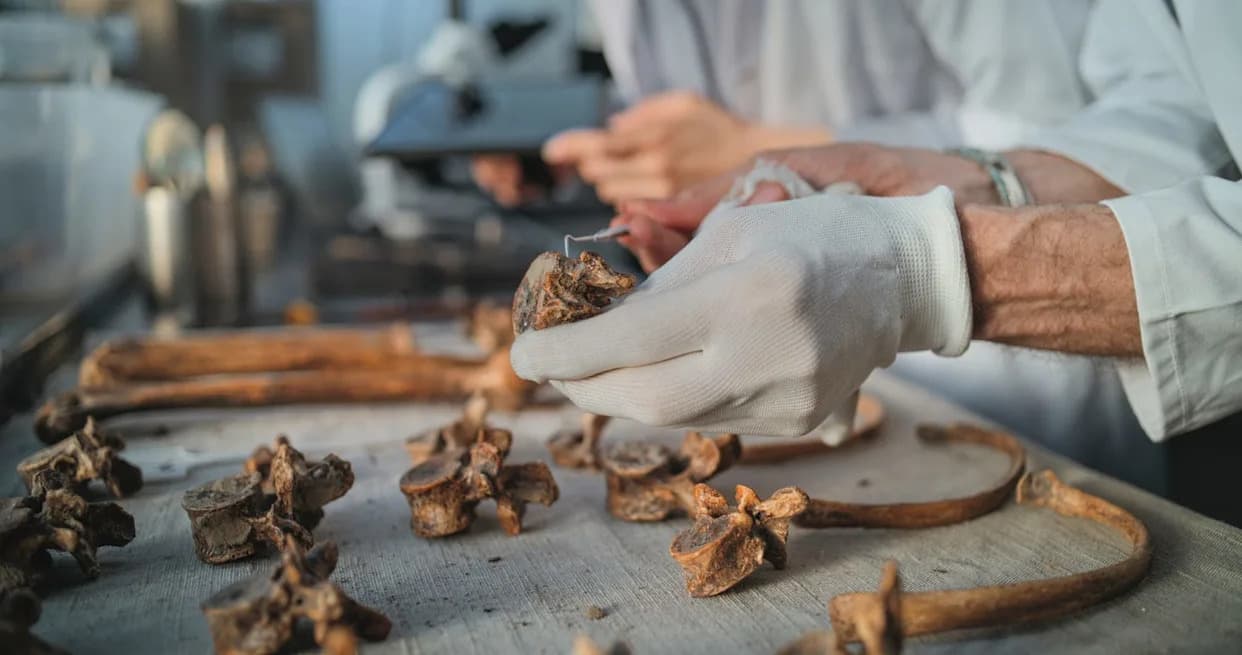
A team led by archaeogeneticist Nada Salem at the Max Planck Institute for Evolutionary Anthropology analyzed fragmented ancient DNA recovered from two naturally mummified individuals excavated at Takarkori in southwestern Libya. DNA preservation in arid regions is often poor, yet the sequences recovered were sufficient to reveal surprising connections and long periods of isolation.
“The majority of Takarkori individuals’ ancestry stems from a previously unknown North African genetic lineage that diverged from sub‑Saharan African lineages around the same time as present‑day humans outside Africa and remained isolated throughout most of its existence,” the authors write in a study published in Nature.
Connections And Contrasts Across Northern Africa
The Takarkori individuals are genetically closest to much older foragers from Taforalt Cave in Morocco (about 15,000 years old). Both lineages show approximately the same genetic distance from Sub‑Saharan groups dating to earlier periods, suggesting limited gene flow between northern and Sub‑Saharan Africa during much of the late Pleistocene and early Holocene.
However, Neanderthal ancestry levels differ markedly between these groups. Taforalt individuals retain roughly half the Neanderthal ancestry typical of non‑African populations. The Takarkori samples show substantially lower Neanderthal signal — on the order of an order of magnitude less than Taforalt — but still appear to carry more Neanderthal ancestry than many contemporary Sub‑Saharan groups. The study also detects traces consistent with modest admixture from Levantine farmers in the Takarkori genomes.
Implications For How Pastoralism Spread
One major implication of the findings is that livestock herding and related practices may have spread across parts of North Africa through cultural diffusion rather than large‑scale population replacement. Salem and colleagues argue that pastoralism was adopted by a deeply divergent, isolated North African lineage that likely persisted across northern Africa through the late Pleistocene and into the Holocene.
Archaeological evidence indicates the ancestors of the Takarkori were originally hunter‑gatherers who developed pottery, baskets and tools from wood and bone and who became more sedentary over time. The ecological diversity of the Green Sahara — lakes, wetlands, woodland patches, grasslands and mountain niches — may have created natural barriers that limited interaction and gene flow among neighboring groups, helping to preserve distinct lineages.
What’s Next?
These Takarkori genomes add an important piece to the puzzle of early North African population history but also highlight how much remains unknown. The Sahara’s sands likely conceal more burials and artifacts that could clarify when, how and between whom ideas and genes moved across the region before aridification reshaped the landscape.
Study citation: Nada Salem et al., Nature (study on Takarkori ancient DNA). Additional fieldwork and ancient DNA sampling across North Africa will be essential to test and refine these conclusions.
Help us improve.