While the Pesse canoe (c. 8000 B.C.) is the oldest preserved boat, genetic and archaeological evidence points to watercraft use by humans at least 50,000–60,000 years ago, when people reached Australia. Some contested finds from Crete and compelling tool evidence from Flores and Sulawesi suggest possible seafaring hundreds of thousands to over a million years ago, though accidental rafting remains an alternative explanation. Researchers propose fishing, transport, and exploration as likely motives for early water travel.
When Were Boats Invented? From the Pesse Canoe to Million‑Year‑Old Claims
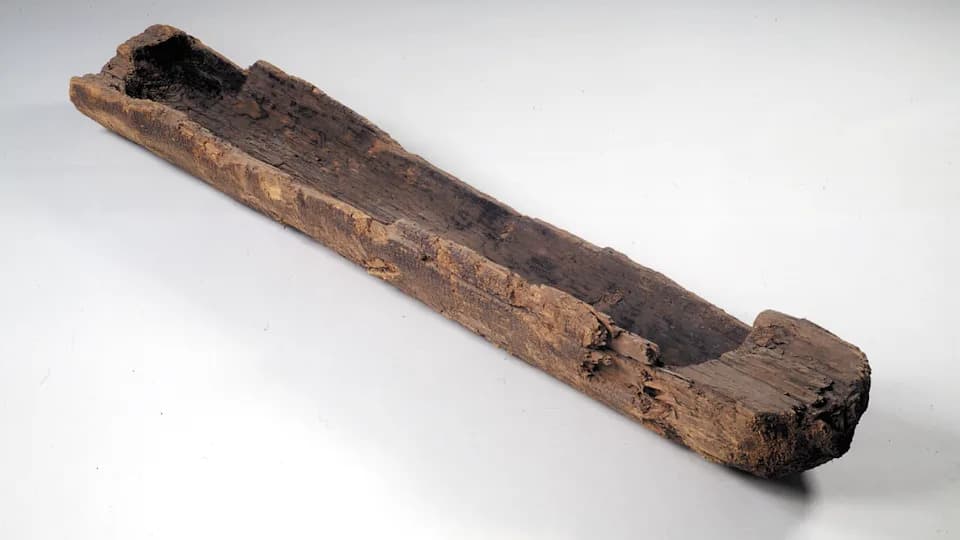
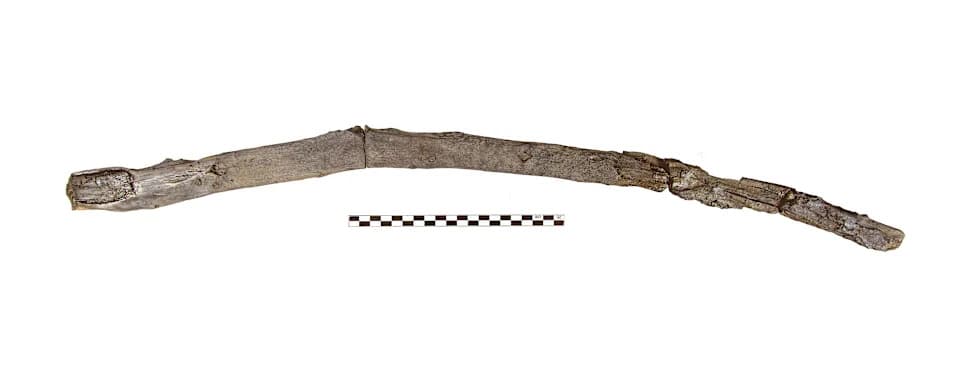
The Pesse canoe is the oldest physical boat ever found. It dates to between 8250 and 7550 B.C. and is kept at theDrents Museum. | Credit: Drents Museum; CC BY-NC 4.0
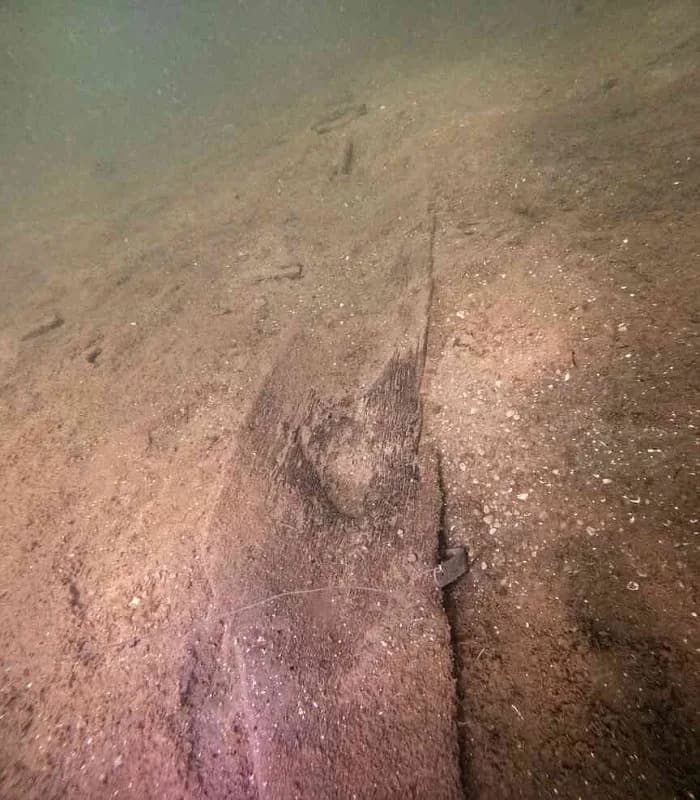
Around 8000 B.C., a canoe carved from a single pine log came to rest in what is now the Netherlands. Discovered in 1955 in a peat bog near the village of Pesse, the roughly 10‑foot (3 m) vessel—known as the Pesse canoe—is the oldest preserved physical boat artifact we have.
Evidence That Seafaring Is Much Older
Physical remains like the Pesse canoe set a clear minimum age for boats, but multiple lines of indirect evidence suggest humans were using watercraft far earlier. Many researchers argue that some form of seafaring must have existed when Homo sapiens first reached Australia.

The words 'Life Little Mysteries' over a blue background
Genetic and archaeological data: Mikael Fauvelle, associate professor of archaeology at Lund University, notes that archeological finds and genetic models indicate humans were in modern‑day Australia between about 50,000 and 65,000 years ago. A genomic study that analyzed nearly 2,500 genomes from ancient and contemporary Aboriginal peoples modeled population splits and supported settlement of northern Australia at roughly 60,000 years ago. That timing aligns with stone tools and pigment finds at Australian sites, implying open‑ocean crossings and some form of watercraft by at least ~50,000 years ago.
More Controversial, Much Earlier Claims
There are more contested claims that push seafaring back by hundreds of thousands — even more than a million — years, which would place maritime activity before Homo sapiens.

It's thought that ancient humans voyaged on boats from Southeast Asia to Australia between 50,000 and 65,000 years ago. | Credit: By Arip Rahman 27/Shutterstock
Crete: Paleolithic stone tools found on Crete have been dated, based on their find context, to at least 130,000 years ago. If those dates hold up, they imply deliberate sea crossings because Crete has been an island for millions of years. However, many archaeologists caution that these are surface finds lacking absolute radiometric dates and context that would make the case stronger.
Indonesia (Flores and Sulawesi): A series of studies led by Michael Morwood and others have dated stone tools on Flores to roughly 800,000 years ago, with subsequent work suggesting artifacts at another Flores site may be about 1.02 million years old. A team publishing in Nature reported stone tool fragments on Sulawesi implying toolmaking at least 1.04 million years ago. These results are robust in many researchers' views, but they raise the question of how hominins reached these islands.
John Cherry (Brown University) argues that accidental rafting—vegetation mats or chunks of land carried offshore by floods and currents—could explain early island colonization without requiring deliberate seafaring technologies.
Why Go to Sea?
Scholars offer several reasons ancient people may have experimented with watercraft. Fauvelle emphasizes abundant aquatic food resources: lakes, rivers, estuaries, and coastal areas provide fish, shellfish, and other foods that could encourage simple boat use. Boats are also effective for transporting heavy loads—animal carcasses, flint, obsidian, and household goods—and for enabling family groups to relocate. Finally, curiosity and exploration are recurring themes in human history; boats often facilitated long‑distance movement into new regions.
Where the Debate Stands
The archaeological and genetic record gives us a corroborated minimum for seafaring by Homo sapiens (roughly 50,000–60,000 years ago). Claims for much earlier maritime activity are intriguing and sometimes well‑supported, but they remain debated because of dating uncertainties, find context, and the possibility of accidental rafting. Continued excavations, improved dating techniques, and interdisciplinary study—combining archaeology, genetics, paleoenvironmental science, and experimental work—will be essential to refine the timeline of humanity's first voyages.
Help us improve.