Newly dated figurative cave paintings and hand stencils in Sulawesi and Borneo are at least 67,800 years old, making them some of the oldest known. The findings—published in Nature—push back regional dates by about 15,000 years and strengthen evidence that early humans could have island-hopped across Wallacea to Australia by ~65,000 years ago. Experts say the art points to sophisticated prehistoric behavior, though some researchers caution that other hominins may also explain the imagery.
Oldest Figurative Cave Art in Indonesia Dated to ≥67,800 Years, Rewriting Early Migration Stories
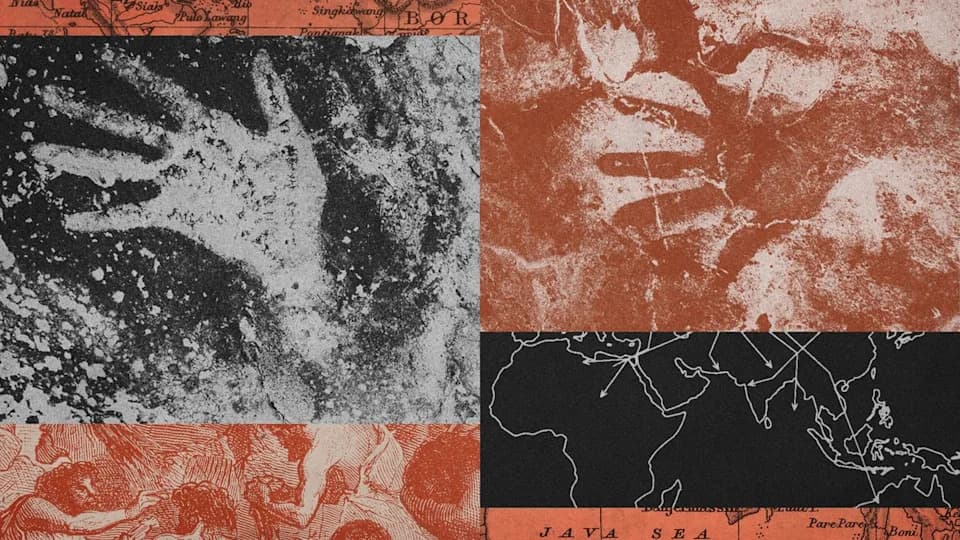
There may be more to the story of rock art than once realized. | Credit: Illustration by Stephen Kelly / Getty Images
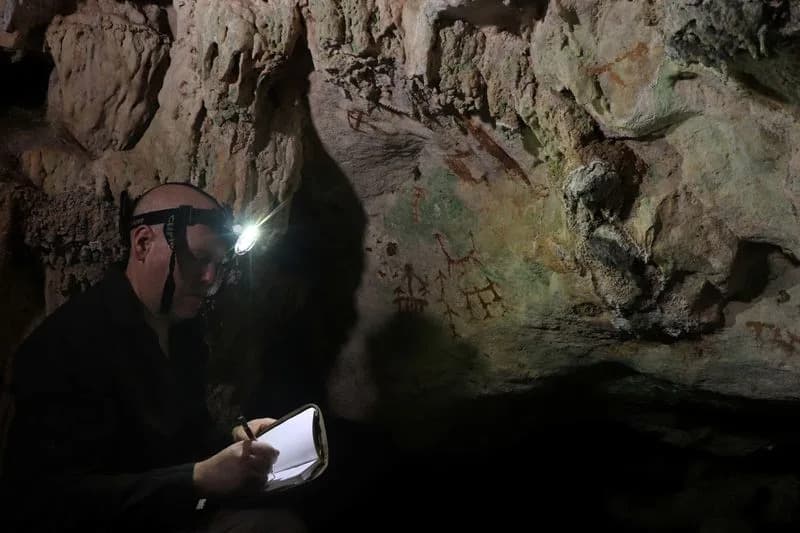
The recent identification and dating of figurative rock paintings and hand stencils on the Indonesian islands of Sulawesi and Borneo offers a rare window into deep human history. Published in Nature, the new findings place some of the artwork at least 67,800 years old—making these among the oldest known figurative cave paintings on Earth.
What Was Found
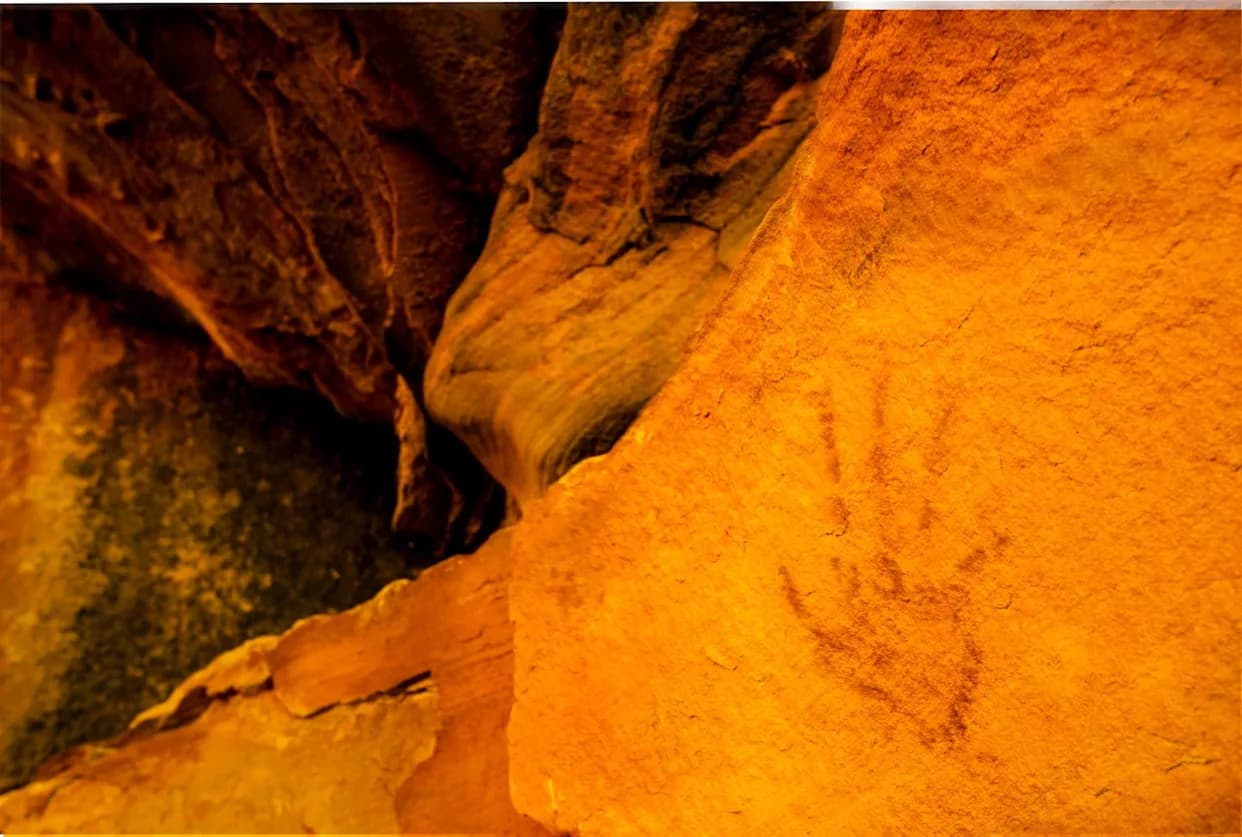
Researchers discovered figurative imagery and hand stencils on caves in the Wallacea region. The Sulawesi panels in particular have been dated to at least 67,800 years ago, predating earlier regional finds by roughly 15,000 years. Many of the hand motifs appear to have been produced by blowing pigment over hands placed against the rock surface; some stencils show modified fingertips that give a pointed appearance.
Why It Matters
These discoveries strengthen evidence that humans moving out of Africa between about 60,000 and 90,000 years ago developed maritime skills earlier than previously assumed. Several researchers suggest the art supports the idea that people were capable of island-hopping and open-water crossings across Wallacea toward Australia by around 65,000 years ago—an important piece of the migration puzzle for the settlement of Sahul (the combined Pleistocene landmass of Australia and New Guinea).
What Experts Say
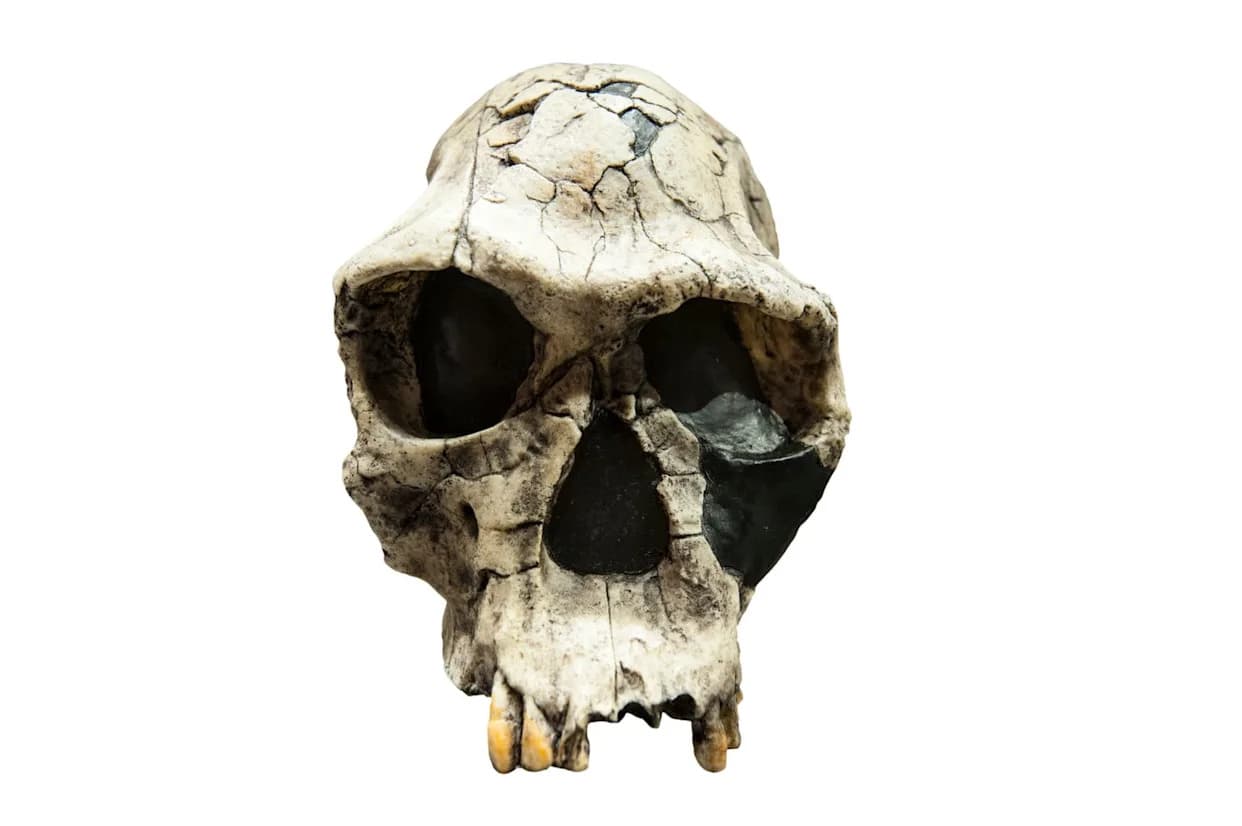
Co-authors of the study describe the panels as technically sophisticated and consistent with a deep, widespread artistic tradition rather than isolated instances of symbolic behavior. Maritime archaeologist Helen Farr noted the findings provide rare, well-preserved snapshots of activity from this deep time period. Meanwhile, some scholars urge caution: other hominin species were present in parts of Southeast Asia during the late Pleistocene, and attributing all such behavior unambiguously to Homo sapiens remains a topic of active debate.
Broader Implications
Beyond dating and migration, the panels add to mounting evidence that symbolic expression and complex cultural behavior were present in multiple regions of the world far earlier than classical Eurocentric models had suggested. Whether these images were made by early Homo sapiens or another humanlike species, they expand our understanding of prehistoric cognition, technology, and movement across maritime landscapes.
Bottom line: The Indonesian cave art pushes back the timeline for sophisticated figurative art in Southeast Asia and bolsters arguments that early populations had the maritime capabilities needed to traverse Wallacea toward Australia tens of thousands of years ago—while leaving room for scientific caution and further study.
Help us improve.