Key takeaway: President Trump favors quick, high-impact interventions, but military options against Iran are constrained and risky. Visible US force posture and Iran’s resilience limit the value of surprise or short strikes. Broader bombing or occupation would be costly and likely counterproductive; political off-ramps reduce headlines but not the underlying problems.
Trump Confronts a Weakened Iran — Limited Options, High Risk
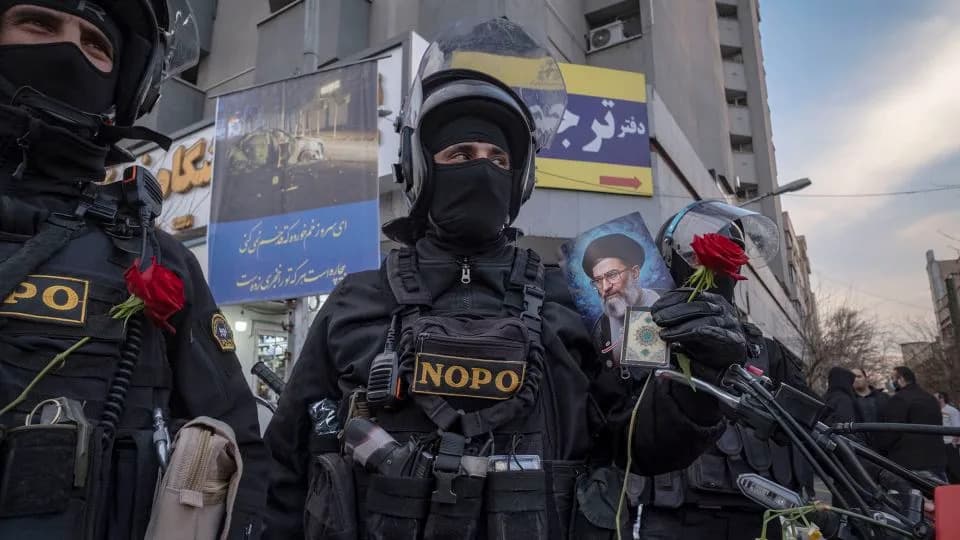
A member of Iran's police special forces looks on as he holds a portrait of Iran's Supreme Leader, Ayatollah Ali Khamenei, during a pro-Government rally in downtown Tehran, Iran, on January 12. - Morteza Nikoubazl/NurPhoto/Getty Images
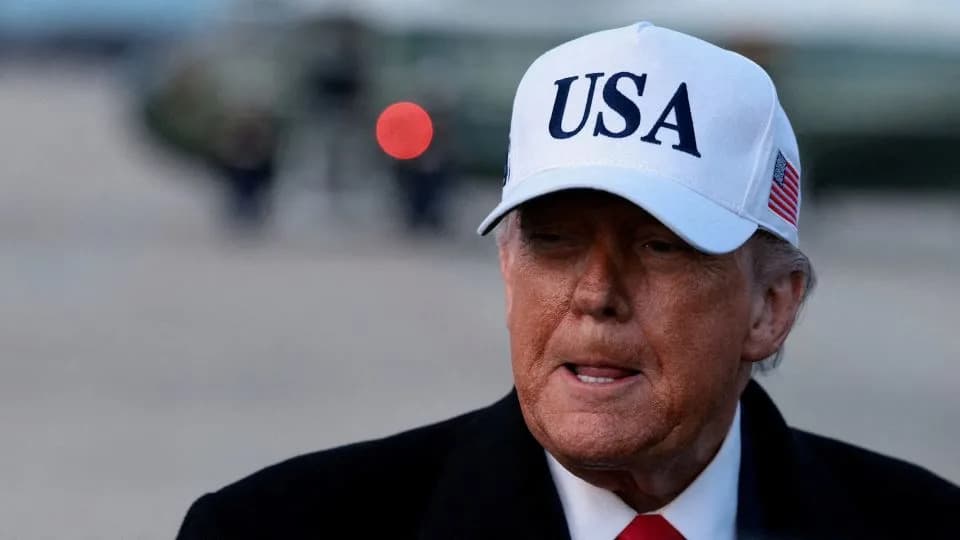
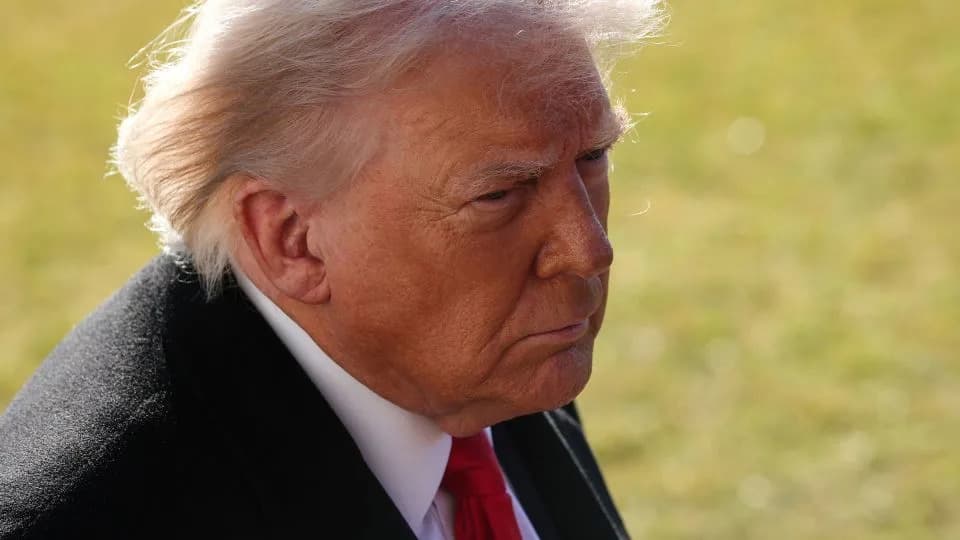
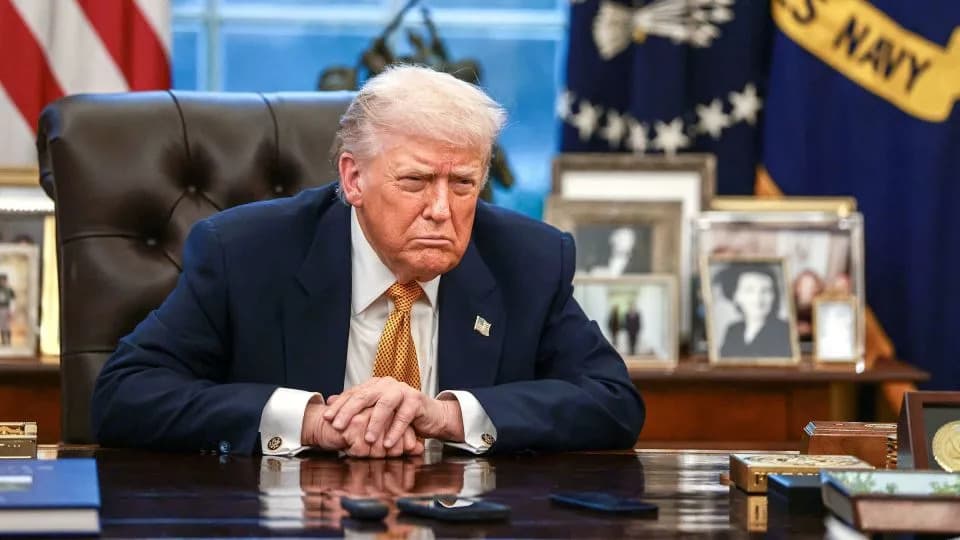
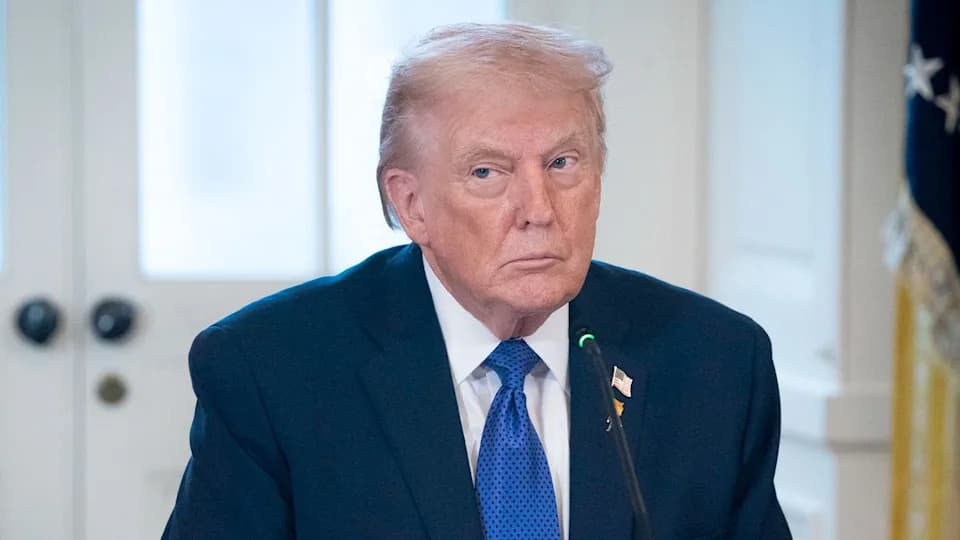
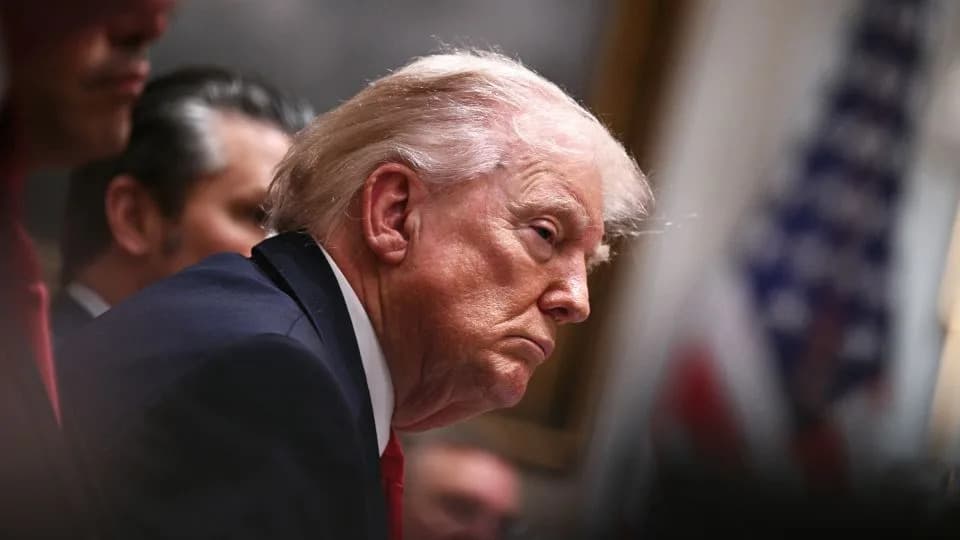
US President Donald Trump’s foreign-policy instincts favor quick, attention-grabbing actions over sustained commitments. That pattern — a preference for short, dramatic interventions and an appetite for spectacle — frames Washington’s current posture toward Iran, but it does not make a clean or easy choice more likely.
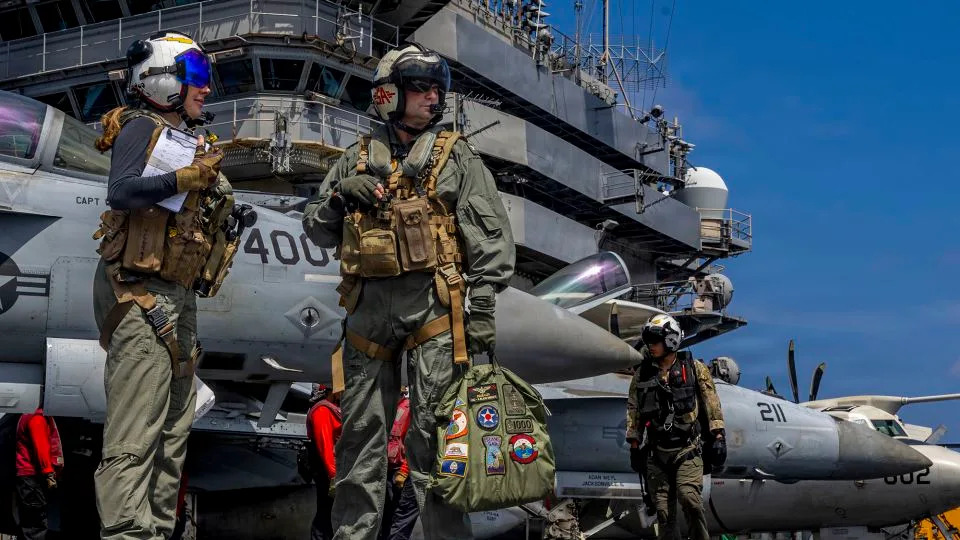
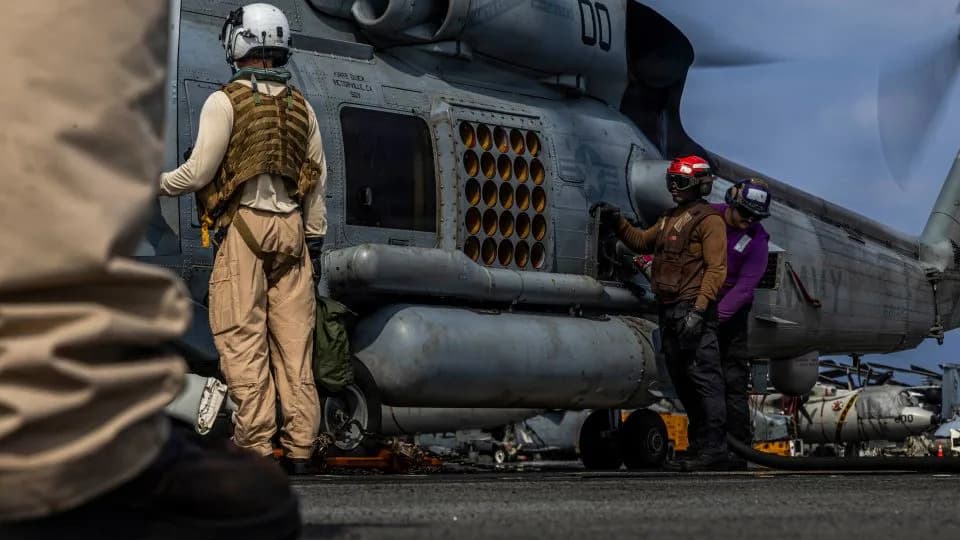
US Navy Captain Daniel Keeler, commanding officer of Nimitz-class aircraft carrier USS Abraham Lincoln, prepares to fly an MH-60R Sea Hawk helicopter on January 23. - Seaman Daniel Kimmelman/US Navy
Visible Buildup, Diminished Surprise
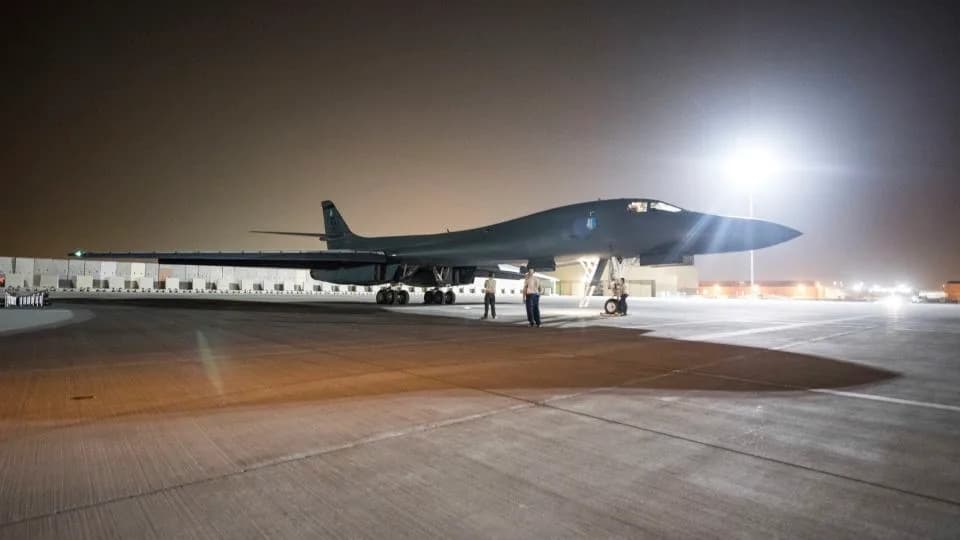
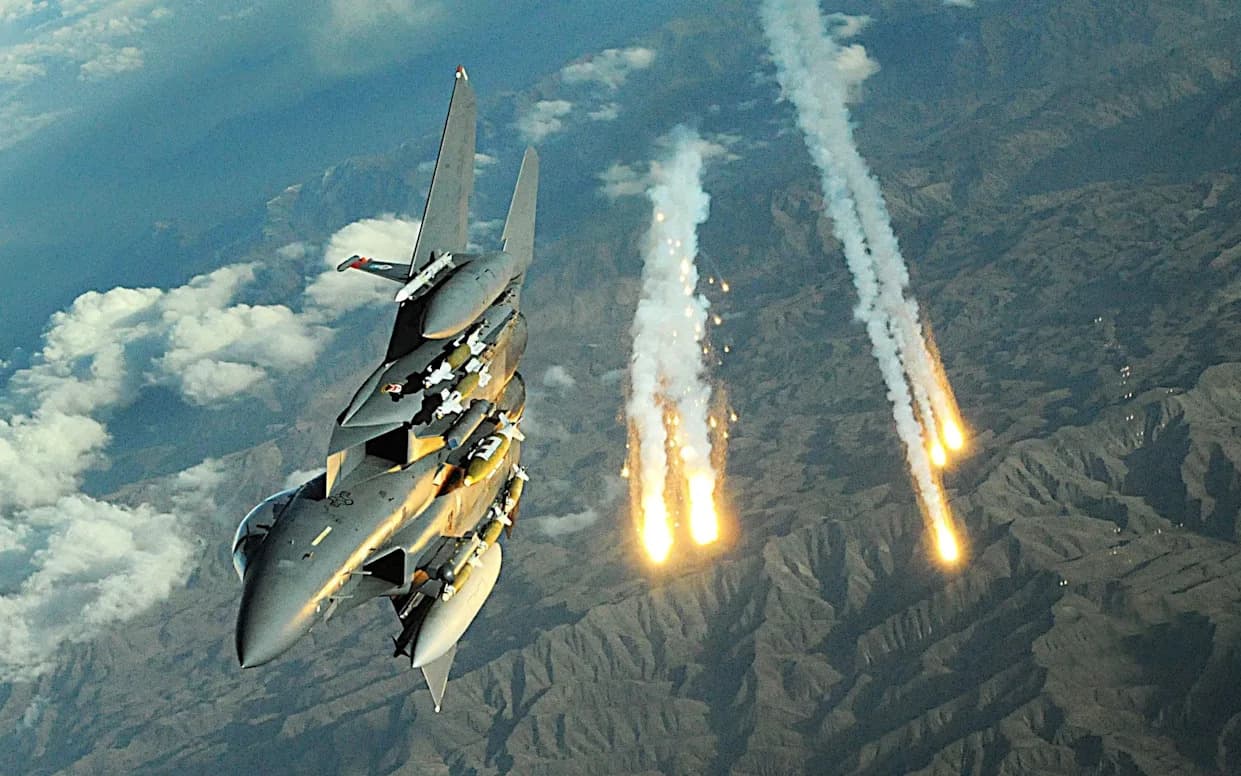
The concentration of US naval assets around Iran has been conspicuous and trackable. Mr. Trump has signaled the possibility of military action for roughly three weeks after posting messages such as “HELP IS ON ITS WAY” and canceling talks in response to Tehran’s crackdown on protesters. Earlier operations the administration pointed to as successes involved multiple carrier strike groups in the region; today the US presence is still significant but plainly visible to open-source monitoring. That transparency has reduced any hope of surprise, though Iran has also been on heightened alert for many months following prior conflicts in the region.
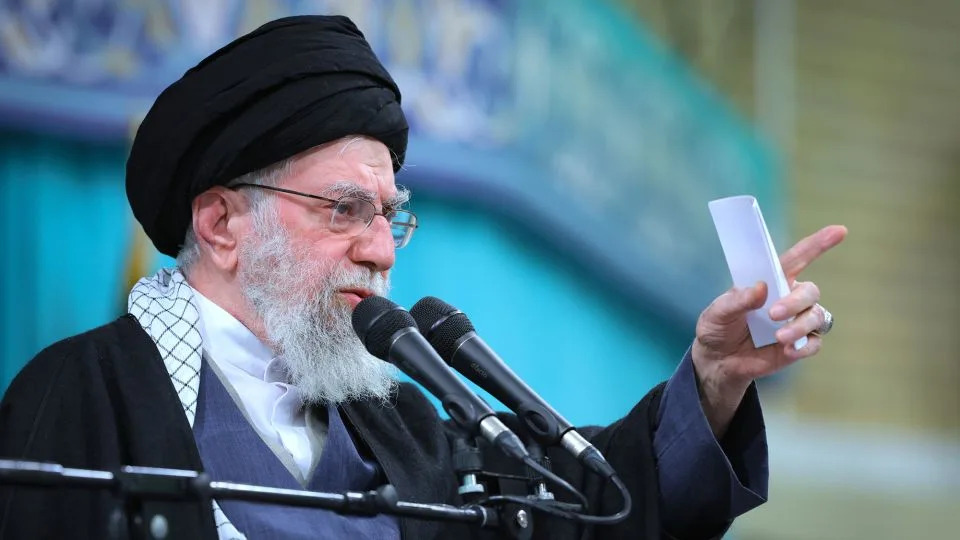
Supreme Leader Ayatollah Ali Khamenei addresses a meeting, in Tehran, Iran, on January 17. - Office of the Iranian Supreme Leader/AP
Short, Precise Strikes Fit the Pattern — But Carry Risks
The administration’s most politically satisfying military options are limited, precise attacks that create a news-cycle moment: targeted strikes on leadership figures, a narrowly scoped raid on military or nuclear infrastructure, or a single, demonstrative strike intended to deter retaliation. These options are attractive because they can be executed quickly and create an image of decisive action.
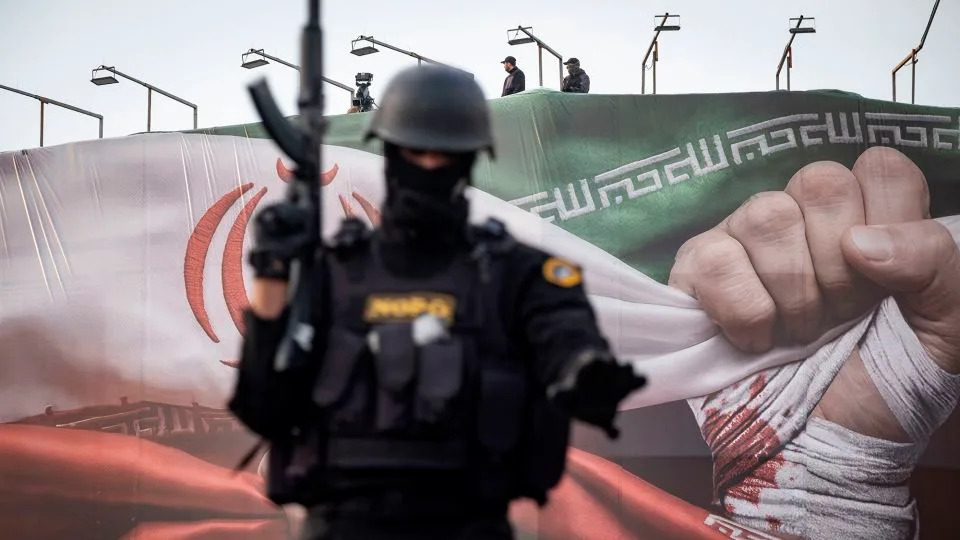
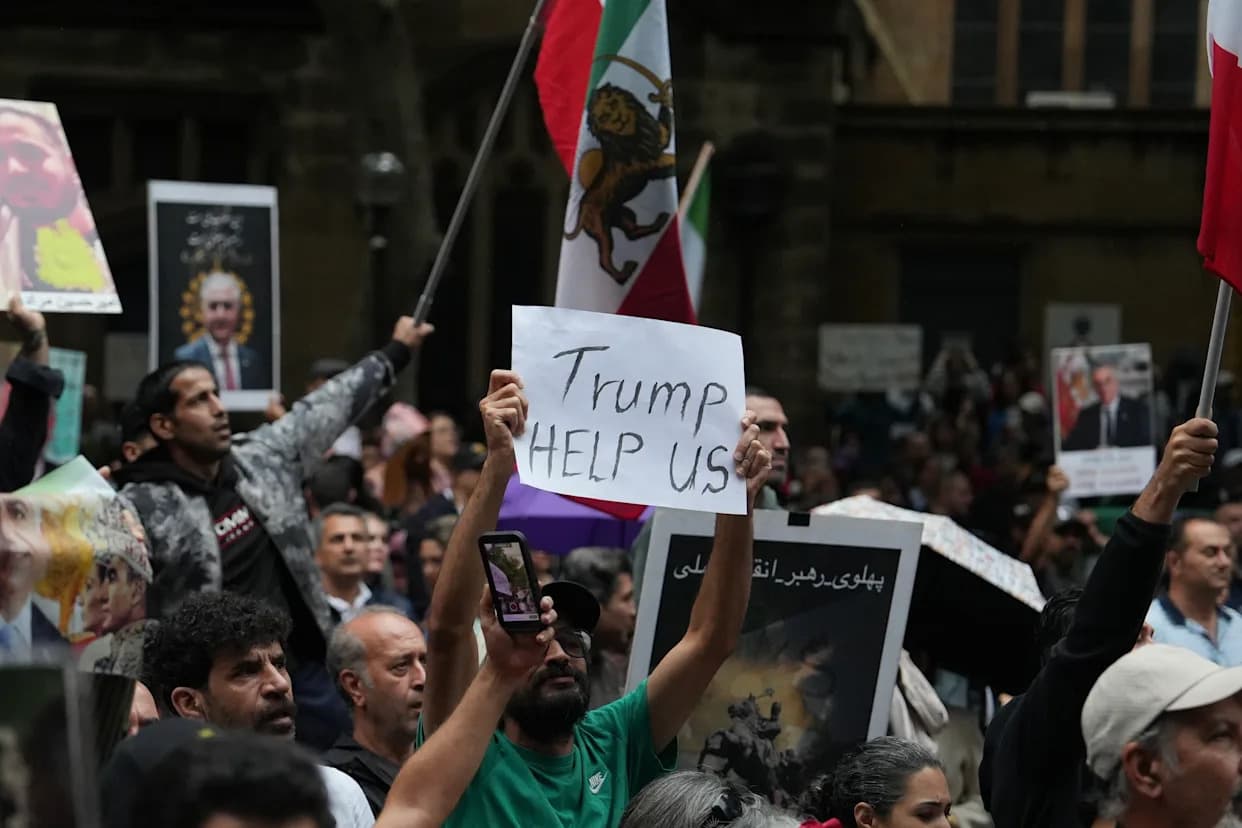
Armed members of Iran's police special forces monitor the area during a pro-Government rally in downtown Tehran, Iran, on January 12. - Morteza Nikoubazl/NurPhoto/Getty Images
But such strikes have important limitations. Removing a single leader rarely dismantles an entrenched system; a successor is likely to consolidate power and may even adopt a harder line. Striking nuclear-related sites again risks undermining earlier claims of success, and a broader series of strikes quickly loses precision and risks civilian casualties — fueling the very anti-American sentiment the US might hope to weaken.
Why a Larger Campaign Is Unlikely — And Dangerous
Sustained bombardment or a ground invasion would require resources, political will, and a long-term plan the administration has shown little appetite for. Prolonged campaigns degrade accuracy, increase civilian harm, and can entrench popular support for the targeted regime. Moreover, Iran’s leadership is likely to prioritize regime survival and is prepared to close ranks rather than surrender.
Political Options Are Narrow
Outside of military action, the remaining option is to step back politically — an off-ramp that reduces immediate tensions but does not resolve core disputes. Avoiding escalation can succeed at shifting headlines, but it rarely produces a durable solution without accompanying diplomacy or leverage. For an administration that often treats spectacle as policy, stepping away from confrontation may be politically unattractive even when it is strategically sound.
Conclusion
Mr. Trump faces a weakened adversary in Tehran in some military respects, but the strategic choices remain constrained and hazardous. A limited strike might satisfy a short-term demand for action, yet any miscalculation — including retaliatory attacks that kill American personnel — could drag the US into a prolonged and costly entanglement. The balance of risks suggests that caution, allied diplomacy, and clear political objectives would be necessary to avoid a costly slide from headline-grabbing action to long-term conflict.
Help us improve.