A senior Gulf official told Fox News that Saudi Arabia will not allow the U.S. to use Saudi airspace or bases for any strike on Iran, saying Washington has not shared clear objectives with its Gulf partners. Riyadh’s stance mirrors its position during the April 2024 Israel–Iran confrontation. The official welcomed continued U.S. cooperation on operations such as Operation Inherent Resolve but warned against involving Saudi territory in a war it is not part of. Gulf leaders say prior U.S. strikes degraded some Iranian nuclear capabilities, though an "off-ramp" remains possible if Tehran changes course.
Saudi Arabia Refuses U.S. Use Of Its Airspace Or Bases For A Strike On Iran, Senior Gulf Official Says
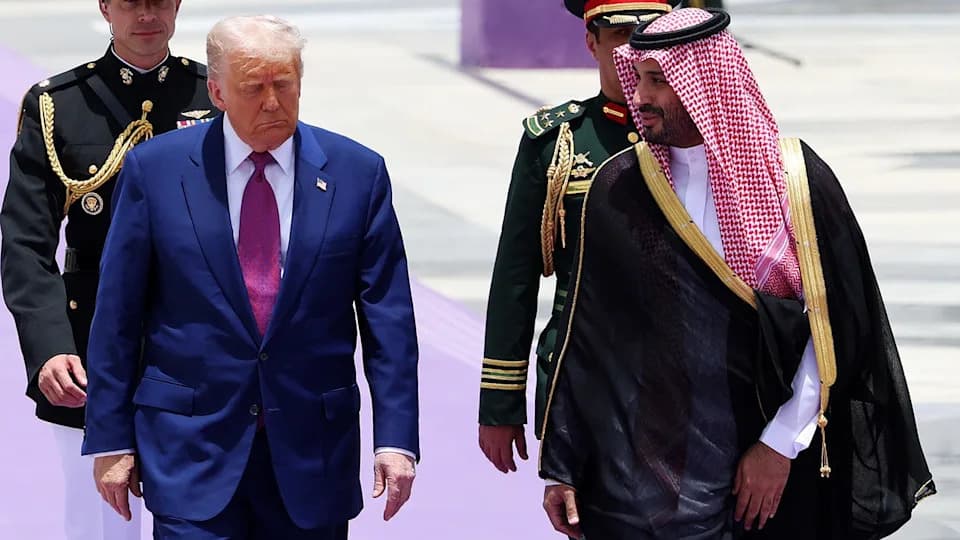
U.S. President Donald Trump walks with Saudi Crown Prince Mohammed bin Salman during an official state arrival ceremony at the Saudi Royal Court May 13, 2025, in Riyadh, Saudi Arabia(Getty Images)
A senior Gulf official told Fox News that Saudi Arabia will not permit the United States to use Saudi airspace or military bases for any strike on Iran as President Donald Trump considers possible military options.
The official, a high-ranking figure from a Gulf Cooperation Council (GCC) state, said Gulf partners have not been given clear objectives or plans by Washington regarding Iran despite recent high-level Saudi delegations visiting Washington to seek clarification.
"We said this as friends, [we] want to make sure they understand our position and our assessment in general. And we want to understand the U.S. assessment with as much clarity as possible,"
"I’d like to get full clarity, and we did not get there."
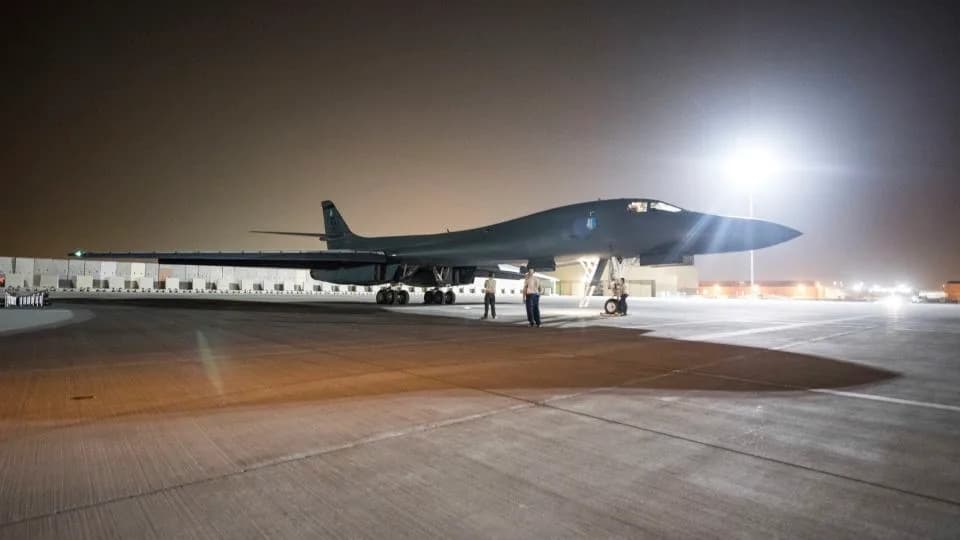
When asked about U.S. military movements that might signal preparations for a strike, the official said the U.S. plan would rely on routes or basing "other than using Saudi airspace."
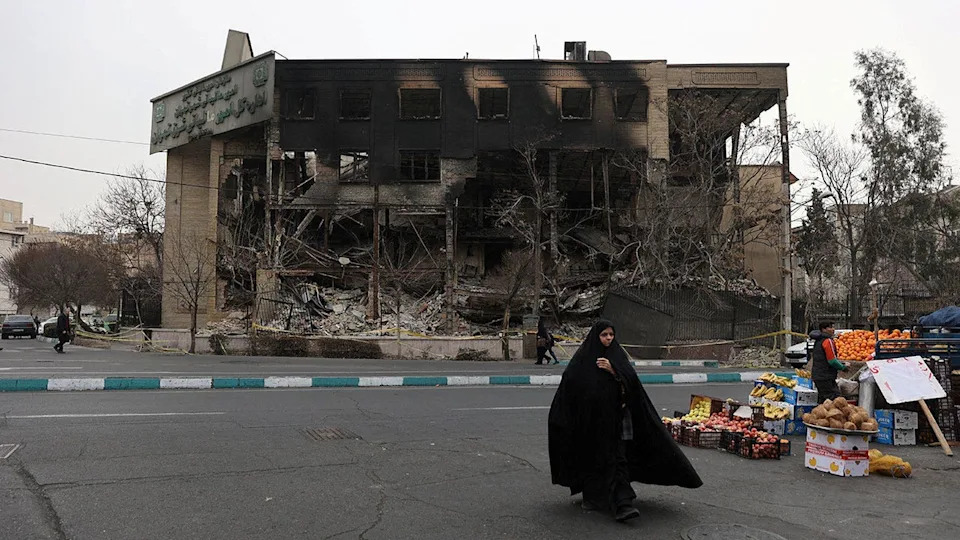
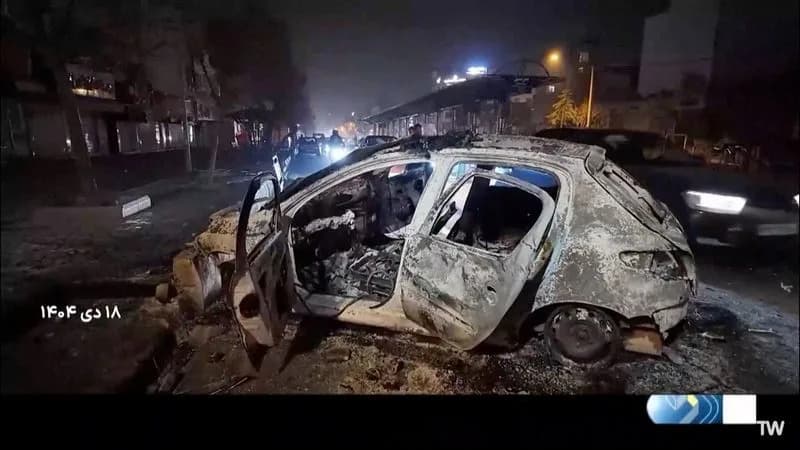
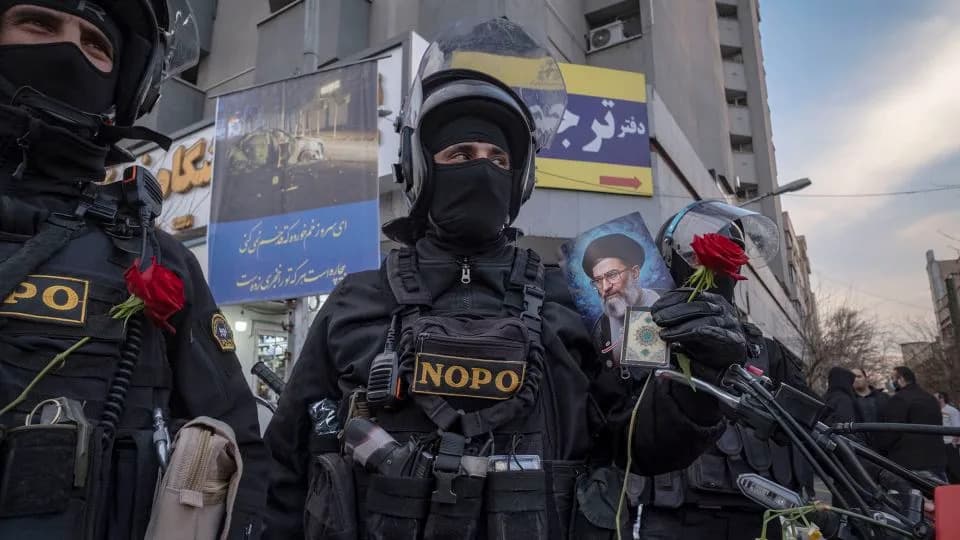
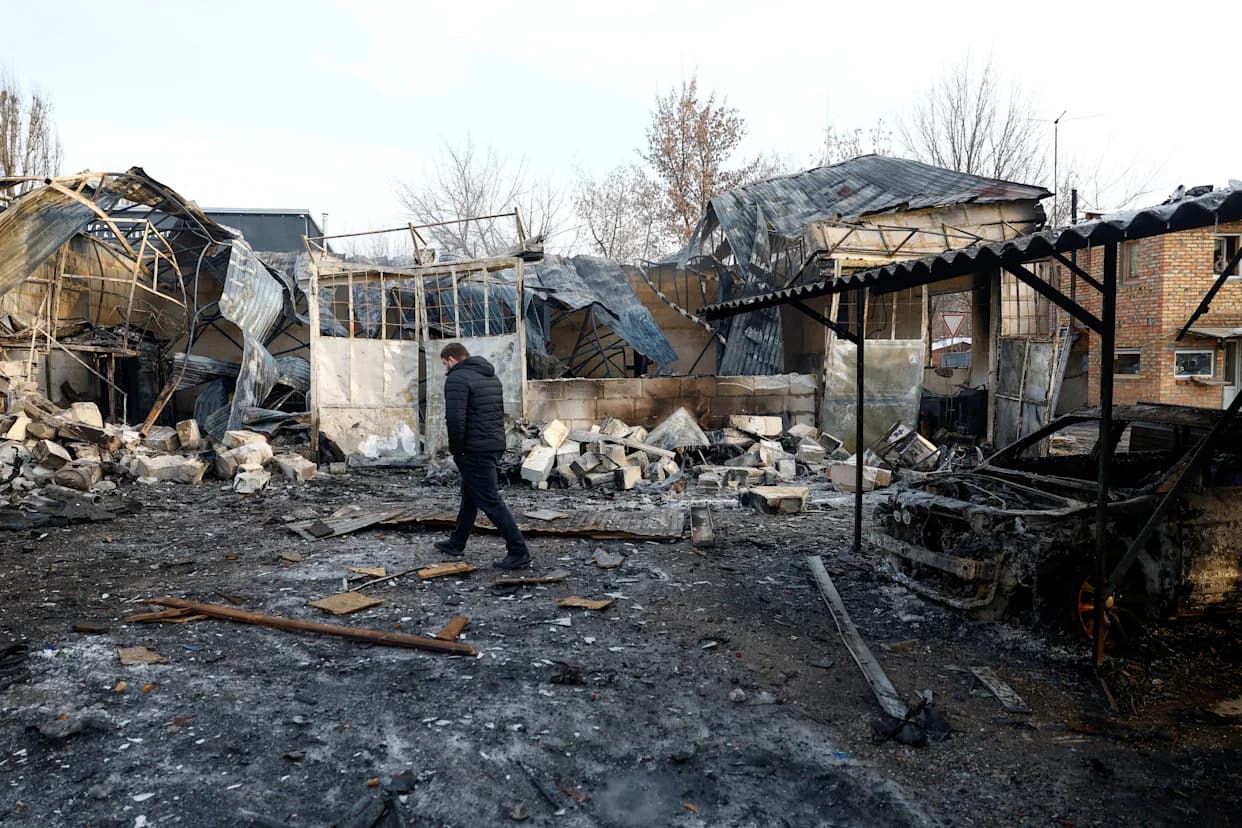
The state tax building burned during Iran's protests on a street in Tehran, Iran, Jan. 19, 2026.
The source emphasized that the United States remains welcome in Saudi Arabia for ongoing operations such as Operation Inherent Resolve, the U.S.-led campaign against ISIS, but that Riyadh's stance on allowing its territory to be used in conflicts has not changed.
The official noted Riyadh's position is "consistent" with its stance during the 12-day confrontation between Israel and Iran in April 2024 and reiterated:
"Saudi Arabia wouldn’t allow airspace to be used to target Israel, Houthis, [or] Iran. The position is the same now. Saudi Arabia wouldn’t allow airspace to be used in a war Saudi Arabia is not a part of."
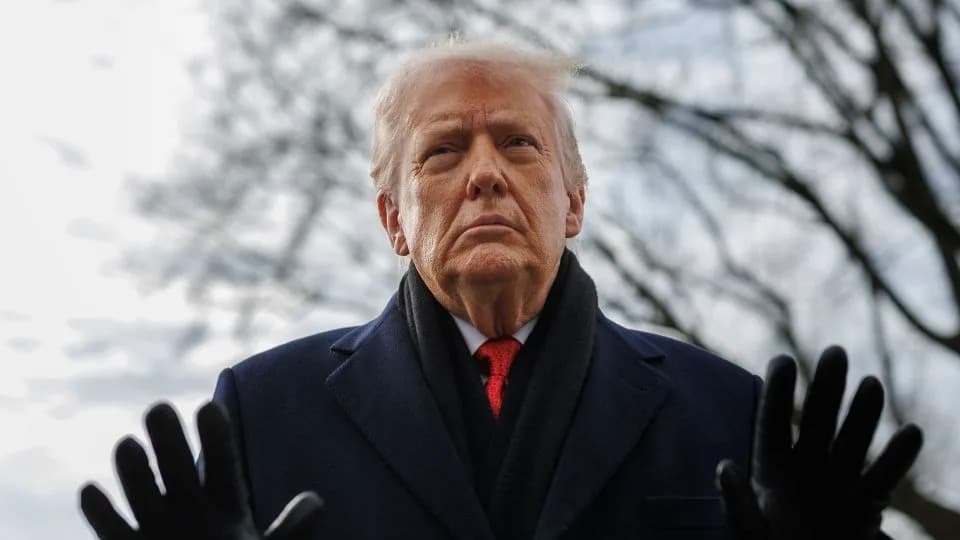
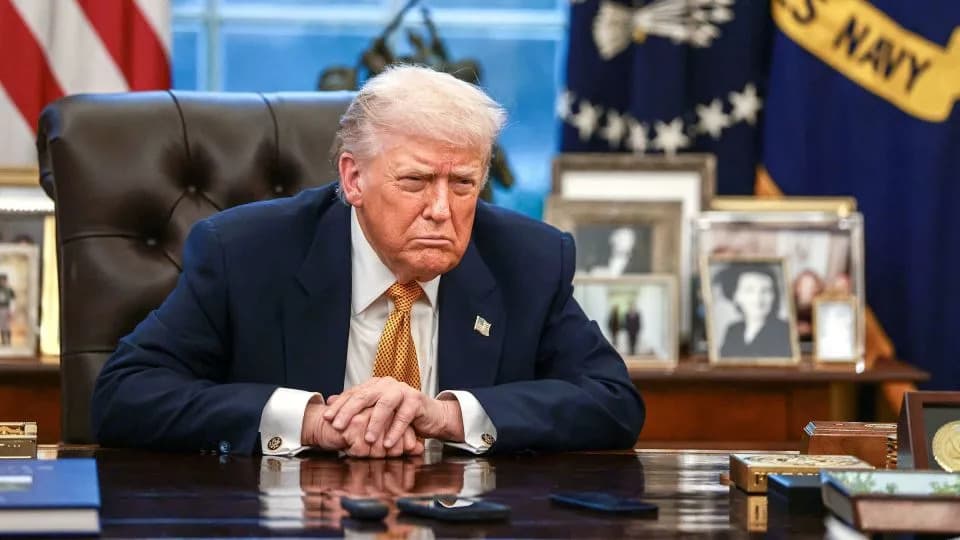
President Trump told reporters that Washington has directly communicated expectations to Iran as pressure mounts for Tehran to accept a nuclear deal. When asked whether Iran faces a deadline, Trump suggested any timeline had been conveyed privately to Iranian leaders.
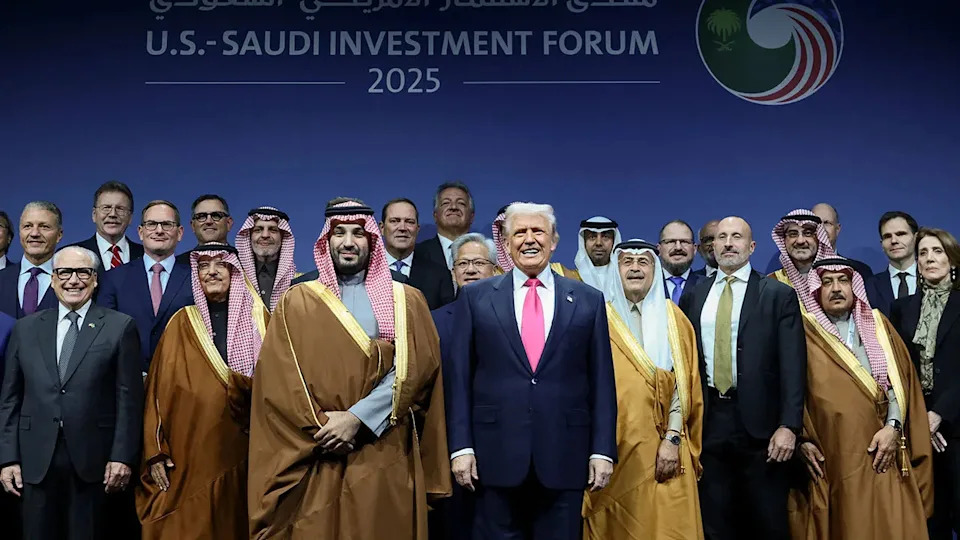
President Donald Trump poses for a picture with Saudi Crown Prince and Prime Minister Mohammed bin Salman and other attendees during the U.S.-Saudi Investment Forum in Washington, D.C., Nov. 19, 2025.
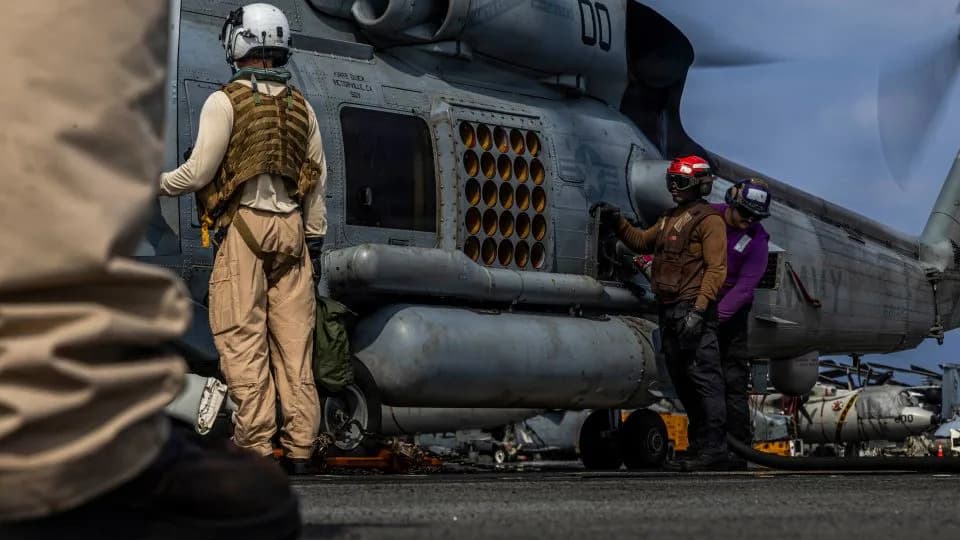
Trump also linked the bolstered U.S. naval presence in the region explicitly to Iran, saying American warships "have to float someplace" and "might as well float near Iran" as the administration weighs next steps.
The Gulf official cautioned that while Iran often signals a willingness to negotiate, the key question is whether any proposed agreement would meet U.S. requirements. "Iran always wants to make a deal, but the question is what kind of deal? Is it acceptable to the U.S.?" the official said, adding that they do not see a viable agreement coming together at this moment.
According to Gulf partners, prior strikes by the U.S. on Iran's nuclear-related sites have substantially degraded those capabilities. Still, the official suggested an "off-ramp" remains possible if Iran changes course and takes meaningful steps toward a negotiated solution.
"We want a prosperous country that supports their people. ... There’s a way to get out of it, and Iran could be a very constructive and important actor in the region. I hope that they get there because the Iranian people deserve a lot."
In closing, the official urged diplomacy and careful consideration of regional consequences. Gulf leaders say the U.S. has not shared full objectives or operational plans; Riyadh's refusal to permit use of its territory for a strike on Iran underscores limits on U.S. options and highlights Gulf concerns about a wider regional escalation.
Help us improve.