Researchers analyzed life records from nearly 120 zoos and aquariums and report that mammals with suppressed reproductive opportunities live, on average, about 10% longer. Female hamadryas baboons on hormonal contraception lived ~29% longer; castrated males showed ~19% gains, while vasectomy had no effect. The study attributes the gap to energetic, immune, and hormonal trade-offs and cautions that results come from captive animals, so implications for wild populations and conservation strategies remain uncertain.
The High Cost of Parenthood: Study Finds Reproduction Cuts Mammal Lifespan by ~10%
© exs_yori/Shutterstock.com
A broad new analysis finds a measurable lifespan cost to reproduction across mammals: individuals with reduced or no reproductive opportunities live longer on average. Drawing on life-history records from nearly 120 zoos and aquariums, the international team led by researchers at the Max Planck Institute for Evolutionary Anthropology reports that suppressing reproduction—chemically or surgically—was associated with a roughly 10% increase in life expectancy for many captive mammal species.
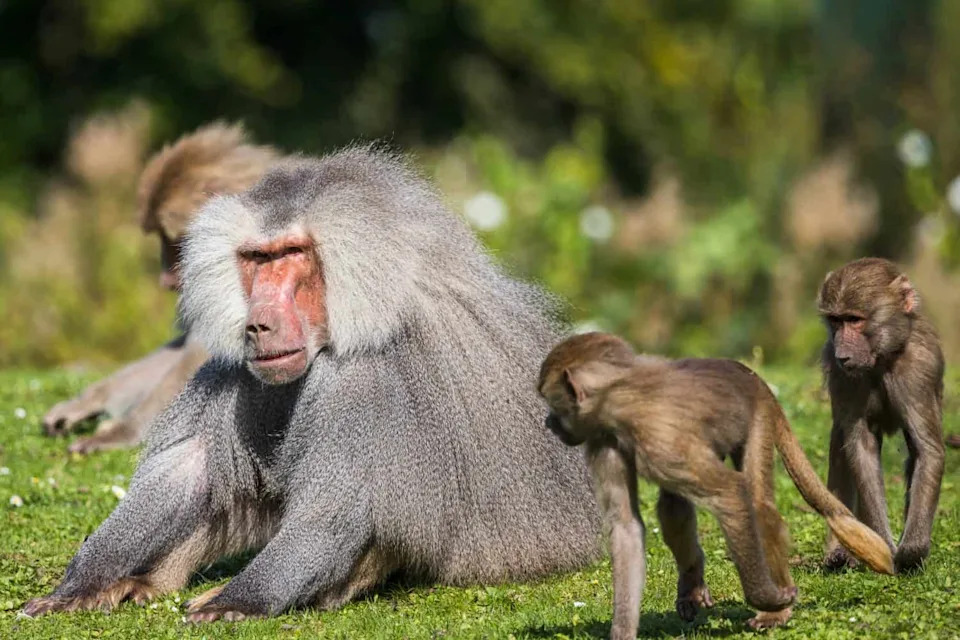
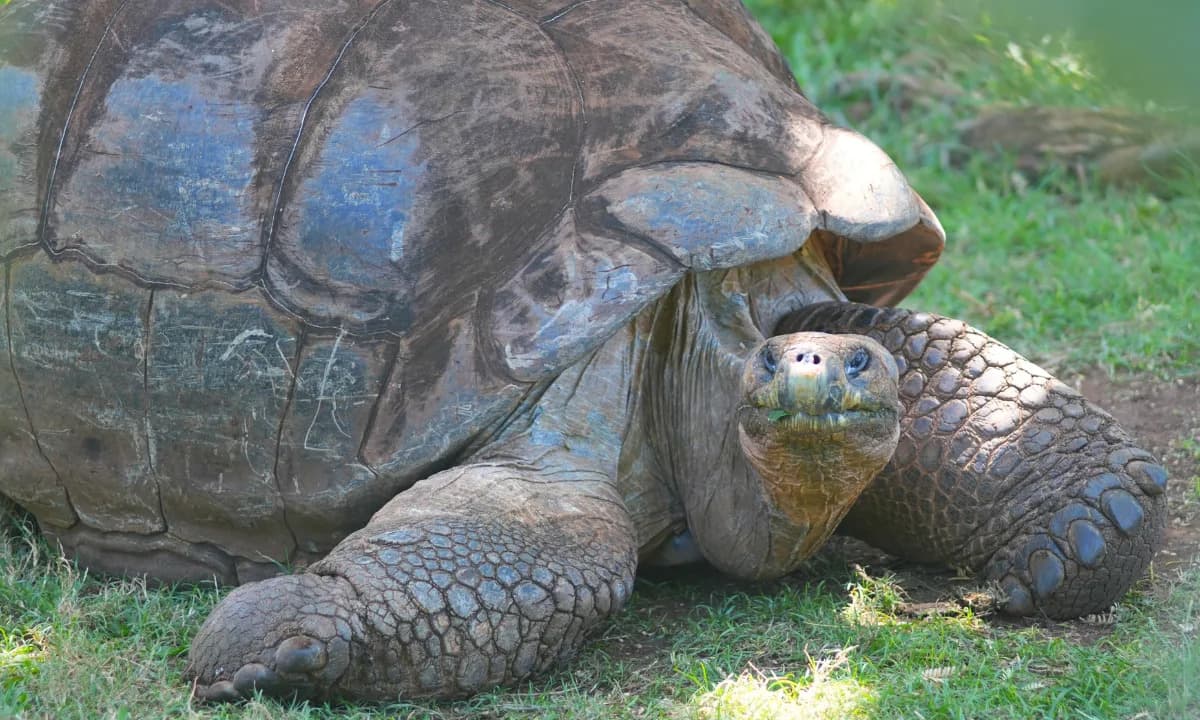
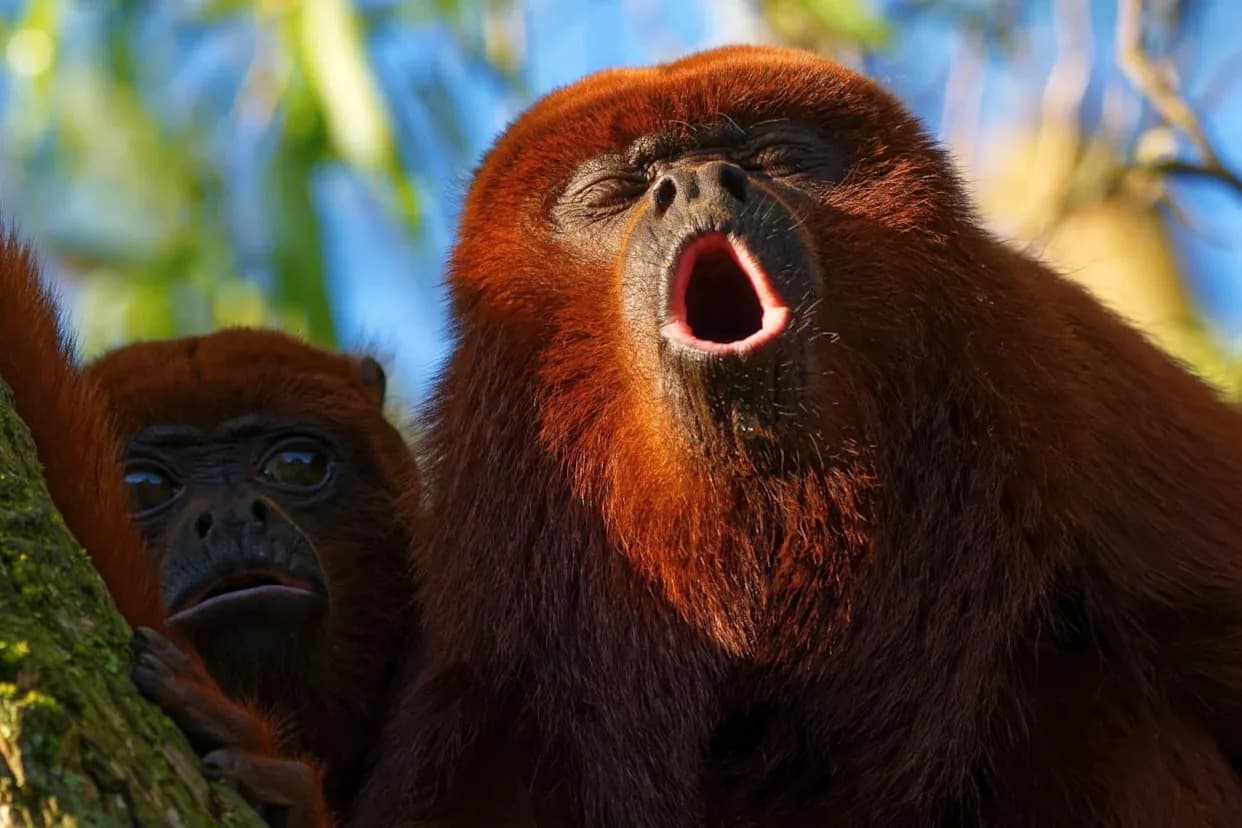
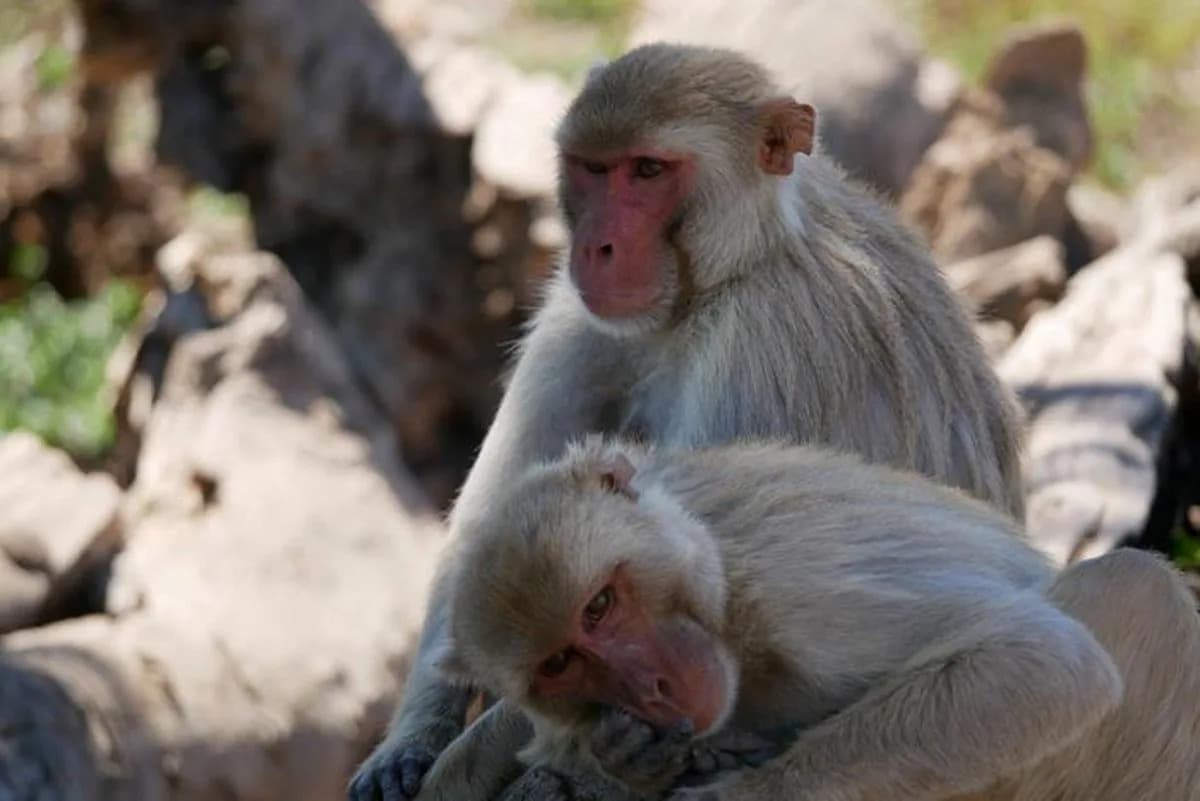
Hamadryas baboons experienced the highest increase in life expectancy when given hormonal contraception or when castrated.©Jason Wells/Shutterstock.com(Jason Wells/Shutterstock.com)
Key Findings
The cross-species analysis, published in Nature, showed consistent patterns but also important sex- and species-specific differences. Notably, female hamadryas baboons given hormonal contraception lived about 29% longer than reproductively active females, while castrated male hamadryas showed about a 19% increase in lifespan compared with intact males. Across the dataset, females benefited from a variety of reproductive-suppression methods (hormonal contraception, ovary removal, etc.), whereas males only showed clear longevity gains after castration—vasectomy did not extend male lifespan.

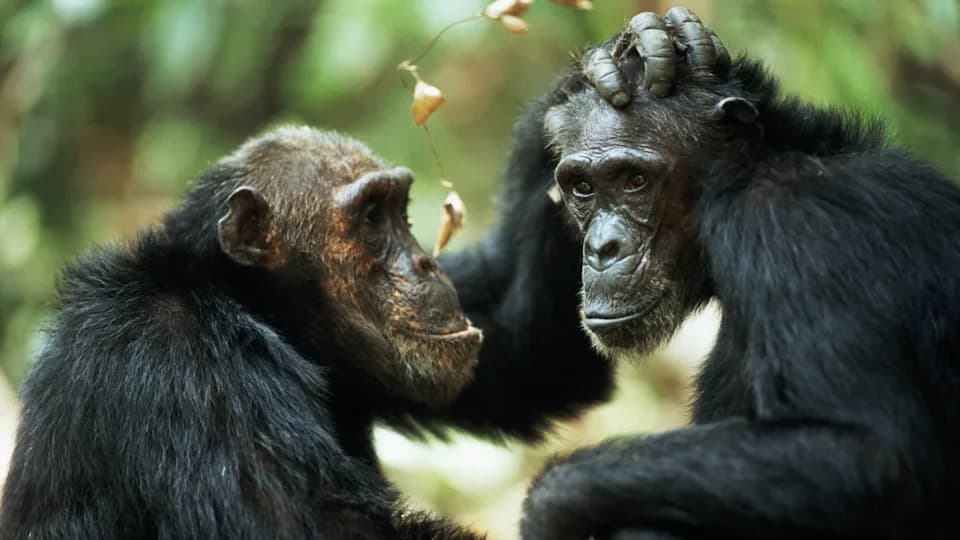
When mammals have offspring, they have a lifespan that is 10% shorter than those that do not reproduce.©WildMedia/Shutterstock.com(WildMedia/Shutterstock.com)
Why Reproduction Reduces Longevity
Authors point to two broad mechanisms. In females, the energetic and immunological costs of pregnancy, birth and lactation appear to divert resources away from somatic maintenance and immune defense, raising susceptibility to infections and long-term deterioration. In males, hormonal and behavioral pathways matter: testosterone-linked aggression and risky behaviors elevate mortality risk, and castration reduces those risks.

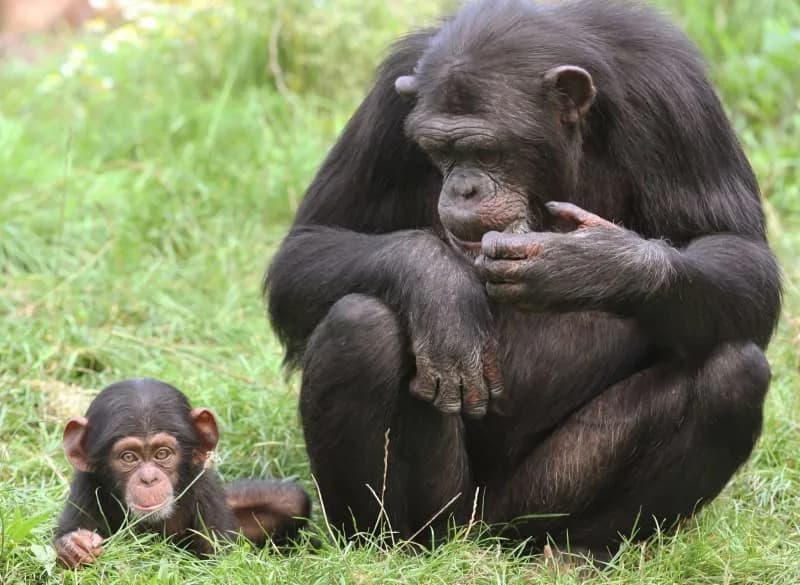
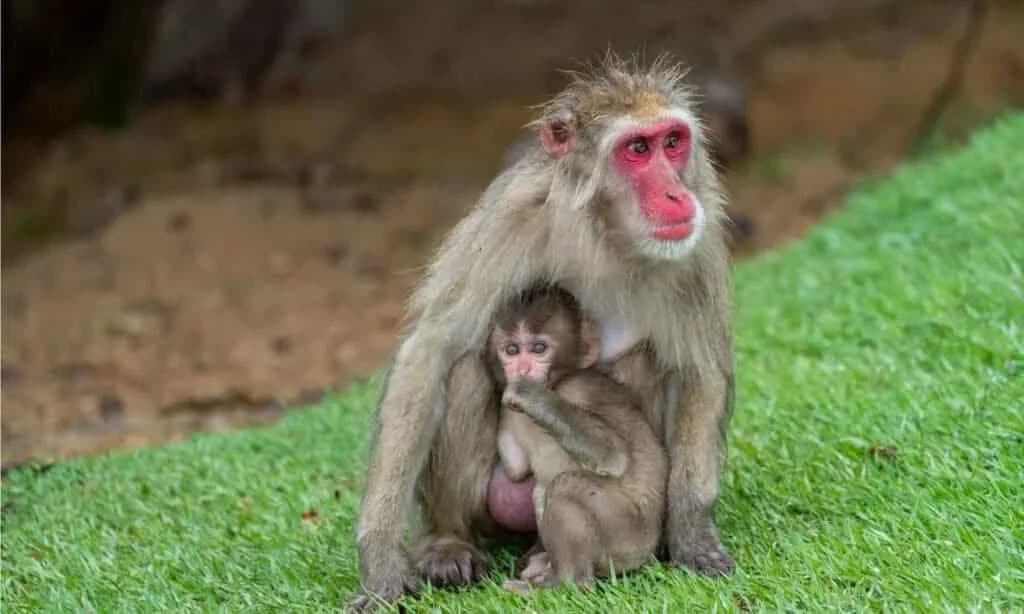
Females that have offspring expend a great deal of energy not only during pregnancy, but also after, decreasing their lifespan.©shaftinaction/Shutterstock.com(shaftinaction/Shutterstock.com)
Scope, Limitations and Conservation Implications
All records came from animals in captivity, where external hazards such as predation, food scarcity and natural disease exposure are minimized. That controlled setting likely amplifies the detectable physiological trade-offs between reproduction and maintenance. The authors caution that whether the same magnitude of lifespan extension would occur in wild populations is uncertain and likely depends on species life history and ecological context.
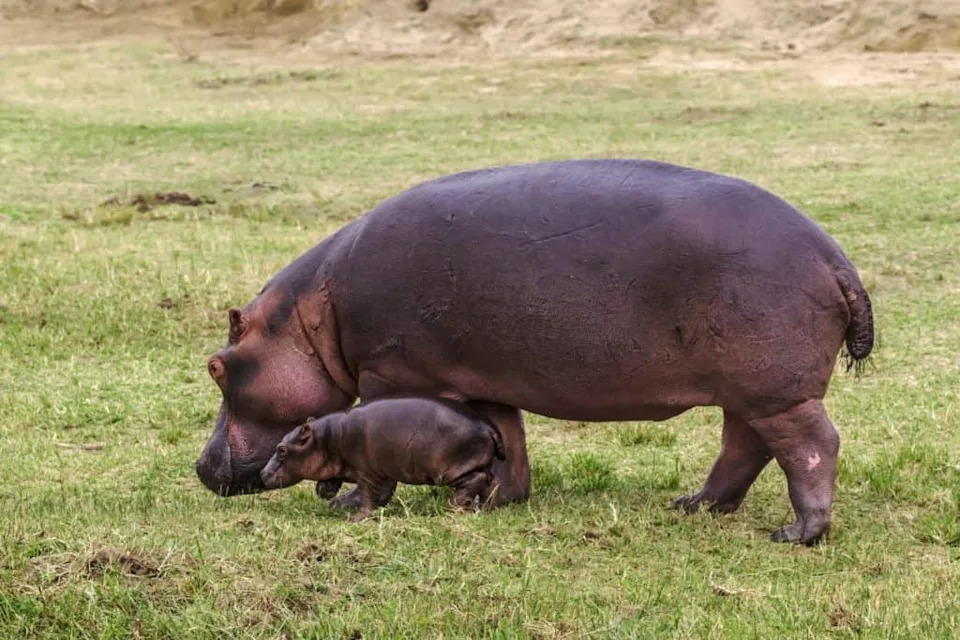
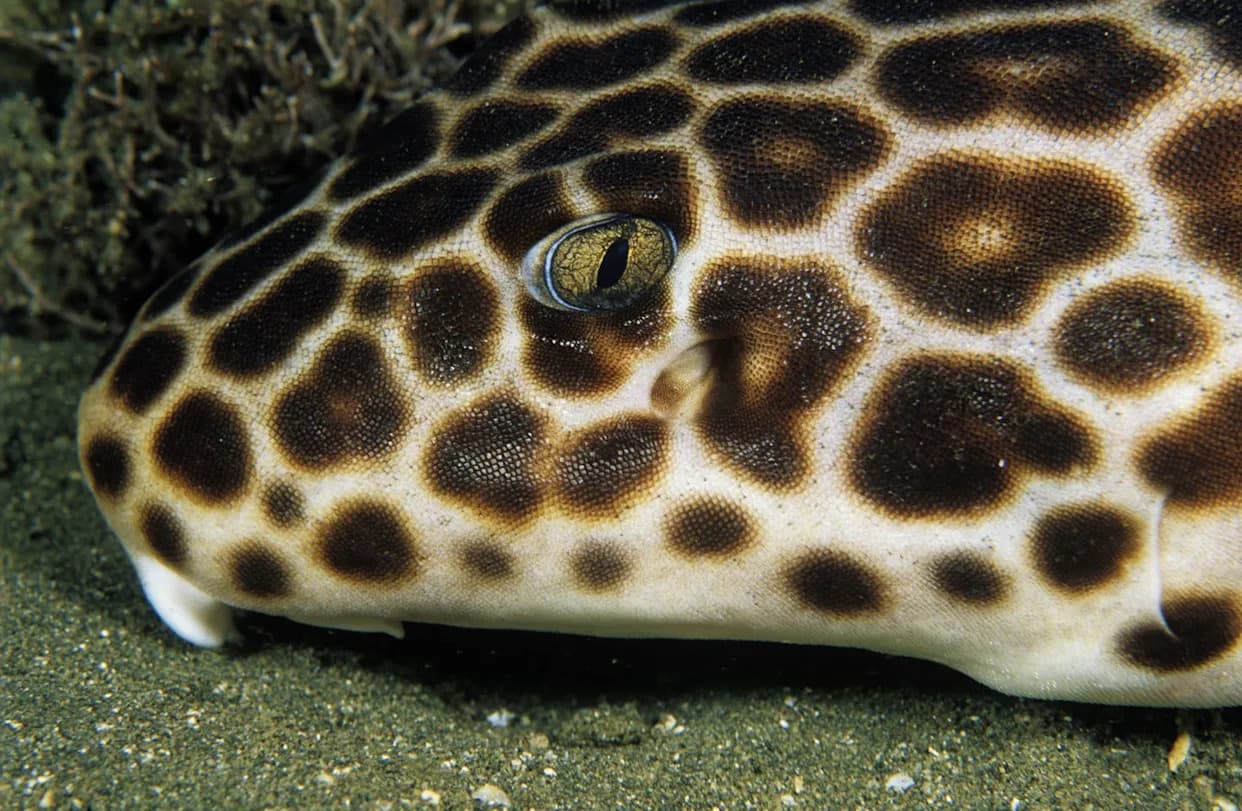
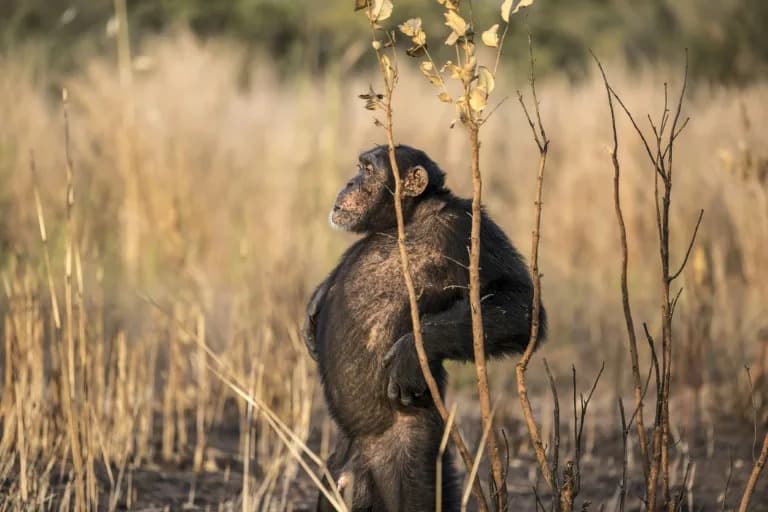
The implications of limiting reproduction for wild animals have yet to be studied.©Krasnova Ekaterina/Shutterstock.com(Krasnova Ekaterina/Shutterstock.com)
From a conservation perspective, the findings raise nuanced questions. For endangered species, reproduction is essential to recovery, and suppressing breeding to extend individual lifespans could be counterproductive. In managed or overpopulated settings, however, controlled fertility could help limit growth while improving individual health—though the authors emphasize more research is needed before recommending such interventions in the wild.
Nuanced Outcomes
Extending lifespan did not uniformly eliminate age-related illness. Some non-reproducing females who lived longer still experienced worsening chronic conditions with age, illustrating that a longer life is not always a healthier one in every respect.
"When mammals invest energy in producing and raising young, that energy is not available for somatic maintenance," the authors write—summarizing a trade-off central to evolutionary life-history theory.
Overall, the study provides robust evidence that reproduction carries measurable costs across a wide range of mammals in captivity, producing an average ~10% reduction in lifespan among individuals that reproduce compared with those that do not. Future work is needed to explore how these dynamics operate in wild populations and how they interact with ecological pressures and species-specific life histories.
Help us improve.