Video and reporting about the Minneapolis deployment — including footage of 37-year-old Alex Pretti being shot while restrained — have intensified scrutiny of ICE. Short-term leverage exists through the appropriations process (a defense bill that supports ICE totals roughly $10 billion), while Congress could pursue statutory limits such as warrants, body cameras, or mask bans. States can sue, pursue criminal charges, or convene accountability commissions, and mounting public and bipartisan pressure may force policy changes.
7 Ways Lawmakers, Courts and States Could Rein In ICE
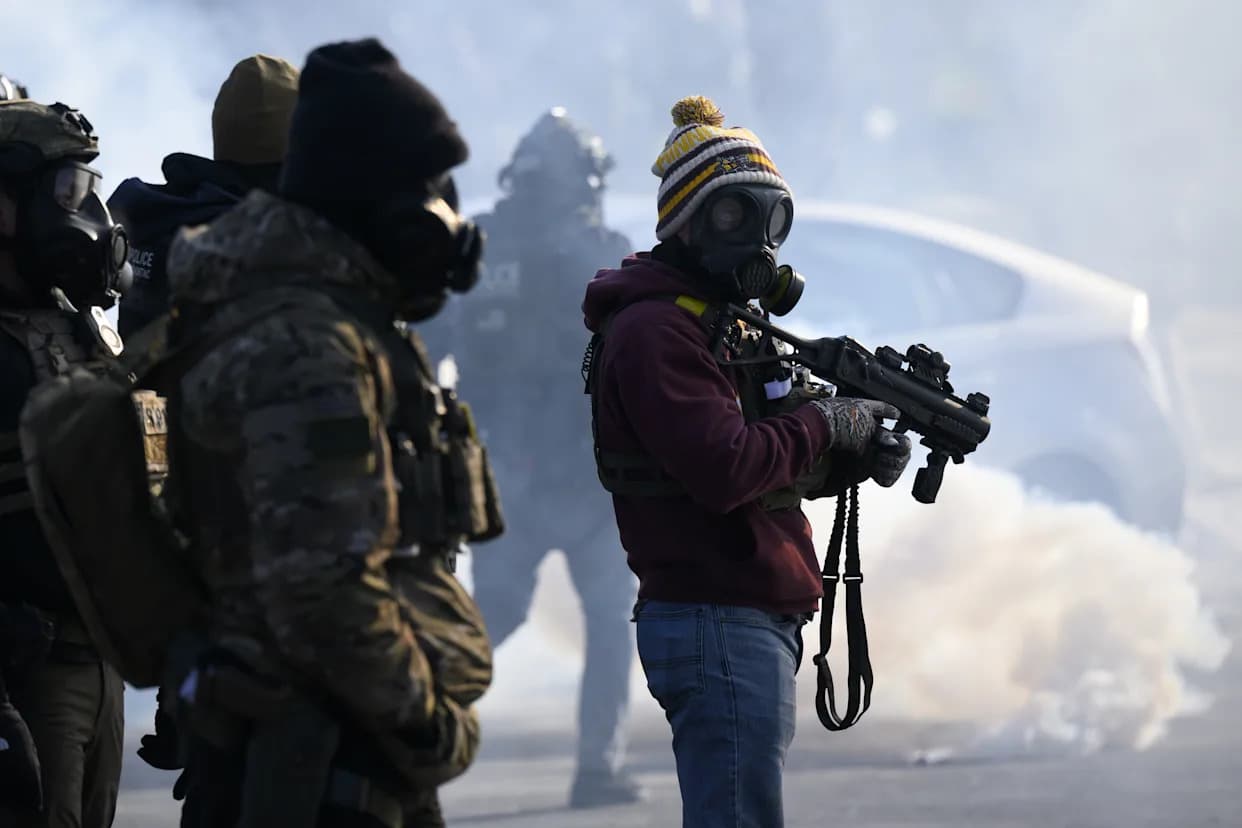
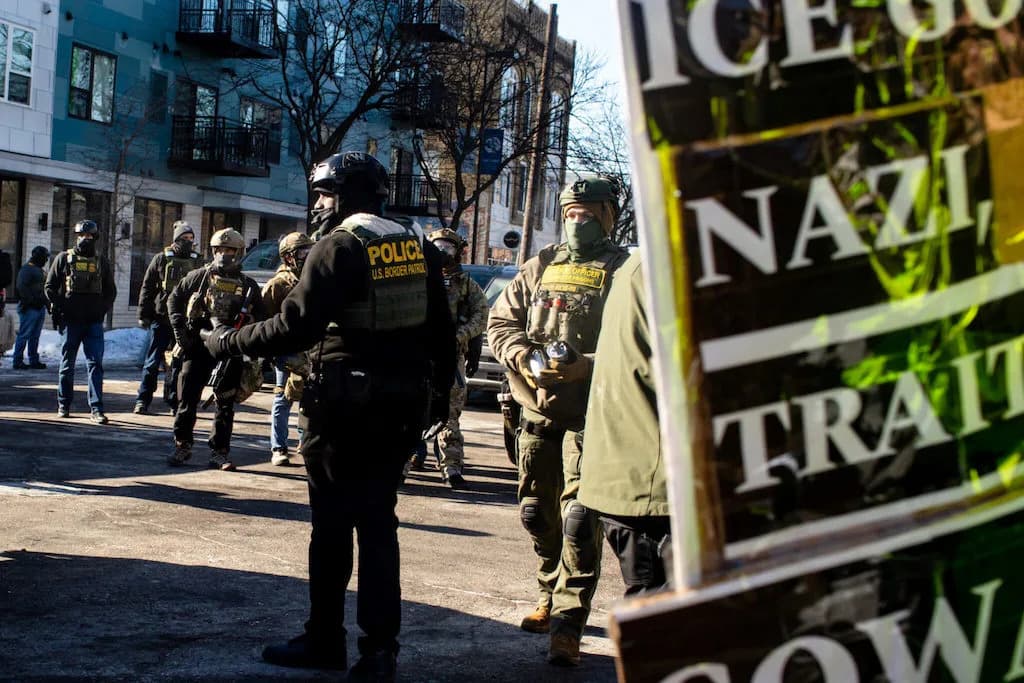
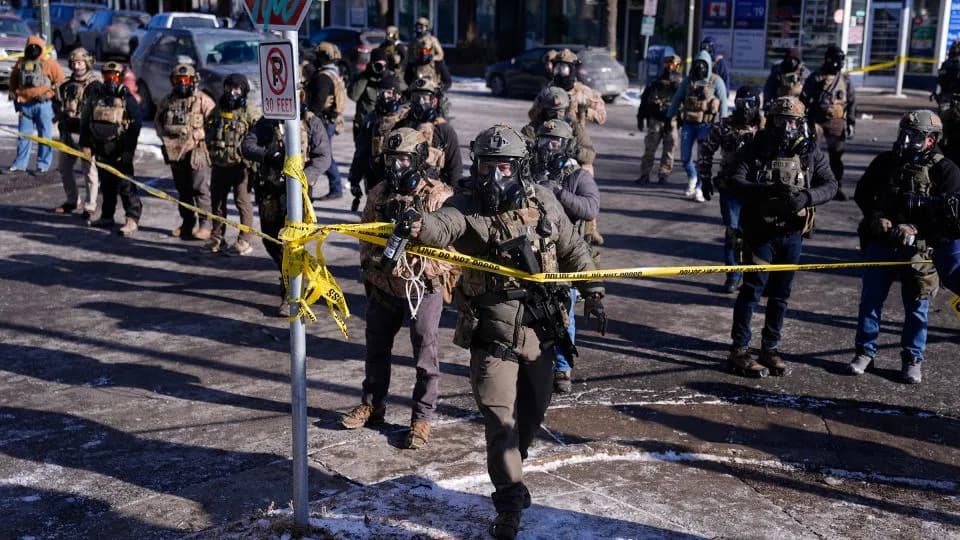
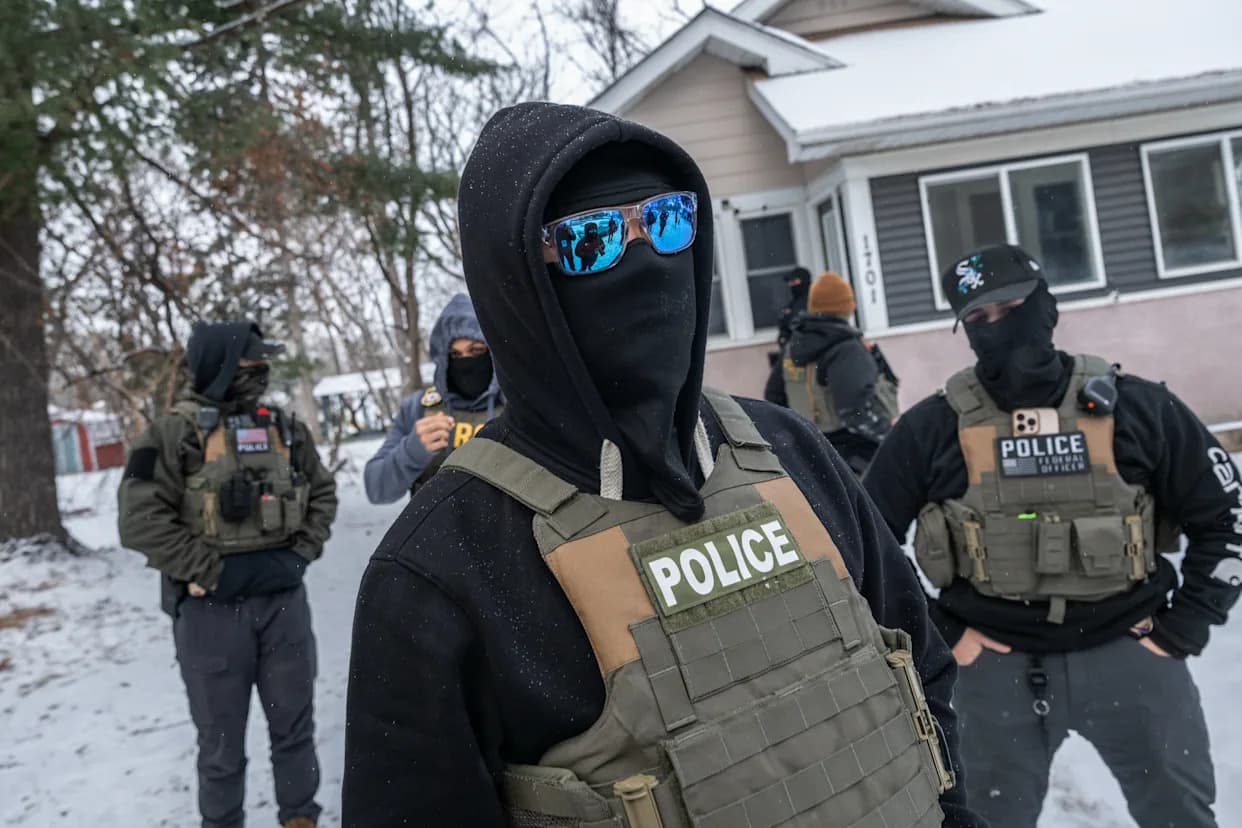
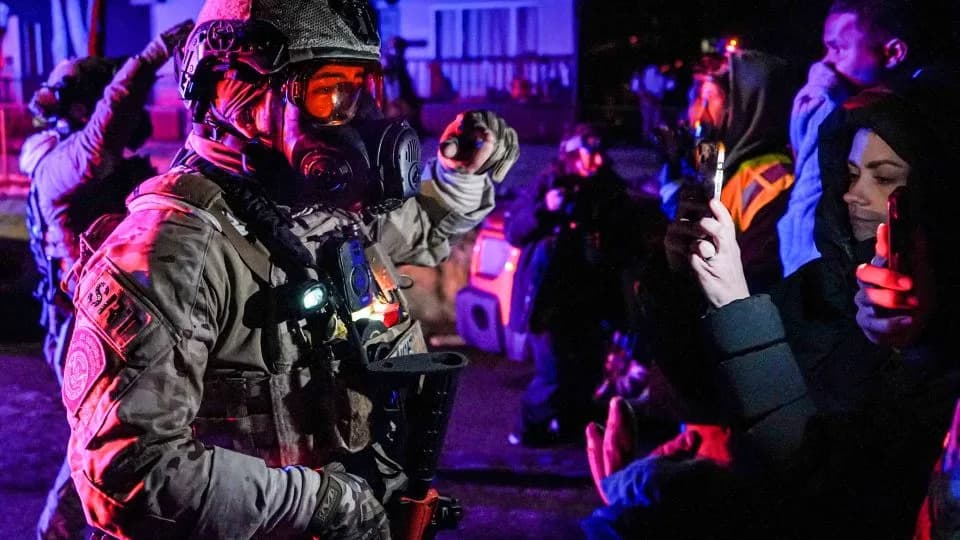
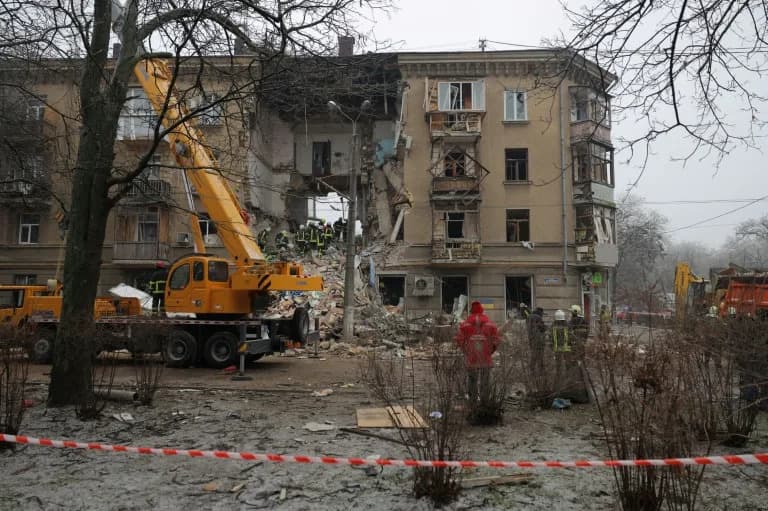
Federal agents monitor protesters in south Minneapolis after Alex Pretti was fatally shot by federal agents in the area early Saturday morning, January 24, 2026. | Aaron Lavinsky/The Minnesota Star Tribune via Getty Images
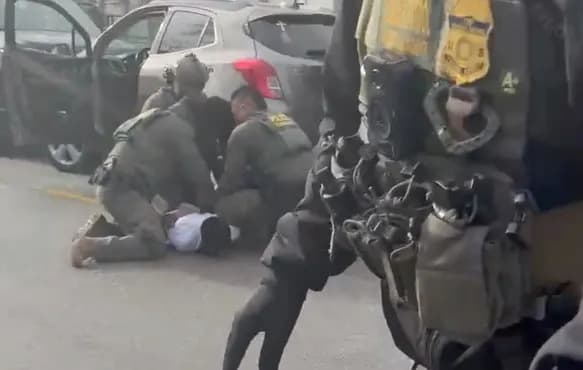
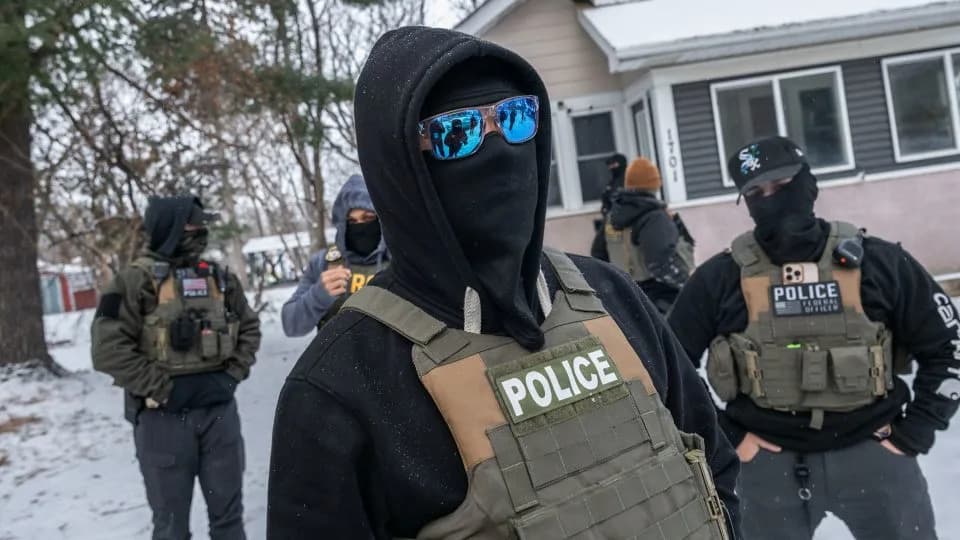
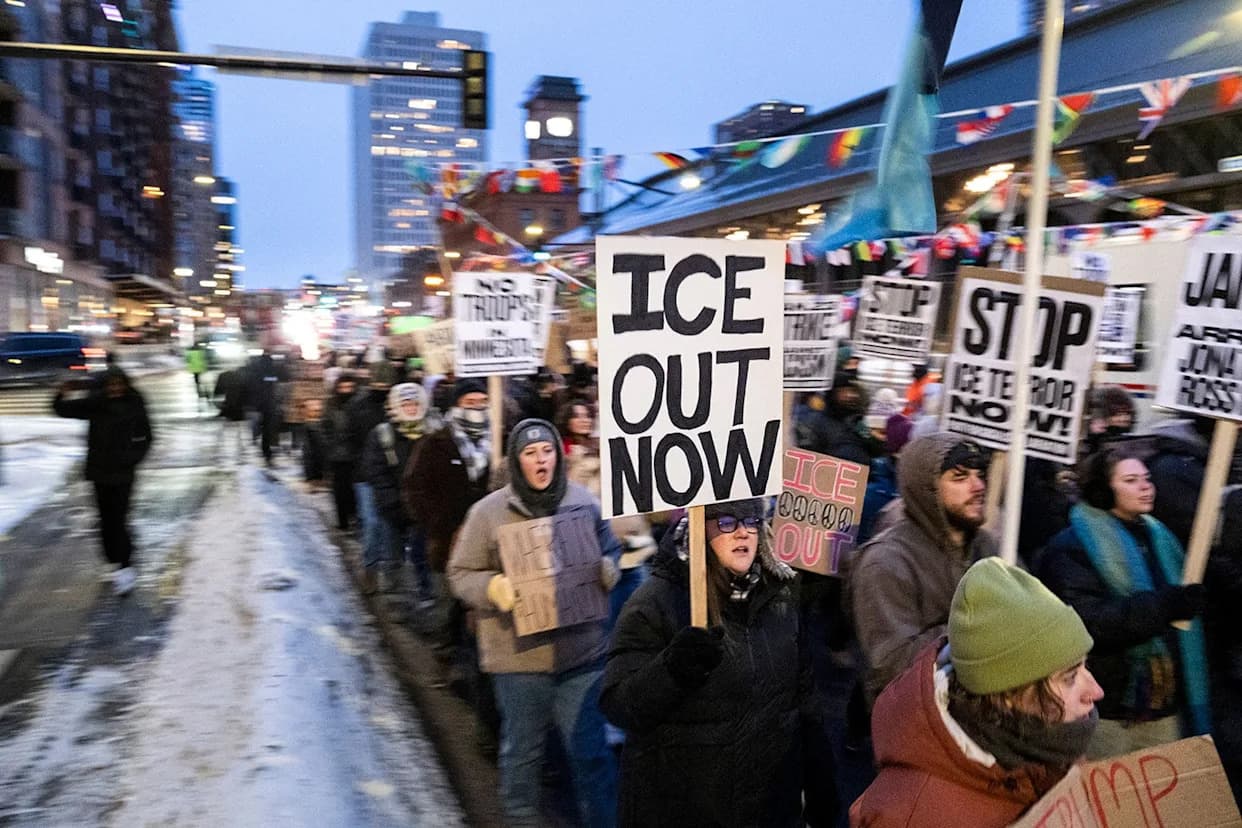
Coverage of a federal enforcement action in Minneapolis — including video showing a restrained man, 37-year-old Alex Pretti, shot by federal agents — has renewed scrutiny of Immigration and Customs Enforcement (ICE) and prompted debate about how to constrain the agency’s tactics and deployment. Officials in the Trump administration pushed back on reporting and video evidence, describing Pretti as an assailant; the clash has intensified calls for legislative, judicial and state-level checks on federal immigration enforcement.
Key Levers To Rein In ICE
1. Budgetary Pressure (Short Term)
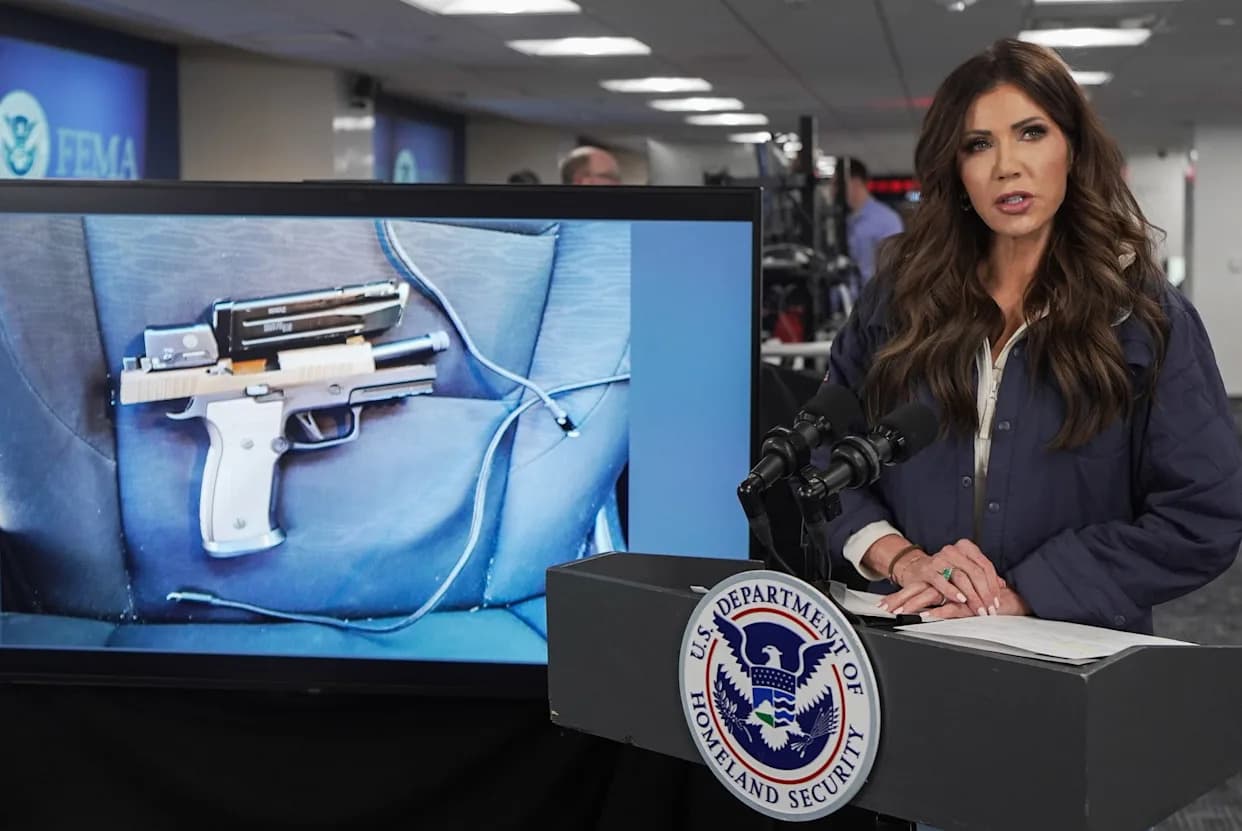
A continuing spending measure has kept the government open since last fall’s shutdown, but the Senate must approve six appropriations bills by Friday to avoid another lapse. The defense appropriations bill currently includes roughly $10 billion that supports ICE operations. Senate Democrats are threatening to withhold support unless the Department of Homeland Security portion is rewritten to add guardrails on ICE, and any Senate changes would have to return to the House — making at least a partial shutdown a possible outcome.
2. Statutory Reforms (Medium To Long Term)
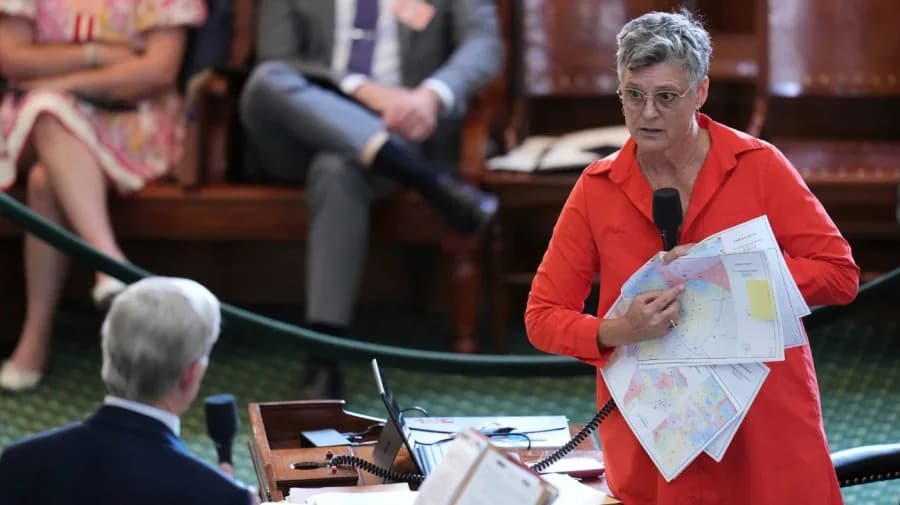
Congress could attach restrictions to appropriations or pass standalone laws to change how ICE operates. Potential reforms include requiring judicial warrants before certain arrests, mandating body cameras for agents, prohibiting face coverings during enforcement actions, and seeking to limit legal doctrines that currently shield some federal agents from prosecution. Repealing or limiting Supreme Court precedents that protect federal actors would be politically difficult in a Republican-controlled Congress but remains a legislative objective for some Democrats.
3. Congressional Oversight
Some Republicans have signaled openness to scrutiny. Senator Rand Paul (R-KY), who chairs the Homeland Security and Governmental Affairs Committee, requested that the heads of ICE and related agencies testify at a February 12 hearing. Other senators, such as Todd Young (R-IN), have called for a “full and transparent investigation” into the Minneapolis deployment and use of force.
4. State Lawsuits And Federal Court Challenges
Minnesota has asked a federal court to halt the surge of federal agents in Minneapolis and restore prior ICE staffing levels, arguing the escalation exceeded constitutional limits on federal power. Such emergency orders are uncommon and likely to face appeals, but state suits can slow or reshape federal deployments while building a factual record for future litigation.
5. State Criminal Prosecutions
The Justice Department’s Civil Rights Division declined to open an investigation into the ICE officer who shot Renee Good on January 7, and it appears unlikely to change course in the Pretti case. Still, state prosecutors could pursue charges under state law if they determine shootings fell outside officers’ lawful duties. That route is legally complex — the circumstances under which federal officers can be prosecuted under state law are ambiguous, and any conviction would almost certainly be appealed.
6. Accountability Commissions And Documentation
States and governors can create commissions to investigate and document ICE conduct, producing reports that inform legislation or lawsuits. For example, Illinois Governor J.B. Pritzker created an accountability commission in October to document ICE misconduct; its recommendations are expected soon. Former federal prosecutors have urged other states to convene similar panels to build evidentiary records.
7. Political And Public Pressure
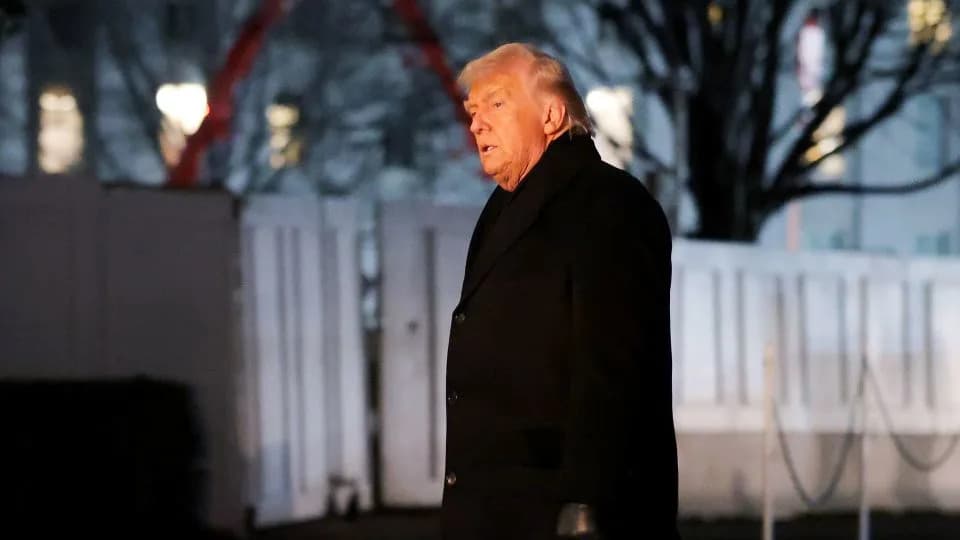
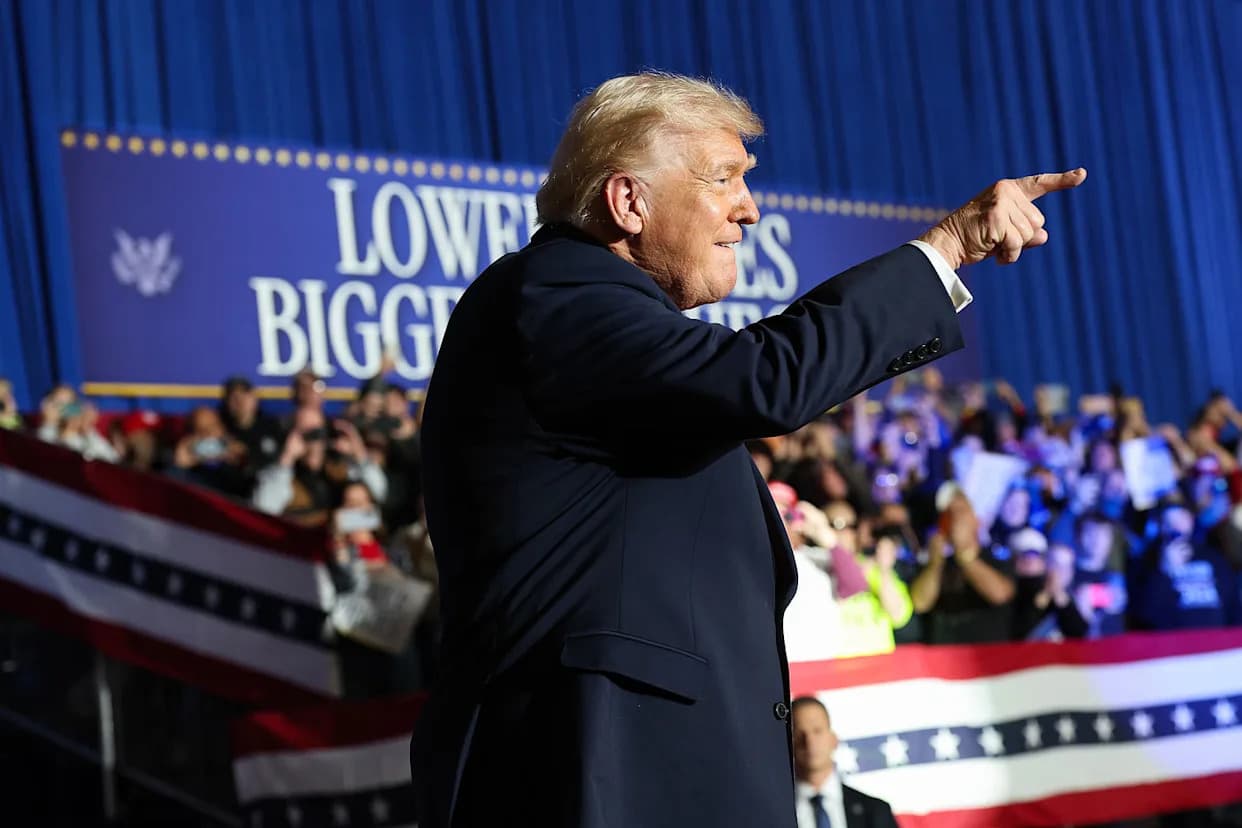
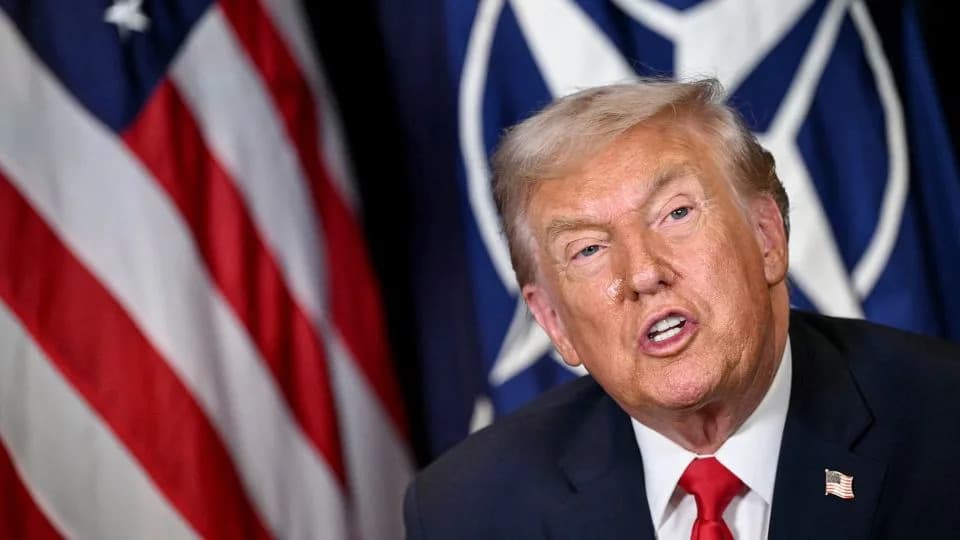
Beyond laws and courts, shifting public opinion and pressure from businesses, faith leaders, civil-rights groups and even some Republican voters can influence administration behavior. A New York Times/Siena poll taken before Pretti’s death found six in 10 voters thought ICE’s tactics had gone too far. Since the Minneapolis shooting, an increasing number of Republican lawmakers have expressed concern. President Trump posted a conciliatory message after reportedly speaking with Minnesota Governor Tim Walz about independent investigations and the possible reduction of federal agents.
Note on Recent Developments: A letter from Florida Attorney General Pam Bondi to Governor Walz over the weekend appeared to set conditions for ending the federal surge in Minnesota; the letter may affect the state’s litigation strategy. Observers caution that many remedies are politically and legally fraught, but combined congressional, judicial, state and public-pressure efforts can create meaningful constraints on ICE operations.
Help us improve.