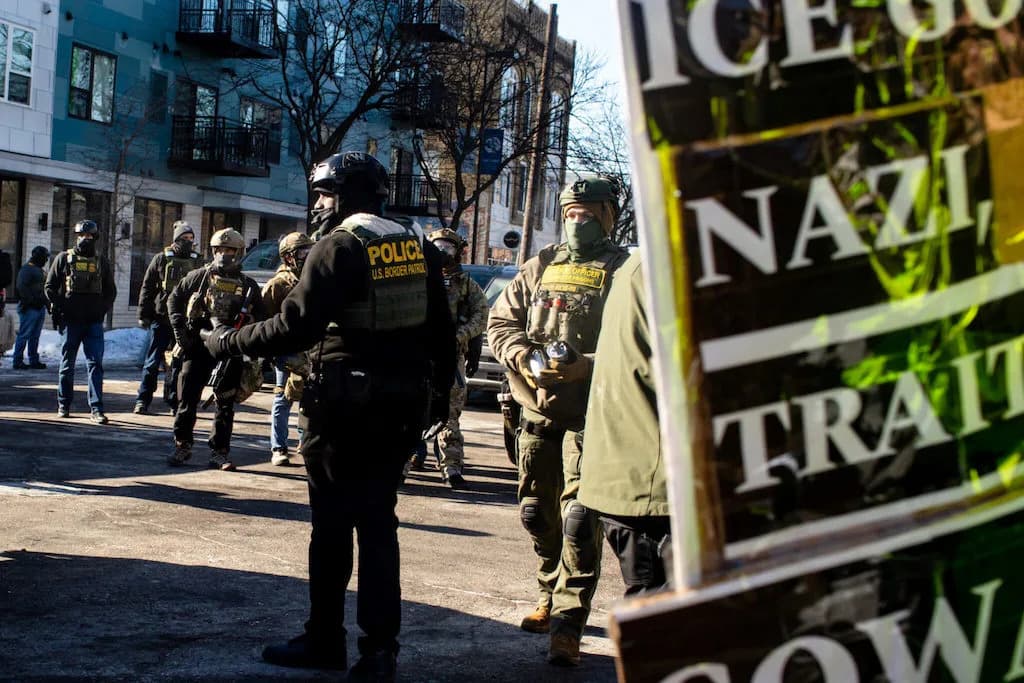
The article examines whether ICE officers should conceal their identities after a sharp rise in doxing tied to aggressive deportation policies. DHS reports an 8,000% increase in death threats and several prosecutions where officers' addresses and personal details were published. Supporters say masks can protect officers and families; critics warn masks reduce accountability. A proposed compromise would assign unique identification numbers to masked officers so oversight bodies can still identify them.
Should ICE Officers Wear Masks to Prevent Doxing? Balancing Officer Safety and Public Accountability
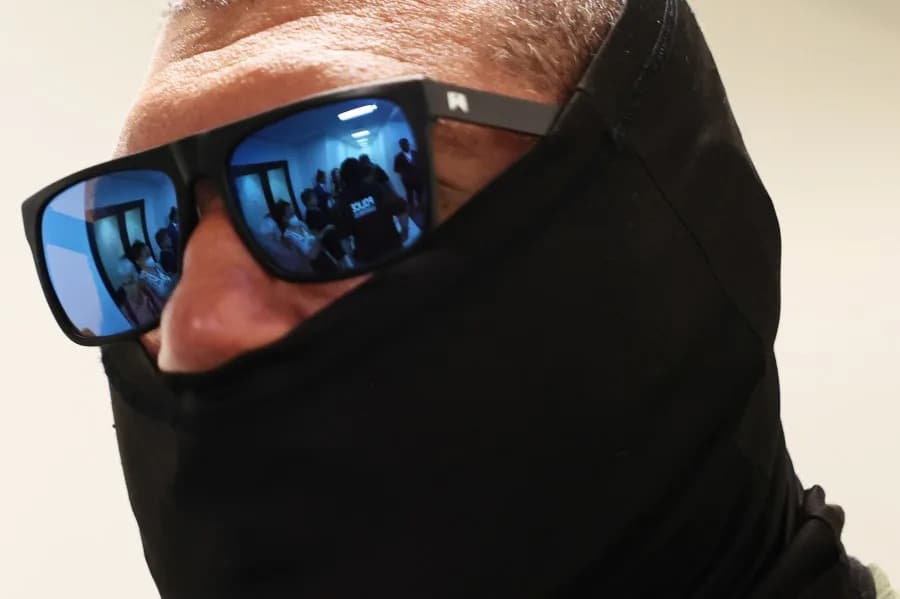
The Trump administration's aggressive interior-enforcement policies have coincided with a spike in doxing—the public release of personal information to intimidate, harass or endanger individuals. That surge has prompted debate over whether Immigration and Customs Enforcement (ICE) officers should conceal their identities in the field to protect themselves and their families.
What Is Doxing—and Why It Matters
The Department of Homeland Security defines doxing as collecting an individual's personally identifiable information and publishing it for malicious purposes such as public humiliation, stalking, identity theft or targeted harassment. Examples of personally identifiable information include a person's full name, contact details, home address, family members, workplace information, financial records and Social Security number.
Rising Threats Against ICE Personnel
According to an Oct. 30 press release from DHS Assistant Secretary Tricia McLaughlin, ICE officers have faced an 8,000 percent increase in death threats, and family members of officers have been targeted and doxed. Jimmy Valenzuela, special agent in charge of the ICE Office of Professional Responsibility, describes doxing as "a deliberate act of intimidation that undermines the safety and security of ICE employees who are dedicated to upholding the law and protecting our nation."
Documented Incidents
Prosecutors have pursued charges in several high-profile cases. A federal grand jury indicted three women accused of following an ICE officer home and posting his address on Instagram. In Texas, the spouse of an ICE officer reportedly received a violent, threatening call referencing historical punishment. In Massachusetts, prosecutors say a woman used the Tinder app to lure ICE officers into meetings and then published their personal information online.
Legal Penalties for Doxing
Federal law allows fines and up to five years in prison when doxing is committed with the intent to threaten, intimidate or incite a crime of violence against the targeted person or their family. DHS officials have said those who dox ICE personnel will be prosecuted to the fullest extent of the law.
Policy Context: Who Should ICE Enforce?
Some critics argue the simplest way to reduce doxing is to limit interior immigration enforcement to criminal aliens. The administration has emphasized prioritizing the removal of dangerous offenders, yet presidents are not authorized to categorically exempt noncriminal deportable aliens from enforcement. As Supreme Court Justice Samuel Alito has noted, a blanket restriction would conflict with the presidential duty under Article II, Section 3 to "take Care that the Laws be faithfully executed." Prioritization is permissible, but an absolute bar against enforcing immigration laws against noncriminals would exceed that authority.
Do Masks Reduce Accountability?
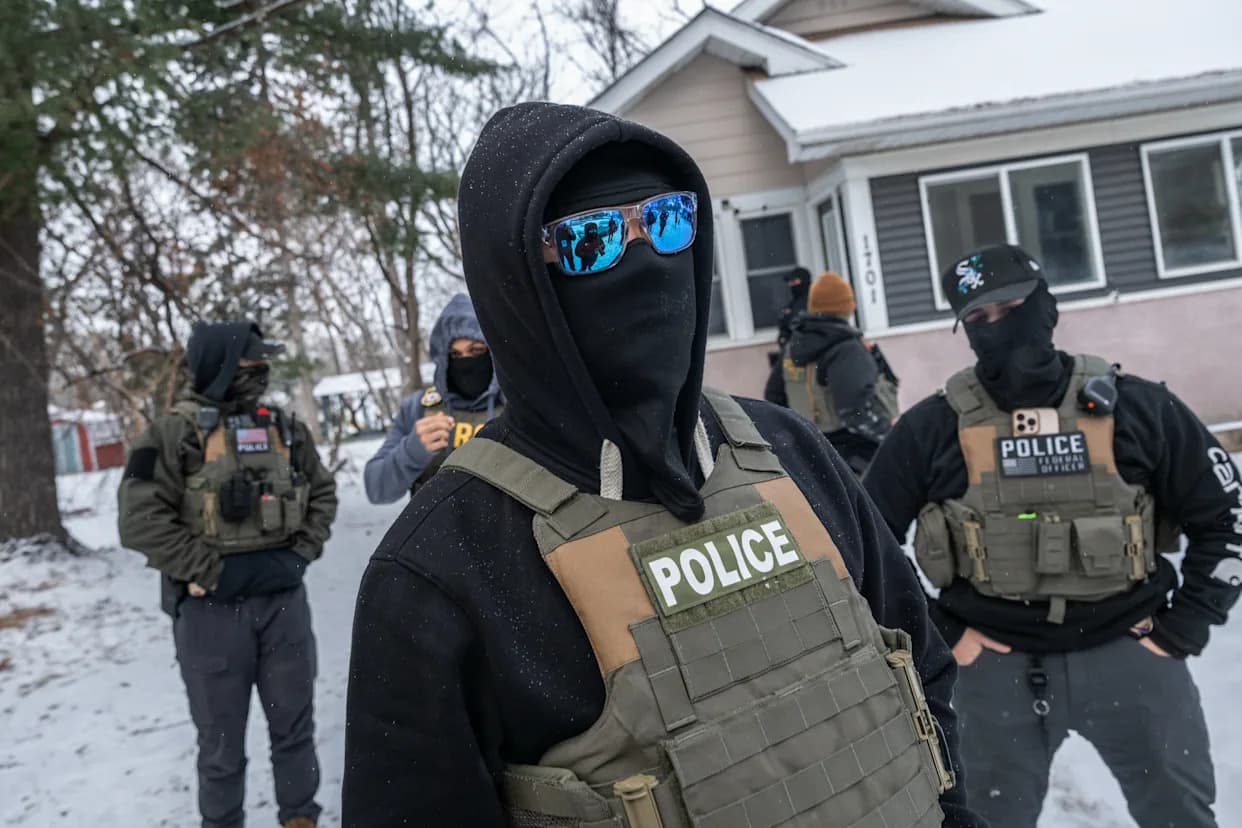
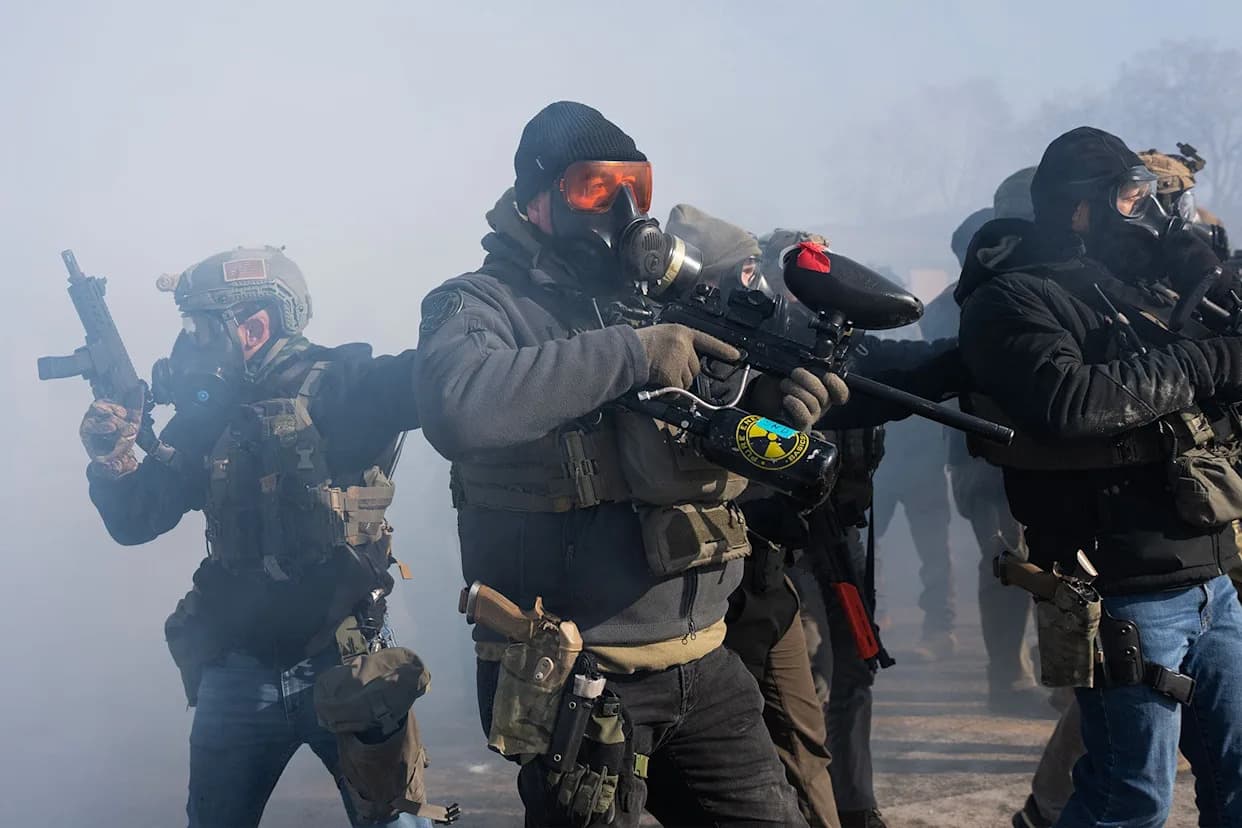
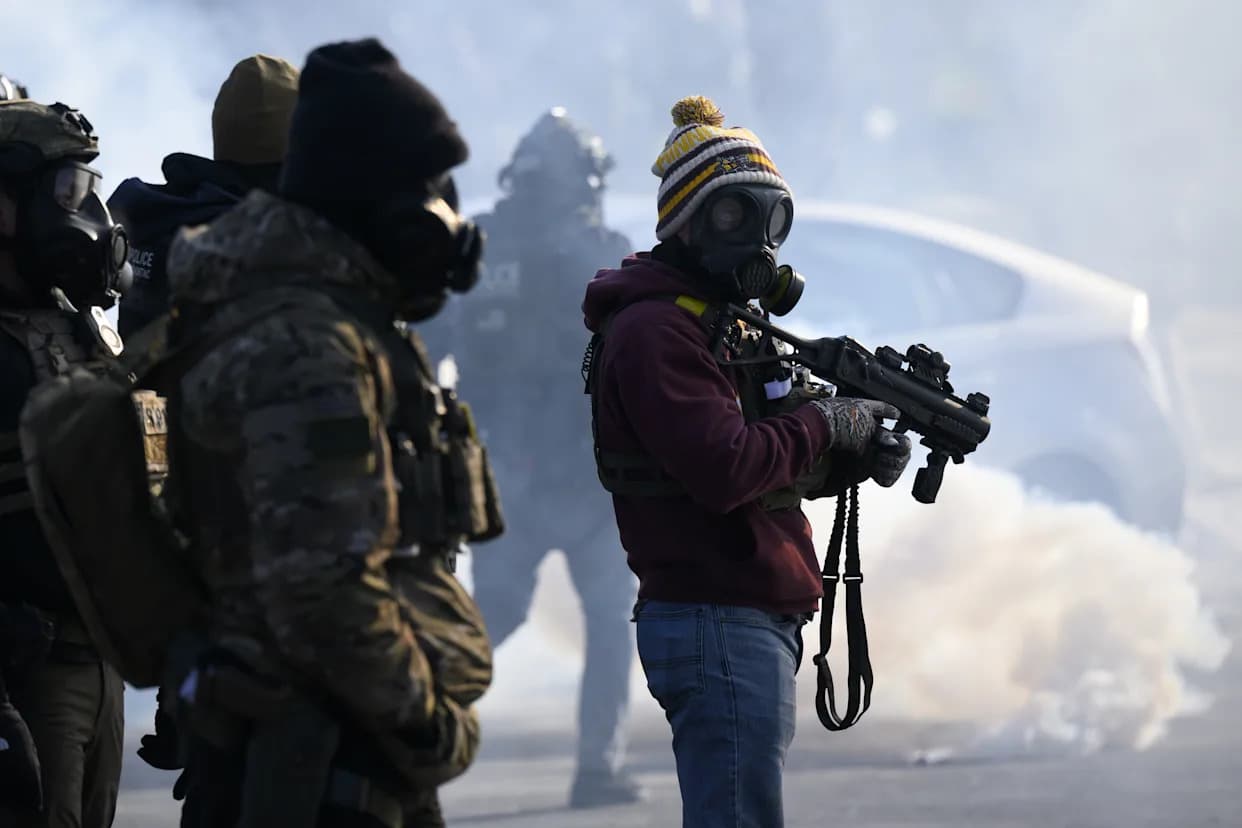
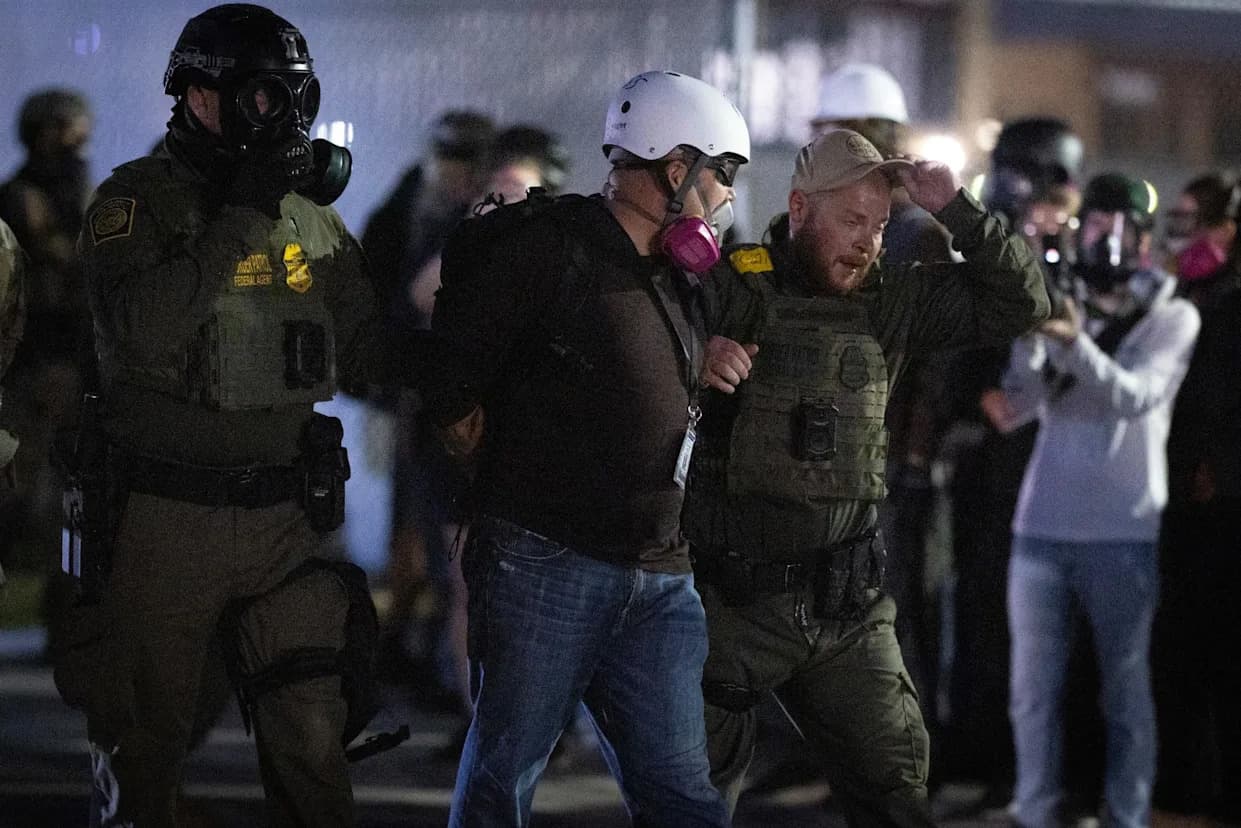
Opponents of masking argue that hiding officers' faces undermines transparency and accountability. That is a legitimate concern. But proponents contend that masks may be necessary to protect officers and their families from retaliation and violence resulting from doxing.
A Practical Compromise
One compromise would allow officers to conceal their faces while creating mechanisms to preserve oversight. For example, ICE could publish an internal roster of officers who perform enforcement duties, assign each officer a unique identifying number, and require masked officers to display that number on their uniforms during operations. Oversight bodies—the Office of Inspector General, federal courts and congressional committees—would then be able to identify officers subject to complaints by cross-referencing those numbers with internal records, maintaining a balance between safety and accountability.
Conclusion
The debate over masked ICE officers is a clash between two core priorities: protecting public servants and their families from targeted harassment and preserving mechanisms of public and institutional accountability. Practical safeguards such as identification numbers for masked officers could help reconcile those priorities, but effective implementation would require clear policies, internal controls and legal protections for both oversight and officer safety.
About the author: Nolan Rappaport served three years as an Executive Branch Immigration Law Expert detailed to the House Judiciary Committee, four years as immigration counsel to the Subcommittee on Immigration, Border Security and Claims, and previously wrote decisions for the Board of Immigration Appeals for two decades.
Copyright 2026 Nexstar Media, Inc. All rights reserved. This material may not be published, broadcast, rewritten, or redistributed. For the latest news, weather, sports, and streaming video, visit The Hill.
Help us improve.