Experts say policies under President Trump have significantly weakened U.S. disaster preparedness. Cuts to FEMA and NOAA, canceled climate data and suspended resilience grants coincided with an intense 2025 season that included three Category 5 hurricanes, record heat and deadly floods. The first half of 2025 saw an estimated $101 billion in weather- and climate-related damages, and experts warn lost staff, data and capacity will make recovery and future forecasting harder.
“The Perfect Storm”: Experts Say Trump Policies Have Left the U.S. Less Prepared for Natural Disasters
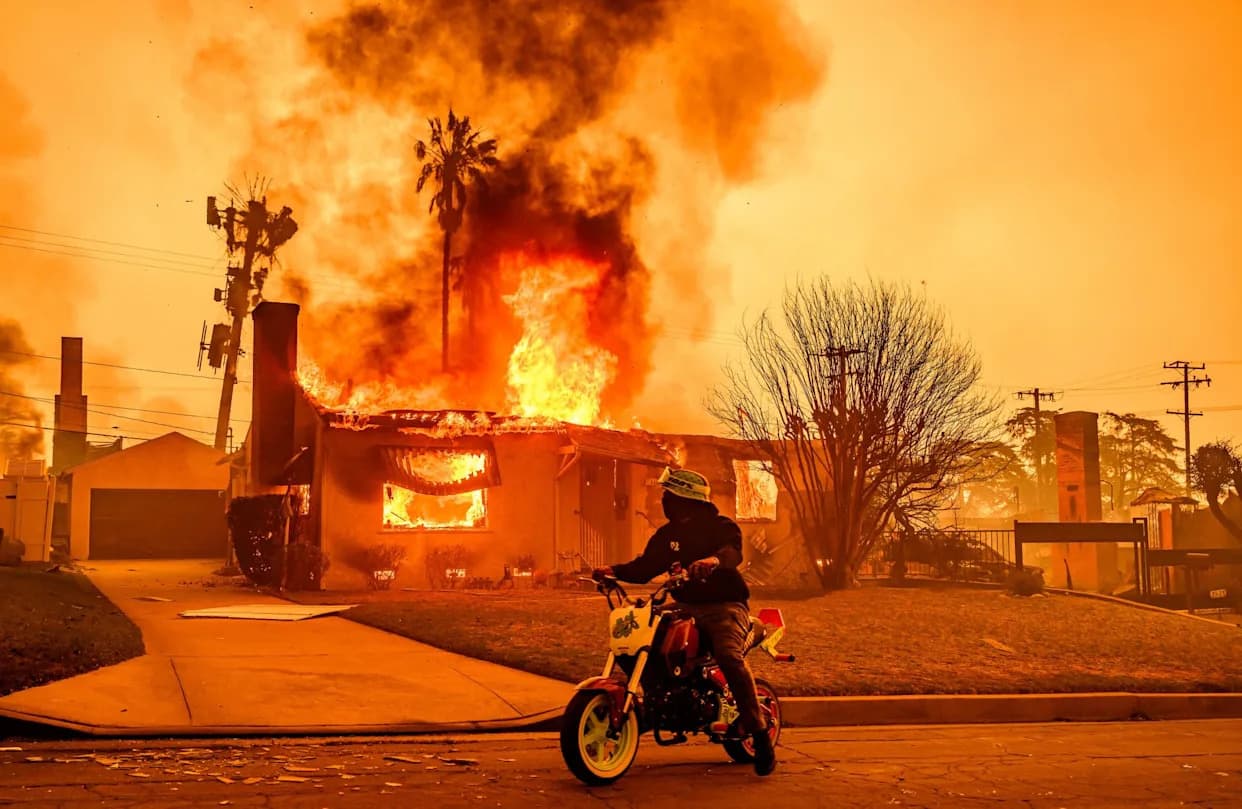
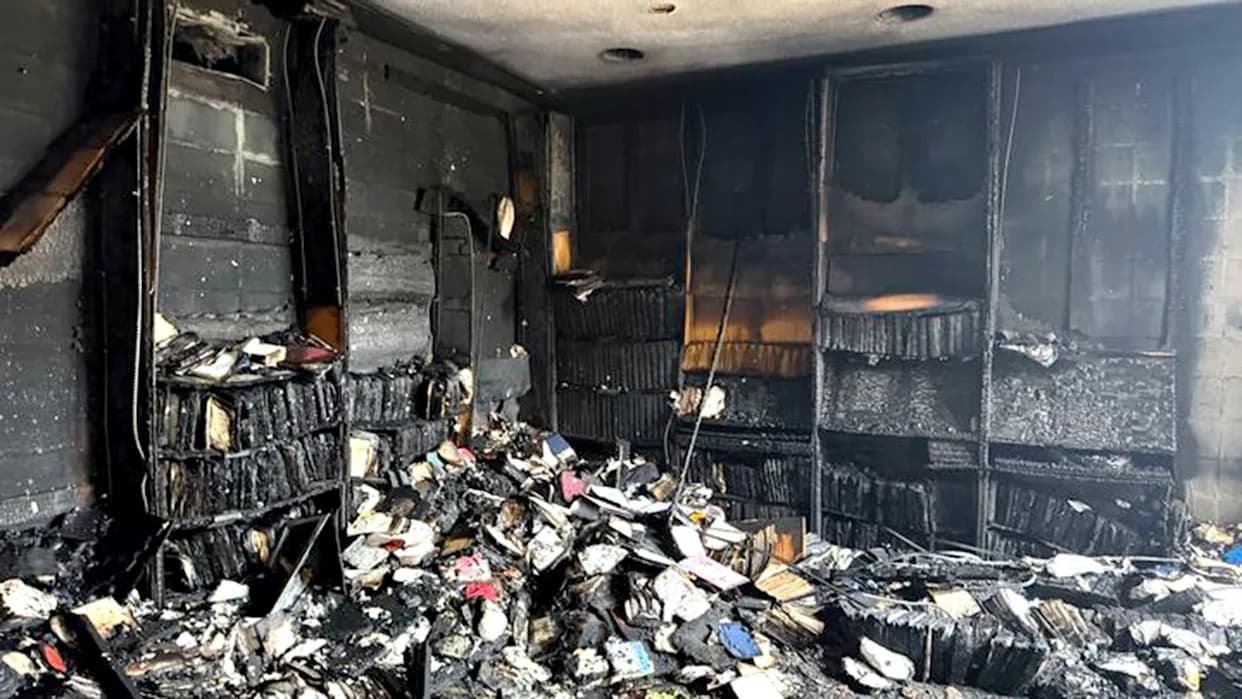
The Eaton fire in the Altadena area of Los Angeles county, California, on 8 January 2025.Photograph: Josh Edelson/AFP/Getty Images
Emergency management experts warn that policies enacted under President Donald Trump have eroded the United States’ capacity to anticipate, prepare for and respond to natural disasters. Deep budget cuts, large-scale staff departures and the rollback of climate-resilience programs have weakened frontline agencies at a moment when extreme weather is intensifying.
What Changed
In the opening year of his second term, the administration pursued aggressive reductions in funding and personnel across key federal agencies, including the Federal Emergency Management Agency (FEMA) and the National Oceanic and Atmospheric Administration (NOAA). Contracts and publicly available data sets used by governments, businesses and researchers were canceled or removed. Several climate-resilience grant programs were suspended or blocked.
FEMA: Leadership, Staffing and Capacity Issues
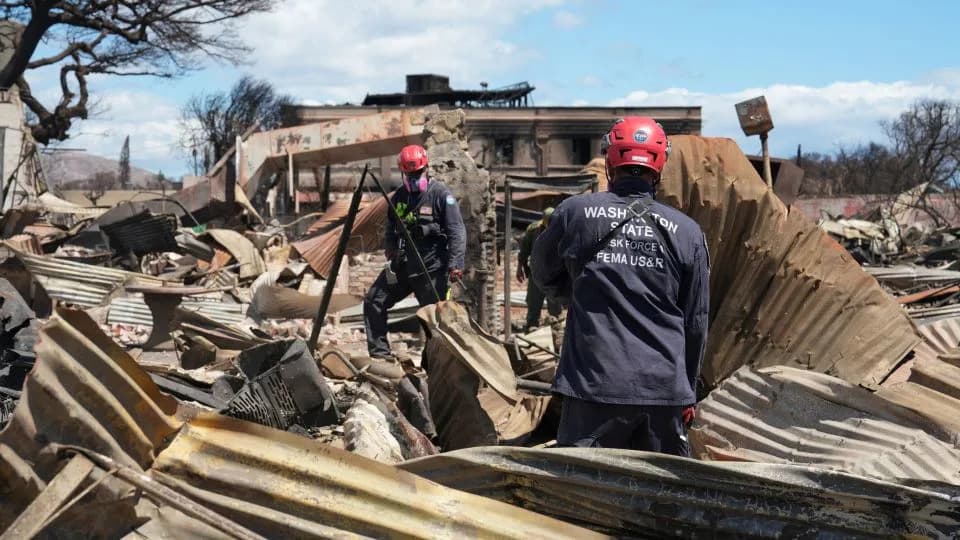
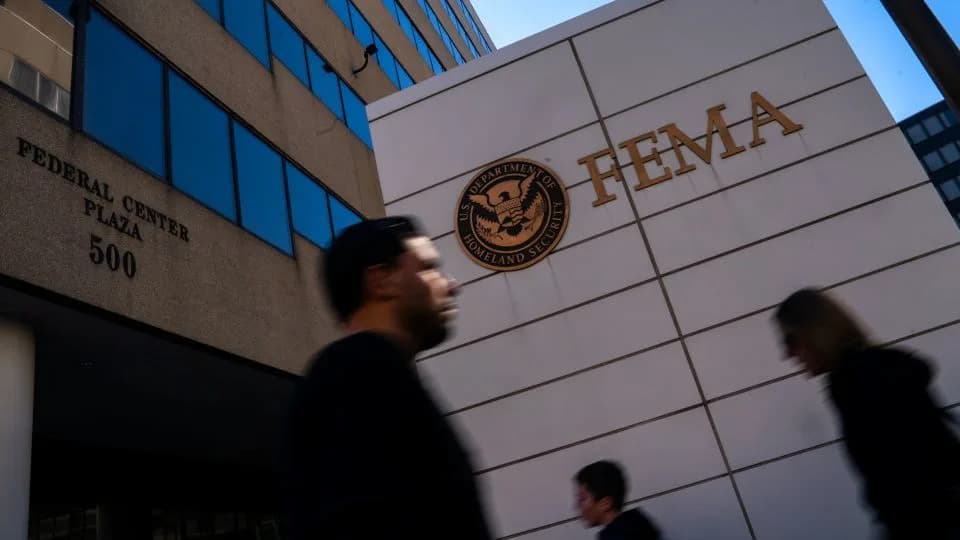
FEMA entered a severe hurricane season with leadership turnover, low morale and large staffing gaps. The agency lost roughly one third of its full-time staff in 2025 through firings, retirements and resignations. A presidential task force proposed recommendations that, according to experts, could shift disaster responsibilities to states — a move critics say would leave under-resourced communities at greater risk.
Operational impacts included tightened spending controls (DHS required personal approval for expenditures over $100,000), investigations of staff who raised concerns, and three acting FEMA administrators within a year — none Senate-confirmed or noted for deep emergency-management experience. These factors slowed rapid response and degraded institutional knowledge.
NOAA And National Forecasting Capacity
NOAA — historically a global leader in weather and climate science — saw thousands of departures, including researchers, meteorologists and hurricane-hunter crews. Staffing shortages left about one-quarter of National Weather Service forecast offices without chief meteorologists in the spring and forced some offices to reduce overnight monitoring. Weather-balloon launches, a critical input for forecasts, were sharply reduced.
The White House canceled contracts for national climate assessments, took climate.gov offline, and pulled or cut funding for observatories and monitoring programs. Nine NOAA stations that track earthquake activity relevant to tsunamis went offline after funding was withdrawn from a seismic lab, and some satellite instruments that monitor greenhouse gases and pollution were put at risk.
Wildfire, Land Management And Frontline Operations
Although the administration voiced support for firefighters and signed an executive order aimed at improving land management, cuts to the U.S. Forest Service and other land agencies left critical maintenance and mitigation work undone. Hazardous fuels reduction activities — prescribed burns, brush clearing and related measures — declined by roughly 38% in 2025, according to Grassroots Wildland Firefighters. Crews reported taking on non-fire tasks to cover for lost maintenance and administrative staff.
Human And Economic Costs
The consequences are already stark. In the first half of 2025, weather- and climate-related disasters caused an estimated $101 billion in damage, according to Dr. Adam Smith, who tracked these losses for NOAA until the federal database was discontinued. Catastrophic events in 2025 included three Category 5 hurricanes, record summer heat and humidity, and deadly floods and wildfires. In July, flooding from the Guadalupe River in Texas overwhelmed a summer camp and nearby communities, killing more than 135 people.
Experts’ Warnings And Global Implications
Experts say the worst effects may not be fully visible until the next major catastrophe. Monica Medina, former principal deputy NOAA administrator, warned:
“We are in the perfect storm. Escalating threats are colliding with a fraying safety net.”
U.S. scientific infrastructure supports not only domestic forecasting but international data-sharing used to track storms in Europe, coordinate Caribbean responses and monitor global ecosystems. The loss of scientists, datasets and monitoring capability will reverberate globally and will be difficult to rebuild.
What Comes Next
Emergency managers emphasize individual and community preparedness while urging policymakers to restore funding, staffing and science-based advisory structures. Investments under the prior administration’s Bipartisan Infrastructure Law had begun addressing resilience and environmental justice, but experts say more sustained investment and stable leadership are needed to rebuild capacity.
Bottom line: Cuts to FEMA, NOAA and other agencies have reduced short-term response capacity and degraded long-term forecasting and climate science. With disasters intensifying, communities — particularly rural and disadvantaged ones — face greater risks unless federal support and scientific infrastructure are restored.
Help us improve.