The United States has formally left the Paris Agreement for the second time after President Trump notified the U.N.; the exit took effect on Jan. 27, 2026. The administration is also preparing to withdraw from the UNFCCC and has scaled back domestic climate work, including withholding emissions data and ending greenhouse gas reporting. U.S. emissions rose 2.4% last year, and no U.S. delegation attended COP30. State and local coalitions say they will continue climate efforts despite federal rollbacks.
U.S. Officially Leaves the Paris Agreement Again as Withdrawal Takes Effect
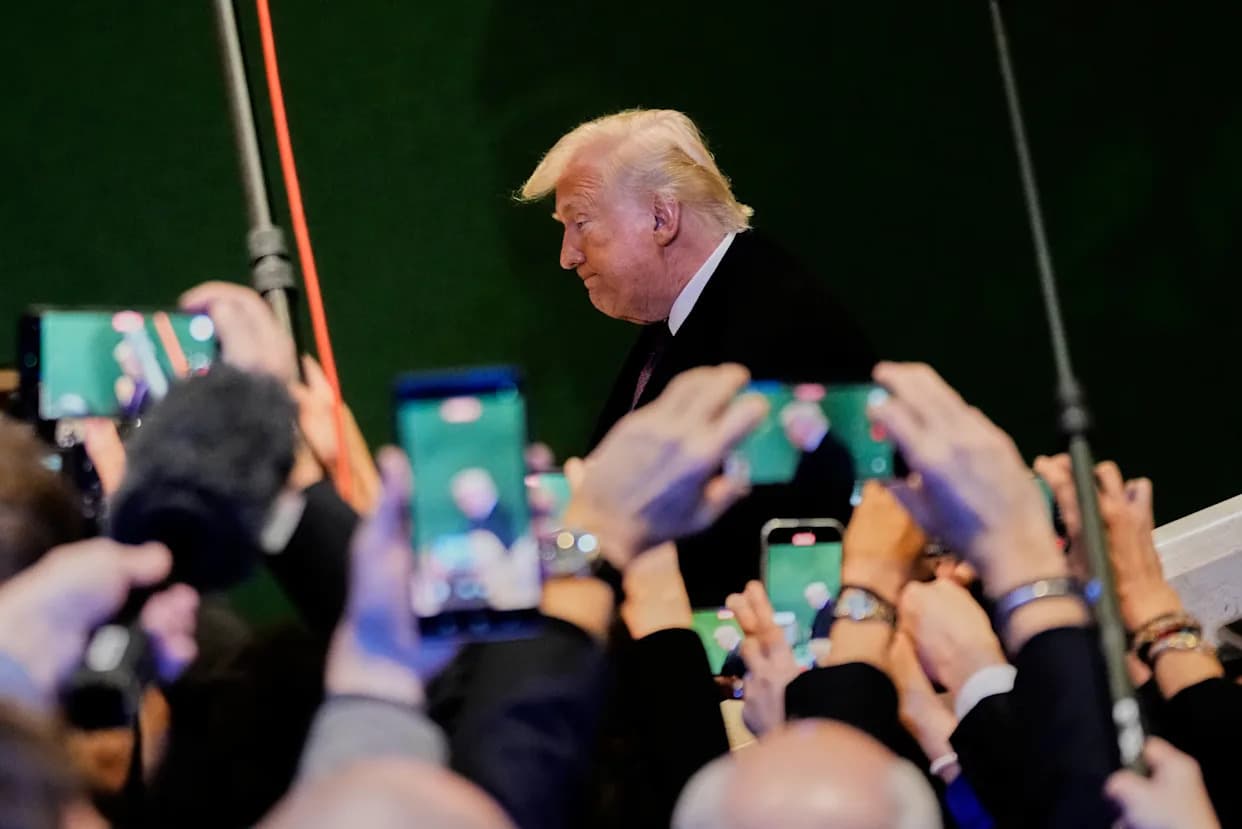
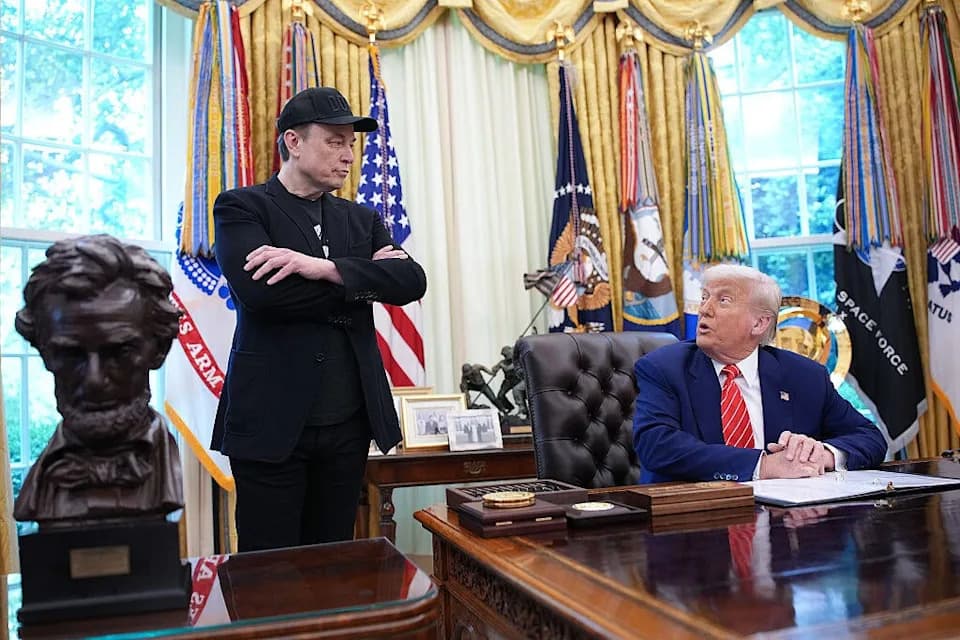
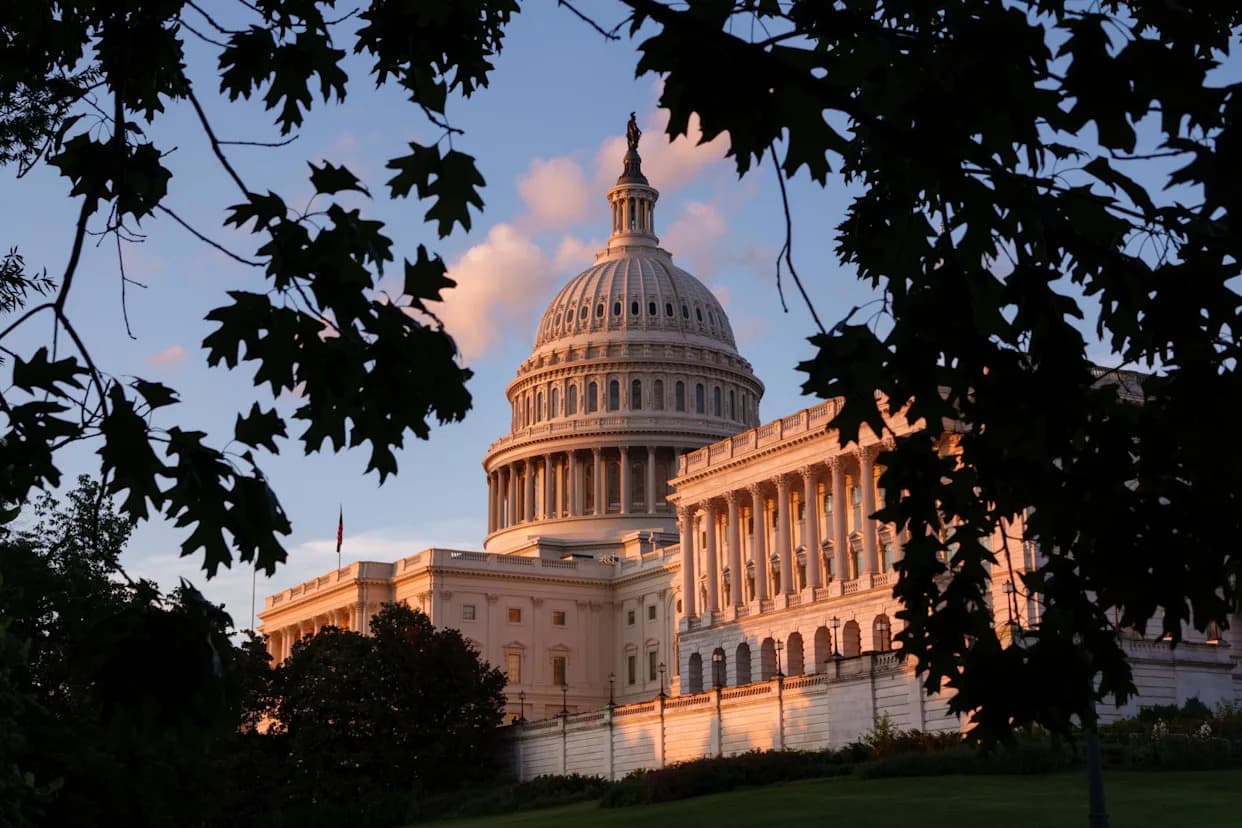
The United States has formally exited the Paris Agreement for the second time, with the withdrawal taking effect after President Donald Trump submitted a written notice to the United Nations. The move makes the U.S. one of the few nations without a current national target to reduce greenhouse gas emissions.
Key Dates and Announcement
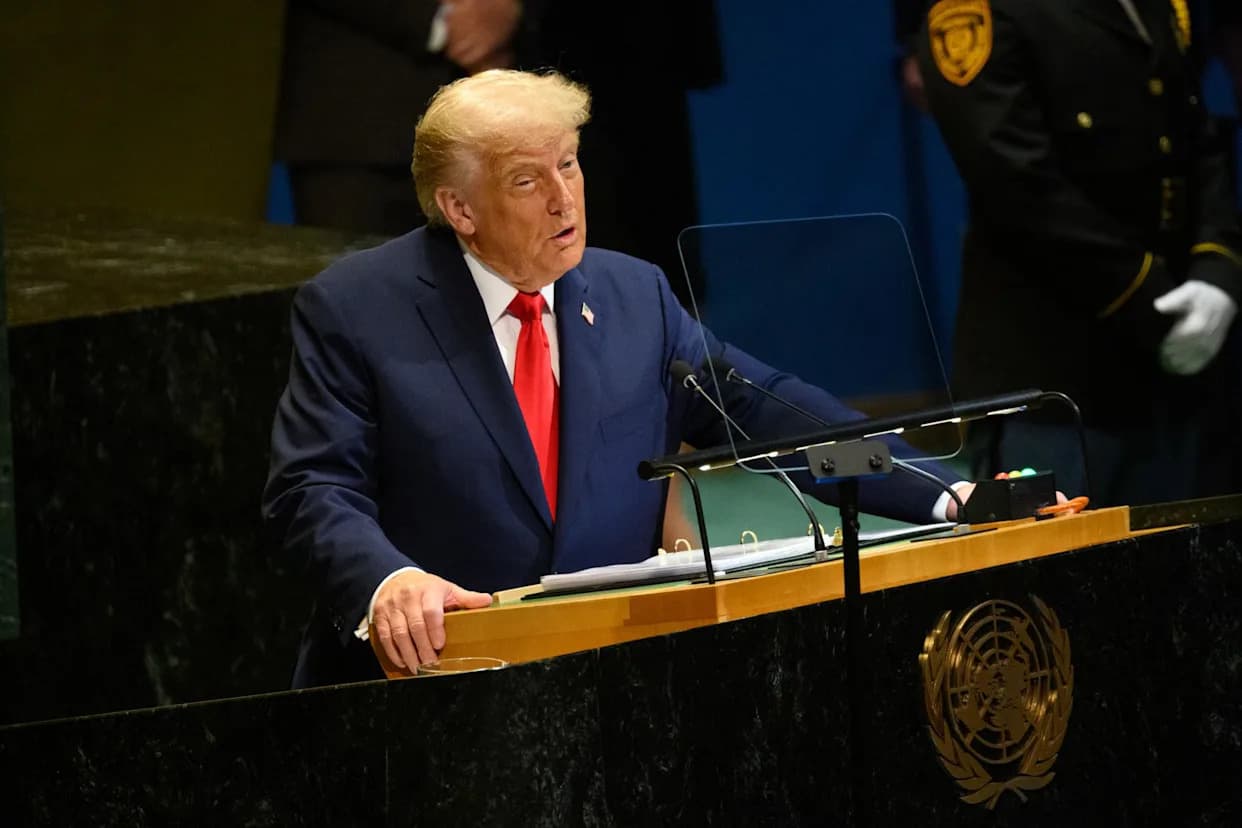
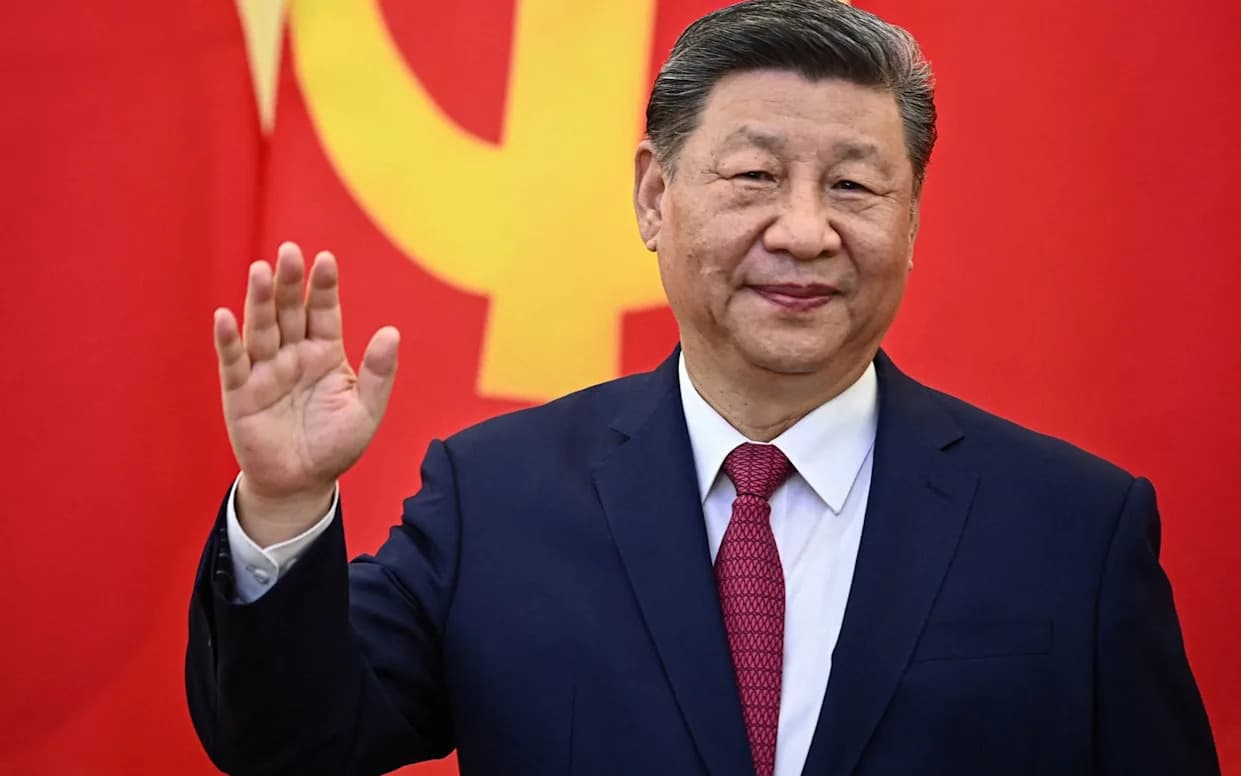
Trump announced his intent to withdraw on Jan. 20, 2025 — his first day back in office — and sent formal notification to the U.N. a week later. The U.N. confirmed that American participation in the agreement would end on Jan. 27, 2026.
“Thanks to President Trump, the U.S. has officially escaped from the Paris Climate Agreement which undermined American values and priorities, wasted hard-earned taxpayer dollars, and stifled economic growth,” White House spokesperson Taylor Rogers said in an email. “This is another commonsense America First victory for the American people!”
International and Domestic Fallout
The formal departure comes as the administration has taken steps that further isolate the U.S. on climate policy. The White House has criticized other countries for expanding renewable energy, threatened tariffs against nations that support a carbon tax on shipping, and curtailed international climate aid used by poorer countries to adapt to sea-level rise and other climate risks. The administration has also signaled plans to withdraw from the U.N. Framework Convention on Climate Change (UNFCCC), the 1992 treaty that underpins the Paris framework.
“What I’m feeling and seeing is the world moving on without us,” said Frances Colón, senior fellow for international climate policy at the Center for American Progress.
Policy Rollback Inside the U.S.
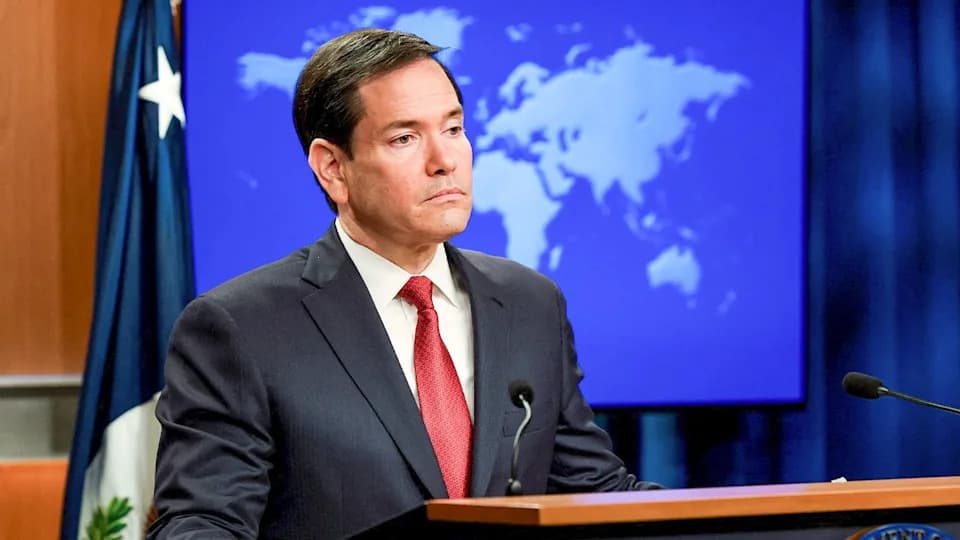
Even before the Paris exit became official, the administration had largely disengaged from the international climate process. Secretary of State Marco Rubio closed the State Department office that managed international climate negotiations and dismissed its staff. The Environmental Protection Agency withheld U.S. emissions data from the U.N. for the first time and is moving to end its greenhouse gas reporting program. The agency is also preparing to repeal the 2009 endangerment finding that provides EPA authority to regulate greenhouse gases.
According to the Rhodium Group, U.S. greenhouse gas emissions rose 2.4 percent over the past year after years of decline.
Global Talks Continue Without U.S. Delegation
No U.S. officials attended last November’s COP30 climate talks in Brazil. The summit faced leadership gaps and geopolitical tensions, but smaller coalitions of countries still advanced plans to phase out fossil fuels and curb deforestation.
What the Paris Agreement Requires
The Paris Agreement seeks to limit global warming to “well below” 2°C above pre-industrial levels and pursue efforts to keep warming to 1.5°C; global temperatures have already risen about 1.4°C since the Industrial Revolution. The framework asks every signatory — regardless of wealth or emissions level — to set progressively stronger emissions targets, though it does not legally compel nations to meet those targets. It also expects wealthier countries to take the lead by providing finance to poorer nations.
History Of U.S. Participation
This is the second time President Trump has moved to withdraw the United States from the Paris Agreement. He first announced the decision in a June 2017 Rose Garden speech — “Pittsburgh not Paris” — and the formal exit later took effect on Nov. 4, 2020, owing to the treaty’s timing rules. President Joe Biden rejoined the accord on his first day in office in January 2021.
Some conservative supporters hope this second withdrawal will stick. “He’s going much further in the second term and making much more decisive and bold moves,” said Myron Ebell, who worked on Trump’s first-term EPA transition team. “I’m hopeful that this will be permanent, but nothing is guaranteed.”
What Comes Next
The administration has announced plans to quit the UNFCCC as well; that treaty has a one-year delay between formal notification and official exit. The White House says the State Department is preparing the required paperwork. Rejoining the UNFCCC later could be more complicated for a future president because the UNFCCC was ratified by the Senate, making reaccession potentially involve Senate action.
Meanwhile, coalitions of states, cities and businesses in the U.S. say they will continue climate efforts and attempt to meet past national targets — including a Biden-era pledge from 2024 to reduce emissions 61–66% from 2005 levels by 2035 — but federal policy shifts will make those goals considerably harder to achieve.
Help us improve.