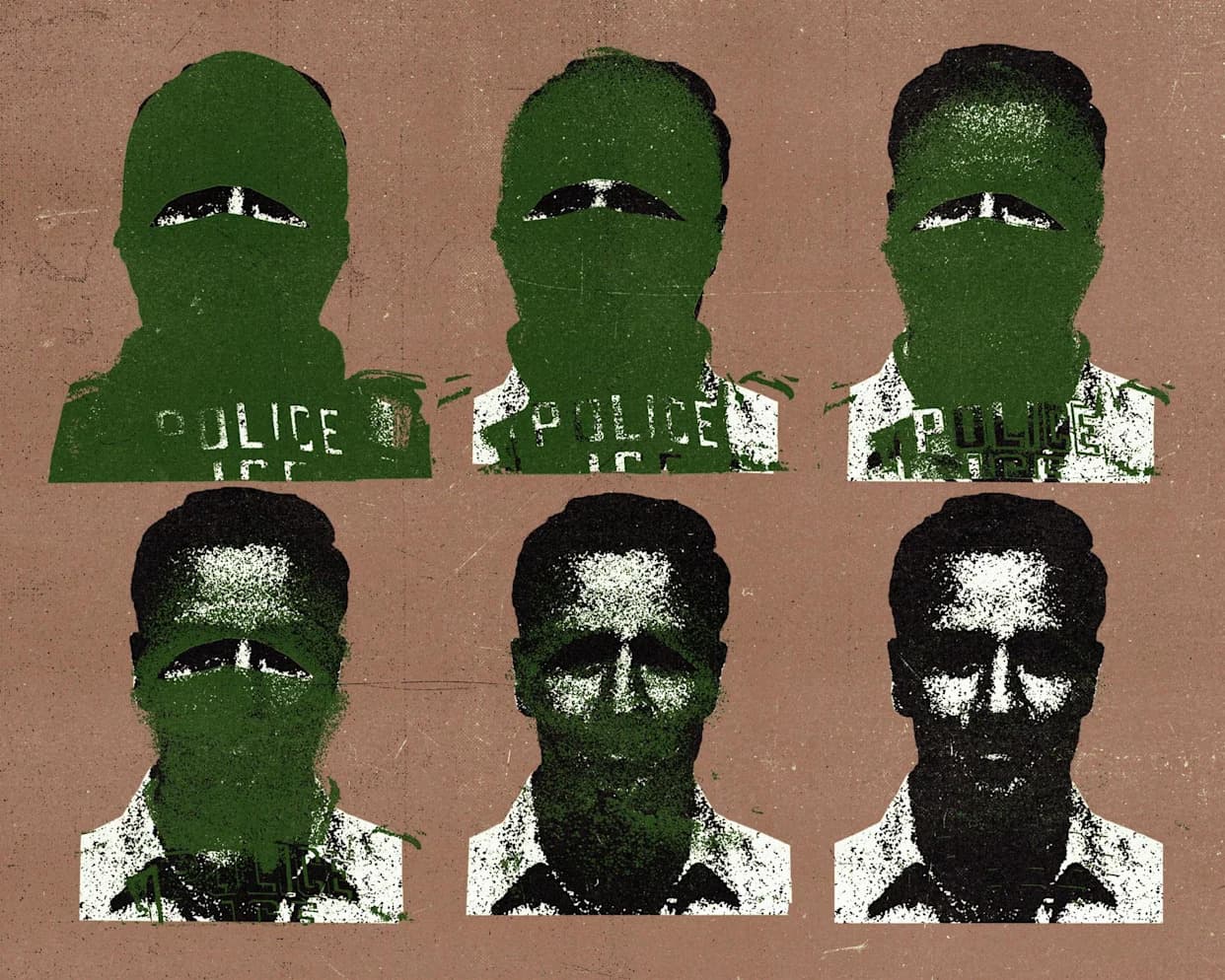
The Justice Department, led by Deputy Attorney General Todd Blanche, has instructed prosecutors to drop criminal cases that target aftermarket "defeat devices" and alleged tampering with diesel vehicle emissions-control software. The directive rests on a new, untested legal theory that onboard diagnostic software may not be "required to be maintained" under the Clean Air Act, making alleged tampering a civil—not criminal—matter. Career EPA attorneys dispute that interpretation, and the move could affect more than a dozen prosecutions and over 20 investigations nationwide.
Justice Department Orders Drop Of Criminal Cases Over Diesel 'Defeat Devices'
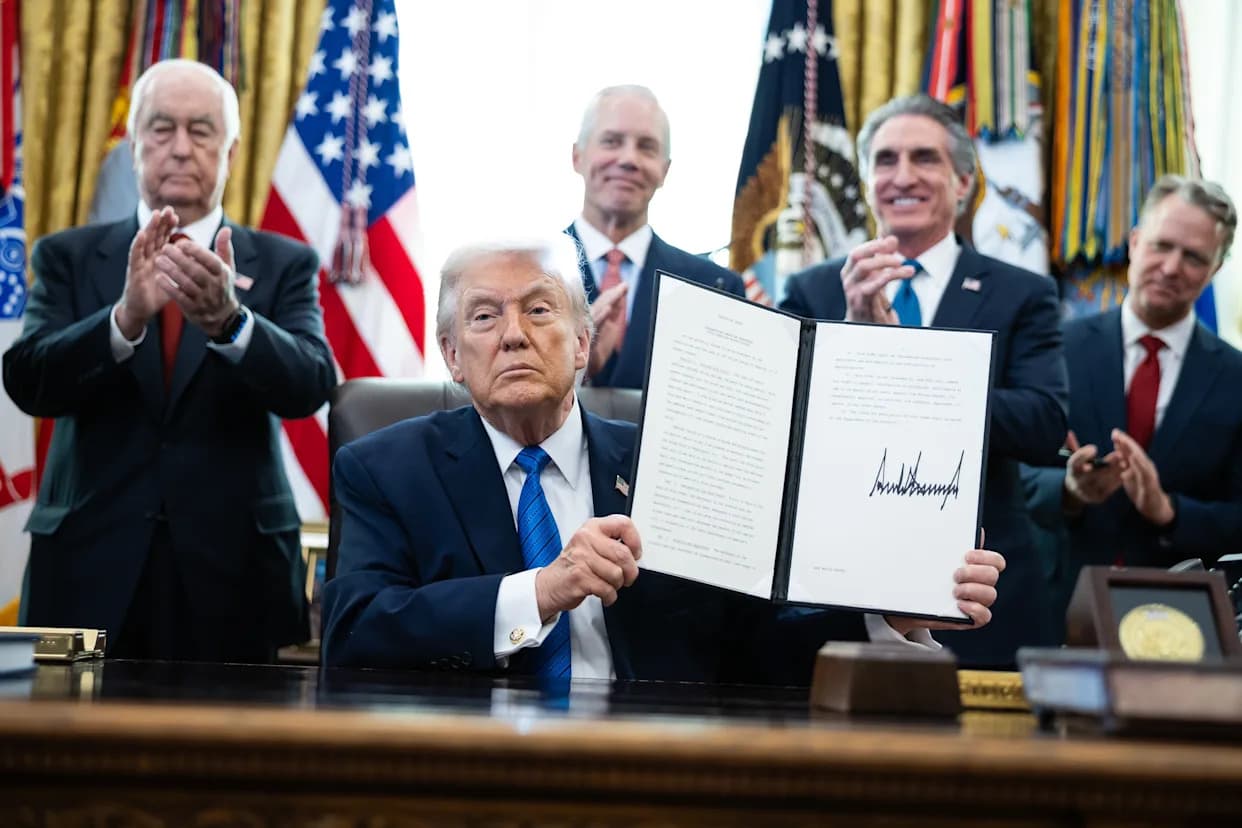
Washington — Deputy Attorney General Todd Blanche on Wednesday directed federal prosecutors to stop pursuing criminal charges and to dismiss pending cases that allege the sale or installation of aftermarket "defeat devices" and tampering with emissions-control software in diesel vehicles, according to a memo reviewed by CBS News.
What the Memo Says
Blanche said the department is taking the step "to ensure consistent and fair prosecution under the law, as well as to ensure the best use of Department resources." The directive adopts a legal theory — still untested in appellate courts — that software tied to onboard diagnostic (OBD) systems may not be a component the Clean Air Act "requires to be maintained," meaning alleged tampering could be treated as a civil violation rather than a criminal one.
"We are exercising enforcement discretion to no longer pursue criminal Clean Air Act charges based on allegations of tampering with emissions-control software," a Justice Department spokesperson said in a social media post.
Scope And Context
Officials say the order could affect more than a dozen pending criminal prosecutions and more than 20 open investigations nationwide. Some indictments were filed in 2025 after President Trump began his second term in January of that year. The decision follows a November pardon of Troy Lake, a Wyoming diesel mechanic who served seven months for conspiring to disable emissions-control devices, and comes amid political pressure from lawmakers such as Sen. Cynthia Lummis (R-Wyo.).
Why This Matters
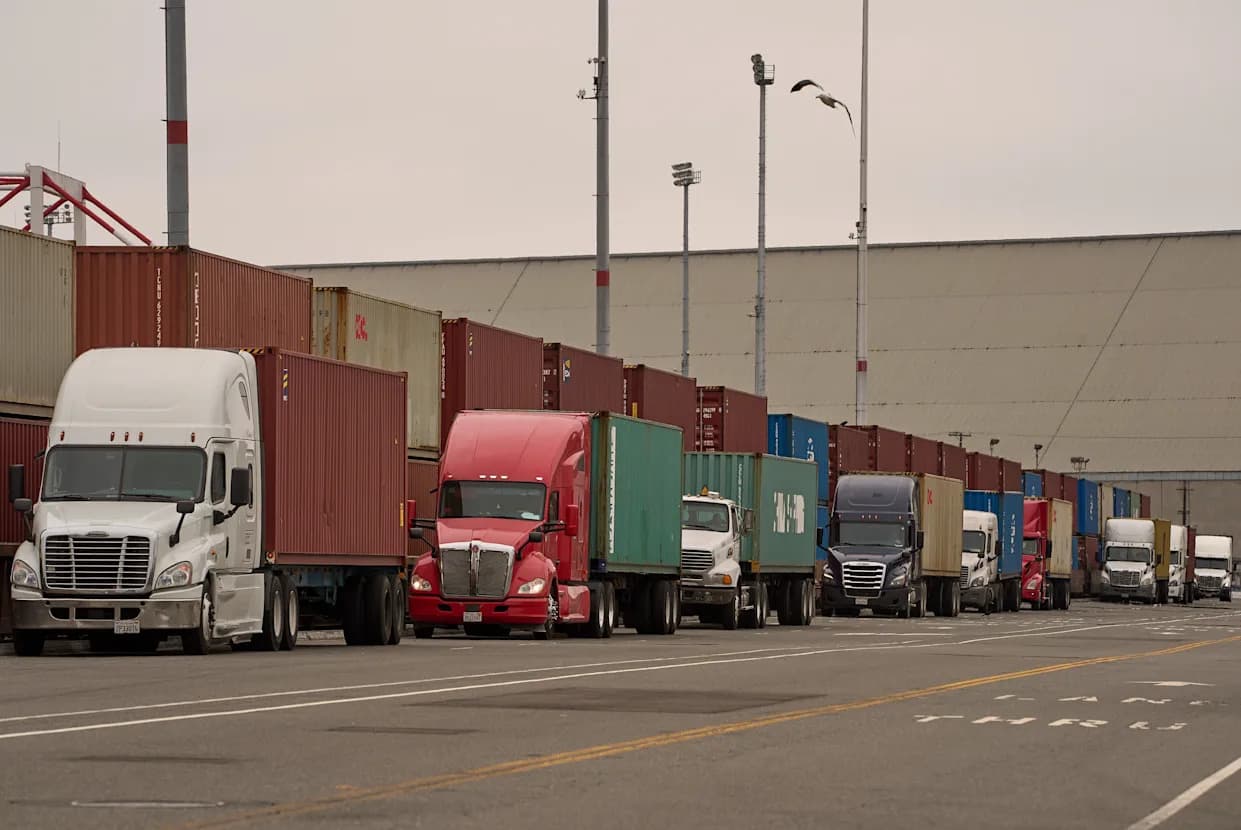
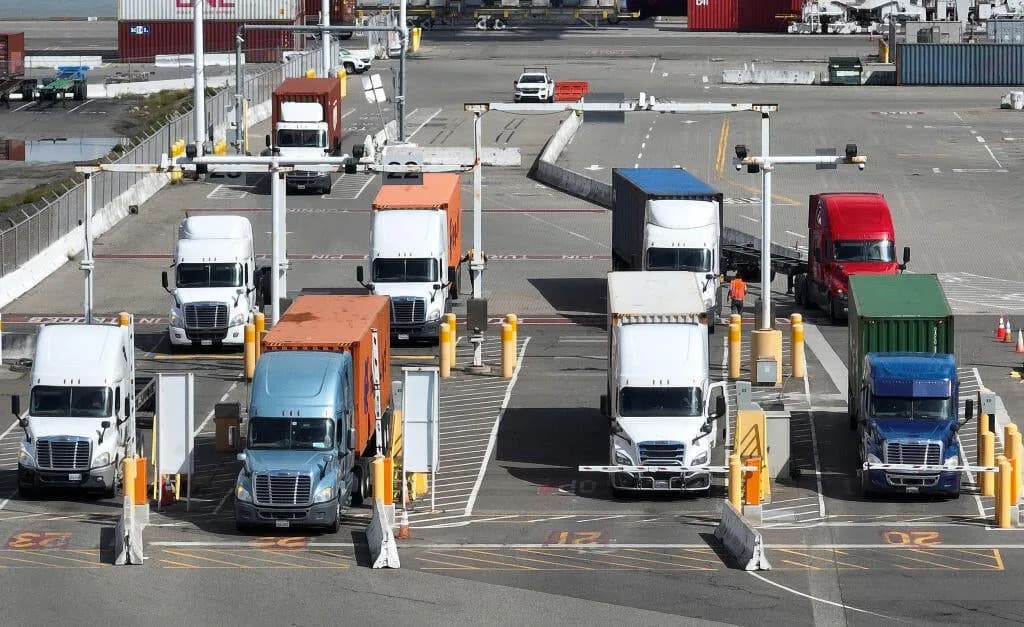
The Clean Air Act tasks the Environmental Protection Agency with regulating vehicle pollution. Automakers must install emissions-control systems to limit pollutants such as nitrogen oxides (NOx) and carbon monoxide; tampering with those systems has long been unlawful. Federal enforcement historically has focused on diesel vehicles because modified diesel systems can produce substantially higher emissions.
An EPA study from 2020 estimated that emissions controls had been removed from roughly 550,000 diesel pickup trucks over the prior decade, producing an estimated 570,000 tons of excess NOx.
Legal Debate And Internal Disagreement
The change in enforcement direction was driven in part by Adam Gustafson, principal deputy assistant attorney general in the Justice Department's Environment and Natural Resources Division, who began pressing prosecutors to justify criminal counts after a novel defense theory surfaced in a Ninth Circuit appeal brought by Tracy Coiteux. Her lawyers argued OBD software is not a component "required to be maintained" under the Clean Air Act and thus cannot support criminal charges.
Career attorneys at the EPA disagree. An internal EPA memo reviewed by CBS News argues diesel OBD systems are required to be maintained in multiple respects and that tampering can constitute a criminal offense under the statute. Andy Mergen, a former long-serving appellate lawyer in DOJ's ENRD, said Blanche's memo amounts to a "confession of error" and raised questions about whether the department followed the usual rigorous review process for reversing its position.
Precedent And Political Context
The department's most prominent Clean Air Act criminal prosecution for emissions cheating involved Volkswagen, which in 2017 pleaded guilty to installing defeat devices to deceive regulators and paid a $2.8 billion criminal fine plus $1.5 billion in civil settlements. After Mr. Trump's first term, the EPA made aftermarket defeat-device enforcement an investigative priority; this recent directive reverses course for criminal enforcement even as civil enforcement options remain available.
Jeffrey Hall, the incoming head of the EPA's Office of Enforcement and Compliance Assurance, told staff he had "carefully examined EPA enforcement for tampering with onboard diagnostic units" and — after consulting with DOJ — directed the agency to no longer pursue criminal cases involving emissions-control software tampering.
Implications
Prosecutors, defense attorneys, and environmental advocates are likely to clash over the legal theory in courts and on the legislative front. The immediate effect is to halt criminal prosecutions in many districts, while civil enforcement and congressional proposals to limit EPA authority remain active avenues of dispute.
Help us improve.